Deconstructed Experience: California Roll Sushi Bowls
Have you ever craved the delicate, balanced, and vibrant flavors of fresh sushi, but felt completely intimidated by the prospect of rolling it yourself? You are certainly not alone. Sushi making is an ancient art form that takes years for master chefs to perfect. Between getting the rice perfectly sticky, spreading it evenly over the delicate nori sheets, and rolling it tightly enough so that it doesn’t fall apart, making sushi at home can often feel like more trouble than it is worth. Enter the brilliant, timesaving, and incredibly delicious solution: the California Roll Sushi Bowl.
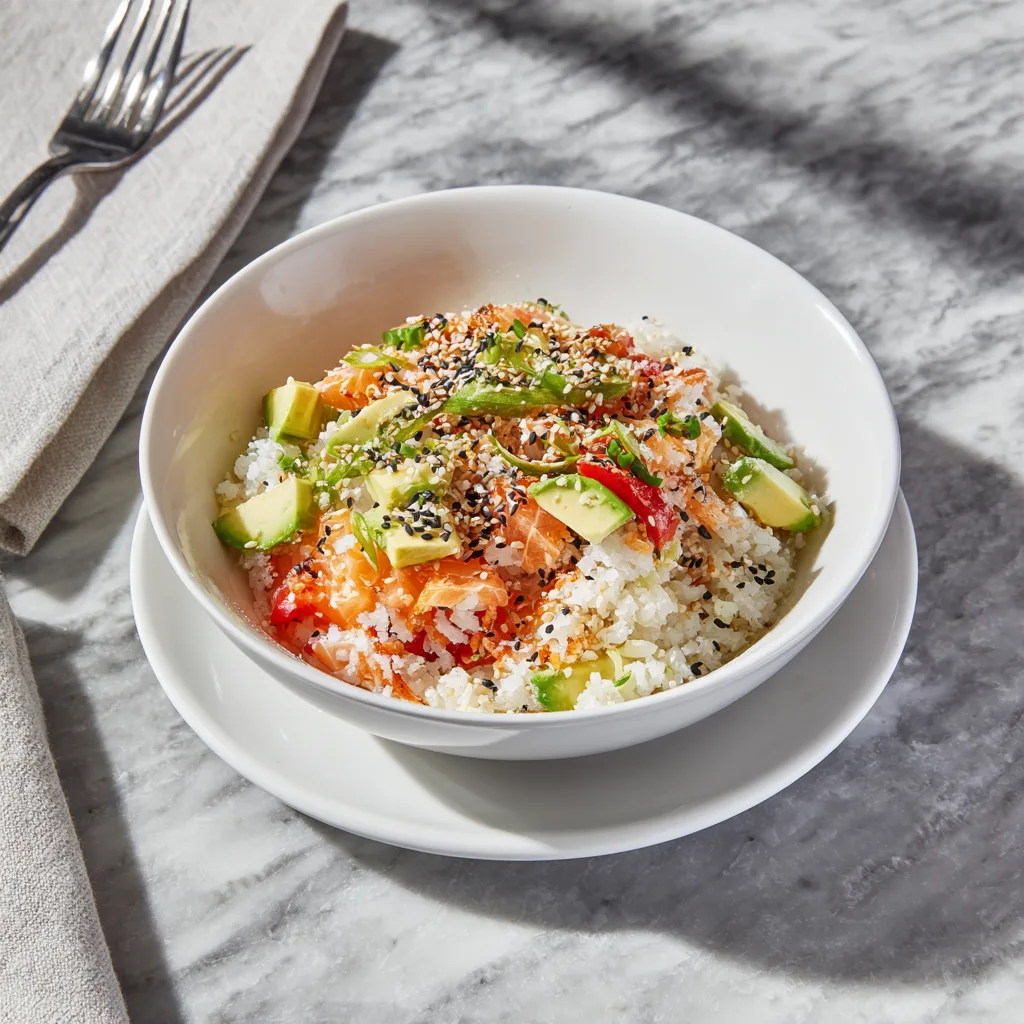
This recipe takes everything you love about a classic, creamy, and satisfying California Roll—the tender crab, the buttery avocado, the crisp cucumber, and the perfectly seasoned sushi rice—and transforms it into an effortless, customizable bowl. It is the ultimate deconstructed sushi experience. Whether you are meal prepping for a busy week of work lunches, looking for a quick and healthy weeknight dinner, or hosting a casual DIY sushi night with friends, these bowls deliver maximum flavor with minimal effort. No bamboo rolling mats required, no messy rice-covered fingers, just pure, unadulterated sushi bliss in a bowl.
Why You Will Fall in Love with This Recipe
There are countless reasons why this California Roll Sushi Bowl is destined to become a regular star in your weekly meal rotation. Here are just a few:
- Incredibly Quick and Easy: Aside from the time it takes to cook the rice (which is mostly hands-off), pulling this meal together takes less than 15 minutes. It involves simple chopping and mixing.
- Budget-Friendly: Going out for sushi can put a serious dent in your wallet. By using accessible ingredients like imitation crab (surimi) and making it at home, you can feed a whole family for the price of one specialty roll at a restaurant.
- Highly Customizable: Bowls are the perfect canvas for culinary creativity. Don’t like cucumber? Swap it for edamame. Want it spicy? Load up on the sriracha. The possibilities are endless.
- Nutrient-Dense and Healthy: Packed with lean protein from the crab, heart-healthy fats from the avocado, and complex carbohydrates from the rice (especially if you opt for brown sushi rice), this bowl keeps you energized and satisfied.
- Meal-Prep Friendly: The ingredients can be prepped ahead of time and stored separately, making it an absolute dream for quick grab-and-go lunches.
The Fascinating History of the California Roll
To truly appreciate the California Roll Sushi Bowl, it helps to understand the history of its namesake. The California roll is often credited with being the gateway sushi for the Western world, bridging the gap between traditional Japanese cuisine and American palates. But where did it come from?
The true origin of the California roll is slightly contested, but most food historians point to the late 1960s or early 1970s in Los Angeles, California (hence the name). Japanese sushi chefs working in Little Tokyo noticed that American diners were often put off by the texture of raw fish (like fatty tuna) and the tough, chewy texture of the nori (seaweed) on the outside of traditional maki rolls.
A chef named Ichiro Mashita at the Tokyo Kaikan restaurant is widely believed to have invented the roll. When he couldn’t find fresh, fatty tuna (toro), he substituted it with avocado, realizing that its rich, buttery texture was a perfect stand-in. To appease diners who disliked chewing through seaweed, he pioneered the “inside-out” roll (uramaki), hiding the nori on the inside and coating the outside of the rice with toasted sesame seeds or flying fish roe (tobiko). The addition of sweet crab meat completed the trinity of flavors, creating a mild, approachable, and utterly delicious roll that took the United States by storm.
Our sushi bowl pays homage to this ingenious culinary invention, bringing those exact same gateway flavors to a format that requires zero sushi-chef skills to execute.
Deep Dive: The Ingredients You Need
The beauty of a deconstructed dish is that every ingredient gets to shine. Because the ingredient list is relatively short, quality matters. Here is a breakdown of what you need to build the perfect bowl:
1. The Base: Perfectly Seasoned Sushi Rice
You cannot use just any rice for a sushi bowl. Long-grain rice, jasmine, or basmati will be too dry and separate. You specifically need short-grain Japanese sushi rice. When cooked, it becomes plump, slightly sticky, and holds together beautifully. To transform plain rice into sushi rice, you must season it with sushi vinegar (sushi-zu)—a delicate blend of rice vinegar, sugar, and salt. This seasoning gives the rice its characteristic glossy finish and that subtle sweet-and-sour tang that cuts through the richness of the toppings.
2. The Protein: Imitation Crab (Surimi)
While you can certainly use real lump crab meat if you are feeling luxurious, classic California rolls utilize imitation crab, also known as surimi. Surimi is actually made from mild white fish (usually Alaskan Pollock) that has been pulverized into a paste, seasoned, and shaped to resemble crab leg meat. It is sweet, slightly salty, highly affordable, and requires zero cooking. You can buy it in flake form or in sticks that you can easily chop or shred.
3. The Crunch: Fresh English Cucumber
Cucumber provides the necessary textural contrast to the soft rice, avocado, and crab. English cucumbers (or Persian cucumbers) are preferred over standard slicing cucumbers because they have thinner, less bitter skins and fewer, smaller seeds. There is no need to peel them; simply dice them into neat, bite-sized cubes.
4. The Creaminess: Ripe Hass Avocado
A California roll isn’t a California roll without avocado. The avocado brings a luxurious, buttery fat that coats the palate. Make sure your avocado is perfectly ripe—it should yield slightly to gentle pressure but not feel mushy. Slice it thinly or chop it into cubes just before serving to prevent it from oxidizing and turning brown.
5. The Sauce: Spicy Mayo
While traditional sushi might only be dipped in a touch of soy sauce, modern sushi bowls practically demand a creamy, spicy drizzle. Spicy mayo is incredibly easy to make at home. You simply whisk together high-quality mayonnaise (Japanese Kewpie mayo is highly recommended for its richer, slightly sweeter flavor profile due to the use of egg yolks and rice vinegar) with sriracha sauce. Add a tiny splash of toasted sesame oil or a squeeze of lime juice if you want to elevate the sauce even further.
6. The Garnishes: Bringing it all Together
Garnishes are not just for visual appeal; they add crucial layers of flavor. For this bowl, you will want:
- Black or White Sesame Seeds: For a nutty crunch. Toasting them in a dry skillet for a minute amplifies their flavor.
- Furikake: A dry Japanese condiment meant to be sprinkled on top of cooked rice. It typically consists of a mixture of dried fish, sesame seeds, chopped seaweed, sugar, and salt. It adds an instant umami bomb to the bowl.
- Nori Strips: Cut a sheet of roasted seaweed snack or sushi nori into thin ribbons using kitchen shears to get that traditional sushi flavor in every bite.
- Soy Sauce: For a final drizzle of salty, savory goodness.
Step-by-Step Instructions for the Perfect Bowl
Building the bowl is an exercise in layering flavors and textures. Follow these steps for foolproof results.
California Roll Sushi Bowls
Ingredients
Equipment
Method
- Rinse the sushi rice under cold water in a fine mesh strainer until the water runs completely clear. Cook the rice with 1.75 cups of water according to package directions or using a rice cooker.
- While the rice is cooking, prepare the sushi vinegar by whisking together the rice vinegar, sugar, and salt in a small bowl until the sugar dissolves. (You can microwave it for 15 seconds to help it dissolve faster).
- Once the rice is cooked, transfer it to a large, wide bowl. Pour the vinegar mixture over the hot rice and gently fold it in with a wooden spoon or rice paddle. Let the rice cool to room temperature.
- In a small bowl, whisk together the mayonnaise and sriracha to create the spicy mayo. Transfer to a small zip-top bag or squeeze bottle if desired.
- Divide the cooled sushi rice evenly among 4 serving bowls.
- Top each bowl with sections of the chopped imitation crab, diced cucumber, and sliced avocado.
- Drizzle the spicy mayo generously over the top of the bowls.
- Garnish with toasted sesame seeds, furikake (if using), and nori strips. Serve immediately with soy sauce on the side.
Notes
- Wash the Rice: This is a non-negotiable step. Place your short-grain sushi rice in a fine-mesh strainer and rinse it under cold running water until the water runs completely clear. This removes excess surface starch that makes the rice gummy rather than pleasantly sticky.
- Cook the Rice: Cook the rice according to your package instructions or in a rice cooker. A standard ratio is usually 1 cup of rice to 1.1 or 1.2 cups of water.
- Season the Rice: While the rice is still hot, transfer it to a large, wide bowl (preferably wooden or glass, not metal). Gently fold in your sushi vinegar mixture using a rice paddle or wooden spoon. Use a slicing motion rather than a stirring motion so you don’t mash the grains. Let the rice cool to room temperature.
- Prepare the Toppings: While the rice is cooling, chop your imitation crab sticks into small, bite-sized pieces. Dice the English cucumber. Halve, pit, and slice your avocado. Using kitchen shears, cut the nori sheet into thin, matchstick-sized strips.
- Whip Up the Spicy Mayo: In a small bowl, whisk together the Kewpie mayonnaise and sriracha. Taste and adjust the heat level by adding more sriracha if desired. Transfer to a small zip-top bag (and snip the corner) or a squeeze bottle for a professional-looking drizzle.
- Assemble the Bowls: Divide the cooled, seasoned sushi rice among your serving bowls. Arrange the chopped crab, diced cucumber, and sliced avocado in distinct, colorful sections over the rice.
- Garnish and Serve: Generously drizzle the spicy mayo over the top. Sprinkle with sesame seeds, furikake, and nori strips. Serve immediately with soy sauce on the side.
Pro Tips for Sushi Bowl Success
Want to elevate your bowl from good to restaurant-quality? Keep these professional tips in mind:
- Never Serve Cold Rice: Sushi rice is best enjoyed at room temperature or slightly warm. If you are using leftover rice from the fridge, gently warm it in the microwave with a damp paper towel over it until it just takes the chill off. Cold rice becomes hard and crumbly.
- The Kewpie Difference: If you can find Kewpie mayonnaise at your local Asian market or grocery store, buy it. Standard American mayonnaise uses whole eggs and white vinegar, making it tangier. Kewpie uses only egg yolks and rice vinegar or apple cider vinegar, resulting in a richer, silkier, more umami-forward flavor that is essential for authentic-tasting spicy mayo.
- Keep Avocados Green: If you are making these bowls for a party and prepping ahead, toss your avocado slices in a tiny bit of lemon or lime juice to prevent them from oxidizing and turning brown before serving.
- Mix Your Crab: For a slightly different texture, try mixing your chopped crab meat directly with a few tablespoons of the spicy mayo before adding it to the bowl, rather than just drizzling the sauce on top. This creates a “spicy crab salad” topping that is incredibly delicious.
Delicious Variations to Try
Once you have mastered the classic California Roll bowl, the fun really begins. Treat this recipe as a blueprint and let your imagination run wild. Here are some fantastic variations to switch up your weeknight dinners:
- The Spicy Tuna Bowl: Swap the imitation crab for sushi-grade ahi tuna. Dice the tuna and toss it with soy sauce, sesame oil, scallions, and sriracha.
- The Shrimp Tempura Bowl: For a decadent twist, fry up some frozen shrimp tempura and slice it over the rice instead of the crab. Drizzle with sweet eel sauce (unagi sauce) along with the spicy mayo.
- The Vegan California Bowl: Ditch the crab entirely. Substitute it with cubed, firm tofu that has been marinated in soy sauce and pan-fried, or simply load up on extra veggies like shelled edamame, shredded carrots, pickled daikon radish, and wakame seaweed salad. Use a plant-based mayonnaise for the sauce.
- The Tropical Bowl: Add diced fresh mango or pineapple to the bowl. The bright, juicy sweetness of the fruit pairs unbelievably well with the salty soy sauce and spicy mayo.
- Low-Carb Option: If you are watching your carbohydrate intake, swap the sushi rice base for cauliflower rice. To make it taste authentic, lightly steam the cauliflower rice and toss it with a little rice vinegar and sweetener.
Serving Suggestions and Pairings
While this bowl is incredibly filling on its own, you can turn it into a complete Japanese-inspired feast by pairing it with a few traditional sides. A steaming bowl of miso soup with silken tofu and scallions is the perfect starter. For extra vegetables, serve alongside some steamed edamame sprinkled with flaky sea salt, or a crisp, refreshing cucumber sunomono salad. As for beverages, crisp Japanese lagers (like Sapporo or Asahi), chilled sake, or a delicate iced green tea cut through the rich flavors of the bowl perfectly.
Storage and Meal Prep Instructions
These California Roll Sushi Bowls are fantastic for meal prep, but they do require a little bit of strategic storage to maintain the best textures.
To Store: If you have leftovers, store the components separately if possible. Keep the chopped crab, cucumber, and spicy mayo in separate airtight containers in the refrigerator for up to 3 days.
Dealing with Rice: As mentioned, sushi rice hardens in the fridge. Store leftover rice in an airtight container. When you are ready to eat, sprinkle a few drops of water over the rice, cover loosely, and microwave for 30-45 seconds until it is soft and warm again. Allow it to cool to room temperature before adding your cold toppings.
Avocado Prep: It is highly recommended that you do not slice the avocado until the exact moment you are ready to eat. Cut avocados will turn brown in the fridge, even with lemon juice, and their texture will become mushy.
Freezing: This recipe is not suitable for freezing. Freezing will ruin the texture of the fresh cucumber, avocado, and the cooked rice.
Frequently Asked Questions
Do I have to use imitation crab?
Not at all! Imitation crab is traditional for a California roll, but you can use real lump crab meat, cooked shrimp, smoked salmon, or even canned tuna mixed with mayo.
Can I use regular white rice?
You can, but the texture will be completely different. Standard long-grain white rice lacks the starch content required to become sticky. It won’t have that authentic sushi mouthfeel. If you are in a pinch, you can use short-grain arborio (risotto) rice as a substitute for sushi rice, though Japanese short-grain rice is always best.
What is furikake and where can I find it?
Furikake is a Japanese rice seasoning. It usually contains sesame seeds, chopped seaweed, sugar, salt, and sometimes dried fish or bonito flakes. It adds fantastic crunch and umami flavor. You can find it in the Asian aisle of most major grocery stores, at local Asian markets, or easily order it online. If you can’t find it, just use extra toasted sesame seeds and chopped seaweed.
Is this bowl gluten-free?
It can easily be made gluten-free with two simple modifications. First, ensure your imitation crab is certified gluten-free, as some brands use wheat starch as a binder. Second, swap the traditional soy sauce for Tamari or coconut aminos.
Conclusion
The California Roll Sushi Bowl is a testament to the idea that delicious, complex-tasting food does not need to be complicated to prepare. By deconstructing a beloved classic, you eliminate the stress and the mess, leaving only the vibrant colors, fresh ingredients, and bold flavors to enjoy. Whether you are a seasoned home chef or a complete beginner in the kitchen, this recipe is guaranteed to satisfy your sushi cravings in a fraction of the time. Grab your bowl, prep your toppings, and get ready to enjoy the easiest “sushi” you will ever make!