Pork Tenderloin Dijon
The Best Pork Tenderloin with Dijon Mustard Sauce: A Restaurant-Quality Dinner in 30 Minutes
There is a common misconception that “fancy” food requires hours of labor, obscure ingredients, and a culinary degree. I am here to debunk that myth entirely with this recipe for the Best Pork Tenderloin with Dijon Mustard Sauce. This dish is the culinary equivalent of a little black dress: elegant, timeless, suitable for any occasion, and surprisingly comfortable. It features melt-in-your-mouth tender medallions of pork, pan-seared to golden perfection, and smothered in a sauce that is so rich, tangy, and savory, you will want to lick the plate clean.
Pork tenderloin is often referred to as the “filet mignon of pork” because it is incredibly lean and tender. However, because it is so lean, it has a reputation for being dry and flavorless if mishandled. The secret weapon in this recipe is the Dijon Cream Sauce. It provides the necessary fat and moisture that the meat lacks on its own, while the sharp, vinous kick of the mustard cuts through the richness of the cream. Whether you are hosting a dinner party and need to impress without stress, or you simply want to elevate a Tuesday night, this dish is your answer.
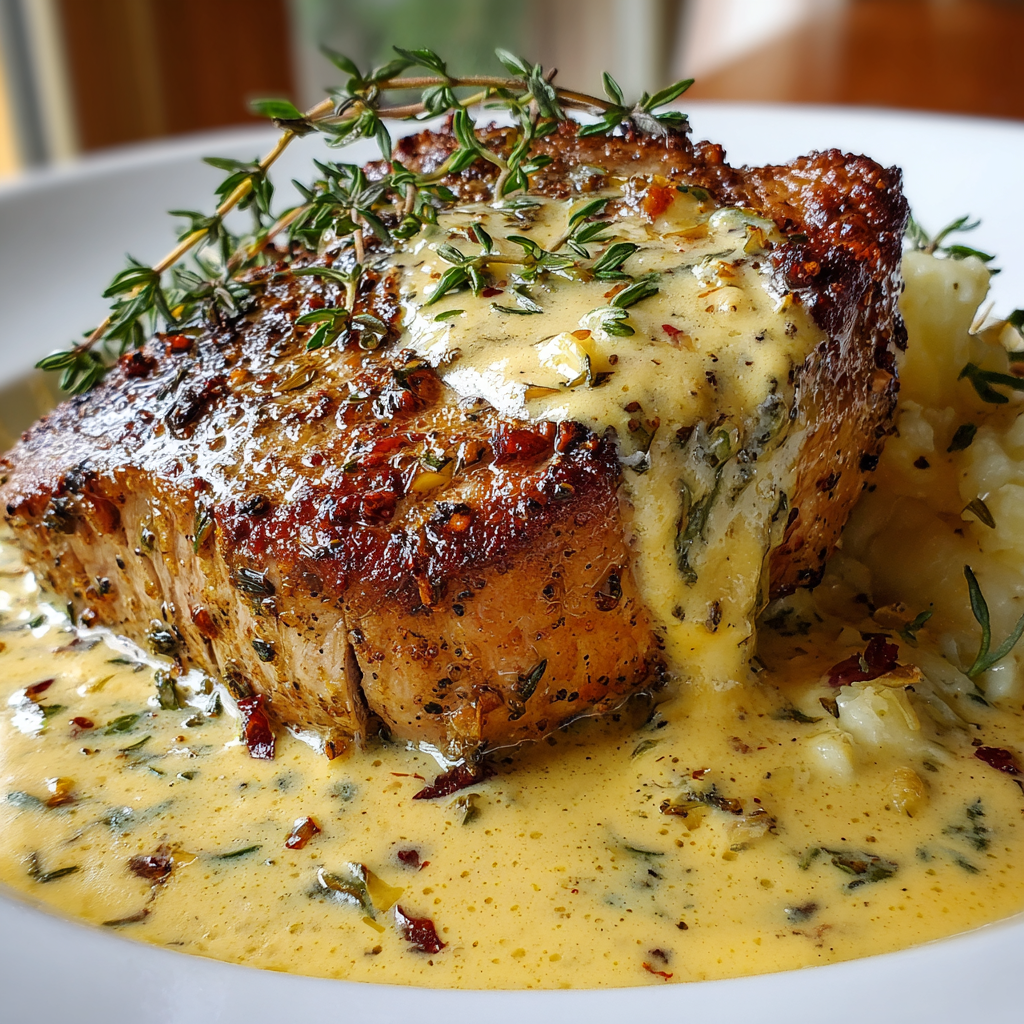
Why This Recipe Works
This recipe relies on a classic French technique: the pan sauce. By cooking the sauce in the same pan used to sear the meat, we utilize the fond—those browned bits of protein and sugar stuck to the bottom of the skillet. These bits are pure concentrated flavor.
The Flavor Balance: The success of this dish lies in the trifecta of fat, acid, and salt.
1. Fat: The heavy cream and butter provide a luxurious mouthfeel and carry the flavors across the palate.
2. Acid: The white wine (used to deglaze) and the Dijon mustard provide a sharp acidity that brightens the dish and prevents it from feeling too heavy.
3. Savory Depth: The pork sear, garlic, and herbs create the savory backbone that makes the meal satisfying.
Pork Loin vs. Pork Tenderloin: Know the Difference
Before you head to the grocery store, it is critical to know that pork loin and pork tenderloin are not the same thing. Mistaking one for the other is the most common mistake home cooks make.
- Pork Tenderloin: This is a long, thin, tubular cut of meat. It is very tender, cooks very quickly (usually in 15-20 minutes), and has almost no fat cap. This is what you want for this recipe.
- Pork Loin: This is a large, wide roast (think pork chops). It often has a thick fat cap and requires a much longer cooking time. If you use this, your slices will be huge, and the cooking times listed below will be wrong.
Ingredients Needed
Simple ingredients, when combined correctly, create complex flavors.
The Meat
- 1.5 lb Pork Tenderloin: Look for meat that is pinkish-red, not gray. Remove the “silverskin” (the tough white connective tissue) before cooking, as it does not break down and becomes chewy.
- Salt and Black Pepper: Be generous. Since pork is mild, it needs proper seasoning.
- Olive Oil & Butter: A mix is best for searing—oil prevents the butter from burning instantly.
The Pan Sauce
- Shallots: These offer a delicate onion-garlic flavor that is more refined than a yellow onion.
- Garlic: Freshly minced is non-negotiable.
- Dry White Wine: Sauvignon Blanc or Pinot Grigio work best. If you don’t cook with alcohol, chicken broth with a splash of apple cider vinegar is a decent substitute.
- Dijon Mustard: Do not use yellow ballpark mustard! You need the spicy, wine-forward flavor of Dijon. Grainy mustard can be added for texture, but smooth Dijon is essential for the emulsion.
- Heavy Cream: This creates the velvety texture. Half-and-half can split under high heat, so stick to cream for the best results.
- Fresh Herbs: Thyme is the classic pairing for pork, but rosemary or tarragon are also lovely.
Step-by-Step Instructions
Phase 1: Prep and Sear
- Prep the Pork: Remove the tenderloin from the fridge 20 minutes before cooking. Cold meat cooks unevenly. Pat it completely dry with paper towels (moisture is the enemy of a good sear). Slice the tenderloin into 1-inch thick medallions.
- Season: Press salt and freshly cracked black pepper into both sides of the medallions.
- The Sear: Heat the olive oil and 1 tablespoon of butter in a large skillet (stainless steel or cast iron is best) over medium-high heat. Once the butter foams, add the pork medallions in a single layer. Do not crowd the pan—if they are touching, they will steam instead of sear. Work in batches if needed.
- Cook: Sear for 3–4 minutes per side until a deep golden-brown crust forms. The internal temperature should reach about 140°F (60°C). They will cook a bit more in the sauce later. Remove pork to a plate and set aside.
Phase 2: The Aromatics
- Sauté: Reduce the heat to medium. Add the remaining butter to the pan. Toss in the minced shallots and cook for 2 minutes until softened. Add the garlic and fresh thyme sprigs, cooking for just 30 seconds until fragrant. Be careful not to burn the garlic.
Phase 3: The Pan Sauce
- Deglaze: Pour in the white wine. It will hiss and steam. Immediately use a wooden spoon to scrape up the browned bits (fond) from the bottom of the pan. Let the wine simmer and reduce by half (about 2–3 minutes) to concentrate the flavor and cook off the raw alcohol taste.
- Emulsify: Whisk in the Dijon mustard until smooth.
- Creaminess: Lower the heat to medium-low. Slowly pour in the heavy cream while stirring. Let the sauce simmer gently for 2–3 minutes until it thickens slightly and coats the back of a spoon. Taste and add more salt or pepper if needed.
Phase 4: Finish and Serve
- Combine: Return the pork medallions (and any juices that accumulated on the plate—that is liquid gold!) back into the skillet. Spoon the luscious sauce over the meat.
- Warm Through: Let everything simmer together for 1 minute just to warm the pork back up.
- Garnish: Sprinkle with chopped fresh parsley or extra thyme leaves. Serve immediately.
Expert Tips for Perfect Pork
1. Don’t Fear the Pink: The USDA revised its guidelines years ago. Pork does not need to be cooked to the texture of a shoe leather to be safe. An internal temperature of 145°F (63°C) is perfectly safe and results in a juicy, slightly pink center. If you cook it to 160°F or higher, it will be dry.
2. Room Temperature Cream: If you pour ice-cold cream into a hot pan, it can sometimes curdle or seize. Try to take your cream out of the fridge when you start prepping the veggies.
3. The Resting Period: Even though we are returning the meat to the sauce, that initial rest on the plate while you make the sauce helps the juices redistribute within the meat fibers.
Serving Suggestions
This sauce is so good you will want sides that can soak it up.
- Mashed Potatoes: The creamy potatoes mix with the tangy mustard sauce for the ultimate comfort bite.
- Egg Noodles: Toss broad egg noodles in butter and parsley, then serve the pork and extra sauce right on top.
- Roasted Vegetables: Roasted asparagus, green beans, or Brussels sprouts add a nice crunch and color contrast to the rich, creamy dish.
- Crusty Bread: You will need something to wipe the skillet clean!
Variations
- Honey Mustard Pork: Add 1 tablespoon of honey to the sauce when you add the Dijon for a sweet and savory twist.
- Mushroom Dijon: Sauté sliced cremini or baby bella mushrooms with the shallots for an earthier, heartier sauce.
- Dairy-Free: Use full-fat coconut milk instead of heavy cream. It changes the flavor profile slightly but pairs surprisingly well with the mustard.
- Spicy Kick: Add a pinch of cayenne pepper or crushed red pepper flakes to the sauce for a subtle heat.
Storage and Reheating
To Store: Keep leftovers in an airtight container in the refrigerator for up to 3 days.
To Reheat: This dish requires gentle reheating. If you blast it in the microwave, the cream sauce may separate (break) and turn oily, and the pork will toughen. The best method is to place the pork and sauce in a skillet over low heat, adding a splash of water or broth to loosen the sauce, and cover until warmed through.
Final Thoughts
The Pork Tenderloin with Dijon Mustard Sauce is a testament to the power of simplicity. It transforms humble ingredients into a meal that feels celebratory. It creates an aroma in your kitchen that draws everyone to the table before you even call them. So, pour a glass of that white wine for yourself, turn on the stove, and get ready to make the best pork dinner of your life.
Best Pork Tenderloin with Dijon Mustard
Ingredients
Equipment
Method
- Slice the trimmed pork tenderloin into 1-inch thick medallions. Pat dry with paper towels.
- Season pork generously on both sides with salt and pepper.
- Heat olive oil and 1 tbsp butter in a large skillet over medium-high heat. Add pork in a single layer.
- Sear for 3-4 minutes per side until golden brown and cooked to 140°F-145°F. Remove pork to a plate.
- Reduce heat to medium. Add remaining butter and minced shallots. Sauté for 2 minutes.
- Add garlic and thyme, cooking for 30 seconds until fragrant.
- Pour in white wine to deglaze, scraping up browned bits. Simmer for 2-3 minutes to reduce by half.
- Whisk in Dijon mustard until smooth, then lower heat and stir in heavy cream.
- Simmer sauce for 2 minutes until thickened. Taste and adjust salt/pepper.
- Return pork and any juices to the pan. Spoon sauce over meat to warm through. Garnish and serve.