Bacon & Apple Stuffed Pork Loin Recipe
Bacon & Apple Stuffed Pork Loin: The Ultimate Sweet & Savory Centerpiece
When it comes to holiday meals or Sunday family dinners, the main course needs to be a showstopper. It needs to look impressive, smell divine, and taste even better. Enter the Bacon & Apple Stuffed Pork Loin. This dish is a culinary masterpiece that looks incredibly complicated to make—thanks to that beautiful spiral of filling—but is actually surprisingly achievable for the home cook.
The magic of this recipe lies in the classic combination of pork and fruit. Pork is a naturally sweet meat that pairs beautifully with the tartness of apples. Add to that the smoky, salty punch of bacon and the earthy aroma of fresh thyme, and you have a flavor profile that hits every single note on the palate. The stuffing keeps the lean loin meat incredibly juicy from the inside out, while the exterior gets seared to golden-brown perfection. In this guide, we will walk you through the art of butterflying a pork loin, creating a filling that stays put, and roasting your meat to tender perfection.
Why This Recipe Works
Pork loin is a lean cut of meat, which means it runs the risk of drying out if overcooked or not properly prepared. Stuffing the loin serves a dual purpose: flavor and moisture. The bacon fat renders inside the roll as it cooks, basting the meat internally, while the apples release moisture that steams the pork from within.
The Flavor Balance
The success of this dish comes from the contrast. You have the soft, sweet texture of cooked apples against the crispy, salty bite of bacon. You have the tender, mild white meat of the pork against the caramelized, herb-crusted exterior. It is a dish that feels fancy enough for Christmas or Thanksgiving but is accessible enough for a Tuesday night when you want to feel like a chef.
Bacon & Apple Stuffed Pork Loin
Ingredients
Equipment
Method
- Preheat oven to 375°F (190°C).
- In a skillet, cook chopped bacon until crispy. Remove bacon, keeping 2 tbsp of fat in the pan.
- Add diced apples and onions to the bacon fat. Sauté for 5-7 minutes until soft. Stir in garlic and herbs, cook for 1 min. Remove from heat and stir in bacon and breadcrumbs.
- Butterfly the pork loin: Slice lengthwise down the center (not all the way through) and open like a book. Pound with a mallet to 1/2 inch thickness.
- Season pork with salt and pepper. Spread stuffing evenly over the meat.
- Roll the pork up tightly and secure with kitchen twine at 1-inch intervals.
- Mix mustard and honey; brush over the outside of the roast.
- Sear the roast in a hot skillet/pan until browned on all sides. Transfer to oven.
- Bake for 60-75 minutes until internal temperature reaches 145°F (63°C).
- Rest for 15 minutes before removing twine and slicing.
Notes
Ingredients You Will Need
The ingredient list is a mix of fresh produce and pantry staples. Here is what you need to create this savory spiral:
- Boneless Pork Loin: You want a roast that is about 3 to 4 pounds. Make sure it is a “loin” and not a “tenderloin”—they are different cuts! The loin is wide enough to butterfly and roll.
- Bacon: Thick-cut bacon works best here. It holds its texture better inside the stuffing. You will cook it until crisp before adding it to the mix.
- Apples: Granny Smith or Honeycrisp are ideal. You want an apple that will hold its shape slightly and provides a tart contrast to the rich meat.
- Onion & Garlic: The aromatic base of your stuffing.
- Breadcrumbs: Panko or regular breadcrumbs act as a binder, soaking up the juices from the apples and bacon fat so the stuffing doesn’t leak out.
- Fresh Herbs: Thyme, rosemary, and sage are the holy trinity for pork. Fresh is always better than dried for this recipe.
- Dijon Mustard & Honey: These form the base of the glaze that helps the exterior brown and caramelize.
- Kitchen Twine: Essential for tying the roast back together so it holds its shape in the oven.
Step-by-Step Instructions
1. Prepare the Filling
Start by frying your chopped bacon in a large skillet until crispy. Remove the bacon with a slotted spoon, leaving about 2 tablespoons of the drippings in the pan. Add the diced onion and apples to the bacon fat. Sauté over medium heat until softened, about 5-7 minutes. Add the minced garlic and fresh herbs, cooking for another minute until fragrant. Remove from heat and stir in the breadcrumbs and the crispy bacon bits. Let this mixture cool slightly while you prep the meat.
2. Butterfly the Pork Loin
This is the most technical part, but don’t be intimidated. Place the pork loin fat-side down on a cutting board. Holding your knife parallel to the board, make a slice lengthwise down the center of the loin, stopping about 1 inch from the other side (do not cut all the way through!). Open the meat like a book. If it is still too thick, you can make additional cuts from the center outwards to flatten it further. Cover with plastic wrap and pound lightly with a meat mallet to ensure an even thickness of about 1/2 inch.
3. Stuff and Roll
Season the open surface of the pork generously with salt and pepper. Spread the apple and bacon filling evenly over the meat, leaving a small border around the edges to prevent spilling. Starting from one of the long sides, roll the pork up tightly like a jelly roll. Try to keep the stuffing tucked in as you go.
4. Tie and Glaze
Using kitchen twine, tie the roast at 1-inch intervals to secure the roll. Snip off any excess string. In a small bowl, whisk together Dijon mustard, honey, olive oil, and a pinch of salt. Brush this glaze all over the exterior of the pork roast.
5. Sear and Roast
Preheat your oven to 375°F (190°C). Heat a large oven-safe skillet or roasting pan over medium-high heat with a drizzle of oil. Sear the pork loin on all sides until golden brown (about 2-3 minutes per side). This locks in flavor. Once seared, transfer the pan directly to the oven.

6. Bake to Perfection
Roast for roughly 60 to 75 minutes. The internal temperature is key here—you want to pull it out when a meat thermometer inserted into the thickest part of the meat (not the stuffing) reads 145°F (63°C). The temperature will rise slightly as it rests.
7. Rest and Serve
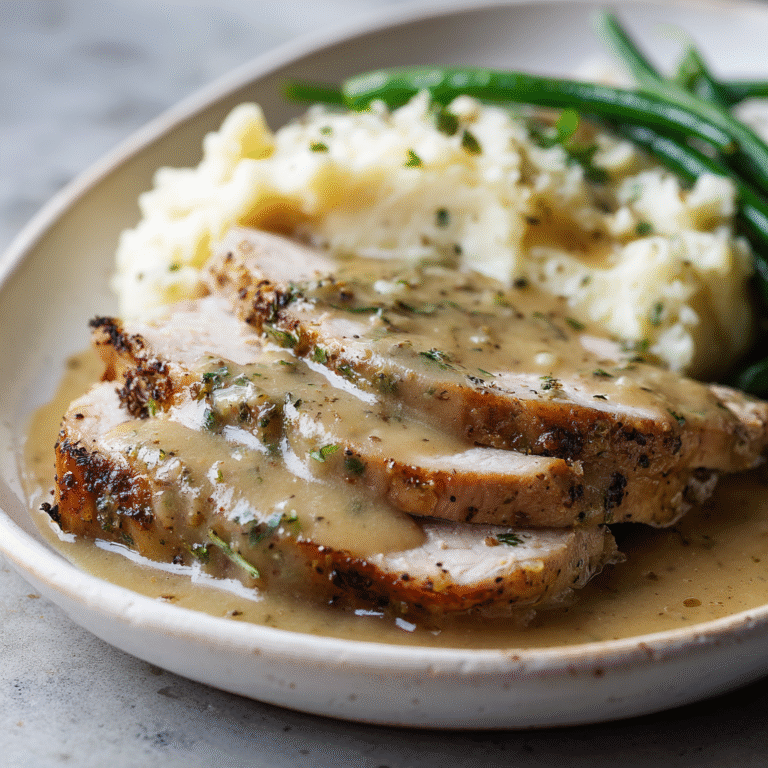
Remove the roast from the oven and tent it loosely with foil. Let it rest for at least 15 minutes. This allows the juices to redistribute throughout the meat. If you slice it too soon, all the moisture will run out. Cut the twine, slice into gorgeous spirals, and serve immediately.
Expert Tips for Success
- Don’t Overcook: Modern pork is safe to eat with a blush of pink. Cooking it to 145°F ensures it stays juicy. If you go to 160°F or higher, the loin will be tough and dry.
- Uniform Chopping: Chop your apples and onions into small, uniform dice. If the chunks are too big, the roast will be lumpy and difficult to roll tightly.
- The Resting Phase: We cannot emphasize this enough. Resting is actually part of the cooking process. Use this time to finish your side dishes.
- Serving Sauce: After removing the pork from the pan, place the pan back on the stove. splash in some apple cider or chicken broth to deglaze the fond (browned bits), and simmer to create a quick pan sauce to drizzle over the slices.
Variations to Try
This recipe is incredibly versatile. Here are a few ways to switch up the stuffing:
- Cranberry Walnut: Add dried cranberries and chopped toasted walnuts to the apple mixture for extra texture and holiday flair.
- Spinach and Feta: Go for a savory Mediterranean vibe by swapping apples for sautéed spinach and bacon for feta cheese.
- Apricot and Sage: Use dried apricots instead of fresh apples for a chewier, sweeter filling that pairs perfectly with sage.
Cultural Context: The Sunday Roast
The stuffed pork loin is a modern evolution of the classic British Sunday Roast. Historically, roasting a large joint of meat was a way to feed a family after church, with leftovers repurposed throughout the week. The technique of “rolling” meat, or a roulade, comes from French culinary tradition, designed to improve the presentation of humble cuts and distribute flavor evenly. In American cuisine, the addition of apples and bacon ties into the agricultural roots of the Midwest and South, where pork and apple orchards often coexist.
Storage and Leftovers
Refrigerator: Store leftover slices in an airtight container for up to 3 days. Reheat gently in the oven with a splash of broth to keep it moist.
Sandwiches: Cold leftovers make for incredible sandwiches. Slice the meat thin and layer it on crusty bread with extra mustard and arugula.
Freezing: You can freeze the cooked meat, but the texture of the apples may become softer upon thawing. Wrap tightly in foil and freeze for up to 2 months.