Espresso Martini Cookies Recipe
The Ultimate Espresso Martini Cookies: A Boozy, Chocolatey Delight
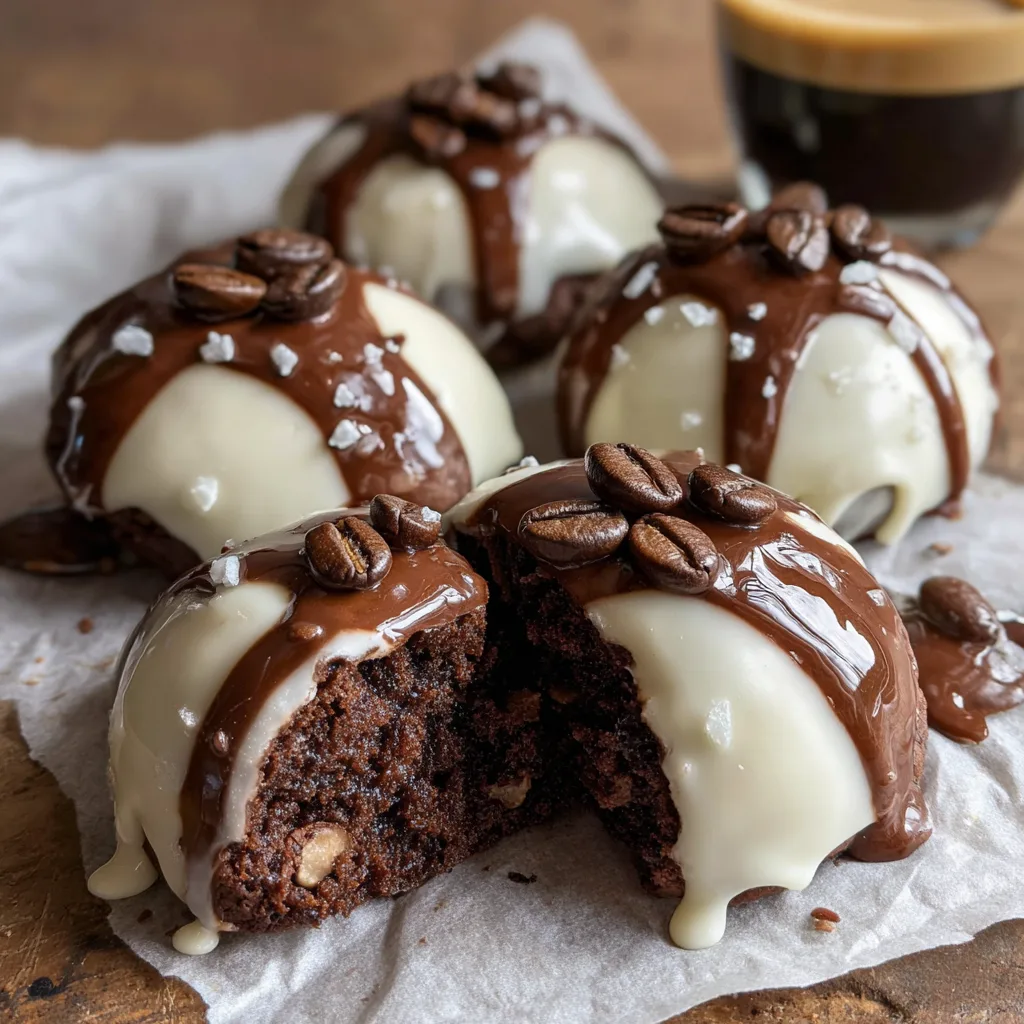
If you love the sophisticated, energetic kick of an espresso martini and the comforting, chewy texture of a dark chocolate brownie, you have just found your new favorite dessert. Espresso Martini Cookies are taking the baking world by storm, perfectly bridging the gap between an after-dinner cocktail and a sweet treat. These aren’t just cookies; they are an experience—rich, fudgy, infused with coffee liqueur, and dipped in a creamy white chocolate shell that mimics the frothy foam of the classic cocktail.
In this comprehensive guide, we will walk you through exactly how to recreate this viral sensation in your own kitchen. Whether you are baking for a holiday exchange, a dinner party, or just a Tuesday night indulgence, these cookies deliver bold flavors and stunning visuals.
Why This Recipe Works
There is a reason the espresso martini has made a massive comeback in bars worldwide: the combination of bitter espresso, sweet liqueur, and vodka is timeless. Translating that into a cookie requires balance. We start with a dark chocolate base that uses both melted chocolate and cocoa powder for depth. We then infuse the dough with instant espresso powder and a splash of Kahlua (or your preferred coffee liqueur) to give it that authentic cocktail kick.
The “dip” is equally important. An espresso martini is famous for its distinct layer of foam. We recreate this visual contrast by dipping half the cookie in high-quality white chocolate. The final touch—three coffee beans—is non-negotiable, representing health, wealth, and happiness, just like the traditional garnish.
Espresso Martini Cookies
Ingredients
Equipment
Method
- Preheat oven to 350°F (175°C) and line two baking sheets with parchment paper.
- In a large bowl, cream together softened butter, brown sugar, and granulated sugar until light and fluffy (2-3 mins).
- Beat in the egg, vanilla extract, and coffee liqueur until combined.
- In a separate bowl, whisk together flour, cocoa powder, espresso powder, baking soda, and salt.
- Gradually mix the dry ingredients into the wet ingredients on low speed until just combined. Do not overmix.
- Scoop dough into balls (approx 1.5 tbsp each) and place 2 inches apart on baking sheets.
- Bake for 9-11 minutes. Centers should look slightly soft. Cool on sheet for 5 minutes, then transfer to wire rack to cool completely.
- Melt white chocolate in microwave in 30-second intervals until smooth.
- Dip half of each cooled cookie into white chocolate. Top the white section immediately with 3 coffee beans.
- Allow chocolate to set completely before serving.
Notes
Ingredients
Gathering the right ingredients is the first step to cookie perfection. Here is what you will need:
For the Chocolate Espresso Dough
- Unsalted Butter – 1/2 cup (1 stick), softened to room temperature. This ensures a creamy aeration when beaten with sugar.
- Dark Brown Sugar – 3/4 cup, packed. Brown sugar adds moisture and acidity, creating a chewier texture than white sugar alone.
- Granulated Sugar – 1/4 cup. Helps with the slightly crisp edges.
- Egg – 1 large, room temperature.
- Vanilla Extract – 1 teaspoon.
- Coffee Liqueur (Kahlua) – 1 tablespoon. This adds the specific “martini” flavor profile.
- All-Purpose Flour – 1 1/4 cups. Spoon and level your flour to avoid dry cookies.
- Dutch-Process Cocoa Powder – 1/2 cup. Dutch-process is darker and less acidic, providing that Oreo-like color and deep fudge flavor.
- Instant Espresso Powder – 1 tablespoon. Do not use ground coffee beans; they won’t dissolve. Instant powder intensifies the chocolate and adds the caffeine kick.
- Baking Soda – 1/2 teaspoon.
- Salt – 1/4 teaspoon. Essential to balance the sweetness.
- Semi-Sweet Chocolate Chips – 1/2 cup. Optional, but adds gooey pockets of chocolate.
For the Decoration
- White Chocolate Melting Wafers or High-Quality White Chocolate – 1 cup. Wafers melt smoother, but high-quality bars taste better.
- Whole Coffee Beans – About 30-40 beans. You will need 3 per cookie.
Instructions
Step 1: Prep and Preheat
Preheat your oven to 350°F (175°C). Line two large baking sheets with parchment paper. Do not grease the paper; the parchment will prevent sticking and ensure an even bake.
Step 2: Cream the Butter and Sugars
In a large mixing bowl (or the bowl of a stand mixer fitted with the paddle attachment), beat the softened butter, brown sugar, and granulated sugar together on medium-high speed. You want this mixture to be light and fluffy, which usually takes about 2-3 minutes. This step mechanically incorporates air into the dough, which helps the cookies rise and then settle into that perfect crinkle.
Step 3: Add Wet Ingredients
Add the egg, vanilla extract, and the tablespoon of coffee liqueur. Mix on medium speed until just combined. Scrape down the sides of the bowl with a rubber spatula to ensure everything is incorporated.
Step 4: Whisk Dry Ingredients
In a separate medium bowl, whisk together the flour, Dutch-process cocoa powder, instant espresso powder, baking soda, and salt. Whisking ensures the leavening agents and spices are evenly distributed and breaks up any cocoa lumps.
Step 5: Combine
Turn the mixer to low speed. Gradually add the dry ingredients to the wet ingredients. Mix only until no streaks of flour remain. Do not overmix at this stage, or you will develop too much gluten, resulting in a tough cookie rather than a tender, fudgy one. Fold in chocolate chips if using.
Step 6: Scoop and Bake
Using a medium cookie scoop (about 1.5 to 2 tablespoons), scoop balls of dough and place them on the prepared baking sheets, spaced about 2 inches apart. These cookies will spread slightly.
Bake for 9-11 minutes. The edges should look set, but the centers will still look slightly soft and underbaked. This is crucial! They will firm up as they cool. If you bake them until they look completely dry, they will be hard when cool.
Step 7: Cool
Allow the cookies to cool on the baking sheet for at least 5 minutes. This “carry-over cooking” finishes the center. Then, transfer them to a wire rack to cool completely. They must be room temperature before dipping.
Step 8: The “Martini” Dip
Melt the white chocolate in a microwave-safe bowl in 30-second intervals, stirring in between, until smooth. Alternatively, use a double boiler.
Dip one half of each cooled cookie into the white chocolate. Let the excess drip off, then place it back on the parchment paper or wire rack. Immediately press three coffee beans onto the wet chocolate in a triangular pattern.
Allow the chocolate to set completely (about 20 minutes at room temperature or 10 minutes in the fridge) before serving.
Tips for Success
The Espresso Powder Matter: If you can’t find espresso powder, very finely ground instant coffee works in a pinch, but the flavor won’t be as robust. Never use actual coffee grounds inside the dough as they will be gritty.
Use Quality White Chocolate: White chocolate can be finicky. Avoid “white baking chips” from the grocery store aisle if possible; they contain stabilizers that prevent smooth melting. Look for bars containing cocoa butter or “melting wafers” (like Ghirardelli) for that glossy finish seen in the photos.
Room Temperature Ingredients: Ensure your egg and butter are at room temperature. Cold ingredients don’t emulsify well, leading to a uneven texture.
Variations and Substitutions
Make this recipe your own with these fun twists:
- The “Mocktail” Cookie: To make these alcohol-free, simply replace the coffee liqueur with an extra teaspoon of heavy cream or milk, plus a few drops of coffee extract.
- Mocha Nut: Add 1/2 cup of chopped toasted hazelnuts or pecans to the dough for added crunch.
- Dark Roast: If white chocolate is too sweet for you, dip them in dark chocolate instead for a “Black Espresso” vibe.
- Peppermint Espresso: During the holidays, add a drop of peppermint extract to the white chocolate dip for a “Peppermint Mocha” variation.
Serving Suggestions
These Espresso Martini Cookies are visually striking, making them perfect for display.
- The Cocktail Hour: Serve these alongside actual Espresso Martinis at a dinner party. The cookie highlights the notes in the drink.
- Affogato Style: Serve a warm cookie in a bowl with a scoop of vanilla gelato and a shot of hot espresso poured over the top.
- Gift Boxes: Because the white chocolate sets firm, these cookies stack reasonably well (once set) and look incredibly professional in a windowed bakery box tied with a black ribbon.
Storage and Freezing
Room Temperature: Store cookies in an airtight container at room temperature for up to 4 days. If it is hot in your kitchen, the white chocolate may soften, so keep them cool.
Freezing: You can freeze the baked, undipped cookies for up to 3 months. When ready to serve, thaw them and then proceed with the dipping step. We do not recommend freezing them after dipping, as the white chocolate can bloom (turn chalky) or sweat upon thawing.
The History Behind the Garnish
Why three beans? In the traditional serving of Sambuca and subsequently the Espresso Martini, the three coffee beans are known as “La Mosca” (the fly). They represent Health, Wealth, and Happiness. By adding them to your cookies, you aren’t just adding a crunch of coffee flavor; you are serving a well-wish to your guests!
Conclusion
These Espresso Martini Cookies are more than just a sugar rush; they are a conversation starter. With their sophisticated look, deep coffee flavor, and fudgy texture, they elevate the standard chocolate cookie into something truly special. Whether you are a cocktail enthusiast or just a chocolate lover, this recipe is guaranteed to impress. Happy Baking!