Ultimate Creamy Skillet Scalloped Potatoes Recipe
The Ultimate Creamy Skillet Scalloped Potatoes: A Comfort Food Masterpiece
There are few dishes in the culinary world that evoke the same level of deep, soul-satisfying comfort as a perfectly executed pan of scalloped potatoes. It is the quintessential side dish—a humble root vegetable elevated to gastronomic heights through the simple alchemy of cream, cheese, and heat. Whether you call them scalloped potatoes, potatoes au gratin, or simply “that cheesy potato thing everyone fights over,” this dish is a non-negotiable staple for holiday tables, Sunday roasts, and cozy winter evenings.
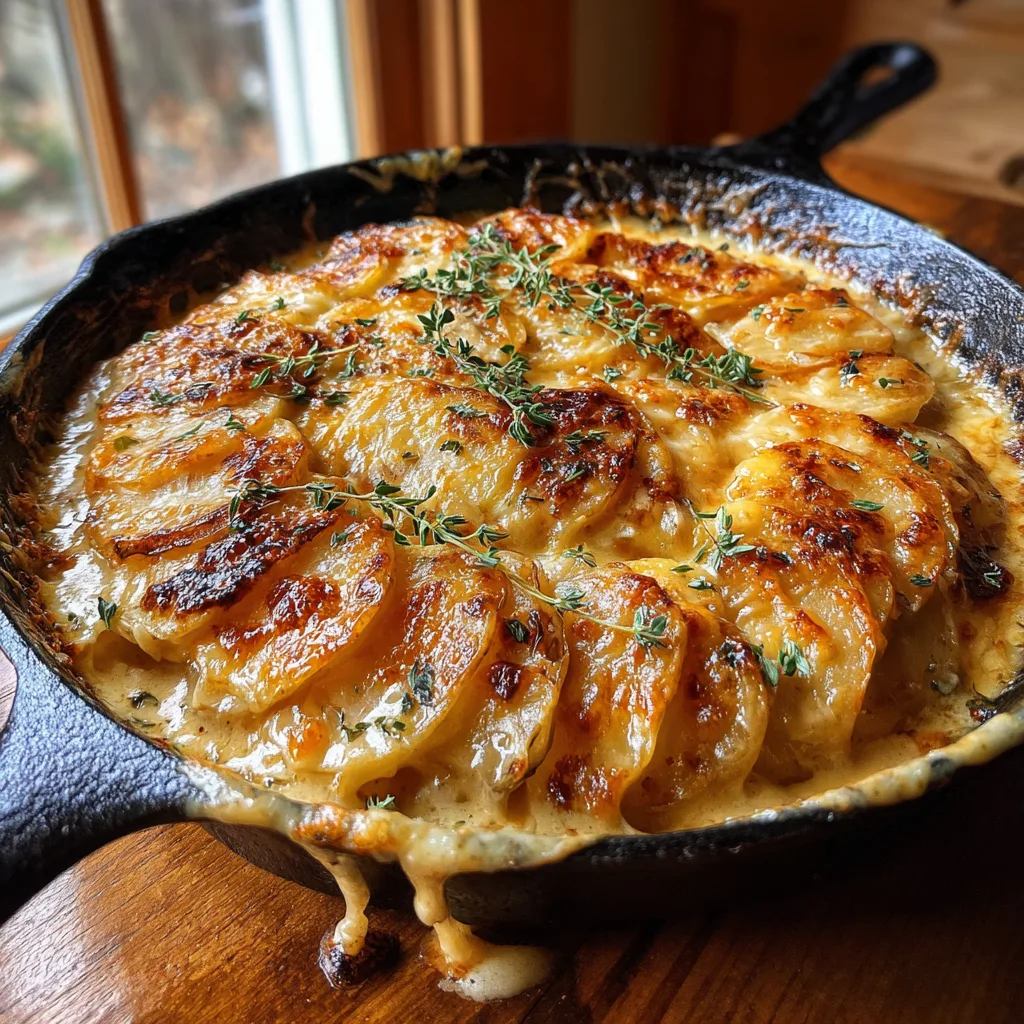
Today, we are diving deep into the art of making the Ultimate Creamy Skillet Scalloped Potatoes. This isn’t just another recipe; it is a comprehensive guide to achieving that elusive balance of tender, melt-in-your-mouth potatoes and a sauce that is rich, velvety, and perfectly thickened without curdling. We are bypassing the casserole dish and baking this straight in a cast-iron skillet, which provides a superior crust and an even, consistent heat that glass dishes simply cannot compete with. Prepare your kitchen, because we are about to create a bubbling, golden-brown masterpiece that will have your family asking for seconds before they’ve even finished their first serving.
Why This Skillet Method Changes Everything
Most traditional recipes call for layering raw potatoes in a cold baking dish and pouring cold cream over them. While this works, it often leads to uneven cooking—the top burns before the center is tender—or a sauce that breaks and becomes oily. By utilizing a cast-iron skillet and a stovetop-to-oven method, we solve these problems entirely.
The cast iron retains heat magnificently, ensuring that the bottom layer of potatoes gets just as much love as the top. Furthermore, by starting the sauce on the stovetop and bringing it to a simmer before assembling, we kickstart the cooking process. This means the potatoes spend less time in the oven drying out and more time absorbing that flavorful liquid. The result is a texture that is cohesive and creamy, rather than separate layers of potato swimming in milk.
Creamy Skillet Scalloped Potatoes (Au Gratin)
Ingredients
Equipment
Method
- Preheat your oven to 400°F (200°C). Wash, peel, and slice potatoes into uniform 1/8 inch rounds.
- In the cast iron skillet over medium heat, melt the butter. Add minced garlic and sauté for 1 minute until fragrant.
- Pour in heavy cream, milk, thyme, salt, pepper, and nutmeg. Bring to a gentle simmer, then remove from heat. Pour mixture into a pitcher or bowl temporarily.
- Arrange a layer of potato slices in the skillet. Sprinkle with 1/3 of the cheese mixture. Pour 1/3 of the cream sauce over top.
- Repeat layering two more times, finishing with the remaining cheese and sauce.
- Cover skillet tightly with foil and bake for 30 minutes.
- Remove foil and bake for an additional 25-30 minutes until potatoes are tender and top is bubbly and golden brown.
- Let rest for at least 15-20 minutes before serving to allow the sauce to thicken and set.
Notes
Ingredients You Will Need
The beauty of this dish lies in its simplicity. You don’t need fancy equipment or hard-to-find ingredients. However, quality matters. Since there are so few components, using the best version of each will make a noticeable difference in the final product.
- Potatoes: 3 lbs Yukon Gold or Russet potatoes. Yukon Golds are preferred for their buttery texture and ability to hold their shape, while Russets break down slightly more to thicken the sauce.
- Heavy Cream: 2 cups. Do not substitute this with milk if you want the signature velvety texture. The fat content is necessary to prevent curdling at high heat.
- Whole Milk: 1 cup. A little milk cuts the heaviness of the cream without sacrificing richness.
- Butter: 4 tablespoons unsalted butter. Used for sautéing the aromatics and greasing the skillet.
- Garlic: 4 cloves, minced. Fresh garlic provides a punchy, savory depth that powder cannot replicate.
- Cheese: 2 cups Gruyère (shredded) and 1 cup Sharp Cheddar (shredded). Gruyère is the gold standard for gratins due to its nuttiness and superior melting quality.
- Herbs: 1 tablespoon fresh thyme leaves, plus more for garnish. Thyme pairs classically with cream and potatoes.
- Seasoning: 1 teaspoon salt and ½ teaspoon freshly cracked black pepper. Potatoes need aggressive seasoning to taste their best.
- Nutmeg: ⅛ teaspoon ground nutmeg. A secret weapon in cream sauces that adds an indistinguishable warmth.
Step-by-Step Instructions
Follow these steps carefully to ensure your potatoes come out tender and your sauce remains perfectly emulsified.
1. Prep the Potatoes
Wash and peel your potatoes. Using a sharp chef’s knife or a mandoline slicer, slice the potatoes into uniform ⅛-inch rounds. Uniformity is key here—if the slices vary too much in thickness, some will be mushy while others remain raw. Do not rinse the potatoes after slicing; the starch on the surface helps thicken the cream sauce.
2. Infuse the Cream
Preheat your oven to 400°F (200°C). In your 10-inch or 12-inch cast-iron skillet, melt the butter over medium heat. Add the minced garlic and sauté for about 1 minute until fragrant but not browned. Pour in the heavy cream, milk, salt, pepper, thyme, and nutmeg. Bring to a gentle simmer, then remove from heat. This infusion step ensures every drop of liquid is packed with flavor.
3. Layer the Dish
Pour the cream mixture temporarily into a large measuring cup or bowl. Arrange a layer of potato slices in the bottom of the skillet in a circular, overlapping pattern. Sprinkle a third of the cheese over the potatoes. Pour a third of the cream mixture over the cheese. Repeat this layering process two more times, finishing with a generous layer of cheese and the remaining cream sauce. Press down gently with a spatula to ensure all potatoes are submerged.
4. The Bake
Cover the skillet tightly with aluminum foil. This steam-baking phase is crucial for tenderizing the potatoes. Bake for 30 minutes. Then, remove the foil and bake for another 25-30 minutes. The top should transform into a deep golden-brown crust, and the sauce should be bubbling vigorously around the edges. A knife inserted into the center should meet no resistance.
5. The Rest
This is the hardest part: waiting. Remove the skillet from the oven and let it rest for at least 15-20 minutes. During this time, the sauce will thicken significantly as it cools slightly, and the layers will set. If you cut into it immediately, the sauce will be too runny.
Tips for Perfection
The Mandoline is Your Friend: While knife skills are admirable, a mandoline slicer guarantees perfectly even slices in a fraction of the time. This ensures every bite cooks at the same rate.
Grate Your Own Cheese: Pre-shredded cheese is coated in anti-caking agents (like cellulose) that prevent it from clumping in the bag. Unfortunately, these agents also prevent the cheese from melting into a smooth sauce, often resulting in a gritty texture. Always buy blocks of cheese and grate them yourself.
Room Temperature Cream: Try to take the chill off your cream and milk before adding them to the hot pan. This reduces the risk of the dairy seizing or separating when it hits the heat.
Variations to Try
Once you have mastered the classic recipe, feel free to experiment with these delicious twists:
- Bacon & Onion: Sauté diced bacon and onions in the skillet before adding the garlic. Leave the rendered bacon fat in the pan for a smoky, savory flavor profile.
- Root Vegetable Medley: Swap half of the potatoes for sweet potatoes, parsnips, or celery root for an autumnal twist that adds sweetness and earthiness.
- Spicy Kick: Add a diced jalapeño or a pinch of cayenne pepper to the cream mixture. The heat cuts through the richness of the dairy beautifully.
- Herb Garden: Swap thyme for fresh rosemary or sage. Sage pairs particularly well with Gruyère and creates a very Thanksgiving-forward flavor profile.
Serving Suggestions
These scalloped potatoes are rich enough to be the star of the show, but they play well with others. Here is how to build a meal around them:
For a classic Sunday dinner, serve these alongside a Roast Chicken or Prime Rib. The creamy potatoes act as a sauce for the meat. For a holiday feast, they pair beautifully with Glazed Ham, as the saltiness of the ham contrasts with the creamy, mild potatoes.
If you are looking for a vegetarian option, serve these with a crisp, acidic salad—like arugula with lemon vinaigrette—to cut through the fat. Grilled asparagus or roasted Brussels sprouts also make excellent green companions.
Common Questions (FAQ)
Can I make this ahead of time?
Yes! You can assemble and bake the dish completely, let it cool, and refrigerate it for up to 2 days. Reheat it in the oven at 350°F, covered with foil, for about 20-30 minutes until warmed through.
Why did my sauce curdle?
Curdling usually happens if the heat was too high or if low-fat dairy was used. Stick to heavy cream and avoid boiling the sauce vigorously once the cheese is added.
Can I freeze scalloped potatoes?
While possible, it is not recommended. Dairy-based sauces tend to separate and become grainy when frozen and thawed. The potatoes may also become waterlogged. It is best enjoyed fresh or reheated from the fridge.
What if I don’t have a cast-iron skillet?
You can prepare the sauce in a regular saucepan and assemble the dish in a 9×9 inch baking dish or a standard casserole dish. You may need to add 5-10 minutes to the baking time as glass/ceramic conducts heat slower than iron.
Nutritional Note
Let’s be honest: this is not a diet food. It is a celebration of fats and carbs. However, it is nutrient-dense. Potatoes are high in potassium and Vitamin C, and the cheese provides calcium and protein. Enjoy it in moderation as part of a balanced meal.
The magic of this dish is the memories it creates. The smell of garlic and thyme wafting through the house, the sound of the sauce bubbling in the pan, and the sight of that golden crust coming out of the oven—it’s sensory storytelling at its finest. So grab your skillet, slice your potatoes, and get ready to make the best scalloped potatoes of your life.