Lebanese Lemon Lentil Soup
Lebanese Lemon Lentil Soup: A Bowl of Sunshine
There are few dishes as universally comforting and healing as a good bowl of soup. If you are looking for a recipe that is vibrant, nutritious, and packed with zesty flavor, this Lebanese Lemon Lentil Soup (often known simply as “Adas”) is the answer. It is a staple in Middle Eastern kitchens, particularly during the cooler months or as a wholesome starter during Ramadan, but honestly, it is perfect for any day of the year.
Unlike hearty winter stews that can feel heavy, this soup is bright and lifting. The base consists of red lentils which break down into a creamy, golden puree, flavored with earthy cumin and turmeric. But the real magic happens at the end: a generous pour of fresh lemon juice that wakes up the entire palate. It is vegan, gluten-free, and incredibly inexpensive to make, yet it tastes like luxury in a bowl.
Why You Will Fall in Love With This Soup
This isn’t just another bland lentil soup. It is a masterclass in how simple ingredients can create complex flavors.
- Nutrient Dense: Red lentils are a powerhouse of protein and fiber, making this soup incredibly satiating without being heavy.
- Budget-Friendly: The main ingredients are pantry staples—lentils, onions, and spices.
- Quick & Easy: Red lentils do not require soaking and cook down in about 20 minutes.
- Bright Flavor Profile: The heavy hand of lemon juice cuts through the starchiness of the lentils, creating a perfect balance.
- Meal Prep Gold: It tastes even better the next day as the flavors meld, making it perfect for lunches.
Ingredients Needed
To make this authentic Lebanese Lemon Lentil Soup, you will need the following simple ingredients. The quality of your olive oil and lemons makes a big difference here.
Lebanese Lemon Lentil Soup
Ingredients
Equipment
Method
- Rinse red lentils thoroughly in cold water until water runs clear.
- Heat olive oil in a large pot over medium heat. Sauté chopped onions for 5-7 minutes until soft.
- Add carrots (if using) and cook for 3 minutes. Stir in garlic, cumin, and turmeric; cook for 30 seconds until fragrant.
- Add rinsed lentils and pour in the broth or water. Bring to a boil.
- Reduce heat to low, cover, and simmer for 20-25 minutes until lentils are soft and disintegrated.
- Optional: Use an immersion blender to partially blend for a smoother texture, or leave slightly chunky.
- Remove from heat. Stir in fresh lemon juice. Season with salt and pepper to taste.
- Serve hot garnished with olive oil, red pepper flakes, and fresh herbs.
Notes
- Red Lentils (Masoor Dal): 1.5 cups, rinsed well. These are orange when raw but turn yellow when cooked. They break down easily to thicken the soup naturally.
- Olive Oil: Extra virgin is best, used for sautéing the aromatics and for a glossy finish at the end.
- Onion: 1 large yellow onion, finely chopped.
- Garlic: 4 cloves, minced. Don’t be shy with the garlic!
- Carrot (Optional): 1 medium carrot, diced small. This adds natural sweetness and a deeper orange color, though traditional recipes sometimes omit it.
- Potatoes (Optional): 1 small potato, cubed. This helps thicken the soup further and adds texture.
- Spices:
- Cumin: 1.5 teaspoons. The backbone of Middle Eastern flavor.
- Turmeric: 1 teaspoon. For earthy flavor and that brilliant yellow color.
- Black Pepper: Freshly cracked.
- Salt: To taste.
- Vegetable Broth or Water: 6-7 cups. Broth adds more depth, but water works fine because the lentils are so flavorful.
- Lemon Juice: 1/3 cup freshly squeezed (about 2 large lemons). Never use bottled lemon juice for this recipe.
- Garnish: Fresh parsley or mint, red pepper flakes (Aleppo pepper is traditional), and olive oil drizzle.
Instructions
This soup comes together quickly, so it helps to have your vegetables chopped and lentils rinsed before you turn on the stove.
1. Sauté the Aromatics
Heat 2 tablespoons of olive oil in a large pot or Dutch oven over medium heat. Add the finely chopped onions and sauté for 5-7 minutes until they are soft and translucent, but not browned. Add the diced carrots (if using) and cook for another 3 minutes. Finally, stir in the minced garlic, cumin, and turmeric. Cook for just 30 seconds until the spices are fragrant. This “blooming” step releases the essential oils in the spices.
2. Add Lentils and Liquid
Add the rinsed red lentils (and potato cubes if using) to the pot. Stir them around to coat them in the spiced oil mixture. Pour in the vegetable broth or water. Increase the heat to high and bring the mixture to a rolling boil.
3. Simmer to Perfection
Once boiling, reduce the heat to low, cover the pot partially with a lid, and let it simmer. Cook for about 20–25 minutes. You want the lentils to completely fall apart and the vegetables to be tender. Stir occasionally to prevent the lentils from sticking to the bottom of the pot.
4. Adjust the Texture
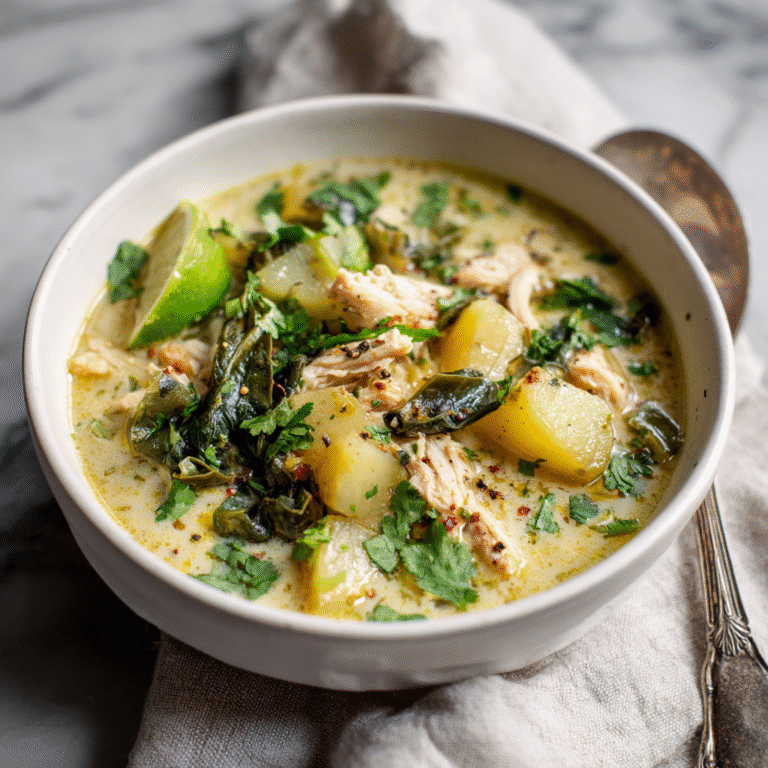
Traditionally, this soup is somewhat rustic but creamy. If you prefer a completely smooth soup, use an immersion blender to puree it directly in the pot. If you like some texture (as shown in the photos), pulse the blender just a few times or leave it as is—the lentils will naturally disintegrate enough to create a thick consistency.
5. The “Lemon” Step
Remove the pot from the heat. This is crucial—you don’t want to boil the fresh lemon juice or it can turn bitter. Stir in the fresh lemon juice. Taste the soup. It should be tangy! Add salt and plenty of black pepper to taste. If the soup is too thick, add a splash of water to reach your desired consistency.
6. Serve
Ladle the hot soup into bowls. Top with a generous drizzle of high-quality extra virgin olive oil, a pinch of red pepper flakes (or paprika), and fresh mint or parsley leaves. Serve with extra lemon wedges on the side for those who love it extra sour.

Tips for the Best Soup
Rinse Your Lentils:
Red lentils can be dusty. Rinse them in a fine-mesh sieve under cold water until the water runs clear. This prevents foam from forming on your soup.
Don’t Add Salt Too Early:
Some cooks believe adding salt at the beginning can toughen the lentils and make them take longer to cook. It is best to salt generously at the end.
The Olive Oil Finish:
Do not skip the drizzle of raw olive oil at the end. The heat of the soup warms the oil and releases its aroma, adding a rich mouthfeel that contrasts beautifully with the acidity of the lemon.
Variations to Try
While the classic recipe is perfection, you can easily adapt it to what you have on hand.
- Add Greens: For a nutrient boost, stir in a handful of chopped spinach or Swiss chard (Adas Bhamod style) in the last 2 minutes of cooking. The residual heat will wilt them perfectly.
- Make it Spicy: Add a pinch of cayenne pepper with the cumin, or top with Harissa paste for a fiery kick.
- Add Rice: Some Lebanese families add a small handful of short-grain rice along with the lentils for an even heartier stew.
- Bone Broth: If you are not vegan, using chicken bone broth instead of water adds incredible richness and gut-healing properties.
Serving Suggestions
This soup is often a meal in itself, but it pairs wonderfully with sides.
Crispy Bread:
Serve with toasted pita bread or “Khobz” for dipping. You can cut pita into triangles, brush with oil and za’atar, and bake them until crispy for croutons.
Fresh Salad:
A bright Fattoush or Tabbouleh salad makes for a classic Middle Eastern spread. The crunch of fresh vegetables contrasts well with the creamy soup.
Fried Onions:
Top the soup with crispy caramelized onions (similar to those used in Mujadara) for a sweet and savory crunch.
Storage and Reheating
Storage:
This soup stores beautifully. Keep it in an airtight container in the refrigerator for up to 4-5 days. It will thicken significantly as it cools.
Freezing:
Red lentil soup freezes very well. Let it cool completely, then freeze in portion-sized containers for up to 3 months.
Reheating:
To reheat, place in a pot over medium heat. You will likely need to add a splash of water or broth to loosen it up as lentils absorb liquid like a sponge. Taste and add a fresh squeeze of lemon juice to revive the flavors.
Fun Fact: The History of Lentils
Lentils are one of the oldest cultivated crops in human history, dating back over 10,000 years to the Fertile Crescent in the Middle East. They have sustained civilizations for millennia due to their high protein content and ability to grow in harsh conditions. In Lebanon, lentils are considered a “poor man’s meat,” but are treated with the respect of a king’s dish through the masterful use of spices and citrus.
Conclusion
This Lebanese Lemon Lentil Soup is proof that healthy food doesn’t have to be boring. It warms you from the inside out, providing a burst of sunshine even on the gloomiest days. The velvety texture of the lentils combined with the sharp, refreshing zing of lemon creates a flavor profile that is addictive in the best way possible. Make a big batch, because it will disappear fast!