Teriyaki Chicken Rice Bowl
Better Than Takeout Teriyaki Chicken Rice Bowl
In the hustle and bustle of modern life, the “rice bowl” has emerged as a champion of weeknight dinners. It is the perfect vessel for creativity, balance, and flavor. Specifically, this Teriyaki Chicken Rice Bowl is a dish that ticks every single box: it is vibrant, packed with protein and vegetables, and coated in a sauce so addictive you will never buy the bottled stuff again. We are moving away from the overly sweet, gelatinous sauces found in mall food courts and embracing a homemade glaze that is rich, savory, and glossy—a sauce that clings to the chicken like “liquid glass” and seeps down to flavor the fluffy white rice below.
This meal is a visual feast as much as a culinary one. The contrast of the deep brown, caramelized chicken against the vivid green of the broccoli, the bright orange of the carrots, and the cool crispness of the cucumbers makes for a plate that looks like it came from a high-end bento shop. But the best part? It comes together in under 30 minutes. Whether you are meal prepping for the week ahead or looking for a quick, healthy dinner that the whole family will love, this recipe is your new gold standard.
Why Make Your Own Teriyaki Sauce?
You might be tempted to grab a bottle of pre-made teriyaki sauce from the grocery store aisle, but here is why you should resist. Store-bought sauces are often loaded with corn syrup, preservatives, and artificial thickeners that result in a gloopy texture and one-dimensional sweetness. Making it at home requires just a few pantry staples—soy sauce, mirin (or vinegar), sugar, ginger, and garlic.
When you simmer these ingredients together, a chemical magic happens. The sugars caramelize, the soy sauce concentrates, and the aromatics infuse the liquid with a warmth that is impossible to bottle. The result is a “mirror glaze” that coats the meat perfectly, offering a balance of salty, sweet, and umami flavors that makes the dish taste fresh and sophisticated. Plus, you control the sodium and sugar levels, making it a much healthier option.
Ingredients
This recipe relies on fresh, crisp vegetables and quality chicken. The sauce ingredients are simple but powerful.
The Protein & Base:
- 1.5 lbs – Boneless Skinless Chicken Thighs (sliced into strips; thighs remain juicier than breasts)
- 2 cups – Sushi Rice or Jasmine Rice (uncooked)
- 1 tbsp – Vegetable Oil (for searing)
- 1 tsp – Sesame Oil (for finishing)
- Salt & Pepper – To taste

The Homemade Teriyaki Glaze:
- 1/2 cup – Low Sodium Soy Sauce (or Tamari for gluten-free)
- 1/4 cup – Brown Sugar (packed)
- 1/4 cup – Water (or chicken broth)
- 2 tbsp – Mirin (Japanese sweet rice wine; sub with apple cider vinegar + pinch of sugar)
- 2 cloves – Garlic (minced finely)
- 1 tsp – Fresh Ginger (grated)
- 1 tbsp – Cornstarch (mixed with 1 tbsp water to create a slurry)
The Fresh Vegetable Toppings:
- 1 head – Broccoli (cut into florets and steamed)
- 1 cup – Carrots (julienned or shredded)
- 1/2 – English Cucumber (sliced into rounds)
- 1 stalk – Green Onion (chopped for garnish)
- 1 tsp – Sesame Seeds (white or toasted, for garnish)
Instructions
Follow this step-by-step guide to achieve that perfectly glazed chicken and neatly arranged bowl.
- Cook the Rice: Rinse your rice under cold water until the water runs clear. This removes excess starch and prevents the rice from becoming gummy. Cook according to package instructions (or use a rice cooker). Fluff with a fork when done.
- Prep the Sauce: In a small saucepan over medium heat, combine the soy sauce, brown sugar, water, mirin, minced garlic, and grated ginger. Whisk until the sugar has dissolved. Let it simmer gently for 2-3 minutes.
- Thicken the Glaze: In a small bowl, mix the cornstarch with 1 tablespoon of water to make a smooth slurry. Slowly pour this into the simmering sauce while whisking constantly. Continue to cook for another 1-2 minutes until the sauce thickens enough to coat the back of a spoon. It should look glossy and dark. Remove from heat.
- Sear the Chicken: Heat the vegetable oil in a large skillet or wok over medium-high heat. Season the chicken strips with a pinch of salt and pepper. Add the chicken to the hot pan in a single layer (do this in batches if needed to avoid overcrowding). Sear for 3-4 minutes per side until golden brown and cooked through.
- Glaze the Chicken: Pour the thickened teriyaki sauce over the cooked chicken in the skillet. Toss well to coat every piece. Let it bubble together for 1 minute so the sauce clings to the meat and creates that “ultra shiny” look. Stir in the sesame oil at the very end for aroma.
- Prepare Vegetables: While the chicken cooks, steam your broccoli florets until tender-crisp (about 3-4 minutes). Slice the cucumbers and shred the carrots.
- Assemble the Bowl: Start with a generous bed of fluffy white rice. Arrange the glazed chicken in the center or to one side. Place the steamed broccoli, fresh carrots, and cucumber slices in neat sections around the meat (as seen in the photo).
- Garnish: Spoon any extra sauce from the pan over the chicken and rice. Sprinkle generously with sesame seeds and chopped green onions. Serve immediately while steaming hot.
Tips for the Ultimate Rice Bowl
Chicken Choice: While chicken breast is leaner, chicken thighs are far superior for teriyaki bowls. They have a higher fat content which keeps them moist even under high heat, and they have a richer flavor that stands up well to the bold sauce.
Vegetable Prep: Texture is key in a rice bowl. You want a mix of hot and cold, cooked and raw. The broccoli should be steamed just enough to be tender but still retain a “snap.” The cucumbers and carrots should be raw to provide a refreshing, crunchy contrast to the hot, savory chicken and soft rice.
The Rice: Do not treat the rice as an afterthought. It is the foundation of the meal. Short-grain sushi rice is excellent because its slight stickiness makes it easy to eat with chopsticks and it absorbs the sauce beautifully. Jasmine rice is a great aromatic alternative.
Sauce Consistency: If your sauce becomes too thick (like jelly), add a tablespoon of water to thin it out. If it is too thin, let it simmer a bit longer. Ideally, it should be the consistency of warm honey.
Variations and Substitutions
The “bowl” format is incredibly flexible. Here are some ways to customize it:
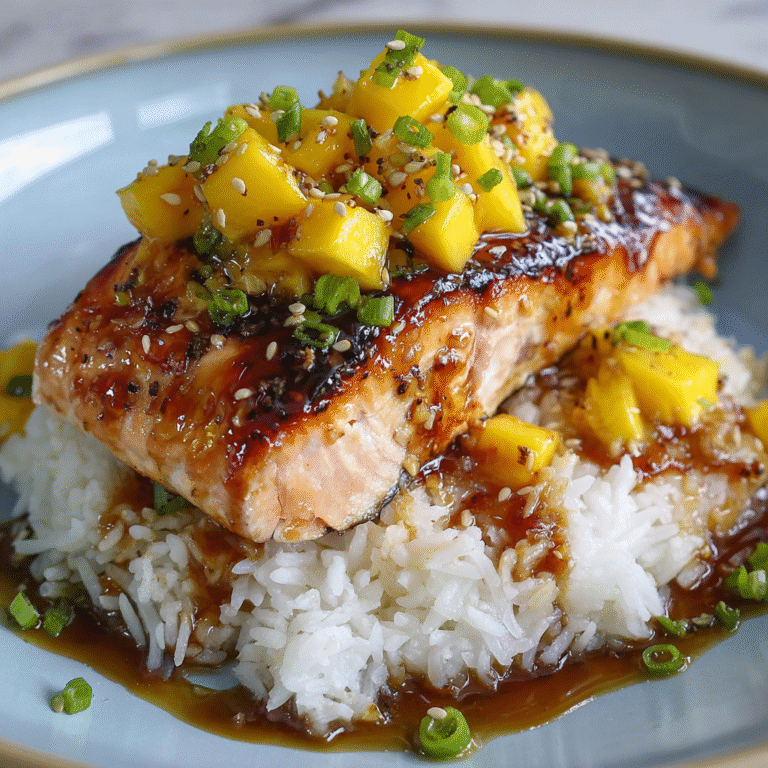
- Protein Swap: This glaze works wonders on salmon (pan-seared or baked), thin strips of beef sirloin, or crispy tofu cubes for a vegetarian option. Shrimp is also a fantastic quick-cooking alternative.
- Grain Alternatives: If you are watching your carbs, swap the white rice for brown rice, quinoa, or even cauliflower rice. The strong flavor of the sauce masks the earthiness of whole grains well.
- Spice it Up: Add a tablespoon of Sriracha or a pinch of red pepper flakes to the sauce while it simmers for a “Spicy Teriyaki” version.
- Add More Veggies: Sautéed snap peas, edamame beans, red bell peppers, or bok choy are all traditional and delicious additions to this bowl.
- Pickled Elements: Adding a side of kimchi or pickled radish (danmuji) adds a fermented tang that cuts through the sweetness of the teriyaki.
Serving Suggestions
To turn this bowl into a full Japanese-inspired feast, consider adding a few sides:
Miso Soup: A small bowl of warm miso soup with tofu and seaweed is the traditional starter for a rice meal. It prepares the palate and aids digestion.
Gyoza: Pan-fried dumplings (pork or vegetable) make for a delightful crunchy side dish.
Green Tea: Serve with a cup of hot Sencha or Genmaicha green tea to cleanse the palate between bites.
Cultural Context: The Evolution of Teriyaki
The word “Teriyaki” comes from two Japanese words: teri (shine) and yaki (grilled/broiled). Historically, it refers to a cooking method rather than just a sauce. In Japan, teriyaki dishes are often much simpler, with a thinner sauce that glazes the fish (usually yellowtail or mackerel) or meat.
The thick, sweet, garlicky sauce that we know and love in the West (often synonymous with “Seattle-style” teriyaki) is largely an invention of Japanese immigrants in North America. They adapted the traditional tare (glaze) to suit local tastes by adding more sugar, garlic, and ginger, and using it abundantly on chicken and beef. This “rice bowl” style is a staple of lunch counters and casual dining, beloved for its comforting, hearty nature.
Storage and Meal Prep
Meal Prep: This recipe is a meal prepper’s dream. You can make four bowls at once on a Sunday. Store the rice, chicken, and cooked broccoli in containers. Keep the fresh cucumber and carrots in separate small bags or a divided section of the container so they don’t get warm and soggy when you reheat the rest.
Reheating: Microwave the rice, chicken, and broccoli for 2-3 minutes until hot. Then add your cold fresh veggies on top. If the sauce has been absorbed by the rice, a splash of water or soy sauce before heating helps bring the moisture back.
Freezing: The cooked chicken and sauce freeze perfectly for up to 3 months. Rice can also be frozen, though it is best frozen in individual portions. Do not freeze the cucumber or raw carrots.
Better Than Takeout Teriyaki Chicken Rice Bowl
Ingredients
Equipment
Method
- Cook rice according to package instructions. Steam broccoli florets until tender-crisp.
- In a saucepan, whisk soy sauce, sugar, mirin, ginger, garlic, and water. Simmer 2-3 mins.
- Add cornstarch slurry to sauce and whisk until thickened and glossy. Remove from heat.
- Sear chicken strips in oil in a hot skillet for 6-8 minutes until cooked through.
- Pour sauce over chicken and toss to coat completely. Stir in sesame oil.
- Assemble bowls: Rice base, glazed chicken, steamed broccoli, fresh carrots, and cucumber.
- Garnish with green onions and sesame seeds. Serve hot.