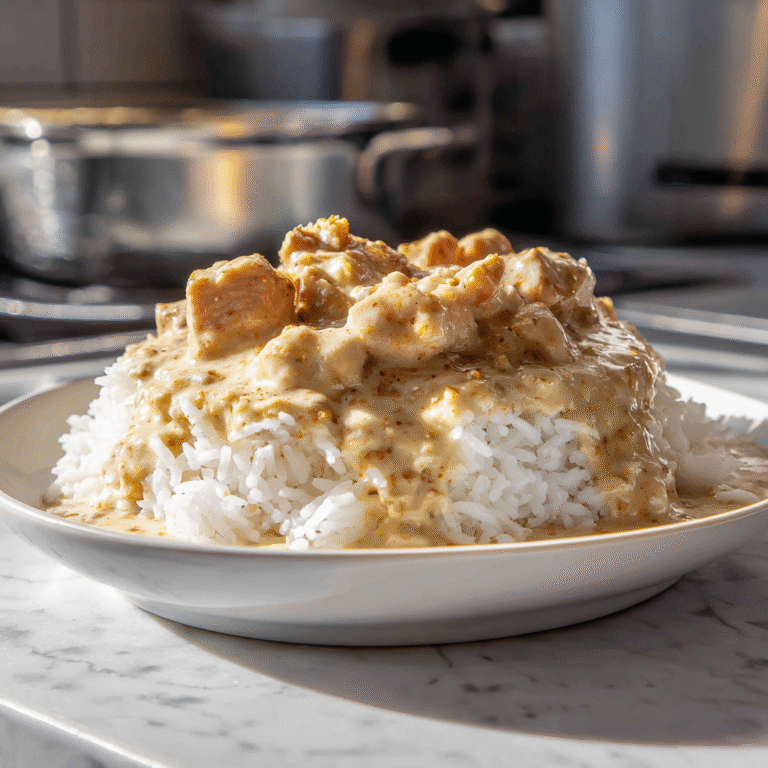
Authentic Jamaican Curry Chicken
A Taste of the Islands: Authentic Jamaican Curry Chicken
If there is one dish that defines the heart and soul of a Jamaican kitchen—aside from perhaps jerk chicken—it is Authentic Jamaican Curry Chicken. This isn’t just a curry; it is a ritual. It is the smell of Sunday dinner, the comfort of a rainy day, and the bold, unapologetic flavor of the Caribbean all wrapped into one pot. Unlike Indian curries which often rely on yogurt, cream, or tomatoes for their base, Jamaican curry is defined by its deep, savory turmeric-heavy spice blend, fresh aromatics like thyme and scallions, and the distinctive heat of the Scotch Bonnet pepper.
The magic of this dish lies in the technique known as “burning the curry.” This doesn’t mean scorching it to a crisp, but rather blooming the spices in hot oil until they darken and release their essential oils. This step transforms the raw, powdery taste of the spices into a nutty, complex foundation that permeates the meat and vegetables. In this comprehensive guide, we are going to explore how to master this technique, select the right ingredients (yes, the brand of curry powder matters!), and achieve that perfect, lick-your-fingers gravy consistency.
Why This Recipe is “Authentic”
Authenticity in Jamaican cooking comes down to respect for the ingredients. This recipe doesn’t cut corners. We use bone-in chicken because the bones release gelatin and flavor into the sauce, creating a natural thickness that boneless breast meat simply cannot replicate. We also include the “food”—chunks of potato and carrot—that soak up the curry sauce and turn into tender, flavor-packed bites. Whether you are a Jamaican expat missing a taste of home or a curious cook wanting to expand your palate, this recipe delivers the real deal.
Ingredients
To make a curry that tastes like it came from a shop in Kingston, you need the right building blocks.
Authentic Jamaican Curry Chicken
Ingredients
Equipment
Method
- Wash chicken with vinegar and water, then pat dry.
- Season chicken with salt, pepper, garlic, ginger, scallions, and 2 tbsp curry powder. Marinate for at least 1 hour.
- Heat oil in a large pot over medium-high heat. Add the remaining 2 tbsp curry powder and fry (burn) for 1-2 minutes until fragrant and golden.
- Add chicken pieces and brown on all sides to seal in juices.
- Add chopped onions and stir. Pour in water to just cover the meat.
- Add thyme, pimento berries, and the whole Scotch Bonnet pepper. Bring to a boil.
- Reduce heat, cover, and simmer for 25 minutes.
- Add potatoes and carrots. Simmer for another 20 minutes until veggies are tender and sauce has thickened.
- Remove thyme stems and Scotch Bonnet pepper before serving.
Notes
The Meat and Produce
- Chicken – You need about 3-4 lbs of chicken. A mix of thighs and drumsticks is best. Keep the bones in and the skin on (or remove skin if you prefer less oil), and chop the pieces into smaller, manageable chunks.
- Potatoes – Yukon Gold or red potatoes hold their shape well while absorbing the sauce.
- Carrots – Sliced into thick rounds or chunks to add sweetness and texture.
- Onion & Garlic – The aromatic base of any good stew.
- Ginger – Freshly grated ginger adds a bright, spicy kick that cuts through the richness.
- Scallions (Green Onions) – You will use both the white and green parts.
The Spices and Herbs
- Jamaican Curry Powder – Brands like Betapac or Blue Mountain are the gold standard. They have a higher ratio of turmeric and allspice compared to Madras or generic grocery store curry powders.
- Scotch Bonnet Pepper – The source of the signature heat and fruity flavor. If you can’t find one, a Habanero is a decent substitute, though slightly less fragrant.
- Fresh Thyme – Essential. Dried thyme works in a pinch, but fresh sprigs are traditional.
- Pimento Berries (Allspice) – Whole berries are often tossed into the pot to release a warm, woody aroma.
- Salt and Black Pepper – To taste.
Instructions
Patience is key here. Curry chicken is a slow-simmered dish, not a 15-minute stir-fry.
Step 1: Clean and Season the Chicken
1. Wash the chicken with vinegar and water (a standard Caribbean practice). Pat it dry.
2. In a large bowl, combine the chicken with the minced garlic, ginger, chopped scallions, onions, salt, black pepper, and about 2 tablespoons of the curry powder.
3. Rub the seasoning deep into the meat. Let it marinate in the fridge for at least 1 hour, or overnight for the best flavor.
Step 2: “Burn” the Curry
4. Heat about 3 tablespoons of cooking oil in a Dutch oven or heavy-bottomed pot over medium-high heat.
5. Add another 2 tablespoons of curry powder directly to the hot oil.
6. Stir constantly for about 1-2 minutes. The curry will darken from bright yellow to a golden-brown mustard color and become incredibly fragrant. Be careful not to let it turn black/burnt.
Step 3: Brown the Chicken
7. Add the seasoned chicken pieces to the pot. Do not crowd the pot too much; work in batches if necessary.
8. Sear the chicken, turning often, until it is coated in the fried curry oil and browned on all sides. This seals in the juices and starts the flavor building.
Step 4: Simmer Down
9. Add enough water to just cover the chicken (about 2-3 cups).
10. Toss in the fresh thyme sprigs, pimento berries, and the whole Scotch Bonnet pepper. Important: Keep the pepper whole if you want the flavor without searing heat. If you want it spicy, slice it open.
11. Bring to a boil, then reduce heat to low, cover, and simmer for 25 minutes.

Step 5: Add the Veggies
12. Stir in the chopped potatoes and carrots.
13. Continue to simmer, covered, for another 15-20 minutes, or until the vegetables are tender and the chicken is falling off the bone.
14. If the sauce is too thin, remove the lid for the last 10 minutes to let it reduce and thicken.
Step 6: Final Seasoning
15. Taste the gravy. Add more salt or pepper if needed.
16. Remove the thyme stems and the Scotch Bonnet pepper (carefully!) before serving.
Tips for the Best Curry
Handle the Pepper with Care: If the Scotch Bonnet bursts in the pot, the dish will become significantly spicier. If you are sensitive to spice, check the pepper for cracks before adding it, and treat it like a delicate egg.
The Gravy Consistency: Jamaican curry gravy should be thick and glossy, not watery. The starch from the potatoes helps with this. If you find your sauce is still too thin at the end, mash one or two pieces of potato against the side of the pot and stir them in.
Chopping the Chicken: Traditionally, the chicken is chopped through the bone into small pieces using a cleaver. This releases bone marrow into the stew, enriching the flavor. If you buy standard drumsticks, you can leave them whole, but chopping them gives a more authentic experience.
Variations
Curry Goat Style:
You can use this same base recipe for goat meat. However, goat takes much longer to cook (2-3 hours) to become tender, so you will need to add more water periodically.
Coconut Curry:
While not strictly traditional for the everyday “brown stew” style curry, adding half a cup of coconut milk near the end creates a creamier, richer sauce that is absolutely delicious.
Chickpea Curry (Vegetarian):
Swap the chicken for two cans of chickpeas and add extra potatoes and pumpkin for a hearty vegan version.
Serving Suggestions
Authentic Jamaican Curry Chicken is almost always served with:
- White Rice: The plain canvas that soaks up the complex gravy.
- Rice and Peas: Rice cooked with kidney beans and coconut milk for a fuller meal.
- Fried Plantains: The sweet, caramelized plantains provide the perfect contrast to the savory, spicy curry.
- Steamed Cabbage: A simple side of cabbage and carrots adds a fresh crunch.
Storage and Reheating
Storage: This dish tastes even better the next day as the flavors have more time to meld. Store leftovers in an airtight container in the fridge for up to 4 days.
Freezing: Curry chicken freezes beautifully. Place in a freezer-safe container for up to 3 months. Thaw overnight in the fridge before reheating.
Reheating: Reheat on the stovetop over medium heat. You may need to add a splash of water as the gravy tends to thicken into a gel when cold.
The Cultural Context
Curry was introduced to Jamaica in the 17th century by indentured servants from East India brought over by the British. Over centuries, the recipe evolved, adapting to local ingredients like allspice (pimento) and scotch bonnets. Today, it is distinct from its Indian ancestor—brighter in color due to more turmeric, and heavier on fresh herbs rather than dried spice blends like garam masala. It stands as a testament to the island’s motto: “Out of Many, One People.”
So grab your Dutch oven, put on some reggae, and let the aroma of turmeric and thyme fill your home. This Authentic Jamaican Curry Chicken is a meal that feeds the soul.