Brown Sugar Chai Soaked Cinnamon Rolls
Brown Sugar Chai Soaked Cinnamon Rolls: A Cozy, Decadent Baking Masterpiece
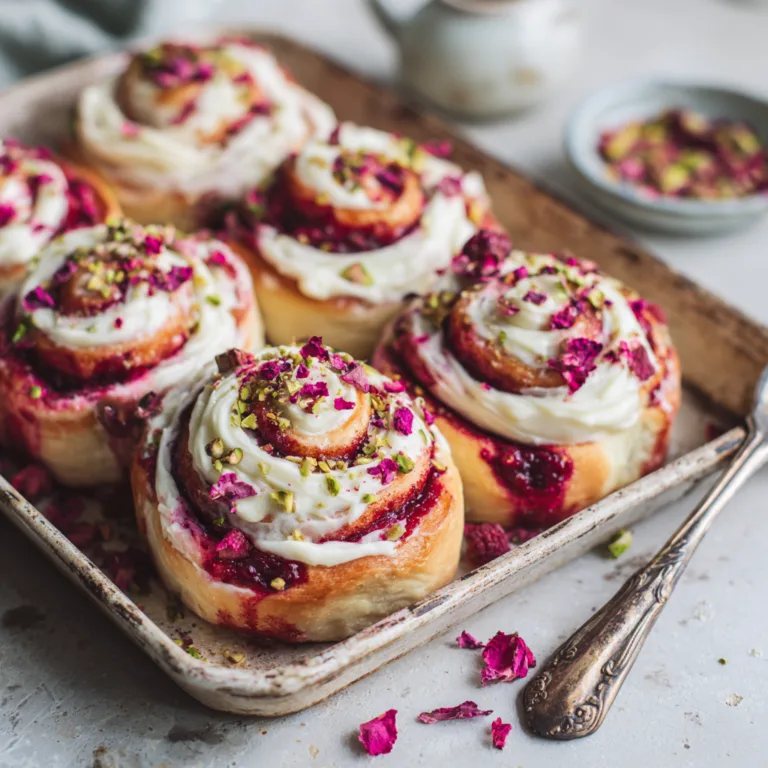
There are few culinary experiences quite as universally beloved as pulling a pan of freshly baked, steaming hot cinnamon rolls from the oven. The intoxicating aroma of toasted spices, melting butter, and sweet yeast dough has the unparalleled ability to turn any standard morning into a cherished memory. But what if we took that nostalgic, comforting classic and elevated it to an entirely new stratosphere of flavor and texture? Enter the Brown Sugar Chai Soaked Cinnamon Rolls with spiced cream cheese frosting. This isn’t just a pastry; it is an absolute revelation in home baking. By infusing the dough, the filling, and the frosting with the complex, warming spices of traditional masala chai, and employing a brilliant “soaking” technique before baking, these rolls achieve a level of gooey, melt-in-your-mouth perfection that rivals the finest artisan bakeries in the world.
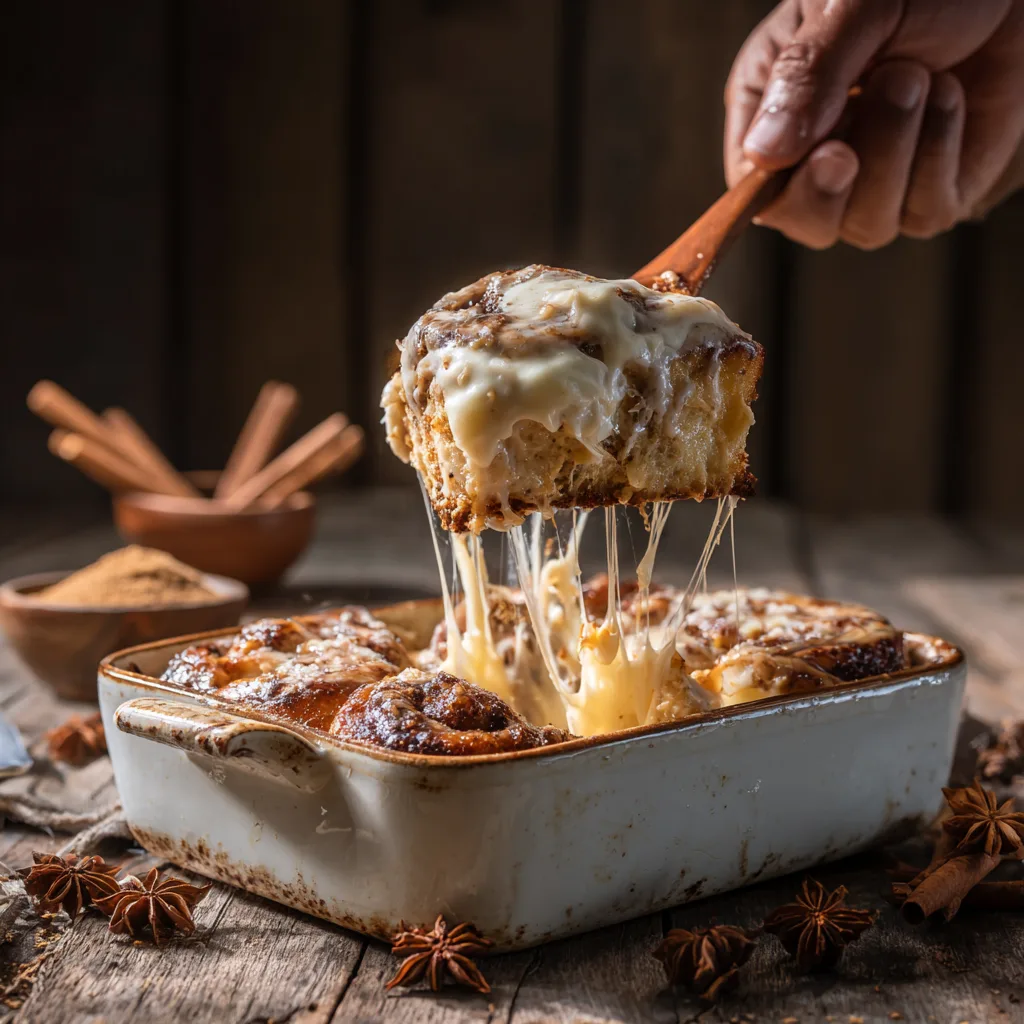
If you have ever been disappointed by a cinnamon roll that looked magnificent on the outside but turned out to be dry, bready, or lacking in flavor on the inside, this recipe is your ultimate remedy. The secret lies in a magical, viral baking technique: the heavy cream soak. Right before these gorgeous, swirled buns head into the oven, they are drenched in a rich, velvety mixture of heavy cream, dark brown sugar, and chai spices. As the rolls bake, this liquid gold simmers and reduces at the bottom of the pan, creating a sticky, caramel-like syrup that seeps up through the layers of the dough. The result is a cinnamon roll with impossibly tender, pudding-like centers and caramelized, sticky bottoms, all crowned with a generous swoop of tangy cream cheese frosting that perfectly balances the sweetness.
Why You Will Be Obsessed With This Recipe
It is easy to make bold claims about baked goods, but these Brown Sugar Chai Soaked Cinnamon Rolls genuinely deliver on every front. Here is why this recipe will quickly become a permanent fixture in your holiday baking rotations and weekend brunch menus:
Unparalleled Texture: The combination of a highly enriched dough (featuring butter, whole milk, and eggs) and the heavy cream soaking method guarantees a crumb that is soft, fluffy, and incredibly moist. The days of tough, dry edges are officially over. The cream adds fat and moisture that steam the rolls from the bottom up while they bake, resulting in a delightfully squishy texture that stays fresh for days.
A Symphony of Spices: Standard cinnamon rolls rely on one note: cinnamon. While delicious, it can sometimes lack depth. By incorporating a homemade chai spice blend—featuring cardamom, ginger, cloves, nutmeg, allspice, and a tiny pinch of black pepper—you introduce a sophisticated, warming complexity. The spices hit your palate in waves, starting with the familiar warmth of cinnamon, followed by the floral notes of cardamom, and finishing with the subtle, fiery kick of ginger and black pepper.
The Perfect Sweet-to-Tangy Ratio: An overly sweet cinnamon roll can be exhausting to eat. This recipe combats flavor fatigue by using deep, molasses-rich dark brown sugar in the filling and soak, rather than just standard granulated sugar. Furthermore, the cream cheese frosting is intentionally designed to be thick and tangy, utilizing less powdered sugar than standard recipes to ensure the sharp, creamy flavor of the cheese cuts through the rich, syrupy rolls perfectly.
The Science of the “Soak”: Why Heavy Cream Changes Everything
You might be wondering why pouring cold liquid over perfectly risen dough right before baking doesn’t just result in a soggy, collapsed mess. The science behind the “soaking” method is actually quite brilliant and relies on the interaction between fat, heat, and starch.
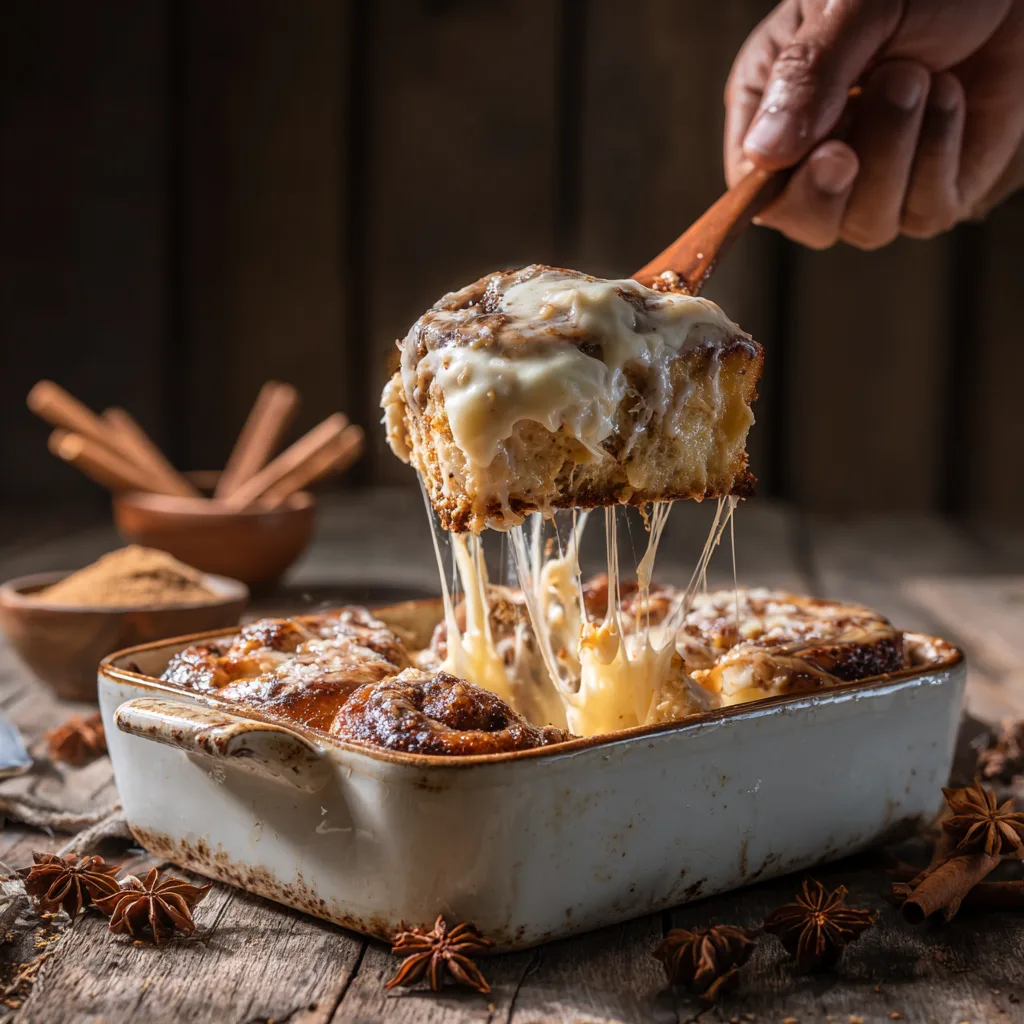
When you pour the heavy cream and brown sugar mixture over the rolls, it pools at the bottom of the baking dish. As the dish enters the hot oven, the liquid begins to heat up and bubble. The water content in the heavy cream turns to steam, which gently cooks the sides of the rolls, keeping them incredibly soft and preventing the exterior crust from setting too quickly or drying out. Meanwhile, the fat content (heavy cream is typically 36% fat) enriches the bottom of the dough.
Simultaneously, the dark brown sugar in the soak melts and combines with the fat from the cream and the melting butter from the cinnamon roll filling. This creates a spontaneous caramel sauce right in the pan. By the time the rolls are finished baking, the liquid has mostly absorbed into the dough or reduced into a thick, sticky glaze that coats the bottom of every single bite. It transforms the bottom of the roll—often the most neglected part—into the undisputed star of the show.
Building Your Chai Spice Blend
While you can certainly purchase a pre-made chai spice blend at specialty grocery stores, making your own at home is incredibly simple, vastly more flavorful, and allows you to customize the ratios to suit your exact preferences. Here is the breakdown of the ultimate chai spice profile used in this recipe:
- Cinnamon: The foundation. It provides the sweet, woody warmth that we associate with classic baked goods. Use a high-quality Ceylon or Saigon cinnamon if possible.
- Cardamom: The soul of chai. Ground cardamom has a complex, slightly floral, and citrusy flavor. It is potent, so a little goes a long way, but it is absolutely essential for authentic chai flavor.
- Ginger: Adds a bright, zesty, and slightly sharp heat that cuts through the richness of the butter and cream.
- Cloves & Allspice: These intensely aromatic spices provide deep, earthy undertones. They are very strong, so they are used in moderation.
- Nutmeg: Brings a nutty, slightly sweet warmth. Freshly grated nutmeg is vastly superior to pre-ground if you have it available.
- Black Pepper: The secret ingredient! A tiny pinch of finely ground black pepper provides a subtle, lingering heat at the back of the throat that perfectly mimics a hot cup of brewed masala chai. Don’t skip it!
Essential Ingredients for Success
To achieve bakery-level results, it is crucial to use the right ingredients. Here is a deeper look at what you will need:
- Bread Flour: While you can use all-purpose flour in a pinch, bread flour is highly recommended. It has a higher protein content, which develops more gluten. This gives the dough the necessary structure to hold up all that heavy filling and soaking liquid without becoming mushy, while still yielding a gorgeously chewy, fluffy texture.
- Active Dry or Instant Yeast: The leavening agent that makes our rolls rise. Ensure your yeast is fresh and not expired. If using active dry yeast, make sure your milk is warm (about 110°F) to properly activate it.
- Whole Milk: The fat in whole milk tenderizes the dough. Avoid skim or 1% milk, as they lack the necessary fat content for a truly rich dough.
- Unsalted Butter: Used in the dough, the filling, and the frosting. Using unsalted butter allows you to perfectly control the sodium level in your baking. It must be at room temperature for the filling to spread flawlessly.
- Dark Brown Sugar: While light brown sugar works, dark brown sugar contains more molasses. This yields a deeper, more complex caramel flavor and a darker, more beautiful swirl inside the rolls.
- Heavy Whipping Cream: The star of the soaking liquid. Do not substitute this with milk or half-and-half; you need the high fat content of heavy cream to prevent the soak from making the dough watery.
- Full-Fat Cream Cheese: Always use brick-style, full-fat cream cheese for frosting. The spreadable kind in tubs contains higher water content and stabilizers that will make your frosting runny.
Step-by-Step Instructions for Perfect Rolls
Baking yeast dough requires patience and love. Follow these steps, and you will be rewarded with the best cinnamon rolls of your life.
Brown Sugar Chai Soaked Cinnamon Rolls
Ingredients
Equipment
Method
- Mix the Chai Spice Blend: In a small bowl, whisk together the cinnamon, cardamom, ginger, nutmeg, cloves, and black pepper. Set aside.
- Activate Yeast: In the bowl of a stand mixer, combine the warm milk (110°F), yeast, and 1 tablespoon of granulated sugar. Let sit for 5-10 minutes until foamy.
- Make the Dough: Add the remaining sugar, melted butter, eggs, salt, and 1 teaspoon of the chai spice blend. Whisk to combine. Attach the dough hook, add the bread flour, and knead on medium speed for 5-8 minutes until smooth and elastic.
- First Rise: Form dough into a ball, place in a greased bowl, cover tightly, and let rise in a warm place for 1 to 1.5 hours until doubled in size.
- Prepare Filling: In a medium bowl, mash the soft butter, dark brown sugar, and 1 tablespoon of the chai spice blend together until it forms a thick paste.
- Roll and Fill: Punch down the dough and turn it out onto a floured surface. Roll into a 12×18 inch rectangle. Spread the filling paste evenly over the dough, leaving a small border on one long edge.
- Cut the Rolls: Roll the dough tightly into a log starting from the filled long edge. Use unscented dental floss to cut the log into 12 equal slices.
- Second Rise: Place the rolls into a greased 9×13 inch baking dish. Cover and let rise for 30-45 minutes until puffed and touching.
- The Soak: Preheat oven to 350°F (175°C). Whisk together the heavy cream, 2 tablespoons dark brown sugar, and 1/2 teaspoon chai spice. Pour this mixture evenly over the risen rolls right before baking.
- Bake: Bake for 25-30 minutes until deeply golden brown and cooked through in the center.
- Make Frosting: While rolls bake, beat the softened cream cheese and butter until smooth. Add powdered sugar and vanilla, and beat on high until light and fluffy.
- Frost and Serve: Let the baked rolls cool in the pan for 10 minutes, then generously spread the frosting over the warm rolls. Serve immediately.
Notes
- Activate the Yeast: In the bowl of a stand mixer, combine the warm whole milk (aim for exactly 110°F—too hot will kill the yeast, too cold will delay the rise), a tablespoon of sugar, and the yeast. Give it a gentle stir and let it sit for 5-10 minutes until a foamy layer develops on top. This proves your yeast is alive and ready to work.
- Mix the Dough: Add the melted butter, eggs, remaining sugar, salt, and the chai spice blend to the yeast mixture. Whisk to combine. Attach the dough hook to your mixer and gradually add the bread flour, one cup at a time, mixing on low speed until a shaggy dough forms.
- Knead to Perfection: Increase the mixer speed to medium and knead for 5 to 8 minutes. You are looking for the dough to become smooth, elastic, and slightly tacky, but it should pull away completely from the sides of the bowl. If it is too sticky, add a tablespoon of flour at a time until the texture is right.
- The First Rise (Bulk Fermentation): Form the dough into a smooth ball. Grease a large bowl lightly with oil, place the dough inside, and turn it once to coat the top. Cover the bowl tightly with plastic wrap or a damp kitchen towel. Let it rise in a warm, draft-free spot for 1 to 1.5 hours, or until it has exactly doubled in size.
- Prepare the Filling: While the dough rises, make the filling. In a medium bowl, combine the very soft (but not melted) butter, dark brown sugar, and your homemade chai spice blend. Mash it together with a fork until it forms a thick, homogenous paste. This paste is much easier to spread than sprinkling dry sugar over melted butter, and it ensures the filling stays inside the roll rather than leaking out.
- Roll and Fill: Once the dough has doubled, punch it down gently to release the air. Turn it out onto a lightly floured surface. Use a rolling pin to roll the dough into a large rectangle, roughly 12×18 inches. Take your time to make the thickness as even as possible. Using an offset spatula, spread the chai brown sugar paste evenly all the way to the edges, leaving just a tiny border on one of the long sides.
- Roll, Cut, and Shape: Starting from the long side with the filling all the way to the edge, roll the dough up tightly into a log. To cut the rolls without squishing them, use the dental floss trick: slide a piece of unscented dental floss under the log, cross the ends over the top, and pull tight to cleanly slice through the dough. Cut the log into 12 equal slices.
- The Second Rise (Proofing): Place the cut rolls into a greased 9×13 inch baking dish. They will have some space between them, which is exactly what you want. Cover the dish with a towel and let them rise again for 30 to 45 minutes, until they have puffed up and are touching each other.
- The Magic Soak: Preheat your oven to 350°F (175°C). While the oven heats, whisk together the heavy cream, a touch of brown sugar, and a dash of chai spice in a small bowl or measuring cup. Right before the rolls go into the oven, pour this mixture evenly over the top and into the crevices between the rolls.
- Bake to Golden Perfection: Bake the rolls for 25 to 30 minutes. You want the tops to be a deep golden brown, and the center rolls should be fully cooked. If the tops are browning too quickly, you can tent a piece of aluminum foil over the dish for the last 10 minutes of baking.
- Whip the Frosting: While the rolls are baking, make the cream cheese frosting. Using a hand mixer or stand mixer, beat the softened cream cheese and softened butter together on high speed until completely smooth and pale. Add the powdered sugar, vanilla extract, and a pinch of salt. Beat on low until incorporated, then increase to high and whip for 2-3 minutes until incredibly light and fluffy.
- Frost and Serve: Remove the baked rolls from the oven. Let them cool in the pan for about 10 minutes. While they are still warm (but not scalding hot), spread the luscious cream cheese frosting generously over the top. The residual heat will cause the frosting to melt slightly into all the swirls. Serve immediately and enjoy the magic.
Pro Tips for the Fluffiest Rolls Every Time
Baking is a science, and small details make a massive difference. Here are the professional secrets to ensuring your rolls turn out perfectly:
- Measure Flour by Weight: Using a kitchen scale is the single best thing you can do for your baking. Measuring flour by volume (with cups) is notoriously inaccurate. If you accidentally pack too much flour into your cup, your dough will be tough and dry. If you must use cups, use the “spoon and level” method.
- The Windowpane Test: How do you know when your dough is kneaded enough? Tear off a small piece of dough and gently stretch it between your fingers. If you can stretch it thin enough to see light through it without it tearing, your gluten is perfectly developed. If it tears easily, keep kneading.
- Room Temperature Ingredients: Your eggs, butter, and cream cheese MUST be at room temperature. Cold eggs will shock the warm yeast mixture, and cold cream cheese will result in lumpy, unappealing frosting.
- Don’t Rush the Rise: The rising times are just guidelines; your actual time depends heavily on the temperature of your kitchen. Let the visual cues be your guide. The dough must double in size during the first rise, and the rolls must be puffy and touching before they bake.
Make-Ahead and Freezing Instructions
Fresh cinnamon rolls are the ultimate holiday breakfast, but nobody wants to wake up at 4:00 AM to start kneading dough. Thankfully, this recipe is incredibly make-ahead friendly.
Overnight Instructions: Follow the recipe through step 8 (cutting the rolls and placing them in the pan). Instead of letting them rise for the second time on the counter, tightly wrap the baking dish in plastic wrap and place it in the refrigerator overnight (up to 14 hours). The cold temperature will slow down the yeast, allowing a slow, flavorful fermentation. The next morning, remove the dish from the fridge and let it sit on the counter for 1 to 2 hours until the rolls have puffed up and reached room temperature. Then, pour over the heavy cream soak and bake as directed.
Freezing Unbaked Rolls: You can freeze the rolls after cutting them. Place the unbaked rolls in a freezer-safe pan, cover tightly with plastic wrap and foil, and freeze for up to 2 months. To bake, let them thaw and rise in the refrigerator overnight, then complete the second rise on the counter before soaking and baking.
Freezing Baked Rolls: Baked and frosted rolls freeze beautifully. Wrap individual leftover rolls tightly in plastic wrap and store in a freezer bag. Microwave a frozen roll for 45-60 seconds, and it will taste like it just came out of the oven.
Frequently Asked Questions
Can I use a pre-made chai concentrate instead of dry spices?
It is not recommended for the dough or the filling, as the added liquid will drastically alter the texture and require you to add more flour, throwing off the ratios. However, you can add a tablespoon or two of a very strong, thick chai concentrate to the heavy cream soak or the frosting for an extra punch of flavor.
Why did my filling leak out into the pan?
This usually happens if your butter was fully melted when you mixed the filling, or if you didn’t roll the dough tightly enough. Making a paste with room-temperature butter and the sugar/spices is the best way to keep the filling inside the roll where it belongs.
Can I make these dairy-free?
Yes, you can substitute the milk with a high-fat oat milk or almond milk, use a high-quality vegan butter block for the dough and filling, and use a vegan heavy cream alternative (like Silk heavy cream) for the soak. Top with a vegan cream cheese frosting. The texture will be slightly different, but still absolutely delicious.
These Brown Sugar Chai Soaked Cinnamon Rolls are more than just a pastry; they are a cozy, aromatic experience meant to be shared. The brilliant combination of the viral soaking method and the complex, warming spices of chai guarantees a baking triumph that your family and friends will talk about long after the last sticky, frosted crumb is gone. Happy baking!