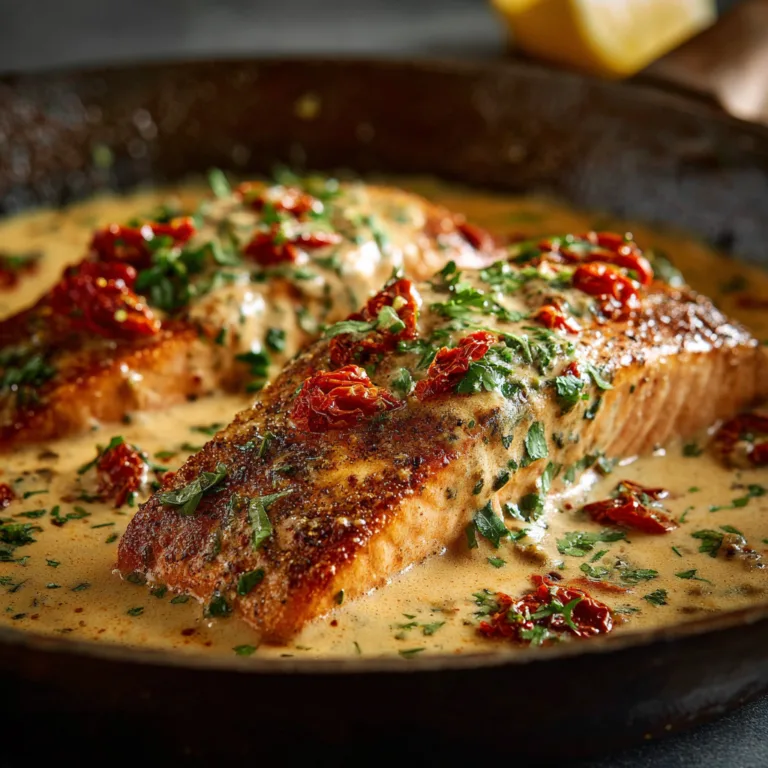
Caramelized Onion Pasta with Chilli Oil
Caramelized Onion Pasta with Chilli Oil: A Glossy, Spicy Masterpiece
There are certain recipes that bridge the gap between “I have nothing to eat” and “I am a gourmet chef,” and this Caramelized Onion Pasta with Chilli Oil is the reigning champion of that category. Imagine the deep, savory sweetness of onions slowly cooked down to a golden jam, married with the fiery kick of chili oil and the rich umami of parmesan cheese. It is a dish that hits every single taste bud: sweet, salty, spicy, and savory.
This isn’t just another pasta dish; it’s a texture experience. The way the jammy onions cling to the starch-thickened sauce creates a coating that looks like liquid glass. It’s glossy, it’s indulgent, and surprisingly, it uses ingredients you likely already have in your pantry. Whether you are cooking for a date night or just need a comforting bowl of carbs after a long day, this recipe delivers maximum flavor with minimal fuss.
Why This Recipe Works
The magic of this dish lies in the chemistry of caramelization and emulsification. By taking the time to slowly cook the onions, we transform their natural sugars into a complex, savory flavor bomb. When this is combined with starchy pasta water and fat (butter and oil), it creates a creamy, glossy emulsion that coats the noodles without the need for heavy cream.
- Budget-Friendly: The main stars are onions and pasta—two of the most affordable ingredients in the grocery store.
- Flavor Complexity: The contrast between the sweet onions and the spicy chili oil is addictive.
- Texture Heaven: The slick, oily sauce combined with the bite of al dente pasta is pure comfort.
- Customizable: It serves as a perfect base for added proteins like shrimp, grilled chicken, or crispy tofu.
Ingredients You Will Need
To achieve that restaurant-quality glossy finish, you need the right balance of fats and starches. Here is what you will need:
Caramelized Onion Pasta with Chilli Oil
Ingredients
Equipment
Method
- Heat olive oil and 1 tablespoon of butter in a large skillet over medium heat.
- Add sliced onions and a pinch of salt. Cook slowly, stirring often, until deep golden brown and caramelized (about 20-25 minutes). Reduce heat if they brown too quickly.
- While onions cook, boil pasta in salted water until al dente. Reserve 1 cup of pasta water before draining.
- To the caramelized onions, add minced garlic and chili flakes. Cook for 1 minute until fragrant.
- Stir in soy sauce and the remaining tablespoon of butter.
- Add the drained pasta directly to the skillet along with 1/2 cup of reserved pasta water.
- Toss vigorously with tongs to emulsify the sauce. Remove from heat and stir in Parmesan cheese.
- Add more pasta water if needed to reach a glossy consistency. Garnish with parsley and sesame seeds before serving.
Notes
The Core Components
- Pasta: Long noodles work best here. Spaghetti, bucatini, or linguine are ideal because they allow the sauce to coat the strands evenly.
- Onions: You need a lot of them. They shrink significantly when caramelized. Yellow onions or sweet Vidalia onions are the best choice.
- Fat (Butter & Olive Oil): A mix of olive oil (for the heat) and butter (for the flavor and glossy finish) is essential.
- Garlic: Freshly minced garlic adds a punch that cuts through the sweetness of the onions.
The Flavor Boosters
- Chili Flakes or Chili Oil: This provides the heat. You can use standard red pepper flakes, or for a deeper flavor, use a jarred chili crisp or chili oil.
- Soy Sauce or Fish Sauce: A splash adds a depth of umami that salt alone cannot achieve.
- Parmesan Cheese: Freshly grated is non-negotiable. The pre-shredded stuff has anti-caking agents that will ruin your glossy sauce.
- Acidity: A squeeze of lemon juice or a dash of balsamic vinegar at the end brightens the entire dish.
- Garnish: Fresh parsley, cilantro, or green onions, and toasted sesame seeds for crunch.
Step-by-Step Instructions
Follow these steps to ensure your onions are jammy and your sauce is perfectly emulsified.
1. Caramelize the Onions
Slice your onions thinly (but not paper-thin, or they might burn). Heat the olive oil and half the butter in a large skillet over medium heat. Add the onions and a pinch of salt. Cook them slowly, stirring occasionally. This process requires patience—it will take about 20-25 minutes for them to turn a deep, golden brown. If they start to brown too fast, lower the heat and add a splash of water.
2. Boil the Pasta
While the onions are cooking, bring a large pot of salted water to a boil. Add your pasta and cook until it is al dente (usually 1-2 minutes less than the package instructions). Crucial Step: Reserve at least 1 cup of the starchy pasta water before draining.
3. Build the Flavor Base
Once the onions are caramelized, add the minced garlic and chili flakes to the pan. Cook for 1 minute until fragrant. Be careful not to burn the garlic. Add the soy sauce (or fish sauce) and stir to combine.
4. Emulsify the Sauce
Add the remaining butter to the pan with the onions. Once melted, toss in the cooked pasta. Pour in about 1/2 cup of the reserved pasta water. Using tongs, vigorously toss the pasta with the onions and liquid. The agitation helps the starch and fat combine into a creamy sauce.
5. The Final Gloss
Remove the pan from the heat. Gradually sprinkle in the grated Parmesan cheese while continuing to toss the pasta. If the sauce looks too thick or dry, add more pasta water a tablespoon at a time until every strand is coated in a glossy, wet sheen.

6. Garnish and Serve
Taste and adjust for salt and chili. Plating is important: twist the pasta onto the plate to create height. Top with extra chili oil, sesame seeds, and fresh herbs. Serve immediately while it is steaming hot.
Expert Tips for the Perfect Gloss
Don’t Rush the Onions: High heat will scorch the onions, giving them a bitter taste. Medium-low heat is the secret to releasing their natural sugars.
The Pasta Water is Liquid Gold: Never drain your pasta in the sink without saving a cup of water first. This starchy water is the glue that binds the oil and water together. Without it, you will have a greasy mess instead of a sauce.
Cold Butter Finish: adding cold butter at the very end of cooking (a technique called monter au beurre) helps create an incredibly shiny, velvety sauce.
Variations to Try
- Add Protein: Pan-seared scallops or crispy bacon bits pair wonderfully with the sweet onions.
- Make it Vegan: Substitute the butter for a high-quality vegan butter and swap the Parmesan for nutritional yeast or a cashew-based parmesan.
- Asian Fusion Twist: Add a tablespoon of oyster sauce and swap the parsley for cilantro and crushed peanuts.
- Anchovy Kick: Melt 2-3 anchovy fillets into the oil with the onions for an intense savory depth that nobody will be able to identify but everyone will love.
Nutritional Note
While this dish is indulgent, onions are packed with antioxidants and vitamin C. The chili peppers contain capsaicin, which can boost metabolism. To make it healthier, you can use whole wheat pasta, though the texture will be slightly nuttier and less slippery.
Frequently Asked Questions
Can I make this gluten-free?
Absolutely. Use your favorite gluten-free spaghetti. Just be aware that GF pasta releases more starch, so the sauce might thicken faster—use extra pasta water to compensate.
How do I store leftovers?
Store in an airtight container in the fridge for up to 3 days. To reheat, add a splash of water and microwave or heat on the stove to loosen the sauce again.
Is this dish very spicy?
It depends on your chili oil. You can control the heat completely. If cooking for kids, you can omit the chili flakes entirely and just serve them on the side for adults.
Conclusion
The Caramelized Onion Pasta with Chilli Oil is a testament to the power of simple ingredients treated with care. It transforms the humble onion into a star ingredient, creating a dish that feels luxurious and comforting all at once. It’s the perfect recipe to have in your back pocket for impromptu dinner parties or lazy Sunday nights. Give it a try, and watch it become a regular in your rotation.