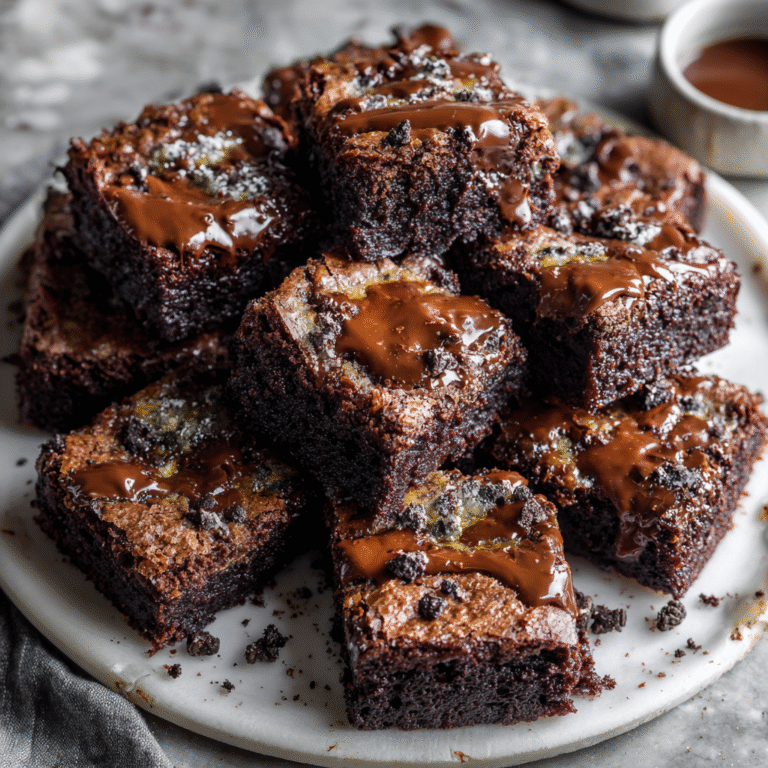
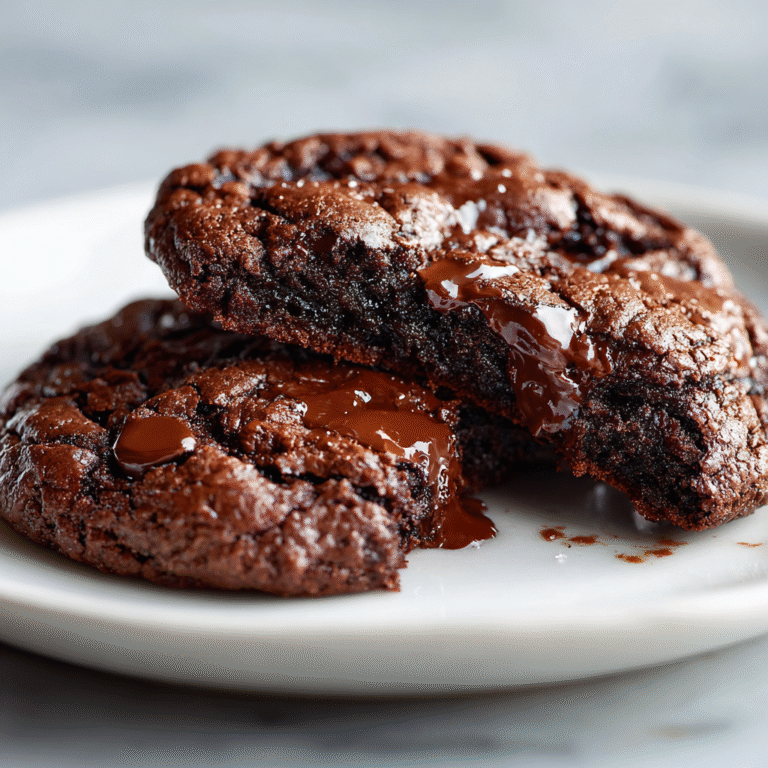
Chocolate Chip Vanilla Custard Brioches
Chocolate Chip Vanilla Custard Brioches: A French Bakery Classic at Home
There is a specific kind of magic that happens when you walk into a French boulangerie (bakery). The air smells of caramelized butter and yeast, and the display cases are lined with rows of glistening, golden pastries. Among the croissants and pain au chocolats, there is often a hidden gem that true pastry lovers gravitate toward: the Brioche Suisse, or as we call it here, the Chocolate Chip Vanilla Custard Brioche.
Imagine a dough that is pillowy soft, enriched with butter and eggs until it is golden and tender. Now, imagine that dough filled with a cool, velvety layer of vanilla pastry cream (crème pâtissière) and studded with generous handfuls of dark chocolate chips. Baked until bronzed and brushed with a sweet syrup glaze, these brioches are the ultimate indulgence. They are rich yet not overly heavy, sweet but balanced by the slight tang of the yeast and the bitterness of the chocolate.
While they look incredibly professional—like something you would pay top dollar for at a café—they are entirely achievable in a home kitchen. This comprehensive guide will strip away the intimidation of working with yeast doughs and homemade custards. We will cover the science of the “windowpane test,” the secret to a lump-free custard, and how to achieve that signature high-gloss finish that makes these pastries look like they came straight out of a magazine.
Why This Recipe is Worth the Effort
- Texture Contrast: You get the slightly crisp, golden exterior of the brioche, the fluffy, bread-like interior, the smooth, pudding-like custard, and the snap of the chocolate chips. It is a textural masterpiece.
- Make-Ahead Friendly: Brioche dough actually prefers a slow, cold rise in the fridge overnight. This divides the work into two days, making it much more manageable and developing a deeper flavor.
- Impressive Presentation: The beautiful swirl of custard and chocolate visible from the sides makes these look incredibly gourmet. They are perfect for holiday brunches, Mother’s Day, or a special weekend treat.
- Versatile Fillings: Once you master the base dough and custard, you can swap the chocolate chips for raisins, candied orange peel, or even pistachios.
Ingredients Overview
To make bakery-quality pastries, you need to understand your ingredients. This recipe is divided into three parts: the brioche dough, the pastry cream, and the assembly/glaze.
Chocolate Chip Vanilla Custard Brioches
Ingredients
Equipment
Method
- In a stand mixer, combine warm milk, 1 tbsp sugar, and yeast. Let bloom for 10 mins.
- Add flour, salt, remaining sugar, and eggs. Mix on low until dough forms.
- Knead on medium speed while adding softened butter 1 tbsp at a time. Knead 10 mins until smooth and elastic.
- Place dough in greased bowl, cover, and let rise 1.5-2 hours (or overnight in fridge).
- Make custard: Whisk yolks, sugar, and cornstarch. Heat milk and vanilla until simmering.
- Temper eggs with hot milk, then pour back into pan. Cook whisking constantly until thickened and boiling.
- Remove from heat, whisk in butter. Cover with plastic wrap directly on surface and chill completely.
- Roll dough into large rectangle. Spread cold custard on half. Sprinkle with chocolate chips.
- Fold dough over filling. Cut into 1.5-inch strips. Place on baking sheet.
- Let rise again for 45-60 mins. Preheat oven to 375°F (190°C).
- Brush with egg wash. Bake 15-20 mins until golden.
- Boil water and sugar for syrup. Brush hot pastries with syrup immediately after baking.
Notes
The Brioche Dough
- All-Purpose Flour or Bread Flour: Bread flour has a higher protein content, which helps build the strong gluten structure needed to support the rich butter and heavy filling. All-purpose works, but bread flour gives a better chew.
- Active Dry Yeast: This provides the rise. Ensure your yeast is fresh; if it doesn’t foam when mixed with warm milk, throw it out and start over.
- Whole Milk: The liquid base. It should be warm (around 110°F/45°C) to activate the yeast but not hot enough to kill it.
- Granulated Sugar: Feeds the yeast and sweetens the dough.
- Eggs: Provide structure, richness, and color to the crumb.
- Unsalted Butter (Room Temperature): The defining ingredient of brioche. It must be soft enough to incorporate but not melted. Using unsalted butter allows you to control the salt level.
The Vanilla Custard (Crème Pâtissière)
- Egg Yolks: The base of the custard, providing thickness and a rich mouthfeel. Save the whites for an omelet or meringue!
- Cornstarch: The thickening agent. Unlike flour, cornstarch thickens without leaving a starchy taste if cooked properly.
- Whole Milk: Do not use skim milk here; you need the fat for a creamy texture.
- Vanilla Bean or Paste: Since vanilla is a primary flavor, use the best quality you can find. Vanilla bean paste adds those lovely black speckles that signal “homemade luxury.”
- Butter: Whisked in at the end, it adds a glossy shine and silkiness to the custard.
The Filling & Glaze
- Chocolate Chips: Mini semi-sweet chocolate chips work best as they distribute more evenly, but regular chips or chopped chocolate chunks are fine too.
- Simple Syrup (Sugar + Water): This is brushed on the pastries after baking. It keeps them moist and gives them that sticky, professional shine.
Step-by-Step Instructions
Phase 1: Making the Brioche Dough
- Activate Yeast: In the bowl of a stand mixer, combine the warm milk and 1 tablespoon of the sugar. Sprinkle the yeast on top and let it sit for 5-10 minutes until foamy.
- Mix Dry and Wet: Add the remaining sugar, salt, eggs, and flour to the bowl. Using the dough hook attachment, mix on low speed until a shaggy dough forms.
- Knead: Increase speed to medium-low and knead for about 5 minutes. The dough will be sticky—this is normal!
- Add Butter Gradually: This is the crucial step. With the mixer running, add the softened butter one tablespoon at a time, waiting for each piece to be incorporated before adding the next. This ensures the butter emulsifies into the dough rather than making it greasy.
- Final Knead: Once all butter is added, continue kneading for 10-15 minutes. The dough should become smooth, shiny, and elastic. It should pull away cleanly from the sides of the bowl. Perform the “windowpane test” (stretch a piece of dough; if it stretches thin enough to let light through without tearing, it’s ready).
- First Rise: Place the dough in a greased bowl, cover with plastic wrap, and let it rise in a warm place for 1.5 to 2 hours, or until doubled in size. Tip: For easier handling, put the dough in the fridge overnight for a cold rise.

Phase 2: The Vanilla Custard
- Heat Milk: In a medium saucepan, heat the milk and vanilla (split bean or paste) until it just begins to simmer. Do not let it boil over.
- Whisk Yolks: While milk heats, whisk egg yolks and sugar in a bowl until pale and slightly thickened. Whisk in the cornstarch until smooth.
- Temper Eggs: Slowly pour about half of the hot milk into the egg mixture while whisking constantly. This tempers the eggs so they don’t scramble.
- Cook: Pour the egg mixture back into the saucepan with the remaining milk. Cook over medium heat, whisking constantly and vigorously, until the mixture thickens and comes to a boil. Let it boil for 1 minute to cook out the cornstarch taste.
- Finish: Remove from heat and whisk in the butter until smooth. Transfer to a clean bowl and press plastic wrap directly onto the surface of the custard to prevent a skin from forming. Refrigerate until completely cold. The custard must be cold before assembling!
Phase 3: Assembly and Baking
- Roll Dough: Punch down the risen dough. On a lightly floured surface, roll it out into a large rectangle, roughly 12×16 inches and about 1/4 inch thick.
- Spread Custard: Whisk the chilled custard to loosen it up. Spread it evenly over one half of the dough (lengthwise), leaving a small border at the edges.
- Add Chocolate: Sprinkle the chocolate chips generously over the custard layer.
- Fold: Fold the bare half of the dough over the filling to create a long rectangle sandwich. Press the edges gently to seal.
- Cut: Using a sharp knife or pizza cutter, cut the dough into strips about 1.5 to 2 inches wide. You should get about 8-10 brioches. Place them flat on parchment-lined baking sheets, spacing them apart.
- Second Rise: Cover loosely with plastic wrap and let rise in a warm spot for 45-60 minutes. They should look puffy and soft.
- Bake: Preheat oven to 375°F (190°C). Brush the tops of the pastries with an egg wash (1 egg beaten with a splash of water). Bake for 15-20 minutes, or until deep golden brown.
- Glaze: While they bake, dissolve 1/4 cup sugar in 1/4 cup boiling water to make a simple syrup. Immediately upon removing the brioches from the oven, brush them with this syrup. This gives them that irresistible shine.
Pro Tips for Success
- Cold Dough is Easier: Brioche dough is very soft and buttery. If you try to roll it out while warm, it can be a sticky nightmare. Chilling the dough for at least 4 hours (or overnight) makes it firm and easy to shape.
- Don’t Skimp on Mixing: When making the dough, if it looks too sticky, don’t just add more flour. Keep kneading. The gluten development is what transforms the sticky mess into a smooth dough. Adding too much flour will make dry buns.
- Thick Custard: Ensure your custard is cooked long enough to be quite thick. If it’s too runny, it will leak out of the sides during baking. It should hold its shape on a spoon.
- The Shine: The combination of egg wash before baking and sugar syrup after baking is the industry secret to that glass-like finish you see in the photos.
Serving and Storage Suggestions
Fresh is Best: Like all yeast pastries, these are best eaten the day they are baked, ideally while still slightly warm.
Reheating: If you have leftovers, store them in an airtight container in the fridge for up to 3 days (because of the custard). To serve, microwave for 10-15 seconds or pop them in a toaster oven for a few minutes to revive the texture.
Freezing: You can freeze the baked pastries! Wrap them individually in plastic wrap and foil. Freeze for up to a month. Thaw at room temperature and reheat in the oven at 350°F for 5-8 minutes.
Fun Variations
While chocolate chip is a crowd favorite, the “Brioche Suisse” format is incredibly adaptable:
- The Classic: Use rum-soaked raisins instead of chocolate chips for the traditional French flavor profile.
- Berry Cream: Fold freeze-dried raspberry powder into the custard or sprinkle fresh blueberries along with white chocolate chips.
- Nutella Twist: Spread a thin layer of hazelnut spread on the dough before adding the custard for a double-chocolate experience.
- Citrus: Infuse the milk for the custard with orange or lemon zest for a brighter, fresher flavor that cuts through the richness.
These Chocolate Chip Vanilla Custard Brioches are a labor of love, but the first bite—creamy, chocolatey, and buttery all at once—is a reward like no other. Happy baking!