Classic Greek Lemon Chicken Soup
Classic Greek Lemon Chicken Soup (Avgolemono): Sunshine in a Bowl
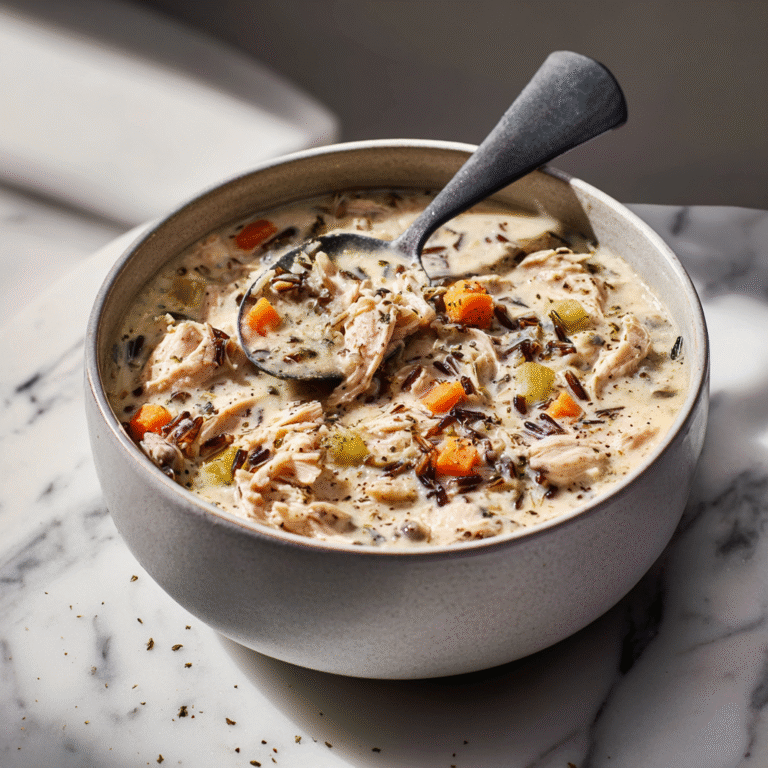
If there is one dish that perfectly captures the essence of Greek comfort food, it is Avgolemono. Often referred to as “Greek Penicillin,” this Classic Greek Lemon Chicken Soup is a masterpiece of simplicity and flavor. It is silky, creamy, savory, and bright with a citrus tang that cuts through the richness of the chicken broth. But here is the secret that surprises most first-time cooks: there is absolutely no cream or dairy in this soup. The luxurious, velvety texture comes entirely from the magic of the avgolemono technique—an emulsion of eggs and lemon juice tempered with hot broth.
Whether you are fighting off a cold, looking for a cozy winter dinner, or simply craving something light yet satisfying, this soup is the answer. It brings together tender shredded chicken, soft orzo pasta (or rice), and sweet carrots in a broth that is both hearty and refreshing. In this extensive guide, we will explore the history of this iconic dish, the science behind the perfect emulsion, and a step-by-step walkthrough to ensure your soup never separates or curdles. Get ready to master the art of Greek soup making.
The Magic of Avgolemono: History and Science
The term Avgolemono (pronounced ah-vo-le-mo-no) literally translates to “egg-lemon.” While it is synonymous with Greek cuisine today, the roots of this sauce actually trace back to Sephardic Jewish cuisine, known as agristada, before becoming a staple in Greece. It is used not just in soups, but as a sauce for dolmades (stuffed grape leaves), vegetables, and fish.
The science behind the soup is what makes it fascinating. You are essentially creating a savory custard. By whisking eggs with acidic lemon juice and slowly introducing hot liquid, you denature the proteins in the egg without scrambling them. This process thickens the broth, giving it that signature opaque, glossy yellow appearance and mouth-coating texture that feels indulgent while remaining relatively light.
Why You Will Love This Recipe
- Creamy Without Dairy: Perfect for those who are lactose intolerant but crave the texture of a chowder or bisque.
- Budget-Friendly: It uses humble ingredients—chicken, rice/pasta, eggs, and lemons—to create a meal that feels gourmet.
- Quick & Healing: It comes together in under 45 minutes and is packed with protein, Vitamin C, and soothing warm broth.
- Versatile: You can use rotisserie chicken for a shortcut, swap orzo for rice for a gluten-free option, or load it up with extra veggies.
Ingredients
To make the perfect pot of Avgolemono, quality ingredients are key. Here is what you will need:
Classic Greek Lemon Chicken Soup (Avgolemono)
Ingredients
Equipment
Method
- Heat olive oil in a large pot over medium heat. Sauté onion, carrots, and celery until softened (5-7 mins).
- Add chicken broth and bring to a boil. Add whole chicken breasts, reduce heat, cover, and simmer for 20 minutes until cooked through.
- Remove chicken to a plate. Bring broth back to a boil and stir in the orzo pasta. Cook for 8-10 minutes until tender.
- While orzo cooks, shred the chicken using two forks. Return shredded chicken to the pot and reduce heat to very low.
- In a bowl, whisk eggs and lemon juice until frothy. While whisking constantly, slowly ladle 1-2 cups of hot broth into the egg mixture to temper it.
- Pour the warm egg mixture back into the soup pot, stirring constantly. Cook on low heat for 3-5 minutes until thickened.
- Do not let the soup boil. Remove from heat, stir in fresh dill, and season with salt and pepper.
- Serve immediately with lemon slices and extra dill.
Notes
The Soup Base
- Chicken Broth: 8 cups – Use a high-quality low-sodium chicken broth or stock. Since this is the main volume of the soup, the better the broth, the better the result.
- Chicken Breast: 1 lb (approx. 2 large breasts) – Boneless and skinless. You will poach these directly in the broth for maximum flavor and tenderness.
- Olive Oil: 1 tablespoon – Extra virgin Greek olive oil is preferred for sautéing the vegetables.
- Onion: 1 medium, finely chopped – Provides the aromatic foundation.
- Carrots: 2 medium, sliced into rounds – Adds sweetness and color.
- Celery: 2 stalks, sliced – Optional, but adds depth to the mirepoix.
- Orzo Pasta: 1 cup – This rice-shaped pasta is traditional, but you can also use Arborio rice or long-grain rice.
- Salt & Black Pepper: To taste – Freshly cracked black pepper is essential for garnish.
The Avgolemono Sauce (The Thickener)
- Eggs: 3 large – Make sure they are at room temperature to prevent shock when mixing.
- Lemon Juice: 1/2 cup – Freshly squeezed is non-negotiable. Bottled lemon juice will not provide the right floral citrus notes.
- Lemon Zest: 1 teaspoon – Optional, for an extra kick of citrus aroma.
Garnish
- Fresh Dill: A generous handful, chopped. Dill is the traditional herb pairing, though parsley works in a pinch.
- Lemon Slices: For serving.
Instructions
Follow these steps carefully, paying special attention to the tempering process (Step 5) to ensure a smooth soup.
1. Sauté the Aromatics
In a large heavy-bottomed pot or Dutch oven, heat the olive oil over medium heat. Add the chopped onion, sliced carrots, and celery. Sauté for about 5-7 minutes until the onions are translucent and the vegetables begin to soften. Season with a pinch of salt and pepper.
2. Simmer the Chicken
Pour the chicken broth into the pot with the vegetables. Increase the heat to high and bring to a boil. Once boiling, carefully add the raw whole chicken breasts. Reduce the heat to low, cover, and simmer for about 15-20 minutes, or until the chicken is fully cooked through (internal temperature of 165°F).
3. Cook the Orzo
Remove the cooked chicken from the pot and set it aside on a cutting board to cool slightly. Bring the broth back up to a rolling boil. Add the uncooked orzo pasta. Stir immediately to prevent sticking. Cook the orzo in the broth for about 8-10 minutes, or until al dente. Do not overcook, as it will continue to soften in the hot soup.

4. Shred the Chicken
While the pasta is cooking, use two forks to shred the chicken breasts into bite-sized pieces. Return the shredded chicken to the pot. Turn the heat down to the lowest setting. The soup should not be boiling when you add the egg mixture.
5. The Avgolemono Technique (Tempering)
This is the most critical step. In a medium heat-proof bowl, whisk the eggs and fresh lemon juice vigorously until frothy and pale yellow.
While whisking the eggs constantly with one hand, use a ladle to scoop up about 1 cup of the hot broth from the pot. Slowly drizzle the hot broth into the egg mixture in a thin, steady stream. Keep whisking! You are gently raising the temperature of the eggs so they don’t scramble. Repeat this with a second ladle of hot broth.
6. Combine and Thicken
Pour the warm egg-lemon mixture back into the main pot of soup, stirring constantly. Continue to cook on very low heat for 3-5 minutes, stirring gently. You will see the soup transform from a clear broth to a creamy, opaque yellow liquid.
Important: Do not let the soup come to a boil again, or the eggs may curdle.
7. Season and Serve
Taste the soup. It should be rich and lemony. Add more salt if needed (broth salt levels vary). Stir in the fresh chopped dill. Ladle into bowls and top with plenty of cracked black pepper and a fresh slice of lemon.
Tips for Success
Room Temperature Eggs:
Cold eggs are more likely to curdle when they hit hot broth. Take your eggs out of the fridge 30 minutes before cooking, or place them in a bowl of warm water for 5 minutes.
The “Soup Consistency” Debate:
Some prefer this soup thin and brothy; others like it thick like porridge. If you prefer a thicker soup, use Arborio rice instead of orzo, as the starch from the rice will thicken the liquid further. If the soup becomes too thick after sitting, simply loosen it with a splash of water or extra stock.
Reheating:
Because of the eggs, this soup can separate if reheated too aggressively. Reheat leftovers on the stove over low heat, stirring frequently. Avoid the microwave if possible, or use 50% power in short bursts.
Variations
- Gluten-Free: Swap the orzo for white rice (jasmine or long-grain). Adjust cooking time according to the rice package instructions.
- Vegetarian: Substitute vegetable broth for chicken broth and use chickpeas or white beans instead of chicken for protein.
- Spicy Kick: Traditional Avgolemono is mild, but a pinch of red pepper flakes adds a nice contrast to the sour lemon.
Serving Suggestions
This soup is a complete meal on its own, but it pairs beautifully with:
- Crusty Bread: A loaf of sourdough or warm pita bread is essential for soaking up the last drops of the creamy broth.
- Greek Salad: A crisp salad with tomatoes, cucumbers, feta, and olives provides a fresh, crunchy contrast to the warm, soft soup.
- Spanakopita: Serve a slice of spinach pie on the side for a full Greek feast.
Conclusion
Classic Greek Lemon Chicken Soup is a testament to the power of simple ingredients. It balances the savory depth of roasted chicken with the bright, uplifting acidity of lemon, all wrapped in a texture that feels like a warm hug. It is elegant enough for a dinner party yet simple enough for a Tuesday night. Once you master the tempering technique, you will find yourself turning to this recipe again and again, whenever you need a bowl of pure, liquid sunshine.