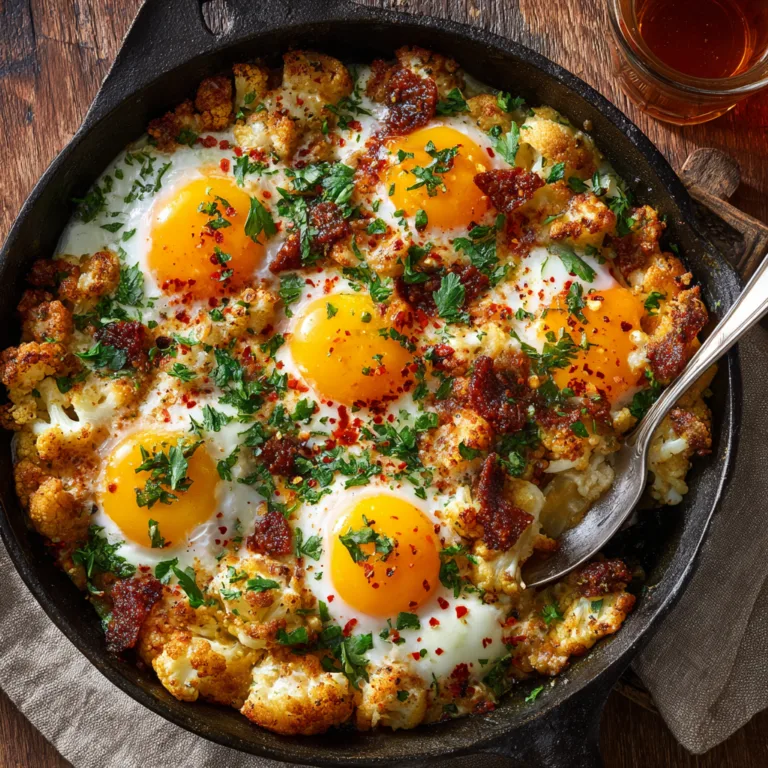
Egg & Bacon Breakfast Potatoes
Twice Baked Breakfast Potatoes: The Ultimate Morning Feast 🥔🍳
There are breakfasts, and then there are breakfasts. You know the kind—the ones that make you want to stay in your pajamas a little longer, pour a second cup of coffee, and truly savor the start of the day. Twice Baked Breakfast Potatoes fall squarely into that second category. Imagine a crispy, salty potato skin that acts as a glorious edible bowl. Inside, you find a layer of creamy, buttery mashed potato mixed with savory cheese, all crowned with a perfectly baked egg and crispy strips of bacon. It is an all-in-one meal that combines every single one of your favorite breakfast elements into a handheld (or fork-and-knife) masterpiece.
This recipe is a game-changer for brunch hosting or indulgent weekend mornings. It looks incredibly impressive, bordering on gourmet, yet it is made with the humblest of ingredients found in almost every kitchen. In this comprehensive guide, we are going to walk through the process of creating these savory boats, from selecting the perfect potato to achieving that elusive runny yolk without overcooking the rest. Get ready to elevate your breakfast game to legendary status.

Why This Recipe Works
The genius of the Twice Baked Breakfast Potato lies in its structural engineering and flavor layering.
- The Vessel: By using a Russet potato, we take advantage of its thick skin. When baked initially, the skin dehydrates slightly, becoming sturdy enough to hold the heavy filling.
- Texture Contrast: You get the crunch of the bacon and the crisp edge of the potato skin contrasting beautifully with the fluffy, whipped interior and the silky, rich texture of the warm egg yolk.
- Customizable Cooking: The “twice baked” method ensures the potato is fully cooked and fluffy before we even add the egg, eliminating the risk of crunchy, undercooked potatoes or rubbery, overcooked eggs.
The Science of the “Twice Bake” 🧬
Why do we bake the potato, scoop it out, and bake it again? It comes down to starch retrogradation and moisture management.
When you bake the potato the first time, the starch granules swell and gelatinize, making the inside soft. By scooping out the flesh and mixing it with fat (butter, cheese, milk), we are coating those starch molecules to prevent them from gumming together, creating a mash that is airy rather than gluey.
The second bake is where the magic happens for the egg. The potato mixture acts as an insulator. Because the potato is already warm when you crack the egg into it, the egg begins to cook gently from the bottom up immediately. The oven’s ambient heat cooks the top. This gentle, surrounding heat sets the white while keeping the yolk rich and jammy—a feat that is much harder to achieve in a frying pan where heat only comes from one direction.
Selecting the Right Potato 🥔
Not all potatoes are created equal, especially for this dish.
- Russet (Baking) Potatoes: These are non-negotiable. They have a high starch content and low moisture, which leads to a fluffy interior. More importantly, their skins are thick and tough, perfect for creating a “boat” that won’t collapse.
- Avoid Waxy Potatoes: Red or Yukon Gold potatoes have thin skins that tear easily and a creamy, dense flesh that can become heavy when mashed and re-baked.
Customizing Your Boats
While bacon and cheddar are the classic duo, your potato boats are a blank canvas.
- The Veggie Lover: Sautéed spinach, mushrooms, and onions mixed into the mash base, topped with feta cheese.
- The Spicy Southwest: Chorizo crumbles instead of bacon, Pepper Jack cheese, and a garnish of cilantro and diced jalapeños.
- The Scandi: Smoked salmon (added after baking), dill, and a dollop of crème fraîche.
Essential Equipment
- Baking Sheet: A rimmed baking sheet is essential to catch any cheese that might overflow.
- Parchment Paper: Saves you from scrubbing burnt cheese off your pan later.
- Wire Rack (Optional): Baking the potatoes on a wire rack during the first round helps the skin get crispy all the way around.
- Potato Masher or Ricer: For the fluffiest filling.
Ingredients
The Base:
- 4 large Russet potatoes (scrubbed clean and dried)
- 1 tablespoon olive oil
- 1 teaspoon coarse sea salt
The Filling:
- 4 tablespoons unsalted butter, softened
- 1/2 cup whole milk or heavy cream (warmed)
- 1 cup sharp cheddar cheese, shredded (divided)
- Salt and black pepper to taste
- 1/2 teaspoon garlic powder
The Topping:
- 4 large eggs
- 4-6 slices of bacon, cooked until crispy and crumbled
- Fresh chives or green onions, chopped (for garnish)
- Extra salt and cracked pepper for the egg
Instructions
Phase 1: The First Bake
- Preheat: Preheat your oven to 400°F (200°C).
- Prep Potatoes: Pierce each potato several times with a fork to allow steam to escape (preventing potato explosions!). Rub the skins generously with olive oil and sprinkle with coarse salt.
- Bake: Place potatoes directly on the oven rack (or on a wire rack set on a baking sheet) and bake for 45-60 minutes. They are done when a knife slides into the center with zero resistance and the skins are crisp.
- Cool: Remove from the oven and let them cool for about 10-15 minutes—just until they are safe to handle but still warm.
Phase 2: The Excavation
- Slice: Carefully slice off the top third of each potato horizontally (lengthwise). You want to create a deep boat shape.
- Scoop: Using a spoon, scoop out the flesh from the bottom part of the potato, leaving about a 1/4-inch rim of potato inside the skin for structural support. Place the scooped flesh into a medium mixing bowl. Tip: You can discard the tops or scoop the flesh from them as well to add to the bowl.
- Mash: To the bowl of potato flesh, add the butter, milk, garlic powder, half of the cheddar cheese, salt, and pepper. Mash until smooth and creamy. Taste and adjust seasoning.
Phase 3: Assembly and The Second Bake
- Refill: Spoon the mashed potato mixture back into the potato skins. Do not pack it down too tightly; keep it light.
- Create the Nest: Use the back of a spoon to create a deep well or indentation in the center of the mashed potato filling. It needs to be large enough to hold a raw egg.
- Add the Egg: Crack one egg into each well. If your eggs are large and your potatoes are small, you might lose a little white over the edge—that is okay!
- Garnish: Sprinkle the remaining cheese and the crumbled cooked bacon around the egg (avoiding covering the yolk directly so you can see when it’s done). Season the egg with a pinch of salt and pepper.
- Final Bake: Lower the oven temperature to 375°F (190°C). Carefully place the stuffed potatoes on a parchment-lined baking sheet. Bake for 20-25 minutes.
- Check at 15 minutes: You want the egg whites to be set (opaque, not clear) and the yolk to be to your liking.
- Serve: Remove from oven, garnish with fresh chives, and serve immediately while hot.
Expert Tips for Success
- Warm Ingredients: Warm your milk and butter before adding them to the potato mash. Cold ingredients cool down the starch too fast, making the texture gummy.
- Stabilize the Boat: If your potatoes are wobbly and roll around on the tray, slice a tiny thin strip off the bottom of the skin to create a flat base. Be careful not to cut too deep and create a hole!
- Room Temp Eggs: If possible, use room temperature eggs. They will cook more evenly and are less likely to shock the potato mixture.
Storage and Reheating
These are best enjoyed fresh, as reheating a cooked egg can make it rubbery. However, you can prep the potatoes through Step 9 (filled with mash but without the egg) and store them in the fridge for up to 2 days. When ready to eat, just create the well, crack the fresh egg, and bake, adding a few extra minutes to the cooking time since the potato is cold.
Conclusion
Twice Baked Breakfast Potatoes are a labor of love that rewards you with every bite. They transform the humble potato into a luxurious vessel for the holy trinity of breakfast: eggs, bacon, and cheese. Whether you are feeding a crowd or just treating yourself to a special morning meal, this recipe delivers comfort, flavor, and a stunning presentation that is sure to impress. So, heat up that oven and get ready to enjoy the ultimate comfort food breakfast! 🥔🥓🥚
Twice Baked Breakfast Potatoes
Ingredients
Equipment
Method
- Preheat oven to 400°F (200°C). Rub potatoes with oil and salt, pierce with a fork.
- Bake potatoes for 45-60 minutes until tender. Let cool slightly.
- Slice the top third off each potato lengthwise. Scoop out the inside flesh, leaving a thin rim.
- Mash the scooped potato flesh with butter, milk, half the cheese, garlic powder, salt, and pepper.
- Spoon mixture back into potato skins. Create a deep well in the center of each.
- Reduce oven heat to 375°F (190°C). Crack an egg into each potato well.
- Top with remaining cheese and crumbled bacon.
- Bake for 20-25 minutes until egg whites are set. Garnish with chives and serve.