French Salted Butter Cookies Recipe
The Ultimate Guide to Authentic French Salted Butter Cookies (Sablés)
There is something undeniably magical about the combination of high-quality butter, sugar, and a touch of salt. French Salted Butter Cookies, known in France as Sablés, are the epitome of this alchemy. Originating from the Brittany and Normandy regions of France—areas famous for their dairy and sea salt—these cookies are not just a sweet treat; they are a textural masterpiece. “Sablé” translates to “sandy,” referring to the delicate, crumbly texture that melts instantly upon hitting your tongue.
Unlike the sturdy American sugar cookie or the dense Scottish shortbread, the French Sablé is lighter, often richer in egg yolks, and unapologetically reliant on salted butter. The contrast between the sweet, vanilla-scented dough and the sharp, savory hit of fleur de sel or demi-sel butter creates a flavor profile that is sophisticated yet comforting. In this comprehensive guide, we will walk you through everything you need to know to recreate this patisserie classic in your own kitchen.
Why You Will Love This Recipe
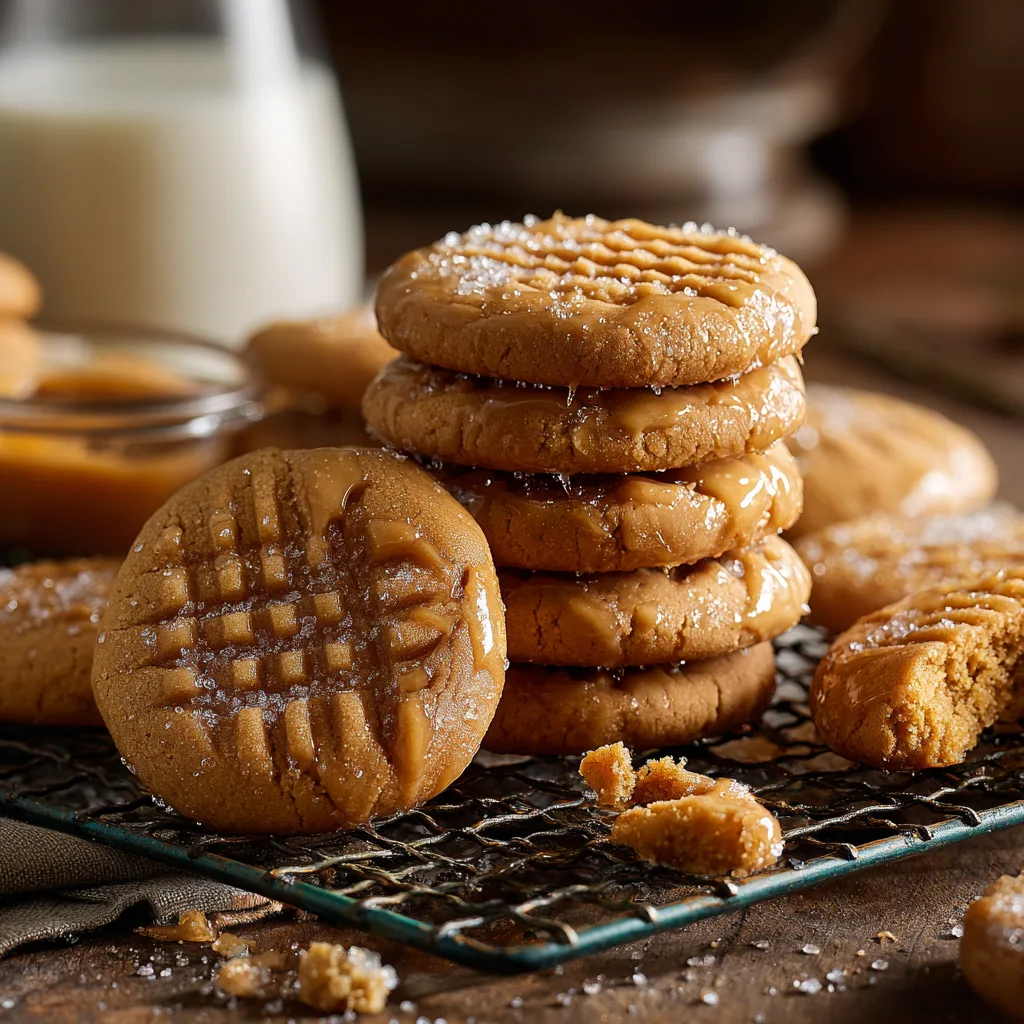
If you have never baked with salted butter before, prepare for a revelation. Most baking rules dictate unsalted butter to control sodium, but in Brittany, salted butter is a way of life. This recipe embraces that tradition. The result is a cookie that pairs perfectly with your morning coffee, afternoon tea, or as a standalone dessert after a heavy meal. They are glossy, golden, and incredibly photogenic with their signature crisscross fork pattern.
The Secret to the “Sandy” Texture
The unique texture of these cookies comes from the mixing method. By rubbing the butter into the flour (or creaming it just enough without overworking the gluten) and using hard-boiled egg yolks in some variations—or simply a high ratio of fat to flour—you achieve that delicate “sand” consistency. Our version uses a standard creaming method but emphasizes keeping the dough cool to ensure a tender bite.
French Salted Butter Cookies
Ingredients
Equipment
Method
- In a large bowl, cream the softened salted butter and granulated sugar until pale and fluffy (about 3-4 minutes).
- Add the 2 egg yolks and vanilla extract, beating until fully incorporated and glossy.
- Sift together flour and baking powder. Gradually add to the wet ingredients, mixing on low speed just until the dough comes together. Do not overmix.
- Turn dough onto a surface, shape into a log approx 2 inches in diameter. Wrap in plastic wrap and chill for at least 2 hours (essential for texture).
- Preheat oven to 350°F (175°C). Line baking sheets with parchment paper.
- Slice the chilled log into 1/2-inch thick rounds. Arrange on baking sheets 2 inches apart.
- Brush the tops with the egg yolk wash. Use a fork to score a crisscross pattern on top. Sprinkle with coarse sugar.
- Bake for 12-15 minutes until edges are deep golden brown. Cool on the pan for 5 minutes, then transfer to a wire rack.
Notes
Ingredients You Will Need
The beauty of French Salted Butter Cookies lies in their simplicity. With so few ingredients, the quality of each is paramount.
- Salted Butter (Beurre Demi-Sel): This is the star of the show. Look for high-fat European-style butter if possible (82% fat or higher). The water content in cheap butter can affect the texture. If you only have unsalted butter, you must add high-quality sea salt manually.
- All-Purpose Flour: Standard plain flour works best here to provide structure without making the cookies tough.
- Granulated Sugar: For the dough itself.
- Egg Yolks: These provide richness, color, and structure. The lack of egg whites helps maintain that tender, melt-in-your-mouth texture.
- Baking Powder: Just a pinch to give them a slight lift, making them less dense than shortbread.
- Vanilla Extract: Use pure vanilla extract or vanilla bean paste for the best flavor.
- Fleur de Sel (Optional but Recommended): Even with salted butter, a tiny pinch of flaky sea salt on top adds a gourmet crunch.
Step-by-Step Instructions
1. Prepare the Butter and Sugar
Start by placing your softened salted butter in a large mixing bowl. It should be malleable but not greasy or melted. Add the granulated sugar. Using a hand mixer or a stand mixer fitted with the paddle attachment, beat the butter and sugar together until the mixture is pale and creamy. This usually takes about 3 to 4 minutes.
2. Add the Yolks and Flavor
Add the egg yolks one at a time, beating well after each addition. Scrape down the sides of the bowl to ensure everything is incorporated. Mix in the vanilla extract. The mixture should look rich, yellow, and glossy.
3. Incorporate Dry Ingredients
In a separate bowl, whisk together the flour and baking powder. Turn your mixer to the lowest speed and gradually add the flour mixture to the butter mixture. Stop mixing immediately when the flour disappears. Overmixing develops gluten, which is the enemy of the “sandy” texture we want.
4. Chill the Dough
The dough will be soft and sticky. Turn it out onto a piece of plastic wrap, form it into a log (about 2 inches in diameter), and wrap it tightly. Refrigerate for at least 2 hours, or overnight. This step is non-negotiable; it allows the butter to firm up and the flavors to meld.
5. Slice and Glaze
Preheat your oven to 350°F (175°C). Line two baking sheets with parchment paper. Remove the dough log from the fridge. Using a sharp knife, slice the log into rounds about ½ inch thick. Place them on the baking sheets, spacing them 2 inches apart.
6. The Signature Crosshatch
Whisk an extra egg yolk with a teaspoon of water to create an egg wash. Brush the tops of the cookies with this wash—this gives them their iconic dark golden shine. Take the tines of a fork and gently drag them across the surface of the cookie, then do it again perpendicularly to create a crisscross pattern. Sprinkle with coarse sugar if desired.
7. Bake to Perfection
Bake for 12–15 minutes. The edges should be a deep golden brown, and the tops should be glossy and set. They will still feel soft in the center but will firm up as they cool. Let them cool on the baking sheet for 5 minutes before transferring them to a wire rack.
Tips for Success
- Cold Dough is Key: If your kitchen is warm and the dough log gets soft while you are slicing, pop it back in the freezer for 10 minutes. If the butter is too warm when it hits the oven, the cookies will spread into puddles.
- The Egg Wash: Don’t skip the egg wash! It provides that professional pâtisserie sheen and protects the cookie from drying out.
- Slice Thickness: Try to keep your slices uniform. If some are thin and others thick, they will bake unevenly. A serrated knife can help saw through the cold dough without squishing it.
- Muffin Tin Trick: For perfectly round cookies that don’t spread, you can place the dough rounds into a greased muffin tin to bake. This creates the taller, thicker “Palets Bretons” style cookie.
Variations to Try
Once you master the base recipe, the sky is the limit. Here are a few French-inspired twists:
- Lemon or Orange: Rub fresh citrus zest into the sugar before creaming it with the butter. The oils from the zest will perfume the entire cookie.
- Chocolate Dipped: After the cookies have cooled completely, dip half of each cookie into melted dark chocolate and sprinkle with sea salt.
- Almond Sablés: Substitute 1/4 cup of the flour with almond flour for a nuttier flavor and even more tender crumb.
- Earl Grey: Grind loose leaf Earl Grey tea into a fine powder and add it to the flour mixture for a sophisticated, floral note.
Cultural Context: The History of the Sablé
The Sablé originated in Sablé-sur-Sarthe in 1670. Legend has it that the Marquise de Sablé brought these small, round biscuits to the court of King Louis XIV. The King’s brother loved them so much that he ordered them to be served every morning. Since then, the recipe has evolved, with the Breton version (Sablés Bretons) becoming particularly famous for its heavy use of the region’s salted butter. In France, these are not just snacks; they are a symbol of hospitality, often served in tins during the holidays or offered to guests with an espresso.
Storage Instructions
These cookies keep incredibly well, which makes them perfect for gifting.
Room Temperature: Store in an airtight tin (metal tins are better than plastic for keeping them crisp) for up to 1 week.
Freezing: You can freeze the unbaked dough log for up to 2 months. Just thaw slightly before slicing. Baked cookies can also be frozen for up to 3 months; just let them thaw on the counter before serving.