Garlic Parmesan Roasted Shrimp: The Ultimate 15-Minute Meal
Introduction: Elevate Your Seafood Game
There is a persistent myth in the culinary world that cooking exceptional seafood requires hours of preparation, complex techniques, and a kitchen full of specialized equipment. This Garlic Parmesan Roasted Shrimp recipe completely shatters that misconception. In under twenty minutes, you can transform a simple bag of raw shrimp into a restaurant-quality dish that is bursting with savory, buttery, and herbaceous flavors.
Whether you are a busy professional looking for a lightning-fast weeknight dinner, a host searching for an elegant appetizer to impress dinner guests, or someone adhering to a low-carb or keto lifestyle, this recipe is a lifesaver. The magic lies in the marriage of high-heat roasting and a potent flavor profile. Garlic, butter, and Parmesan cheese form a holy trinity of savory goodness that coats every single crevice of the tender shrimp.
Unlike pan-searing, which can sometimes lead to uneven cooking or a crowded pan that steams rather than sears, roasting shrimp in a hot oven ensures consistent, perfect results every time. Prepare to discover your new go-to seafood recipe that delivers maximum flavor with minimal effort.
Why Roasting is the Best Way to Cook Shrimp
When it comes to cooking shrimp, most people instinctively reach for a skillet. While sautéing is a perfectly valid method, roasting shrimp in the oven offers several distinct advantages that make it superior, especially for a heavily seasoned recipe like this one.
Even Heat Distribution: An oven set to a high temperature (typically 400°F or 200°C) provides a remarkably consistent, enveloping heat. This means every piece of shrimp on the baking sheet cooks at the exact same rate. You do not have to worry about the shrimp in the center of the pan finishing before the ones on the edges.
Hands-Off Cooking: Once the shrimp go into the oven, your work is essentially done. You don’t need to stand over a hot stove, flipping each individual shrimp with tongs while dodging splattering oil. This frees up precious minutes to toss a salad, boil some pasta, or simply pour yourself a glass of wine.
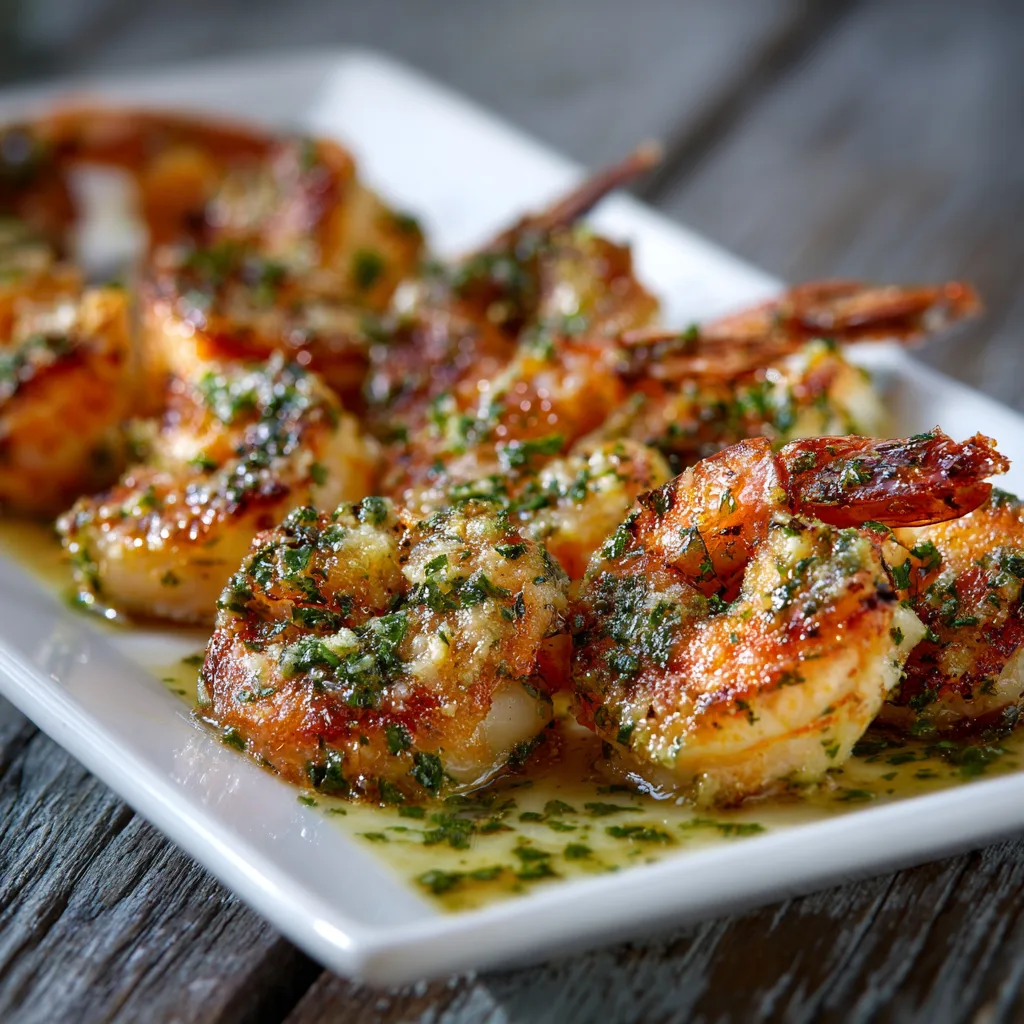
The Maillard Reaction: High dry heat encourages the Maillard reaction—the chemical process that causes browning and creates complex, savory flavors. As the butter and Parmesan cheese hit the hot baking sheet, they caramelize and form delightful, slightly crispy edges on the shrimp that you simply cannot achieve by boiling or steaming.
The Flavor Profile: Garlic, Butter, and Parmesan
The success of this dish relies entirely on its bold, unapologetic flavor profile. Let’s break down the components that make this marinade so irresistible.
The Fat Foundation: We use a combination of melted butter and olive oil. The butter provides a rich, creamy, and undeniable dairy sweetness that pairs flawlessly with seafood. The olive oil helps raise the smoke point slightly and adds a subtle, fruity undertone. Together, they carry the flavors of the other ingredients directly to the shrimp.
Aromatic Brilliance: Freshly minced garlic is non-negotiable here. As it roasts, its sharp, pungent bite mellows into a deeply savory, slightly sweet flavor. The garlic permeates the butter, creating a fragrant sauce that pools on the baking sheet.
The Umami Bomb: Grated Parmesan cheese is the secret weapon. Parmesan is naturally rich in glutamates, which trigger our umami (savory) taste receptors. When roasted, the cheese melts and adheres to the shrimp, creating a textured, salty, and intensely flavorful crust.
Fresh Finish: Finally, a generous shower of fresh parsley adds a vibrant pop of green color and a clean, herbaceous note that cuts through the richness of the butter and cheese, balancing the entire dish.
Ingredients You Will Need
To achieve the best results, start with the highest quality ingredients you can find. Here is what you need for this Garlic Parmesan Roasted Shrimp.
- For the Main Dish:
- 1.5 lbs (about 680g) large shrimp (16/20 or 21/25 count), peeled and deveined
- 3 tablespoons extra-virgin olive oil
- 3 tablespoons unsalted butter, melted
- 4-5 cloves fresh garlic, finely minced
- 1/2 cup freshly grated Parmesan cheese (avoid the pre-packaged powdery kind)
- 1/2 teaspoon kosher salt (adjust to taste, keeping in mind the cheese is salty)
- 1/4 teaspoon freshly ground black pepper
- 1/2 teaspoon smoked paprika (optional, for color and a hint of smoke)
- For the Garnish:
- 1/4 cup fresh flat-leaf parsley, finely chopped
- 1 fresh lemon, cut into wedges
Step-by-Step Instructions for Perfect Shrimp
Follow these straightforward steps to ensure your shrimp are tender, juicy, and packed with flavor.
- Preheat and Prepare: Preheat your oven to 400°F (200°C). Line a large rimmed baking sheet with aluminum foil or parchment paper for easy cleanup. If using foil, lightly spray it with non-stick cooking spray.
- Prep the Shrimp: Ensure your peeled and deveined shrimp are completely dry. Pat them thoroughly with paper towels. Excess moisture on the shrimp will create steam in the oven, preventing the butter and cheese from adhering and preventing that desirable slight caramelization.
- Create the Flavor Coating: In a large mixing bowl, combine the olive oil, melted butter, minced garlic, freshly grated Parmesan cheese, kosher salt, black pepper, and smoked paprika (if using). Whisk until the ingredients form a thick, cohesive slurry.
- Coat the Shrimp: Add the dried raw shrimp to the mixing bowl. Use a large spoon or your hands to toss the shrimp gently but thoroughly, ensuring every single shrimp is generously coated with the garlic-Parmesan mixture.
- Arrange on the Baking Sheet: Spread the coated shrimp out in a single, even layer on the prepared baking sheet. Make sure they are not overlapping; they need room for the hot air to circulate so they roast rather than steam. Scrape any remaining garlic and cheese mixture from the bowl and dab it over the shrimp.
- Roast to Perfection: Place the baking sheet on the middle rack of your preheated oven. Roast for 8 to 10 minutes. The exact time will depend on the size of your shrimp. They are done when they turn opaque, pink, and curl slightly into a “C” shape. Do not overcook them, or they will become tough and rubbery.
- Garnish and Serve: Remove the pan from the oven. The kitchen should smell incredible. Immediately sprinkle the finely chopped fresh parsley over the hot shrimp. Serve right away, straight from the pan or transferred to a platter, with fresh lemon wedges on the side for squeezing.
Pro Tips for Shrimp Success
Mastering shrimp requires attention to a few critical details. Here is how the pros ensure a perfect result every time.
- Choosing Your Shrimp: Buy wild-caught shrimp if possible, as they generally have a sweeter, cleaner flavor than farmed varieties. Look for “IQF” (Individually Quick Frozen) shrimp. Most “fresh” shrimp at the seafood counter was actually frozen and thawed, so you might as well buy it frozen and thaw it yourself right before cooking for maximum freshness.
- Size Matters: The numbers on a bag of shrimp (like 16/20 or 21/25) indicate how many shrimp make up a pound. For roasting, larger shrimp are better because they are less likely to overcook while the cheese melts and browns.
- Thawing Safely: Never thaw shrimp on the counter or in warm water. The best method is to leave them in the refrigerator overnight. For a quick thaw, place the frozen shrimp in a colander and run cold water over them for 10-15 minutes until pliable.
- The “C” vs. “O” Rule: When cooking shrimp, watch their shape. When they curl into a loose “C” shape, they are perfectly cooked. If they tightly curl into an “O” shape, they are overcooked and will likely be rubbery.
- Grate Your Own Cheese: Pre-grated Parmesan in a shaker bottle contains anti-caking agents that prevent it from melting properly. Taking 60 seconds to grate fresh Parmesan off a block makes a massive difference in the texture of this dish.
What to Serve with Garlic Parmesan Roasted Shrimp
Because these shrimp are incredibly flavorful and produce a rich, buttery pan sauce, you want side dishes that can soak up that goodness or provide a refreshing contrast.
Pasta or Zucchini Noodles: Toss hot linguine, angel hair pasta, or spiralized zucchini noodles directly onto the baking sheet right after you remove the shrimp. Toss them in the leftover garlic butter and Parmesan drippings for an instant, cohesive meal.
Crusty Bread: A warm, crusty baguette or sourdough loaf is essential. You will want to tear off pieces and drag them through the buttery, garlicky sauce left on the plate.
Light Salads: To balance the richness of the butter and cheese, serve a bright, acidic salad. A simple arugula salad with a lemon vinaigrette or a classic Caesar salad pairs beautifully with the Italian-inspired flavors of the shrimp.
Roasted Vegetables: Since your oven is already at 400°F, utilize it! Roast some asparagus, broccoli florets, or cherry tomatoes on a separate baking sheet to serve alongside the protein.
Storage and Reheating Instructions
Seafood is notoriously delicate when it comes to leftovers, but with proper care, you can still enjoy this dish the next day.
Storing: Allow any leftover shrimp to cool completely to room temperature. Transfer them, along with any remaining sauce, to an airtight container. Store in the refrigerator for up to 2 days. It is not recommended to freeze cooked shrimp, as the texture degrades significantly upon thawing.
Reheating: Reheating shrimp in the microwave is a surefire way to make them tough and rubbery. The best method is gentle stovetop reheating. Place a skillet over low heat, add a splash of water or chicken broth to prevent drying out, and add the shrimp. Cover and heat gently for 2-3 minutes just until warmed through. Alternatively, eat the leftovers cold! Toss chopped cold Garlic Parmesan Shrimp into a lunch salad or wrap.
Frequently Asked Questions (FAQs)
Do I have to peel the tails off?
Leaving the tail segment on is entirely optional. Leaving the tails on makes for a nicer presentation, especially if serving as an appetizer where people will use their hands. It also adds a tiny bit of flavor to the pan juices. However, if you are tossing these directly into a pasta dish, removing the tails entirely makes the eating experience easier.
Can I use pre-cooked shrimp?
No, it is highly recommended to avoid pre-cooked shrimp for this recipe. Pre-cooked shrimp have already been exposed to heat. Putting them in a 400°F oven for 10 minutes to melt the cheese will result in incredibly tough, dry, and overcooked protein. Always start with raw, greyish-blue shrimp.
Is this recipe keto-friendly?
Yes! This Garlic Parmesan Roasted Shrimp is naturally low in carbohydrates and high in protein and healthy fats. It is an excellent choice for anyone following a ketogenic or low-carb diet. Just be mindful of what you serve it with—opt for zucchini noodles or cauliflower rice instead of traditional pasta.
Can I add wine to the sauce?
Absolutely. If you want to elevate the flavor profile even further, add a splash (about 2 tablespoons) of dry white wine (like Pinot Grigio or Sauvignon Blanc) to the butter and olive oil mixture before coating the shrimp. The alcohol will burn off in the oven, leaving behind a subtle, acidic brightness that complements the seafood perfectly.
Conclusion: The MVP of Quick Dinners
The Garlic Parmesan Roasted Shrimp recipe proves that you do not need to sacrifice flavor or elegance when you are short on time. By relying on high-impact ingredients—rich butter, pungent garlic, and umami-packed Parmesan—and utilizing the high, even heat of the oven, you can achieve a gourmet result in mere minutes.
Whether you are throwing a last-minute dinner party, looking to add more seafood to your family’s weekly rotation, or simply craving a savory, comforting meal without the hassle of a long cleanup, this recipe is guaranteed to deliver. Keep a bag of quality shrimp in your freezer and a block of Parmesan in your fridge, and you will always be less than twenty minutes away from a spectacular, mouthwatering meal.