Golden Crust Garlic Rosemary Focaccia Muffins
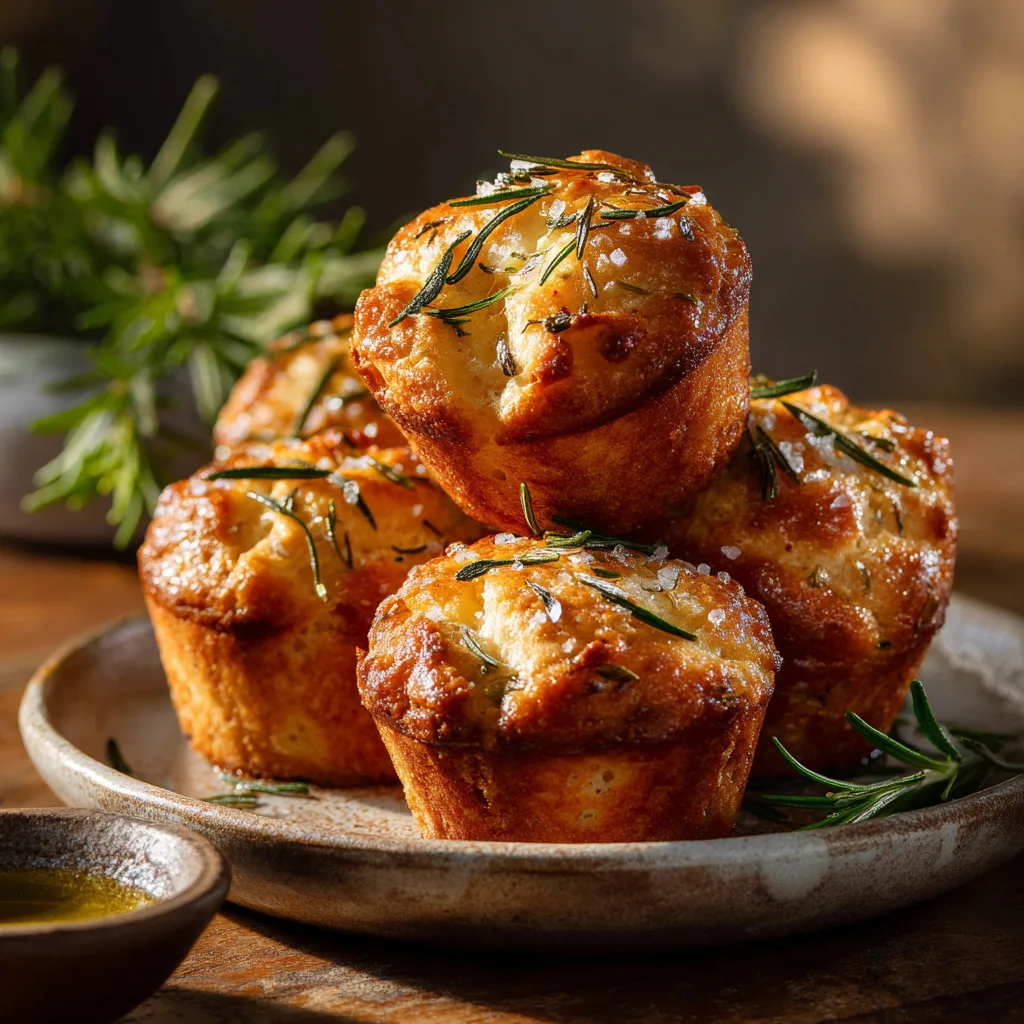
There are few aromas in the world quite as intoxicating as the smell of fresh bread baking in the oven. But when that bread is deeply infused with fruity extra virgin olive oil, pungent garlic, and earthy fresh rosemary, it elevates the entire sensory experience to a whole new level. Welcome to your new baking obsession: Golden Crust Garlic Rosemary Focaccia Muffins. This brilliant twist on a classic Italian flatbread takes everything you love about traditional focaccia—the crispy, oily crust, the chewy, airy interior, and the bold, savory toppings—and portions it into perfect, individual servings.
If you have ever fought with your family members over the coveted corner piece of a focaccia slab, this recipe is your ultimate solution. By baking the dough in a standard muffin tin, every single roll becomes an “edge piece.” You get maximum golden crust surrounding a beautifully soft, springy crumb. Whether you are serving them alongside a hearty winter stew, slicing them open for miniature gourmet sandwiches, or just eating them warm right out of the pan, these focaccia muffins are guaranteed to steal the spotlight at any dining table.
The Magic of Focaccia in a Muffin Tin
Traditional focaccia is baked in a large sheet pan or a cast-iron skillet. The dough is stretched out, famously “dimpled” with the baker’s fingers, and drenched in olive oil. The oil pools in those little dimples, frying the top and bottom of the bread as it bakes, which creates that signature crunch.
Transitioning this method to a muffin tin is a game-changer for several reasons. First, the muffin tin method drastically increases the surface area of the dough that comes into direct contact with the hot, oiled metal. This means the crispy, fried-bread texture extends all the way around the sides of the muffin, not just the top and bottom. Second, it creates built-in portion control, making these incredibly convenient for dinner parties, potlucks, or meal prepping for the week. Finally, the individual portions tend to bake slightly faster and more evenly than a massive slab of dough, reducing the risk of a soggy center.
A Brief History of Focaccia Bread
To truly appreciate these garlic rosemary focaccia muffins, it helps to understand the rich history of the bread that inspired them. Focaccia is one of Italy’s most ancient and beloved breads, with roots stretching back to the Etruscans of North Central Italy before the Roman Empire was even formed. The word “focaccia” itself is derived from the Roman expression “panis focacius,” which translates to “hearth bread.”
Originally, this rustic flatbread was baked directly on the hot stones of a fire or hearth. It was a humble, unleavened bread made from rough flour, water, and salt, heavily relied upon as a cheap and filling staple. Over the centuries, as milling techniques improved and yeast became a standard ingredient, the bread evolved into the light, airy, and olive-oil-rich delicacy we recognize today. The coastal region of Liguria in Italy is particularly famous for its focaccia genovese, celebrated for its delicate, salt-crusted top and generous lashings of local olive oil. Our muffin-tin version pays homage to this rich history while offering a fun, modern, and highly practical twist.
Why You Will Love This Recipe
- Maximum Crust-to-Crumb Ratio: Because each piece is baked in its own well, you get perfectly crispy edges all the way around.
- No Stand Mixer Required: This is a simple, straightforward dough that can easily be mixed by hand. No fancy equipment is necessary.
- Customizable: While garlic and rosemary are a classic pairing, these muffins serve as a blank canvas for any toppings you desire.
- Make-Ahead Friendly: The dough can be prepared the night before and left to slow-ferment in the fridge, developing even deeper, more complex flavors.
- Aesthetic Appeal: These glossy, golden, herb-speckled muffins look incredibly impressive and professional, making them perfect for entertaining guests.
Essential Ingredients for the Perfect Focaccia Muffin
The beauty of focaccia lies in its simplicity. Because the ingredient list is so short, the quality of each component matters immensely. Here is a detailed breakdown of what you will need to achieve focaccia perfection:
- Bread Flour (or High-Quality All-Purpose): Bread flour is highly recommended for this recipe. It has a higher protein content (usually around 12-14%) compared to all-purpose flour. This extra protein translates into stronger gluten development, giving the focaccia its characteristic chew and structure to hold large air bubbles. If you only have all-purpose flour, you can still make delicious focaccia, but it may be slightly less chewy.
- Warm Water: Hydration is key to airy bread. The water should be warm to the touch (around 105°F to 110°F) to wake up the yeast, but not so hot that it kills it.
- Active Dry Yeast or Instant Yeast: This recipe uses active dry yeast, which needs to be bloomed in water first. If using instant yeast, you can mix it straight into the dry ingredients, though blooming it is still a good way to test if your yeast is alive.
- Honey or Sugar: A small amount of sugar or honey gives the yeast food to consume, speeding up the fermentation process and aiding in the browning of the crust.
- Extra Virgin Olive Oil: Do not skimp here! This is the most important flavoring agent in the bread. You will need oil for the dough, for greasing the muffin tin, and for drizzling on top. Use a high-quality, cold-pressed extra virgin olive oil that you enjoy the taste of on its own. It should be fruity, slightly peppery, and rich.
- Fine Sea Salt: Mixed into the dough for fundamental flavor. Bread without salt is remarkably bland.
- Garlic: You can use finely minced fresh garlic, or for a more evenly distributed and less burning-prone option, high-quality garlic powder mixed into the topping oil. For the ultimate treat, use roasted garlic cloves pressed into the dough.
- Fresh Rosemary: The woody, piney aroma of fresh rosemary is essential. Strip the leaves from the stems and chop them roughly. Avoid dried rosemary if possible, as it can be tough and lacks the vibrant, fresh oils of the living plant.
- Flaky Sea Salt: Such as Maldon or fleur de sel. This is crucial for the finishing touch. The large flakes provide a delightful crunch and bursts of salinity that contrast beautifully with the rich, oily bread.
The Science of the Dough: Hydration and Yeast
Focaccia is what bakers call a “high-hydration” dough. This means the ratio of water to flour is quite high, often 70% to 80% hydration. When you mix this dough, it will seem incredibly wet, sticky, and shaggy—almost unmanageable compared to a stiff sandwich bread dough. Do not panic and do not add more flour!
This high water content is exactly what creates the expansive, airy crumb and the giant, glorious bubbles inside the bread. As the dough bakes in the hot oven, the water inside rapidly turns to steam. Because the strong gluten network traps this steam, the bread puffs up dramatically. The wet dough also contributes to the soft, springy interior.
Additionally, giving the yeast time to work is crucial. Yeast doesn’t just produce the carbon dioxide gas that makes the bread rise; it also produces organic acids and alcohols that give the bread its complex, slightly tangy flavor. While you can make this recipe in a few hours, allowing the dough to undergo a cold fermentation (resting in the fridge overnight) will exponentially improve both the texture and the taste of your focaccia muffins.
Step-by-Step Instructions
Ready to bake? Follow these detailed instructions to create the ultimate Golden Crust Garlic Rosemary Focaccia Muffins.
- Activate the Yeast: In a large mixing bowl, combine the warm water and honey (or sugar). Stir until dissolved. Sprinkle the active dry yeast over the top of the water and let it sit undisturbed for 5 to 10 minutes. The mixture should become foamy and smell distinctly yeasty. (If it doesn’t foam, your yeast is dead, and you need to start over with a fresh batch).
- Mix the Dough: To the foamy yeast mixture, add 2 tablespoons of extra virgin olive oil and the fine sea salt. Gradually add the bread flour, stirring with a wooden spoon or a sturdy spatula until a shaggy, sticky dough forms. Ensure there are no dry pockets of flour remaining at the bottom of the bowl.
- The First Rise (Bulk Fermentation): Cover the bowl tightly with plastic wrap or a damp kitchen towel. Let the dough rise in a warm, draft-free spot for about 1 to 1.5 hours, or until it has more than doubled in size and looks very bubbly and jiggly. (Pro-tip: For superior flavor, place the covered bowl in the refrigerator at this stage and let it rise slowly for 12 to 24 hours. If you do this, let it sit at room temperature for an hour before proceeding to the next step).
- Prepare the Muffin Tin: While the dough is finishing its rise, prepare your standard 12-cup muffin tin. Pour about 1/2 teaspoon of extra virgin olive oil into each of the 12 cups. Use your fingers or a pastry brush to coat the bottom and the sides of each cup thoroughly. This generous oiling is what fries the crust to a golden brown.
- Portion the Dough: Lightly oil your hands (the dough will be very sticky). Gently deflate the risen dough. Divide the dough evenly into 12 portions. The easiest way to do this is to use a pair of kitchen scissors to snip pieces off, or gently pull the dough apart. Drop one portion of dough into each oiled muffin cup.
- The Second Rise: Cover the muffin tin loosely with oiled plastic wrap or a clean towel. Let the dough rest and rise again in the pan for 45 minutes to 1 hour. The dough portions should puff up and spread out to fill the bottom of the muffin cups entirely.
- Prepare the Topping Oil: In a small bowl, mix together 3 tablespoons of extra virgin olive oil, minced garlic (or garlic powder), and the chopped fresh rosemary.
- The Crucial Dimpling Step: Preheat your oven to 400°F (200°C). Once the dough in the tins has puffed up beautifully, uncover them. Pour a little bit of the garlic-rosemary oil mixture over each muffin. Now, oil your fingertips and press them firmly down into the dough in each cup, pressing all the way to the bottom of the pan to create deep dimples. The oil will pool in these dimples.
- Season and Bake: Sprinkle the top of each dimpled muffin generously with flaky sea salt. Place the muffin tin in the center rack of the preheated oven. Bake for 18 to 22 minutes, or until the tops are a deep golden brown and the edges look crisp and caramelized.
- Cool and Serve: Remove the tin from the oven. Let the muffins cool in the pan for 5 minutes (they will continue to crisp up as they sit in the hot oil). Carefully run a butter knife around the edges if needed, then transfer the muffins to a wire cooling rack so the bottoms don’t become soggy. Serve warm!
Pro Tips for the Ultimate Golden Crust
- Do Not Be Afraid of Oil: Focaccia is an oil-rich bread. If you skimp on the olive oil in the muffin tins or during the dimpling stage, you will end up with dry, pale dinner rolls instead of crispy focaccia. Embrace the olive oil!
- Dimple with Authority: When you press your fingers into the dough, press down hard. You should feel the bottom of the metal pan. If you only press lightly, the dimples will bake out as the bread rises in the oven, and the oil will just run off the sides instead of pooling in the center.
- Watch the Garlic: Fresh minced garlic can sometimes burn and turn bitter in a 400°F oven. If you are worried about burning, you have two options: gently press the garlic bits deep into the dough during the dimpling phase so they are protected, or use a high-quality garlic powder infused into the oil instead.
Delicious Variations to Try
Once you master the basic garlic and rosemary technique, these focaccia muffins are incredibly fun to experiment with. Here are some mouth-watering variations to try for your next batch:
- The Italian Cheese Board: Top the dough with grated Parmesan, Asiago, and tiny cubes of sharp provolone before baking. The cheese will melt, crisp up, and form an incredible savory crust.
- Sun-Dried Tomato and Olive: Roughly chop sun-dried tomatoes (packed in oil) and pitted Kalamata olives. Press them deep into the dough during the dimpling stage for a salty, Mediterranean flair.
- Caramelized Onion and Thyme: Sauté thinly sliced onions in butter until deeply caramelized and sweet. Top the muffins with the onions and fresh thyme leaves instead of rosemary.
- Jalapeño Cheddar: For a spicy kick, add thinly sliced fresh jalapeños and a generous grating of sharp cheddar cheese to the tops before baking. This version pairs incredibly well with chili.
- Sweet Focaccia: Omit the garlic and rosemary. Dimple the dough with olive oil, then top generously with fresh grapes or blackberries and a sprinkle of coarse turbinado sugar. This is a traditional Tuscan treat!
What to Serve with Focaccia Muffins
These savory, oily, herb-crusted muffins are incredibly versatile. They are brilliant companions to almost any meal.
Soups and Stews: Their robust crust and airy interior make them the ultimate vessel for dipping. Serve them alongside a creamy tomato bisque, a hearty beef stew, or a classic Italian minestrone. They soak up broth beautifully without instantly falling apart.
Pasta Night: Elevate your spaghetti bolognese, baked ziti, or fettuccine alfredo by serving these garlic rosemary muffins on the side. They act as the perfect edible mop to clean your plate of every last drop of pasta sauce.
Mini Sandwiches: Slice them in half horizontally to create the ultimate artisanal slider buns. Fill them with prosciutto, fresh mozzarella, arugula, and balsamic glaze for incredible Italian deli-style sandwiches. Or, use them for miniature breakfast sandwiches with egg and bacon.
Charcuterie Boards: Arrange a basket of warm focaccia muffins next to a sprawling board of cured meats, artisan cheeses, fig jam, and fresh fruits. They add a comforting, warm, and freshly baked element to the spread.
Storage, Freezing, and Reheating Instructions
To Store: Focaccia is always best the day it is made. However, you can store leftover completely cooled muffins in an airtight container or zip-top bag at room temperature for up to 2 days. Do not refrigerate them, as the cold environment will cause the bread to stale much faster.
To Freeze: These muffins freeze beautifully! Once completely cooled, place them in a single layer in a freezer-safe bag, squeeze out as much air as possible, and freeze for up to 3 months.
To Reheat: To revive the crispy crust, the oven or air fryer is your best friend. Microwave reheating will make them soft and chewy, but you will lose the crust.
From Room Temperature: Place the muffins in a 350°F (175°C) oven or toaster oven for 5-8 minutes until warmed through and the crust is re-crisped.
From Frozen: Bake directly from frozen in a 350°F (175°C) oven for 10-15 minutes until hot and crispy.
Frequently Asked Questions (FAQ)
Can I use a sourdough starter instead of commercial yeast?
Yes, you absolutely can! You can substitute about 100g of active, bubbly sourdough starter for the yeast. However, you will need to significantly adjust the rise times, as wild yeast takes much longer to ferment the dough than commercial yeast. Expect a bulk fermentation of 4-6 hours, followed by an overnight cold proof.
Why didn’t my focaccia get big bubbles?
A lack of bubbles usually stems from two issues: the dough was too dry (not enough hydration), or it wasn’t given enough time to rise. Make sure you are using a kitchen scale for accuracy if possible, don’t add extra flour even if it’s sticky, and ensure your yeast is alive and active before mixing.
Can I make this in a regular cake pan instead of a muffin tin?
Yes. If you prefer a traditional focaccia slab, you can pour this exact dough quantity into a well-oiled 9×9 inch square baking pan or a cast-iron skillet. The instructions remain the same; simply dimple the whole pan and bake for slightly longer, about 25-30 minutes.
Is it necessary to use extra virgin olive oil?
For the best flavor, yes. Extra virgin olive oil is cold-pressed and retains the pure flavor of the olives. Regular olive oil or vegetable oils are chemically processed and lack the robust, fruity notes that make focaccia so distinctive. The oil is a primary ingredient here, not just a cooking fat, so quality matters.
Golden Crust Garlic Rosemary Focaccia Muffins
Ingredients
Equipment
Method
- In a large bowl, dissolve the honey in the warm water. Sprinkle the yeast over the top and let sit for 5-10 minutes until foamy.
- Add 2 tablespoons of olive oil, fine sea salt, and the flour to the yeast mixture. Mix with a sturdy spoon until a shaggy, sticky dough forms. Ensure no dry flour remains.
- Cover the bowl with a damp towel or plastic wrap. Let the dough rise in a warm place for 1 to 1.5 hours until doubled in size and bubbly.
- Generously coat each cup of a 12-cup muffin tin with extra virgin olive oil (about 1/2 tsp per cup), greasing the bottoms and sides thoroughly.
- With lightly oiled hands, gently deflate the dough. Divide it into 12 equal portions. Drop one portion into each prepared muffin cup.
- Cover the muffin tin loosely and let the dough rest for a second rise, about 45 minutes to 1 hour, until the dough puffs up to fill the cups.
- Preheat your oven to 400°F (200°C). In a small bowl, mix the remaining olive oil with the minced garlic and fresh rosemary.
- Drizzle the garlic-rosemary oil evenly over the puffy dough in the tins. Oil your fingers and press firmly into the dough in each cup, pressing all the way to the bottom to create deep dimples.
- Sprinkle the tops generously with flaky sea salt. Bake in the preheated oven for 18 to 22 minutes, or until the muffins are deep golden brown and crispy on the edges.
- Let cool in the pan for 5 minutes before transferring to a wire rack to prevent soggy bottoms. Serve warm.