How to Freeze Heavy Cream: The Ultimate Kitchen Hack
How to Freeze Heavy Cream: The Ultimate Guide to Zero Waste
We have all been there. You find a delicious recipe for a creamy pasta sauce or a decadent dessert that calls for exactly half a cup of heavy cream. You buy the pint (or worse, the quart) because it’s the smallest size available, use what you need, and then shove the carton to the back of the fridge. Two weeks later, you discover it while searching for the mustard, give it a sniff, and sadly pour the spoiled, curdled remains down the sink.
It is a cycle of food waste and wasted money that happens in kitchens everywhere. But what if I told you there is a simple, effective solution that takes less than five minutes and ensures you never waste a drop of “liquid gold” again? Freezing heavy cream is one of the most underutilized kitchen hacks, yet it is arguably one of the most practical.
In this comprehensive guide, we are going to dive deep into the art of preserving heavy cream. While it might sound simple—pour and freeze—there are nuances to maintaining quality, texture, and utility. We will explore the best methods for freezing, how the texture changes (and why that matters), and the myriad of ways you can use your stash of frozen cream cubes to elevate your everyday cooking. Say goodbye to spoiled dairy and hello to a freezer stocked with convenient, portion-controlled flavor boosters.
Why You Should Be Freezing Heavy Cream
Heavy cream is a high-fat dairy product, which actually makes it freeze better than lower-fat options like skim milk. However, many home cooks hesitate to freeze dairy because of concerns about separation. While separation does occur (more on that later), the benefits of freezing cream far outweigh the minor textural changes, especially if you know how to use it correctly.
- Save Money: Dairy prices are rising. Buying a larger container is often cheaper per ounce, but only if you use it all. Freezing allows you to buy in bulk without fear of spoilage.
- Convenience: Having small, pre-measured portions of cream ready to drop into a pan means you can add richness to a Tuesday night tomato soup or a pan sauce without running to the store.
- Portion Control: By freezing cream in ice cube trays or silicone molds, you know exactly how much you are adding. A standard ice cube is roughly 2 tablespoons (1 ounce), making recipe math a breeze.
- Reduce Food Waste: In the United States alone, dairy accounts for a significant portion of household food waste. Freezing your leftovers is a small but impactful step toward a more sustainable kitchen.
Frozen Heavy Cream Cubes
Ingredients
Equipment
Method
- Shake the carton of heavy cream well to distribute the butterfat evenly.
- Place a clean, dry silicone mold or ice cube tray on a baking sheet for stability.
- Pour the heavy cream into the mold cavities, leaving a tiny amount of space at the top for expansion.
- Place the baking sheet in the freezer and freeze for 4-6 hours, or until the cream is completely solid.
- Remove the frozen cubes from the mold and transfer them to a labeled freezer-safe bag or airtight container.
- Store in the freezer for up to 3-4 months. Use directly in hot dishes or thaw in the fridge for baking.
Notes
Ingredients and Equipment
This “recipe” is more about technique than a shopping list, but having the right tools makes the process smoother and the results better.
Ingredients
- Heavy Cream (or Heavy Whipping Cream): Ideally, freeze it when it is still fresh. Do not wait until the expiration date or until it smells slightly sour. The fresher it goes in, the fresher it comes out.
Equipment
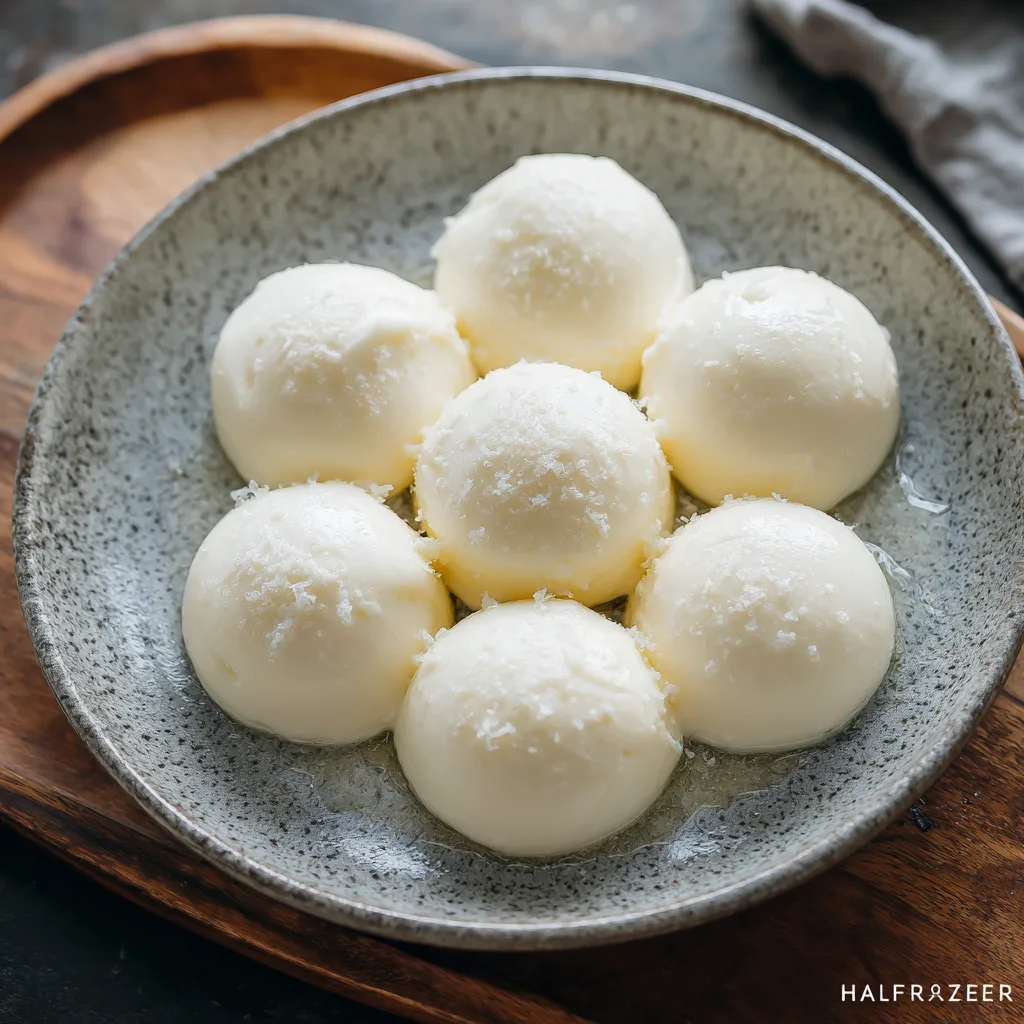
- Silicone Mold or Ice Cube Tray: Silicone molds are superior here. Because heavy cream is high in fat, it can cling to rigid plastic trays. Flexible silicone allows you to pop the frozen domes out effortlessly. Semi-sphere molds (like the ones used for chocolate bombs) or standard square cube trays work well.
- Baking Sheet: To support the flexible silicone mold while transferring it to the freezer.
- Freezer-Safe Storage Bag: For long-term storage after the cubes are frozen solid.
- Permanent Marker: For labeling the date and contents.
Step-by-Step Instructions
Step 1: Preparation
Shake your carton of heavy cream well before opening. Cream has a tendency to separate slightly even in the fridge, with the heavier fat rising to the top. A good shake ensures the fat is evenly distributed, so every frozen cube has the same consistency.
Step 2: Pouring
Place your clean, dry silicone mold or ice cube tray on a baking sheet or a cutting board. This provides stability so you don’t spill liquid cream on your way to the freezer. Carefully pour the heavy cream into the cavities. Leave a tiny bit of headspace (about 1-2 millimeters) at the top, as liquids expand slightly when they freeze.
Pro Tip: If you want to be precise, use a tablespoon measure to fill one cavity first to see exactly how much it holds, then fill the rest. Most standard ice cubes hold 2 tablespoons (1 ounce).
Step 3: The Flash Freeze
Carefully transfer the baking sheet with the tray into the freezer. Make sure it sits level. Let the cream freeze until it is completely solid. Depending on the size of your cubes and the temperature of your freezer, this usually takes between 4 to 6 hours, though overnight is best to ensure they are rock hard.
Step 4: Transfer for Long-Term Storage
Once solid, remove the tray from the freezer. Working quickly to prevent melting, pop the cream cubes out of the mold. Transfer them immediately into a gallon-sized freezer bag or an airtight container. Squeeze as much air out of the bag as possible before sealing to prevent freezer burn.
Step 5: Label and Date
Use your permanent marker to write “Heavy Cream” and the date on the bag. It is also helpful to write the measurement (e.g., “1 cube = 2 tbsp”). Frozen heavy cream is best used within 3 to 4 months for optimal quality.
The Science: Can You Whip Frozen Cream?
This is the most common question, and the answer is important to manage expectations: Generally, no.
When you freeze heavy cream, the water content crystallizes. These ice crystals can puncture the fat globules. When the cream thaws, the emulsion of fat and water is destabilized. This results in a texture that might look slightly grainy or separated. Because the fat structure has been altered, thawed heavy cream usually will not whip up into stiff, fluffy peaks for a cake topping.
However, there is a caveat. If you freeze heavy cream that has already been whipped and sweetened, it holds its structure surprisingly well! But for liquid cream frozen in cubes, plan to use it for cooking and baking rather than garnishing.
How to Use Frozen Heavy Cream
Since the texture changes slightly upon thawing, frozen heavy cream shines in applications where it will be melted or cooked. Here are fantastic ways to use your stash:
1. Soups and Chowders
There is no need to thaw the cubes first. Simply drop a frozen cube or two directly into a simmering pot of tomato soup, butternut squash bisque, or corn chowder. It will melt instantly, adding a luxurious, velvety finish.
2. Pan Sauces
After searing a steak or chicken breast, deglaze the pan with some broth or wine, then toss in a cream cube. Whisk as it melts to create a rich, restaurant-quality sauce in seconds.
3. Coffee and Tea
You can use a frozen cube directly in your hot coffee. It acts as a creamer and a cooler simultaneously, bringing your piping hot coffee to a drinkable temperature while adding richness. Note: You might see tiny specks of fat separation floating on top; this is normal and purely aesthetic. It tastes the same.
4. Smoothies and Shakes
Add a cream cube to your blender instead of regular ice. It thickens the smoothie and adds healthy fats without watering down the flavor like water-ice does.
5. Baking
If a scone or biscuit recipe calls for heavy cream, thaw the cubes in the fridge overnight. Give the thawed liquid a vigorous whisk to re-emulsify it as much as possible before mixing it into your dough. Since it will be baked, the slight change in grain structure won’t be noticeable in the final product.
6. Scrambled Eggs
Drop a small cube into your skillet while scrambling eggs. As it melts, it steams the eggs and adds fat, resulting in the fluffiest, creamiest scrambled eggs you’ve ever had.
Variations: Flavored Cream Cubes
Once you master the basic technique, you can get creative and make “compound cream cubes” ready for specific dishes.
- The Coffee Lover: Mix heavy cream with a splash of vanilla extract and a teaspoon of maple syrup before freezing. Perfect for dropping into iced coffee.
- The Savory Chef: Finely mince fresh herbs like thyme, rosemary, or garlic and mix them into the cream before freezing. These are incredible for finishing mashed potatoes or tossing with pasta.
- The Baker: Stir in a pinch of cinnamon or nutmeg. These cubes are perfect for melting into oatmeal or porridge on a cold winter morning.
Troubleshooting and Tips
My cream looks yellow/separated after thawing. Is it bad?
Not necessarily. If it smells fine, it is safe to eat. The yellowing is often just the butterfat separating. Give it a good shake or whisk. If it smells sour or off, discard it.
Can I freeze half-and-half or milk?
Yes, but the lower the fat content, the more icy and separated it will become. Skim milk freezes poorly (very watery), while half-and-half is decent but not as stable as heavy cream.
How do I thaw it if I need liquid?
The best method is slow thawing in the refrigerator. Place the desired number of cubes in a bowl and let them sit in the fridge overnight. Avoid microwaving them to thaw, as the high heat can cause the butterfat to separate completely into an oily mess.
Final Thoughts
Freezing heavy cream is one of those simple habits that makes you feel like a kitchen wizard. It requires minimal effort but offers maximum reward in terms of convenience and savings. By keeping a bag of these creamy domes in your freezer, you are always just seconds away from elevating a simple dish into something rich and comforting. So, next time you buy a quart of cream for a holiday recipe, don’t let the rest go to waste—freeze it!