Peas & Pancetta salad
The Essential Guide to Peas & Pancetta: The Unsung Hero of the Holiday Table
Keywords: Peas and Pancetta, Thanksgiving Side Dish, Easy Italian Side Dish, Best Holiday Peas Recipe, Quick Pancetta Recipe, Simple Vegetable Side, Peas with Shallots, Lemon Zest Peas, Savory Pea Recipe, Homemade Holiday Sides, Pancetta and Peas.
In the grand pantheon of holiday cooking, certain dishes—the turkey, the stuffing, the decadent mashed potatoes—tend to hog the spotlight. They are the main characters, the crowd-pleasers that everyone talks about for days. But what about the unsung heroes? What about the simple, vibrant, and utterly delicious side dishes that quietly elevate the entire meal? Enter Peas & Pancetta. This is not your grandmother’s boiled-until-gray side of peas; this is a revelation. It is a dish that takes the humble, often-overlooked green sphere and transforms it into a savory, zesty, and texturally complex masterpiece. Whether you’re planning a massive Thanksgiving feast, a cozy Christmas dinner, or simply want a weeknight side that feels gourmet, this easy Italian side dish is the answer you didn’t know you were looking for. It’s fast, requires minimal ingredients, frees up precious oven space, and delivers a huge punch of flavor that beautifully cuts through the richness of heavier main courses. This article will not only provide the definitive recipe but also delve into why this quick-cook side has become a must-have holiday tradition for so many.
🌟 Why Peas & Pancetta is the Best Side Dish
The secret to the irresistible charm of Peas & Pancetta lies in its deceptive simplicity and the perfect marriage of textures and flavors. The dish hinges on a classic culinary concept: pairing a mild, sweet vegetable with a salty, savory cured meat. It is a brilliant study in contrast, utilizing the natural sweetness of the pea to balance the intense salt and umami of the cured pork. This careful balance is key to its success and its wide appeal, even among those who typically shy away from peas. The simplicity of the preparation also means that even the most novice home cook can achieve spectacular results, adding a touch of gourmet elegance to any meal with minimal effort.
The star flavor component, the pancetta, which is essentially Italian cured pork belly (think of it as unsmoked bacon), is diced and rendered slowly. This process is crucial and must not be rushed. Slow rendering over medium heat not only crisps the meat to a delightful, crunchy texture—providing that all-important textural contrast—but also releases its rich, savory fat. This rendered fat is liquid gold; it becomes the flavorful cooking medium for the shallots, infusing them with a deep, smoky, and salty undertone as they turn translucent and sweet. Unlike the more aggressive, pungent flavor of a standard yellow or white onion, shallots offer a gentle, refined allium flavor that complements the delicate sweetness of the peas beautifully, adding depth without overpowering the dish. The subtle difference a shallot makes versus an onion is a testament to the dish’s nuanced flavor profile.
Then come the peas. We highly recommend using frozen petite peas, which are actually picked at their absolute peak of sweetness in the season and flash-frozen within hours. This process locks in more flavor, vibrant color, and nutrients than many “fresh” supermarket peas that have traveled long distances. They are added directly to the hot pan, minimizing cooking time and allowing them to soak up all that incredible rendered fat and shallot flavor. The key is to cook them just until bright green and tender-crisp—never overcooked. Overcooked peas lose their vibrant color and satisfying pop, becoming dull and mushy.
The final, crucial touch is often a hit of fresh lemon zest or a small squeeze of juice and a sprinkle of fresh herbs, like parsley or mint. This burst of acidity and freshness is what truly distinguishes this dish, providing a high-note contrast to the savory pancetta and the earthy sweetness of the peas. This little bit of acid is a chef’s secret weapon, helping to “lift” the heavier flavors and make the entire dish feel brighter and more sophisticated. The interplay between the rich fat, the sweet peas, and the bright lemon is what makes this a truly unforgettable side dish.
This dynamic contrast makes it the perfect foil for heavier holiday fare. The rich, salty crunch of the pancetta against the sweet, burst of the pea, all brightened by the lemon, provides a necessary textural and flavor counterpoint to things like gravy, turkey, and creamy casseroles. It’s a clean, bright, and utterly addictive dish that consistently surprises those who thought they didn’t like peas. It offers a much-needed vegetable component that doesn’t rely on heavy cream or cheese, allowing the natural flavor of the ingredients to shine through. Furthermore, the quick cook time means the stovetop space required is minimal, a massive advantage during the frenetic pace of holiday meal preparation when every oven rack and burner is usually accounted for.
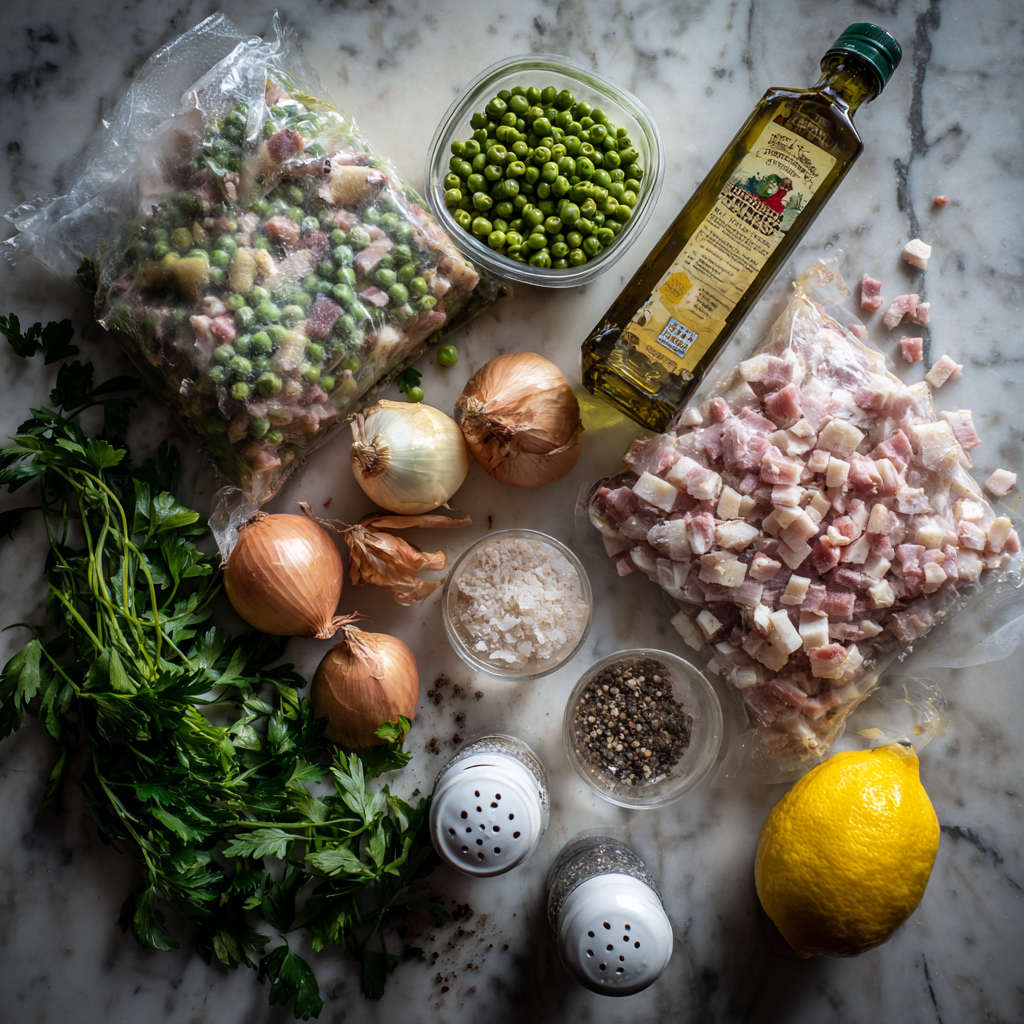
The Anatomy of Flavor: Mastering the Ingredients
Choosing the right ingredients is paramount to the success of this simple dish. While the component list is short, the quality and preparation of each element makes all the difference, transforming a basic vegetable side into a dish worthy of a special occasion.
- Pancetta Quality: Look for good quality, pre-diced pancetta, or buy a whole slab that you can dice yourself. The preferred cut is small, even cubes (about $1/4$ inch) that will crisp up uniformly. If you absolutely can’t find pancetta, a high-quality thick-cut bacon can be used, but be aware it will impart a stronger smoky flavor that is not traditional for this Italian-inspired side. Critical step: Always taste a small piece of the cooked pancetta before seasoning the final dish; its saltiness can vary dramatically depending on the cure, which will dictate how much, if any, additional salt you need to add to the peas.
- The Power of the Pea: Frozen petite peas are your best bet for optimal color and structure. They retain their color and structure better than standard frozen peas. There is virtually no need to thaw them beforehand; adding them straight from the freezer to the hot pan minimizes the risk of overcooking. They quickly heat through, which maintains their sweetness and satisfying pop. Never use canned peas, as their flavor and texture are far too degraded for this type of fresh, simple preparation.
- Shallots vs. Onions: The shallot is the mild, sweet backbone of the dish’s allium flavor. They should be thinly sliced or finely diced to ensure they melt seamlessly into the rendered pancetta fat. Their subtle flavor provides depth without the assertive, slightly aggressive bite that a regular onion might lend, making the dish feel more refined.
- The Zesty Brightener (Lemon): The zest is essential. It provides the aromatic oil that gives the dish its signature brightness. Use a microplane or fine grater to capture only the yellow zest, carefully avoiding the bitter white pith (the albedo). Pith is intensely bitter and can ruin the flavor profile. A small squeeze of fresh juice at the very end can also balance the richness and further enhance the vegetable’s sweetness.
- Fresh Herb Finish: Fresh parsley is the most standard choice, adding a beautiful color contrast and clean, slightly grassy flavor that complements the peas. For a more adventurous, traditional Italian twist, consider a tiny bit of chopped fresh mint. Mint adds a cooling sensation that contrasts beautifully with the warm, salty pancetta, taking the dish to a more sophisticated level.
A note on the cooking fat: you will start with a small amount of olive oil, but the main, most crucial cooking fat will be the rendered pancetta fat. This fat is loaded with flavor and savory compounds; resist the urge to drain it all off! This flavorful rendered fat is what coats the peas and shallots, infusing the whole dish with its signature rich, savory flavor. Leaving a few tablespoons of this fat in the pan is the difference between a good side dish and a spectacular one.
The Art of the Quick Sauté: Instructions for Success
The true marvel of the Peas & Pancetta recipe is its speed and efficiency. From prep to plate, you can have a gourmet side dish on the table in under 20 minutes, making it the perfect choice when your oven is full and your time is scarce, or when you need a fast weeknight dinner side that doesn’t feel like a compromise.
— ingredients —
- 1 tablespoon Olive Oil
- 4 ounces Pancetta, diced into small cubes
- 2 medium Shallots, thinly sliced
- 1 clove Garlic, minced (optional, for extra depth)
- 16 ounces (1 lb) bag Frozen Petite Peas
- 1 tablespoon Fresh Parsley, finely chopped
- 1/2 teaspoon Lemon Zest (from half a lemon)
- 1-2 tablespoons Water or Chicken Broth (optional, for deglazing)
- Kosher Salt and Freshly Ground Black Pepper to taste
— instructions —
- Render the Pancetta Slowly: Heat the olive oil in a large skillet or sauté pan over medium heat. Add the diced pancetta. Cook slowly, stirring occasionally, until the pancetta is golden brown and crisp and the fat has fully rendered, which usually takes about 6-8 minutes. Do not rush this step; slow cooking is essential for crispiness.
- Reserve the Pancetta: Use a slotted spoon to remove the crispy pancetta pieces from the pan and transfer them to a small plate lined with a paper towel. This keeps the pancetta crunchy. Leave about 2-3 tablespoons of the rendered fat in the pan. If there is significantly more, you can spoon a little out, but reserve the flavorful fat.
- Sauté the Shallots (and Garlic): Add the thinly sliced shallots to the pan with the rendered fat. Sauté over medium heat, stirring, for 3-5 minutes until they are soft, translucent, and just beginning to caramelize and turn a light golden color. If using, add the minced garlic and cook for about 30 seconds until fragrant, being careful not to burn it. Burnt garlic will turn the entire dish bitter.
- Cook the Peas Quickly: Increase the heat to medium-high. Add the frozen peas directly to the pan. If you find the pan looks too dry and the shallots are sticking, you can add 1-2 tablespoons of water or chicken broth. This will create a little steam, help deglaze any flavorful bits stuck to the bottom of the pan (the fonds), and hydrate the dish slightly.
- Simmer and Season: Stir the peas vigorously for only 3-4 minutes until they are bright green and heated through. Do not overcook them, or they will lose their vibrancy and texture. The goal is tender-crisp.
- Finish the Dish and Combine: Turn off the heat immediately to stop the cooking process. Stir in the lemon zest and the fresh parsley. Add about three-quarters of the reserved crispy pancetta and stir to combine. Season generously with freshly ground black pepper.
- Serve and Final Seasoning: Transfer the finished side dish to a warm serving bowl. Taste the dish before adding any extra salt. Remember: pancetta is very salty, so you may need very little or no extra kosher salt. Top with the remaining crispy pancetta and serve immediately while the crunch is at its best.
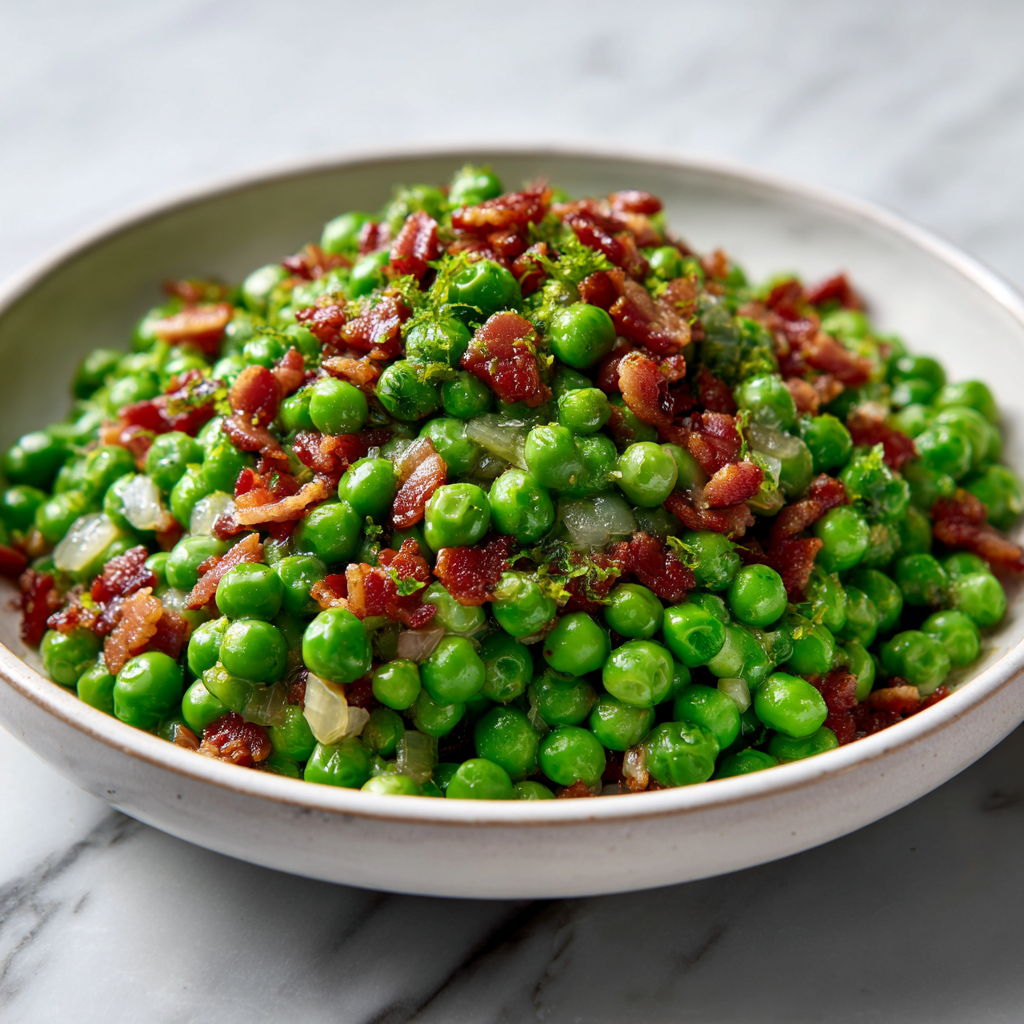
🥗 A Symphony of Sides: Pairing Perfection
While it shines during the high-pressure environment of the holidays, this Savory Pea Recipe is incredibly versatile and works well year-round with a variety of main courses. Its vibrant color and clean flavor profile make it a superior alternative to heavier, cream-laden vegetable dishes.
- For the Holiday Table: It is a classic and reliable accompaniment to any roast, including roast turkey, prime rib, or a maple-glazed ham. Its bright, zesty character acts as a necessary palate cleanser against the richness of slow-cooked meats and buttery side dishes like mashed potatoes or sweet potato casseroles. Pair it with a creamy potato gratin or a simple, acidic cranberry sauce for a fully balanced holiday plate that offers both indulgence and freshness. The striking green of the peas also adds a beautiful, contrasting color to the generally brown and white palette of many holiday meals.
- Weeknight Gourmet: Use it as a quick and sophisticated side for pan-seared chicken breasts, grilled salmon, or simple pork chops. It’s also phenomenal when gently stirred into a simple pasta dish like orecchiette with a little extra olive oil and a final sprinkle of grated Parmesan cheese. It instantly transforms a basic weeknight meal into something that feels elevated and intentional. The quick preparation means that even on a busy Tuesday, you can enjoy a dish that tastes like it took much longer to prepare.
- True Italian Feast: Naturally, it’s the perfect side for traditional Italian classics. Think Osso Buco (braised veal shanks), Cacio e Pepe (cheese and pepper pasta), or even a simple baked lasagna. The subtle Italian influence of the pancetta means it blends seamlessly into the flavor profile of a robust Mediterranean-inspired meal. It also pairs wonderfully with polenta or risotto, cutting through the starchiness of the grains with its acidity and fresh flavor. Its heritage ensures it complements, rather than clashes with, other strong Italian flavors.
The critical final touches—the small addition of brightness from the lemon and the contrasting texture from the crispy pancetta—mean this dish can elevate the most pedestrian main course. It is an argument for the power of simple, well-executed vegetable preparation—a gentle reminder that sometimes, the best recipes are the ones that take a handful of high-quality ingredients and treat them with respect and precision.
🧐 Troubleshooting Common Pea Problems
Even the simplest recipes can have pitfalls, particularly when timing is tight. Here are a few common issues and tips to ensure your Peas & Pancetta is flawless every time you make it.
- Problem: My peas look dull and wrinkled.
- Solution: This is the absolute tell-tale sign of overcooking. Frozen peas only need a few minutes to heat through and remain tender-crisp. If you cook them too long, they release their internal gases and their vibrant chlorophyll breaks down, leading to that sad, army-green color and mushy texture. Keep the cooking time short—literally 3 to 4 minutes—and the heat brisk (medium-high). The peas should maintain their round shape and pop when you bite into them.
- Problem: The dish tastes too salty.
- Solution: The culprit is usually the pancetta. As a cured meat, its salt content can vary widely. Always reduce the amount of added salt initially; assume the pancetta is providing the majority of the seasoning. The lemon juice and zest are your friends here; a little extra acidity is a great way to “brighten” and neutralize an overly salty flavor profile. You can also add a small pinch of sugar or a spoonful of unsalted butter to try and balance the harshness of the salt.
- Problem: My pancetta is chewy, not crispy.
- Solution: This occurs if you cooked the pancetta too fast or didn’t cook it long enough. Crispy pancetta requires a slow render over medium or even medium-low heat. The goal is to melt the fat out gently before the muscle meat burns and becomes tough. Patience is absolutely key for achieving that perfect, satisfying, shatteringly light crunch. If you see it browning too quickly, lower the heat immediately.
- Problem: The dish seems a little plain despite the pancetta.
- Solution: You might be missing the finishing touches! The fresh parsley and, more importantly, the lemon zest are the non-negotiable flavor boosters. They are added at the very end to ensure their delicate, volatile oils don’t cook off. If you omit these, or use dried herbs, the dish can fall flat. A final, secret tip: a small shaving of high-quality, aged Parmesan cheese at the end can add a complex, nutty, salty umami depth that takes the flavor from simple to sublime. Never underestimate the power of a fresh garnish.
The Lasting Appeal of Simple Elegance: Conclusion
The Peas & Pancetta dish is more than just a side; it’s a masterclass in effortless elegance and the power of high-quality ingredients. It proves that the best cooking doesn’t require dozens of complicated steps or exotic ingredients. It requires balance, quality components, and a respect for the integrity of those ingredients. It’s a culinary paradox: a simple dish that is simultaneously rich, bright, and texturally exciting. It’s a side dish that works tirelessly behind the scenes, providing the necessary vibrant color, addictive crunch, and refreshing lightness that every rich holiday or weeknight meal desperately needs. It truly deserves its place not just as a reliable recipe but as a standout star on your table. Add it to your rotation this year, and watch as this simple, beautiful dish quietly steals the show and earns its title as the Best Holiday Side Dish in your family’s culinary lexicon. Its enduring popularity is a testament to the principle that in cooking, as in life, sometimes the simplest combinations are the most satisfying and the most memorable.
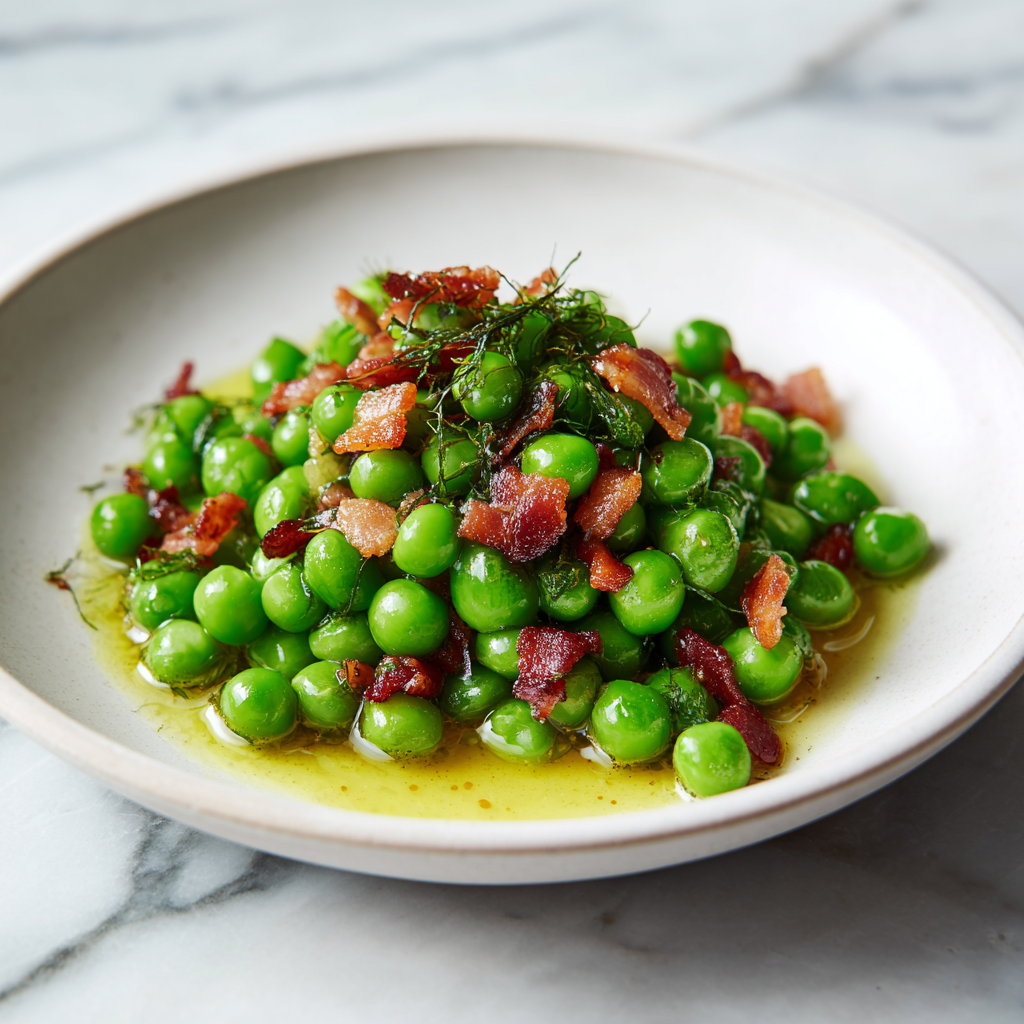
Thanksgiving Peas & Pancetta
Ingredients
Equipment
Method
- Heat the olive oil in a large skillet over medium heat. Add the diced pancetta and cook slowly, stirring occasionally, until it is golden brown and crisp and the fat has fully rendered (about 6-8 minutes).
- Use a slotted spoon to remove the crispy pancetta pieces and set aside on a paper towel-lined plate. Leave about 2-3 tablespoons of rendered fat in the pan.
- Add the sliced shallots to the pan. Sauté over medium heat for 3-5 minutes until they are soft, translucent, and lightly golden.
- Increase the heat to medium-high. Add the frozen peas directly to the pan. Stir vigorously for 3-4 minutes until they are bright green and heated through. Add a splash of water/broth if the pan is too dry.
- Remove the pan from the heat. Stir in the lemon zest and fresh parsley. Add about three-quarters of the reserved crispy pancetta and mix to combine.
- Season with freshly ground black pepper and taste for salt. Transfer to a serving dish, top with the remaining crispy pancetta, and serve immediately.