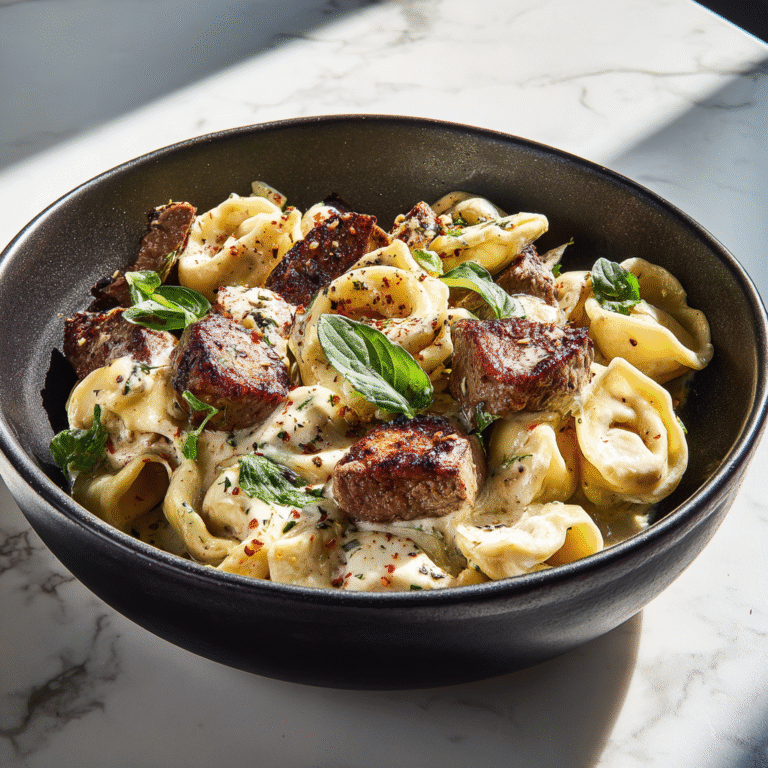
Roasted Veggies & Feta Bowl
The Cozy Winter Harvest Dinner Bowl You Need Tonight
When the temperature drops and the days get shorter, our bodies naturally crave meals that are grounding and nourishing. We want something warm, something hearty, but also something vibrant to counter the grey skies. This Winter Harvest Dinner Bowl is the culinary equivalent of a thick wool blanket. It combines the earthy sweetness of roasted root vegetables with the chewiness of ancient grains and the salty tang of feta cheese.
This isn’t just a salad; it’s a meal. It utilizes the best produce the cold season has to offer—butternut squash and beets—and roasts them until they are tender and caramelized. Tossed with nutty farro (or barley) and a zesty maple-balsamic dressing, this bowl delivers a complex profile of flavors: sweet, savory, tangy, and crunchy. It is colorful, packed with vitamins, and satisfying enough to keep you full all evening.
In this guide, we’ll show you how to time your roasting perfectly, how to cook grains so they aren’t mushy, and how to assemble a bowl that looks as good as it tastes.
Why You Will Love This Recipe
- Texture Heaven: You get soft roasted veggies, chewy grains, creamy cheese, and crunchy seeds all in one bite.
- Meal Prep Friendly: The roasted vegetables and grains actually taste better the next day after absorbing the dressing, making this perfect for work lunches.
- Nutrient Dense: Packed with fiber from the grains, antioxidants from the beets, and Vitamin A from the squash.
- Versatile Base: Don’t have farro? Use quinoa. No feta? Use goat cheese. It’s easily adaptable to what is in your pantry.
Ingredients Breakdown
Let’s look at the components that build this flavor profile.
Winter Harvest Dinner Bowl
Ingredients
Equipment
Method
- Preheat oven to 400°F (200°C). Line a large baking sheet with parchment paper.
- Toss the cubed squash and beets with olive oil, thyme, salt, and pepper. Spread on the baking sheet.
- Roast for 35-40 minutes, tossing halfway, until vegetables are tender and caramelized.
- Meanwhile, combine farro and vegetable broth in a saucepan. Bring to a boil, reduce heat, and simmer for 25-30 minutes until tender. Drain excess liquid.
- In a small jar, whisk together balsamic vinegar, maple syrup, extra virgin olive oil, salt, and pepper to make the dressing.
- In a large bowl, combine the warm farro and roasted vegetables.
- Drizzle with dressing and toss to coat.
- Top with crumbled feta cheese and pepitas before serving.
Notes
The Base
- Farro or Barley: We recommend farro for its nutty flavor and distinct “chew.” It holds up well against heavy vegetables and doesn’t get soggy. Brown rice or quinoa are great gluten-free alternatives.
The Roast
- Butternut Squash: Cubed into bite-sized pieces. When roasted, it becomes creamy and sweet.
- Red Beets: Earthy and rich. Roasting concentrates their natural sugars. Tip: Cut the beets slightly smaller than the squash as they take longer to cook.
- Olive Oil & Thyme: For coating the veggies before they hit the oven.
The Toppings
- Feta Cheese: The saltiness of the feta cuts through the sweetness of the roasted vegetables.
- Pepitas (Pumpkin Seeds): These green seeds add a necessary crunch and nuttiness.
The Dressing
- Balsamic Vinegar & Maple Syrup: The classic winter pairing. The acidity of the vinegar balances the sugar in the syrup and the veggies.
Step-by-Step Instructions

1. Roast the Vegetables
Preheat your oven to 400°F (200°C). Peel and cube your butternut squash and beets. Place them on a large baking sheet. Drizzle generously with olive oil and sprinkle with salt, pepper, and fresh thyme leaves. Toss to coat. Spread them out in a single layer—crowding the pan causes them to steam rather than roast. Bake for 30–40 minutes, tossing halfway through, until they are fork-tender and the edges are browned.
2. Cook the Grains
While the veggies are roasting, rinse your farro (or grain of choice). Simmer it in vegetable broth or salted water according to package directions until tender but still chewy (usually about 20–30 minutes for pearled farro). Drain any excess water.
3. Make the Vinaigrette
In a small jar or bowl, whisk together extra virgin olive oil, balsamic vinegar, maple syrup, a teaspoon of Dijon mustard, salt, and pepper. Taste and adjust—it should be a little punchy to flavor the whole bowl.
4. Assemble
In a large serving bowl, combine the warm grains and the hot roasted vegetables. Pour the dressing over the top and toss gently to combine. The heat from the grains will help the dressing absorb.
5. Top and Serve
Sprinkle the crumbled feta cheese and pepitas over the top. Garnish with a little extra fresh thyme or parsley. Serve warm.
Expert Tips
Beet Stains: Beets will stain everything pink, including your hands and cutting board. To keep the colors distinct in the bowl, you can roast the beets on a separate section of the pan or toss them in just before serving so they don’t dye the squash and grains pink.
Toasting the Seeds: For extra flavor, toast the pepitas in a dry skillet for 2-3 minutes until they start to pop and smell nutty. This releases their oils and makes them crunchier.
Add Greens: If you want to bulk this up even more, stir in a handful of fresh arugula or spinach when you mix the grains and hot veggies. The residual heat will slightly wilt the greens.
Serving and Storage
Storage: Store leftovers in an airtight container in the fridge for up to 4 days. This salad can be eaten cold, but we recommend microwaving it for 30-60 seconds to take the chill off.
Pairing: This bowl is a complete meal on its own, but it also serves as a fantastic side dish for roast chicken or pork tenderloin.
Conclusion
The Winter Harvest Dinner Bowl is more than just a recipe; it’s a strategy for eating well during the colder months. It proves that healthy food doesn’t have to be boring raw salads. By embracing the roasting process and combining savory grains with sweet roots, you create a meal that feels indulgent and comforting while fueling your body with exactly what it needs.