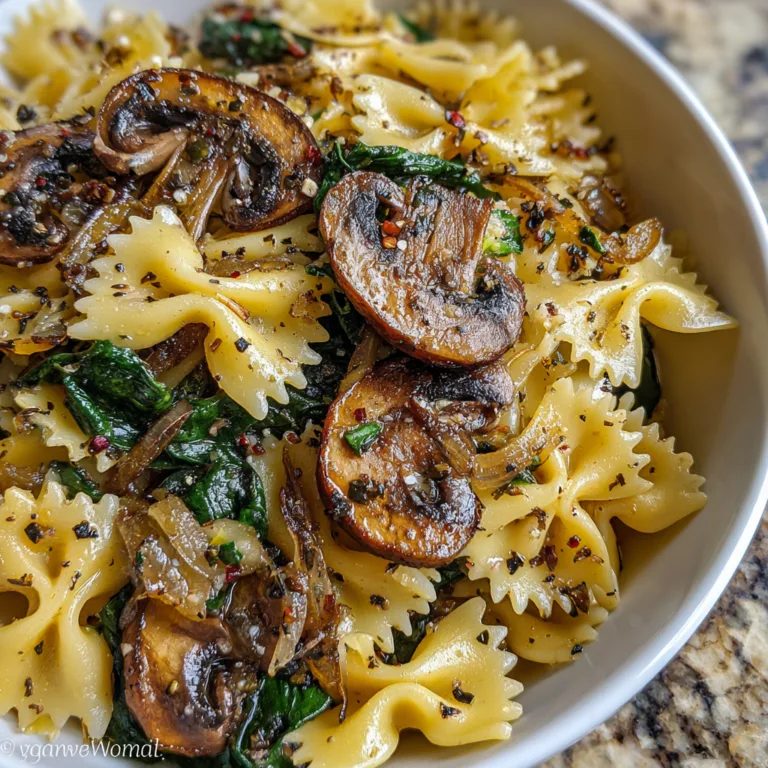
Squash Pad Thai
Spaghetti Squash Pad Thai: The Low-Carb Mock Noodle Dish That Tastes Like the Real Deal
We have all been there: the craving for takeout strikes. You are dreaming of that distinct combination of sweet, sour, salty, and spicy flavors that defines a perfect Pad Thai. But perhaps you are watching your carb intake, avoiding gluten, or simply trying to get more vegetables into your diet. Enter the Spaghetti Squash Pad Thai. This isn’t just a “healthy alternative” that you tolerate; it is a vibrant, texture-rich dish that stands on its own as a culinary masterpiece. By swapping rice noodles for roasted spaghetti squash strands, you create a meal that is lighter, more nutritious, and surprisingly adept at soaking up that addictive Pad Thai sauce.
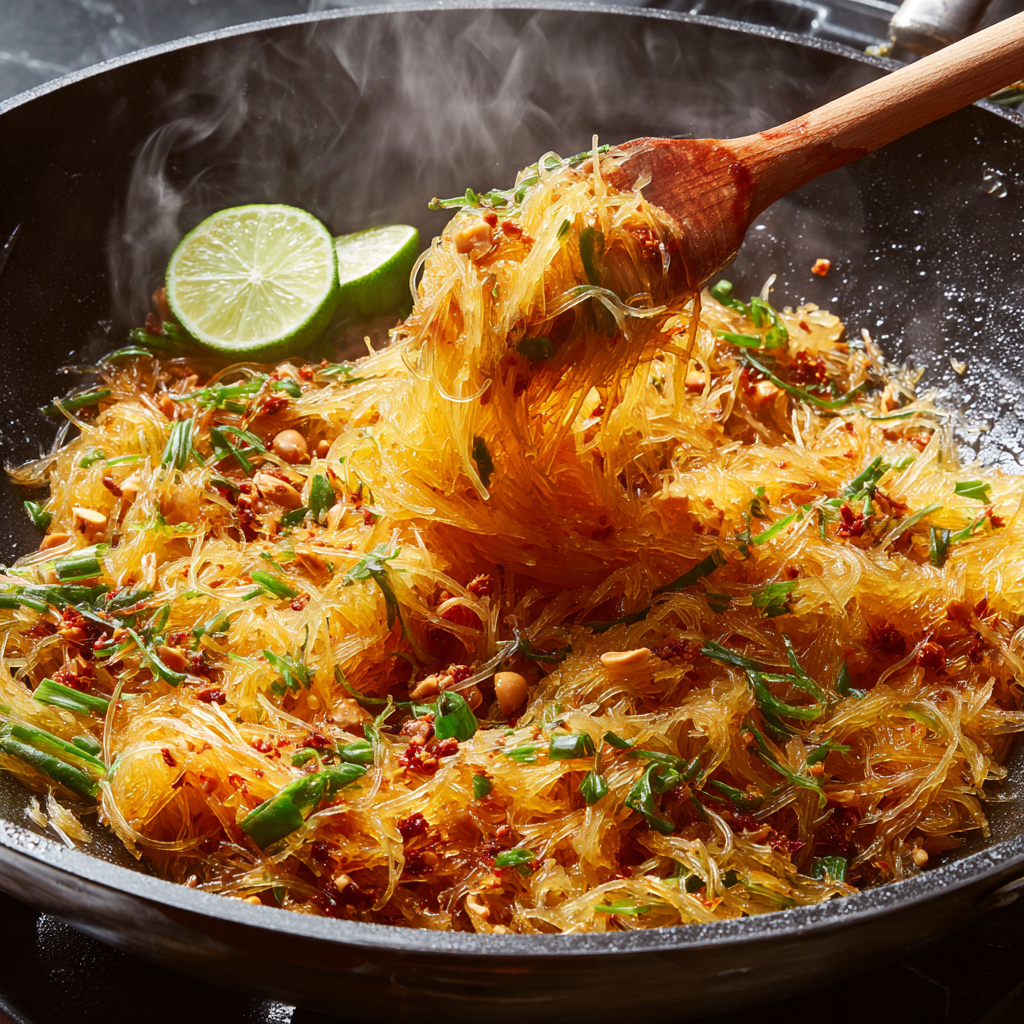
Spaghetti squash is a magical ingredient in the vegetable world. When roasted and scraped with a fork, its flesh separates into long, noodle-like strands that bear a striking resemblance to angel hair pasta or vermicelli. Unlike zucchini noodles (zoodles), which can often turn to mush, spaghetti squash holds a slight “al dente” bite, providing the chewiness necessary to mimic a stir-fried noodle dish. When you toss these strands in a hot wok with egg, crunchy peanuts, fresh bean sprouts, and a tangy tamarind-based sauce, the result is nothing short of spectacular.
In this guide, we are going to break down exactly how to achieve the perfect texture (no soggy squash here!), how to balance the complex flavors of the sauce, and how to bring it all together for a weeknight dinner that feels like a cheat meal but fuels your body like a superfood.
Why You Need This Recipe in Your Rotation
If you are skeptical about vegetable noodles, let this dish be the one to convert you. Here is why it works so well:
- Flavor Absorption: Rice noodles are great, but spaghetti squash is slightly porous, meaning it drinks up the sauce rather than just letting it slide off. Every bite is an explosion of flavor.
- Volume Eating: You can eat a massive bowl of this for a fraction of the calories of traditional Pad Thai. It is dense, filling, and satisfying.
- Nutrient Dense: You are swapping empty starches for fiber, Vitamin C, manganese, and Vitamin B6.
- Dietary Friendly: This recipe is naturally gluten-free, can easily be made Paleo or Whole30 compliant (by adjusting the sweetener), and fits perfectly into a low-carb lifestyle.
Ingredients Overview
The key to authentic-tasting Pad Thai is balancing the five flavors: salty, sweet, sour, bitter, and spicy. Here is what you need:
- Spaghetti Squash – Look for a medium-sized squash that feels heavy for its size. This ensures it is fresh and moist.
- Protein – We usually use chicken breast or shrimp, but firm tofu is excellent for a vegetarian version.
- Eggs – Scrambled directly into the stir-fry, these add richness and traditional texture.
- Aromatics – Fresh garlic, ginger, and green onions (scallions) are non-negotiable for that savory base.
- Bean Sprouts – These add a necessary fresh crunch to contrast the soft squash.
- The Sauce – A blend of fish sauce (for umami/salt), rice vinegar or tamarind paste (for sour), soy sauce or coconut aminos, lime juice, and a sweetener like brown sugar or monk fruit.
- Toppings – Crushed roasted peanuts, fresh cilantro, and extra lime wedges.
Step-by-Step Instructions
1. Prepare the Spaghetti Squash
Preheat your oven to 400°F (200°C). Carefully cut the spaghetti squash in half lengthwise. This can be tough, so stabilize the squash on a kitchen towel. Scoop out the seeds and stringy pulp from the center (you can discard these or roast the seeds separately!).
Brush the insides lightly with olive oil and season with salt and pepper. Place them cut-side down on a baking sheet. Roast for 35–45 minutes. You know it is done when you can easily pierce the skin with a fork. Let it cool slightly, then use a fork to scrape the flesh into long strands. Set these aside in a bowl.
2. Mix the Pad Thai Sauce
While the squash roasts, whisk together your sauce ingredients in a small bowl. Combine the fish sauce, rice vinegar (or lime juice), soy sauce, sweetener, and chili paste (like Sambal Oelek or Sriracha) if you like heat. Taste it—it should be a punchy mix of sweet and sour. Adjust to your preference.
3. Cook the Protein
Heat a large wok or skillet over medium-high heat with a tablespoon of oil. Add your cubed chicken, shrimp, or tofu. Season with a little salt. Cook until just done and golden brown. Remove the protein from the pan and set it aside to avoid overcooking.
4. Scramble the Eggs and Aromatics
In the same pan, add a teaspoon more oil if needed. Add the minced garlic and white parts of the green onions. Sauté for 30 seconds until fragrant. Push them to the side of the wok and crack the beaten eggs into the empty space. Scramble them quickly until set, then mix them with the aromatics.
5. Assemble the Dish
Add the prepared spaghetti squash strands and the cooked protein back into the wok. Pour the sauce over everything. Use tongs to toss the mixture gently but thoroughly. You want the heat to evaporate some of the liquid in the sauce so it glazes the squash strands rather than making a soup. Cook for 2–3 minutes until everything is hot and coated.
6. Add the Crunch
Toss in the bean sprouts and half of the chopped peanuts. Cook for just 30 seconds more—you want the sprouts to stay crunchy. Remove from heat immediately.
7. Garnish and Serve
Divide onto plates and top generously with the remaining peanuts, plenty of fresh cilantro, the green parts of the green onions, and lime wedges. Squeezing fresh lime juice over the dish right before eating is the secret to waking up all the flavors.
Tips for Avoiding “Soggy” Squash
The Salt Trick: If your squash seems very watery after roasting, place the strands in a colander and toss with a little salt. Let it sit for 10 minutes, then squeeze out the excess moisture with paper towels or a cheesecloth. This ensures a firmer “noodle.”
Don’t Over-Roast: Check your squash at the 30-minute mark. You want the strands to be “al dente,” not mushy like mashed potatoes. If it is too soft, it will disintegrate in the wok.
Hot Pan, Fast Hands: When stir-frying, keep the heat high and work quickly. You are just reheating and glazing the squash, not cooking it further.
Customizations and Variations
Vegan Version: Swap the fish sauce for a vegan alternative (or soy sauce mixed with miso paste) and omit the egg or use a scramble like “Just Egg.” Use tofu as your protein.
Spicy Kick: Add thin slices of fresh Thai bird chilis or a spoonful of crushed red pepper flakes to the oil when cooking the aromatics.
Extra Veggies: Bulk it up further with julienned carrots, sliced bell peppers, or broccoli florets. Add these in with the garlic to ensure they soften slightly.
Serving Suggestions
This dish is a complete meal in a bowl, but if you want to create a feast, consider these sides:
- Cucumber Salad: A vinegar-based cucumber salad cuts through the richness of the peanut and egg.
- Spring Rolls: Fresh (summer rolls) or fried spring rolls are a classic accompaniment.
- Thai Iced Tea: The creamy sweetness of the tea pairs perfectly with the spicy, acidic flavors of the Pad Thai.
Storage and Reheating
Spaghetti Squash Pad Thai stores surprisingly well. Keep leftovers in an airtight container in the fridge for up to 4 days. Note that the squash may release a bit more liquid as it sits.
To reheat, using a skillet is better than the microwave to maintain texture. Sauté quickly over medium heat until warm. If using a microwave, drain any excess liquid before heating.
Embrace the vegetable revolution with this Spaghetti Squash Pad Thai. It captures the essence of street-food comfort while keeping your nutrition goals on track. It is savory, tangy, crunchy, and absolutely delicious—proof that healthy eating never has to be boring.
Spaghetti Squash Pad Thai
Ingredients
Equipment
Method
- Preheat oven to 400°F (200°C). Cut spaghetti squash in half lengthwise and remove seeds.
- Brush insides with 1 tbsp oil, season with salt/pepper. Roast cut-side down on baking sheet for 35-45 mins until tender.
- While roasting, whisk together fish sauce, rice vinegar, soy sauce, sweetener, lime juice, and chili paste in a small bowl.
- Scrape roasted squash into strands using a fork. Set aside.
- Heat remaining oil in a wok over medium-high heat. Cook chicken/shrimp until cooked through. Remove and set aside.
- Add minced garlic to the wok, cook 30 seconds. Push to side, add beaten eggs and scramble until set.
- Add squash strands, cooked protein, and sauce to the wok. Toss gently to coat and heat through (2-3 mins).
- Stir in bean sprouts and half the peanuts.
- Serve immediately topped with remaining peanuts, green onions, cilantro, and lime wedges.