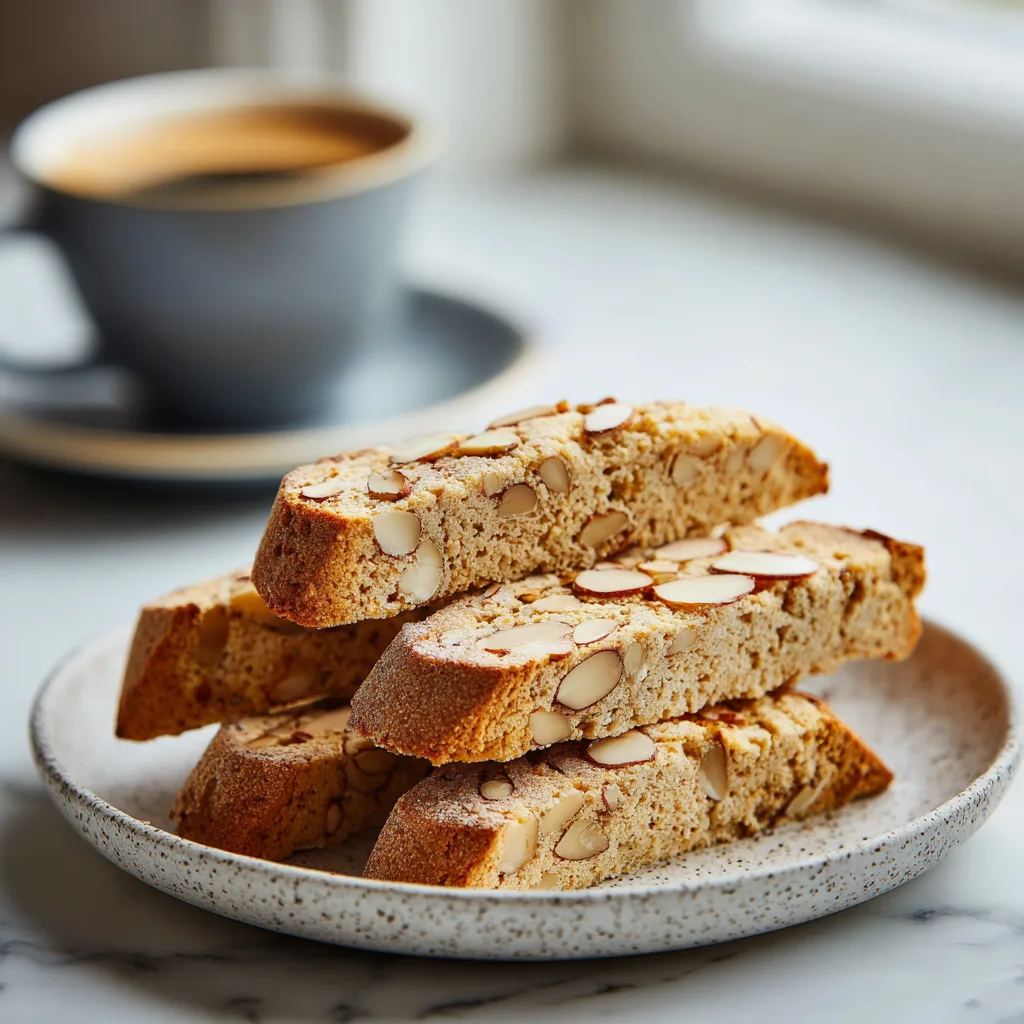
The Perfect Coffee Companion: Easy Almond Biscotti
There are few things in life as universally comforting as a hot cup of coffee or tea in the morning. But even the best brew can be elevated by the right accompaniment. Enter the classic Italian Almond Biscotti. With its satisfying crunch, deeply nutty flavor, and subtle hints of vanilla and almond extract, this twice-baked cookie is practically begging to be dunked into your favorite hot beverage. If you’ve only ever bought biscotti from a coffee shop, you are in for a delightful surprise: making them at home is incredibly easy, makes your kitchen smell divine, and yields a far superior texture.
The word “biscotti” originates from the Latin word biscoctus, which translates directly to “twice-baked.” This isn’t just a quirky naming convention; it is the fundamental technique that gives these cookies their signature crisp, dry texture. Originally created for long journeys because their lack of moisture made them resistant to molding, today, that exact same dryness is what makes them the ultimate dunking cookie. They absorb the flavorful liquid of your coffee or wine without instantly disintegrating into a mushy mess at the bottom of your mug.
Many people are intimidated by the idea of baking biscotti, assuming the double-baking process is tedious or difficult. This recipe shatters that myth. By breaking down the simple dough-making process, the initial log bake, and the final crisping bake, you will quickly see that mastering biscotti is entirely within your grasp. Let’s dive into the science of the dough, the essential ingredients, and the professional tips for getting perfect, clean slices every single time.
The Anatomy of the Perfect Biscotti Dough
Unlike traditional chewy chocolate chip cookies or soft sugar cookies, biscotti dough needs to be structurally sound enough to be shaped into a log, baked, and then sliced without crumbling to pieces. To achieve this, the dough relies on a specific ratio of ingredients.
- The Flour Base: Standard all-purpose flour provides the perfect amount of protein (gluten) for this recipe. You want enough gluten development to hold the cookie together, but not so much that it becomes tough like bread.
- Fat Content: Traditional Italian biscotti (Cantucci) actually contain no butter or oil, relying solely on eggs for moisture and structure. However, this “Americanized” version incorporates a small amount of butter. The butter adds a tender richness to the crumb, making the biscotti slightly more delicate and easier to bite into even if you choose not to dunk them.
- The Binders: Eggs are the primary binder and source of moisture here. They provide structure, lift, and a beautiful golden color to the finished bake.
- Leavening: A touch of baking powder helps the dense dough rise slightly during the first bake, ensuring the cookies aren’t rock-hard.
Key Ingredients for Maximum Flavor
Because biscotti dough is relatively simple, the flavorings you add are the stars of the show. Sourcing high-quality ingredients will drastically improve the final outcome.
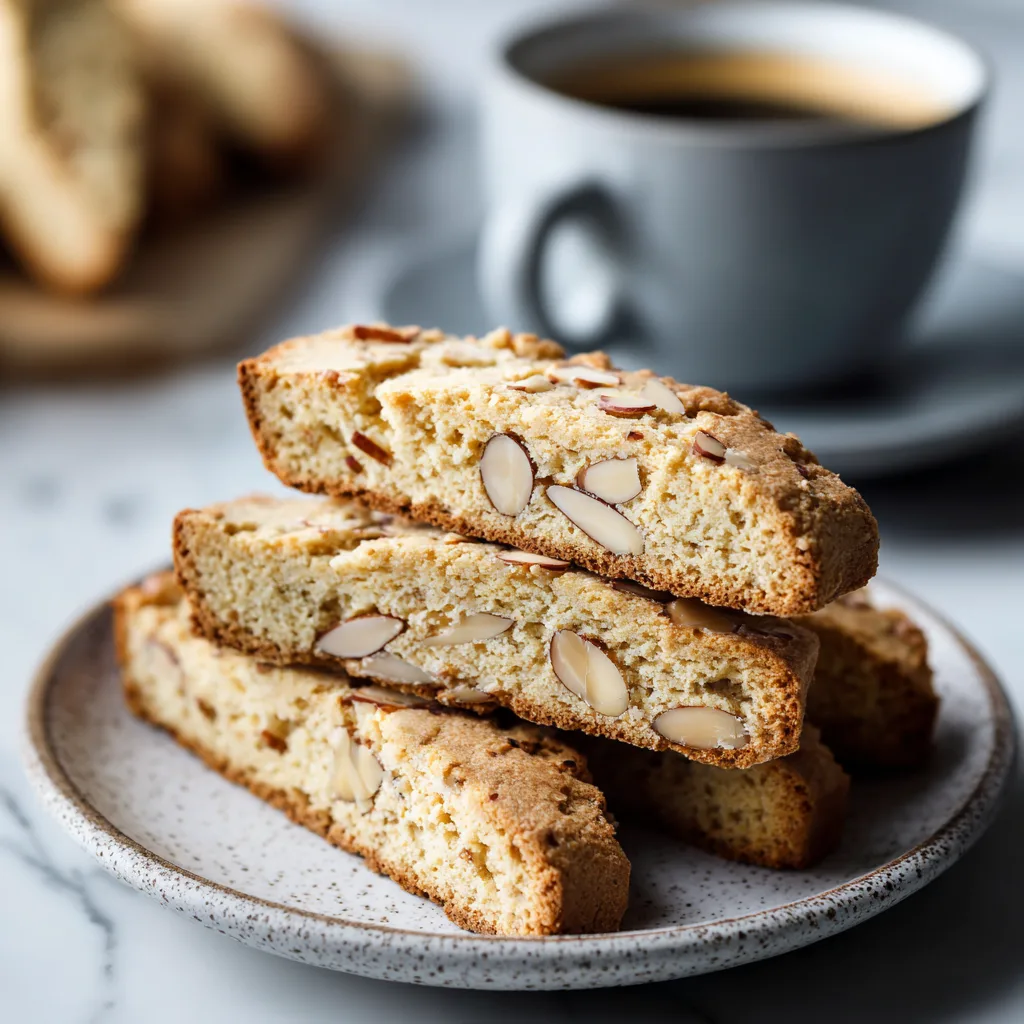
- Almonds: Whole, unblanched almonds are traditional and provide a beautiful rustic look with their skins intact. Crucial tip: Toast your almonds before adding them to the dough! Toasting releases their essential oils and amplifies their nutty flavor tenfold. Allow them to cool before folding them into the dough.
- Almond Extract: This is the secret weapon. While the whole almonds provide texture, pure almond extract provides that unmistakable, sweet marzipan-like aroma that defines a bakery-quality biscotti. Do not skip it, but use it sparingly as it is quite potent.
- Vanilla Extract: Pure vanilla extract acts as a background flavor enhancer, rounding out the sharpness of the almond extract and adding depth to the sweet dough.
- Sugar: Simple white granulated sugar is best here. It sweetens the dough and helps create a crisp exterior without adding the extra moisture that brown sugar (which contains molasses) would bring.
The “Twice Baked” Technique Explained
Understanding the two-stage baking process is the key to perfect biscotti.
Bake Number One (The Log):
After bringing the dough together, you will divide it and shape it into long, flattened logs on a baking sheet. During this first bake, the dough acts much like a standard drop cookie. It will spread slightly, puff up, and bake completely through. The goal here is to bake it until the center is set and the outside is lightly golden. If you overbake it at this stage, it will shatter when you try to slice it.
The Crucial Cooling Period:
Once the logs come out of the oven, you must let them cool for about 10 to 15 minutes. If you try to slice them straight out of the oven, they will be too soft and will squish or crumble under the knife. If you wait too long and they cool completely, they will be too hard and will crack. 10 to 15 minutes is the sweet spot where they are firm enough to hold their shape but warm enough to yield to the blade.
Bake Number Two (The Crisping):
Using a sharp serrated knife (a bread knife is perfect), you will slice the slightly warm logs on a bias (diagonally) to create those classic, long biscotti shapes. You then lay these slices flat on the baking sheet and return them to the oven. This second bake is at a lower temperature and is solely about drawing out the remaining moisture to create that signature dry, crisp texture.
Step-by-Step Instructions
- Toast the Almonds: Preheat your oven to 350°F (175°C). Spread the whole almonds on a baking sheet and toast for 8-10 minutes until fragrant. Let them cool completely. Coarsely chop about half of them, leaving the rest whole for varied texture.
- Whisk the Dry Ingredients: In a medium bowl, whisk together the all-purpose flour, baking powder, and salt. This ensures the leavening agent is evenly distributed.
- Cream Butter and Sugar: In a large mixing bowl (or a stand mixer), beat the softened butter and granulated sugar together until light and fluffy. Beat in the eggs one at a time, ensuring each is fully incorporated before adding the next. Finally, mix in the vanilla and almond extracts.
- Form the Dough: Gradually add the dry flour mixture into the wet ingredients, mixing on low speed until just combined. The dough will be thick and slightly sticky. Gently fold in the toasted almonds.
- Shape the Logs: Turn the dough out onto a lightly floured surface or directly onto a parchment-lined baking sheet. Divide the dough in half. With floured hands, shape each half into a log roughly 10 inches long and 2.5 inches wide. Space them at least 3 inches apart on the baking sheet as they will spread.
- The First Bake: Bake at 350°F (175°C) for 25-30 minutes, or until the logs are golden brown and firm to the touch in the center. Remove from the oven and let cool on the pan for exactly 15 minutes. Lower the oven temperature to 325°F (165°C).
- Slice: Carefully transfer the slightly cooled logs to a cutting board. Using a sharp serrated knife, cut the logs diagonally into 3/4-inch thick slices. Use a gentle sawing motion to avoid crushing the cookies or pushing the whole almonds out of the dough.
- The Second Bake: Place the slices cut-side down back onto the parchment-lined baking sheet. Bake at 325°F (165°C) for 10-12 minutes. Remove the pan, carefully flip each biscotti over, and bake for another 10-12 minutes until they feel dry and are lightly golden.
- Cool Completely: Transfer the finished biscotti to a wire rack to cool completely. They will continue to crisp up as they cool.
Easy Almond Biscotti
Ingredients
Equipment
Method
- Preheat oven to 350°F (175°C). Spread almonds on a baking sheet and toast for 8-10 minutes. Let cool. Chop half of them and leave the rest whole.
- In a medium bowl, whisk together the all-purpose flour, baking powder, and salt. Set aside.
- In a large bowl using an electric mixer, beat the softened butter and sugar until combined. Add the eggs one at a time, beating well after each addition. Stir in the vanilla and almond extracts.
- Gradually add the dry flour mixture to the wet ingredients, mixing on low speed until just combined. The dough will be slightly sticky. Gently fold in the toasted almonds.
- Line a large baking sheet with parchment paper. Divide the dough in half. Using lightly floured hands, shape each half into a log about 10 inches long and 2.5 inches wide, spacing them well apart.
- Bake the logs at 350°F (175°C) for 25-30 minutes until golden brown and firm to the touch. Remove from the oven and let cool on the pan for exactly 15 minutes. Reduce the oven temperature to 325°F (165°C).
- Carefully transfer the slightly cooled logs to a cutting board. Using a sharp serrated knife, use a gentle sawing motion to cut the logs diagonally into 3/4-inch thick slices.
- Place the slices cut-side down back onto the parchment-lined baking sheet. Bake at 325°F (165°C) for 10-12 minutes. Flip each slice over and bake for another 10-12 minutes until dry and crisp.
- Transfer the biscotti to a wire rack to cool completely. They will harden further as they cool.
Notes
Variations and Dipping Options
Once you master this base recipe, the variations are endless!
- Chocolate Dipped: For an elegant touch, melt some high-quality dark or semi-sweet chocolate. Once the biscotti are completely cool, dip one end (or the bottom) into the chocolate. Let them set on parchment paper.
- Cranberry Orange: Swap the almond extract for orange extract (and add a tablespoon of fresh orange zest). Fold in 1/2 cup of dried cranberries along with the almonds.
- Double Chocolate: Swap 1/4 cup of the flour for Dutch-processed cocoa powder and fold in mini chocolate chips along with the almonds.
Storage and Gifting
Because biscotti are intentionally baked dry, they have an incredibly long shelf life, making them the ultimate make-ahead treat or edible gift.
Room Temperature: Store completely cooled biscotti in an airtight container at room temperature. They will easily stay fresh and crisp for up to 3 to 4 weeks.
Freezing: You can freeze baked biscotti for up to 3 months in a freezer-safe container. You can also freeze the baked logs (after the first bake and cooling). When you are ready for fresh biscotti, simply thaw the log slightly, slice, and perform the second bake!