The Perfect Gluten-Free Beignets: A Taste of New Orleans at Home
The Perfect Gluten-Free Beignets: A Taste of New Orleans at Home
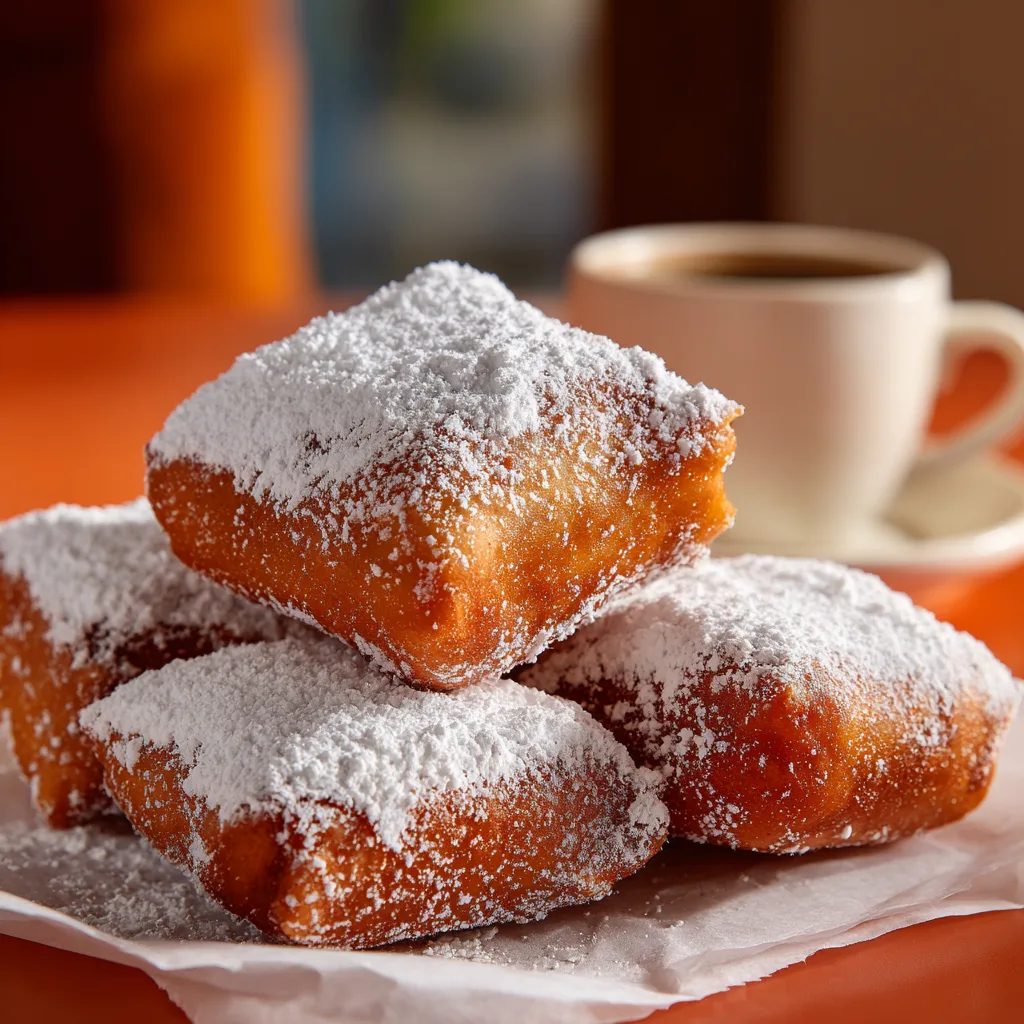
Imagine sitting at a small, wrought-iron table in the heart of the French Quarter. The air is thick with the scent of chicory coffee and sweet, frying dough. A waiter in a crisp white shirt sets down a plate piled high with golden, pillowy squares buried under an avalanche of powdered sugar. You take a bite, and it is a revelation: warm, incredibly tender on the inside, with a satisfying, delicate crunch on the outside. This is the magic of the New Orleans beignet. For years, this iconic culinary experience was strictly off-limits to anyone with celiac disease or gluten intolerance. But today, that changes entirely. Welcome to the ultimate recipe for Perfect Gluten-Free Beignets.
Creating a truly authentic, yeast-risen gluten-free dough that can withstand deep-frying without absorbing too much oil, falling flat, or turning into a dense brick is a notorious challenge in gluten-free baking. Many recipes resort to chemical leaveners like baking powder, resulting in something more akin to a cake doughnut than a traditional French beignet. However, through rigorous testing, careful ingredient ratios, and a deep understanding of how gluten-free starches interact with yeast, we have unlocked the secret. These gluten-free beignets puff up beautifully, hollow out slightly in the center, and deliver that nostalgic, comforting flavor and texture you have been desperately craving. Get ready to cover your kitchen—and your shirt—in powdered sugar, because this recipe is an absolute masterpiece.
What Exactly is a Beignet? A Brief Culinary History
To truly appreciate the triumph of a gluten-free beignet, one must understand the legacy of the original pastry. The word “beignet” (pronounced ben-YAY) translates roughly from French to “fritter” or “bump.” The origins of fried dough trace back centuries, with variations found in ancient Roman and Middle Eastern cuisines. However, the specific style of the beignet we know and love today—a square of yeast-leavened dough, deep-fried and dusted with sugar—has distinctly French roots.
These sweet treats were brought to the New World by French colonists who settled in the Acadia region of Canada in the 17th century. When the Acadians were forced to migrate southward to Louisiana in the 18th century (becoming the Cajuns), they brought their beloved culinary traditions with them. Over time, the beignet became intrinsically linked with New Orleans culture, most famously served at the legendary Café du Monde, which has been open since 1862. Traditionally paired with a strong cup of café au lait (half hot milk, half coffee blended with chicory), the beignet evolved from a humble home-cooked fritter to a global symbol of Southern hospitality and indulgence.
The Science of Gluten-Free Yeast Dough
Traditional beignets rely heavily on the complex network of gluten proteins found in wheat flour. When wheat dough is kneaded, gluten strands develop, creating an elastic web that traps the carbon dioxide gas expelled by the yeast. This is what allows the dough to rise and gives the final pastry its chewy, airy structure. When we remove gluten from the equation, we lose that natural structural integrity. If you simply swapped wheat flour for plain rice flour, the gas would escape, and you would be left with a dense, flat cracker.
To mimic the elasticity of gluten, we must rely on a combination of high-quality gluten-free starches and a crucial binding agent: xanthan gum. Xanthan gum acts as the “glue” in gluten-free baking. It provides the necessary stretchiness that allows our dough to expand and hold the air pockets created by the yeast. Additionally, gluten-free flours require more hydration than wheat flours. They absorb liquid slowly, which is why our dough requires an adequate resting and proofing period to ensure the starches are fully hydrated, preventing a gritty final texture.
Essential Ingredients for Gluten-Free Beignets
Because frying magnifies both flaws and triumphs in a dough, selecting the right ingredients is non-negotiable. Here is what you need to achieve beignet perfection:
- Gluten-Free 1-to-1 Baking Flour: This is the foundation. You must use a high-quality blend that specifically states it is formulated for baking and contains xanthan gum (such as Bob’s Red Mill 1-to-1 or King Arthur Measure for Measure). Do not use a single-grain flour like almond or coconut flour; they will not work here.
- Active Dry Yeast: The biological leavener that provides the lift and the classic, slightly tangy flavor of a true New Orleans beignet. Ensure your yeast is fresh and not expired.
- Warm Water and Warm Milk: The liquids must be warm to activate the yeast, but not hot. Aim for a temperature between 105°F and 110°F (40°C-43°C). If the liquid is too hot, it will kill the yeast; too cold, and the yeast won’t wake up. Whole milk adds richness and tenderizes the dough.
- Granulated Sugar: A small amount feeds the yeast to help it bloom and adds a subtle sweetness to the dough itself. Remember, the primary sweetness comes from the powdered sugar topping.
- Large Egg: An egg at room temperature provides structure, richness, and helps bind the gluten-free flours together.
- Unsalted Butter: Melted and slightly cooled. The fat from the butter coats the flour proteins, leading to a softer, tender crumb inside the beignet.
- Fine Sea Salt: Absolutely essential for balancing the flavors and preventing the dough from tasting flat.
- Neutral Frying Oil: You need an oil with a high smoke point and a neutral flavor. Canola, vegetable, peanut, or sunflower oil are all excellent choices.
- Powdered Sugar (Confectioners’ Sugar): For the heavy, snowy dusting at the end. Do not hold back!
Equipment You Will Need
Having the right tools ready will make the deep-frying process safe, efficient, and enjoyable.
- Heavy-Bottomed Pot or Dutch Oven: A cast-iron Dutch oven is ideal because it retains heat exceptionally well, ensuring the oil temperature doesn’t drop drastically when you add the dough.
- Deep-Fry/Candy Thermometer: This is arguably the most important tool. Frying without a thermometer is a guessing game that usually ends in greasy, raw dough or burnt exteriors.
- Slotted Spoon or Spider Strainer: For safely removing the hot beignets from the oil.
- Wire Cooling Rack: Placed over a baking sheet to allow excess oil to drain.
- Rolling Pin and Pizza Cutter: A pizza cutter is the easiest way to cut the dough into clean, even squares without dragging or tearing the delicate gluten-free dough.
- Fine Mesh Sieve or Sifter: For that perfect, even snowfall of powdered sugar.
Step-by-Step Instructions for Beignet Success
Do not be intimidated by working with yeast or deep-frying. Follow these steps methodically, and you will be rewarded with spectacular results.
- Activate the Yeast: In the bowl of a stand mixer (or a large mixing bowl), combine the warm water, active dry yeast, and 1 teaspoon of the granulated sugar. Stir gently and let it sit for 5 to 10 minutes. It should become frothy and bubbly. If nothing happens, your yeast is dead, and you must start over with fresh yeast.
- Mix the Wet Ingredients: To the frothy yeast mixture, add the warm milk, the remaining granulated sugar, the room-temperature egg, and the melted (but cooled) butter. Whisk until well combined.
- Incorporate the Dry Ingredients: Add the gluten-free flour blend and the salt. If using a stand mixer, attach the paddle attachment and mix on low speed until the flour is incorporated, then increase the speed to medium and beat for 3 minutes. The dough will be sticky, shaggy, and much wetter than traditional bread dough—this is exactly what you want for gluten-free dough.
- First Proof (The Rise): Scrape down the sides of the bowl. Cover the bowl tightly with plastic wrap or a damp kitchen towel. Place it in a warm, draft-free spot and let it rise for 1 to 1.5 hours, or until it has visibly puffed up and nearly doubled in size.
- Roll and Cut: Turn the proofed dough out onto a surface generously dusted with gluten-free flour. Dust the top of the dough and your rolling pin as well. Gently roll the dough out into a large rectangle, about 1/4-inch thick. Using a pizza cutter or a sharp knife, cut the dough into 2-inch or 3-inch squares.
- Heat the Oil: While you are cutting the dough, pour about 2 to 3 inches of neutral oil into your heavy-bottomed pot. Attach the thermometer and heat the oil over medium heat until it reaches 360°F to 370°F (182°C-188°C).
- Fry the Beignets: Once the oil is at temperature, carefully drop 3 or 4 squares of dough into the oil. Do not overcrowd the pot. They will sink briefly and then pop up to the surface. Fry for about 1 to 2 minutes per side, using a slotted spoon to flip them, until they are puffed and deeply golden brown.
- Drain and Sugar: Remove the fried beignets with your slotted spoon and transfer them to the wire rack set over a baking sheet. While they are still piping hot, immediately dust them heavily with powdered sugar using your fine mesh sieve. The heat will slightly melt the first layer of sugar, creating a sweet glaze that holds the rest of the powder in place.
- Repeat: Continue frying in batches, ensuring the oil temperature returns to 360°F between batches.
Pro Tips for the Ultimate Fry
Deep-frying is an art form. Keep these professional tips in mind to ensure your beignets are light and crispy, not heavy and greasy.
- Maintain Oil Temperature: This cannot be stressed enough. If the oil is too cold (below 350°F), the dough will absorb the oil and become incredibly heavy and greasy. If the oil is too hot (above 375°F), the outside will burn before the inside has a chance to cook through, leaving you with raw dough in the center. Adjust your stove dial constantly to maintain the sweet spot.
- The Flour Dusting: Gluten-free dough is notoriously sticky. Do not be afraid to use plenty of extra gluten-free flour on your work surface and rolling pin. However, try to gently brush off any thick clumps of raw flour from the squares before dropping them into the oil, as loose flour will burn in the pot.
- Eat Them Immediately: Beignets are not a make-ahead-and-store dessert. They are meant to be consumed within minutes of leaving the fryer, while they are still hot, fragrant, and texturally perfect.
Troubleshooting Common Gluten-Free Beignet Issues
If things don’t go perfectly on your first try, don’t despair! Here is how to diagnose and fix common issues:
- They didn’t puff up: This usually means one of two things: your yeast was dead/the liquid was too hot, OR you rolled the dough too thin. Aim for a true 1/4-inch thickness.
- They are raw in the middle: Your oil was too hot, causing the outside to brown before the inside could cook. Lower your heat slightly.
- They taste gritty: Your dough did not hydrate properly. Ensure you are allowing the dough to rest for the full proofing time, and make sure your gluten-free flour blend is finely milled.
Serving Suggestions and Cultural Pairings
While eating them standing over the kitchen counter is highly encouraged, serving beignets properly elevates the experience. To truly channel the spirit of New Orleans, you must pair them with a Cafe au Lait. Brew a strong, dark roast coffee (ideally blended with chicory, which adds a wonderful, woody bitterness that cuts through the sugar) and mix it with an equal amount of hot, frothy milk. The combination of the hot, bitter coffee and the sweet, fried dough is a culinary match made in heaven.
If you want to step outside of tradition, serve your warm beignets with a side of rich, dark chocolate ganache, a bright raspberry coulis, or warm maple syrup for dipping.
Storage, Freezing, and Reheating Instructions
As mentioned, beignets are best enjoyed immediately. However, if you find yourself with leftovers, or if you want to prep the dough in advance, here are your best options.
To Make Ahead: You can prepare the dough through the first proof, then wrap the bowl tightly and place it in the refrigerator overnight. The cold environment will slow down the yeast, allowing the flavors to develop beautifully. The next morning, let the dough sit at room temperature for about 30-45 minutes to take the chill off before rolling, cutting, and frying.
To Store Leftovers: Do not sugar the beignets you plan to store. Keep plain, fried beignets in an airtight container at room temperature for up to 2 days. They will become soft and lose their crunch.
To Reheat: The best way to revive a day-old beignet is in an air fryer or oven. Heat an air fryer to 350°F (175°C) and warm the plain beignets for 2-3 minutes until the exterior crisps up again. Alternatively, bake in a 350°F oven for 5-7 minutes. Once heated, dust them generously with powdered sugar and serve immediately.
Conclusion
Mastering the perfect gluten-free beignet is a culinary achievement worthy of celebration. By combining the right gluten-free flour blend with classic yeast-dough techniques and careful frying, you can recreate the iconic, powdered-sugar-covered joy of the French Quarter right in your own kitchen. This recipe proves that dietary restrictions do not have to mean sacrificing the most comforting, nostalgic, and delicious foods the world has to offer. So heat up the oil, brew some chicory coffee, and let the good times roll!
Perfect Gluten-Free Beignets
Ingredients
Equipment
Method
- In a large bowl or the bowl of a stand mixer, combine the warm water, active dry yeast, and 1 teaspoon of the granulated sugar. Let sit for 5-10 minutes until frothy.
- Add the warm milk, remaining granulated sugar, egg, and melted butter to the yeast mixture. Whisk to combine.
- Add the gluten-free flour blend and salt. Mix on low speed until combined, then increase to medium and beat for 3 minutes until a wet, sticky dough forms.
- Cover the bowl tightly with plastic wrap and place in a warm, draft-free spot. Let the dough rise for 1 to 1.5 hours, or until visibly puffed and nearly doubled in size.
- Turn the proofed dough out onto a surface generously dusted with gluten-free flour. Dust the top of the dough and roll it out into a rectangle about 1/4-inch thick.
- Using a pizza cutter or sharp knife, cut the dough into 2-inch to 3-inch squares.
- In a heavy-bottomed pot or Dutch oven, heat 2-3 inches of neutral oil over medium heat until a deep-fry thermometer registers 360°F-370°F (182°C-188°C).
- Carefully place 3-4 dough squares into the hot oil. Fry for 1-2 minutes per side until puffed and deep golden brown.
- Use a slotted spoon to transfer the fried beignets to a wire rack set over a baking sheet to drain.
- While still hot, immediately and generously dust the beignets with powdered sugar. Repeat the frying process with the remaining dough.
- Serve immediately while warm and crispy.