The Ultimate 25-Minute Orzo Feta Sun Dried Tomato Salad
The Ultimate 25-Minute Orzo Feta Sun Dried Tomato Salad
In the realm of quick, satisfying, and vibrant dishes, few things compete with a well-executed pasta salad. But we aren’t talking about the mayonnaise-drenched macaroni salads of yesteryear. We are talking about a fresh, Mediterranean-inspired delight that bursts with sunshine flavors: the Orzo Feta Sun Dried Tomato Salad. Ready in just 25 minutes, this dish is a savior for busy weeknight dinners, the star of summer picnics, and the ultimate meal-prep lunch that you will actually look forward to eating.
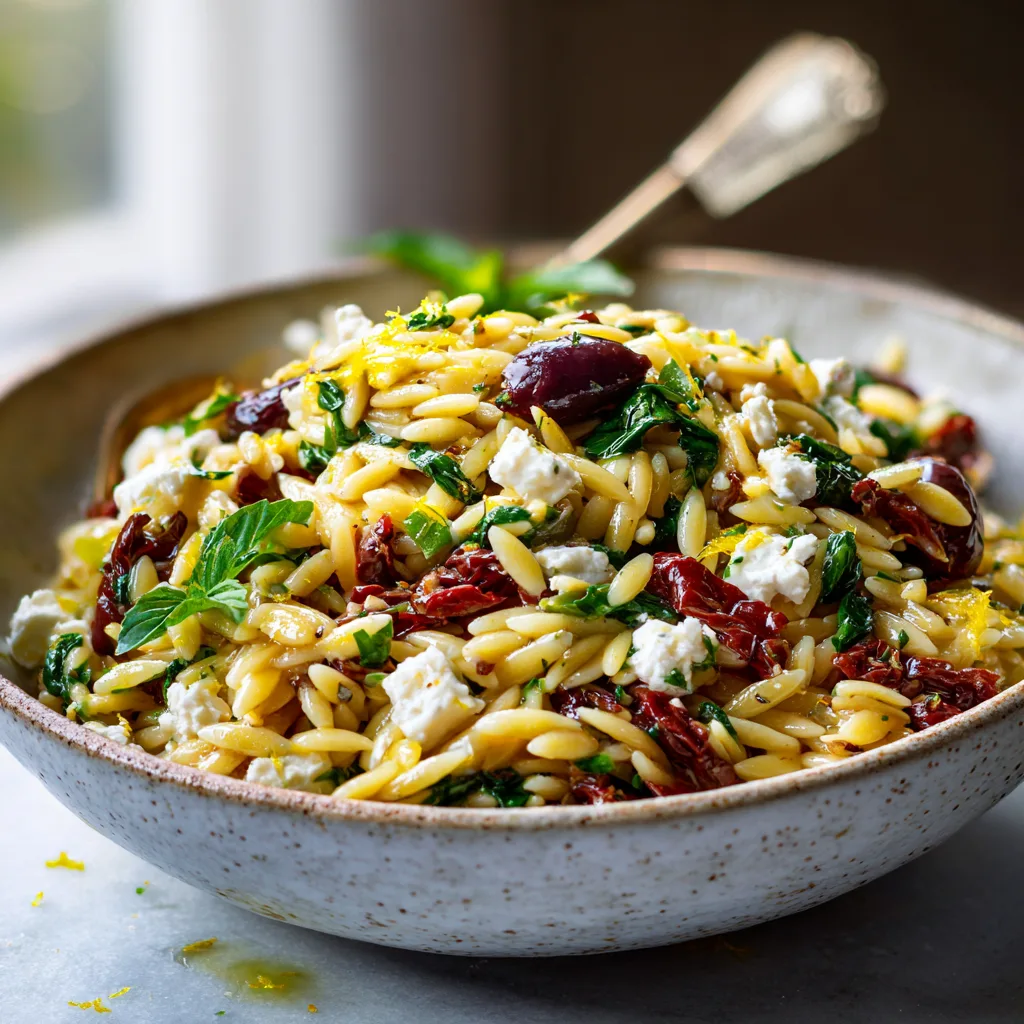
This salad is a study in texture and flavor balance. You have the tender, rice-shaped orzo pasta providing a comforting base. Then comes the salty, creamy punch of feta cheese, contrasting beautifully with the intense, sweet-tart chewiness of sun-dried tomatoes. Kalamata olives add a briny depth, while fresh herbs and bright lemon zest lift the entire dish, making it taste incredibly fresh. It’s a vegetarian main course, a perfect side dish for grilled meats, and it tastes just as good—if not better—the next day. Let’s dive into how to make this colorful masterpiece in your own kitchen.
What Exactly is Orzo?
Before we get cooking, it is worth clarifying what the star ingredient is. Despite looking remarkably like large grains of rice, orzo is actually a type of short-cut pasta, traditionally made from white flour or whole grain semolina flour. Its name literally translates to “barley” in Italian, referring to its grain-like shape. Because it is pasta, it cooks quickly and has a wonderful, slightly chewy texture that holds up much better in salads than actual rice, which can get mushy when dressed.
Orzo Feta Sun Dried Tomato Salad
Ingredients
Equipment
Method
- Bring a large pot of heavily salted water to a boil. Cook orzo according to package directions for al dente (usually 8-10 minutes).
- While orzo cooks, prep ingredients: chop tomatoes, slice olives, crumble feta, chop herbs, zest and juice lemon, mince garlic.
- Drain cooked orzo and rinse briefly under cold water to stop cooking and remove starch. Drain well.
- In a large serving bowl, whisk together olive oil, reserved sun-dried tomato oil, lemon juice, lemon zest, minced garlic, salt, and pepper until emulsified.
- Add the drained orzo to the bowl with dressing and toss to coat completely.
- Add sun-dried tomatoes, olives, feta cheese, basil, and spinach. Toss gently to combine.
- Serve immediately at room temperature or chill for 30 minutes to let flavors meld. Taste and adjust seasoning before serving.
Notes
Why You Will Love This Recipe
- Speed and Simplicity: As promised in the image, this recipe truly comes together in about 25 minutes. While the water boils and the orzo cooks, you prep the remaining ingredients and whisk the dressing. Toss it all together, and you are done.
- Bold Mediterranean Flavors: There are no boring bites here. Every forkful is loaded with the intense savory, salty, and acidic notes characteristic of Mediterranean cuisine.
- Versatility: Serve it warm, at room temperature, or chilled. It works as a light main course, a hearty side dish, or a potluck contribution that travels well.
- Meal Prep Friendly: The flavors in this salad actually meld and improve after sitting for a few hours in the fridge. It doesn’t get soggy quickly like leafy green salads, making it ideal for packing lunches.
Ingredients Breakdown and Quality Notes
A simple recipe like this relies heavily on the quality of its ingredients. Here is what you need and what to look for:
- Orzo Pasta: The base of the salad. You can use regular refined wheat orzo, or whole wheat orzo for a nutty flavor and extra fiber.
- Feta Cheese: This is crucial. Do not buy pre-crumbled feta. Pre-crumbled cheese is often coated in anti-caking agents (like cellulose) that make it dry and prevent it from having that creamy mouthfeel. Buy a block of feta in brine and crumble it yourself. The difference in texture and moisture is staggering.
- Sun-Dried Tomatoes in Oil: Look for tomatoes packed in olive oil with herbs. They are plump, tender, and ready to eat. The dry, bagged sun-dried tomatoes are too tough for this salad unless you rehydrate them first. Pro Tip: Don’t throw away the oil in the jar! We will use some of it in the dressing for an extra flavor boost.
- Kalamata Olives: These purple-black, almond-shaped olives have a rich, fruity, and wine-like flavor that generic black olives lack. Buy them pitted to save time.
- Fresh Herbs: Dried herbs won’t cut it here. Fresh basil is essential for its sweet, peppery aroma. We also love adding fresh spinach for greenery, or fresh dill or parsley for a different flavor profile.
- Lemon: You need fresh lemon for both juice and zest. The zest contains essential oils that provide a bright, floral citrus aroma that juice alone cannot achieve.
- Extra Virgin Olive Oil: Since the dressing is simple, use a good quality extra virgin olive oil with a flavor you enjoy.
- Garlic: Fresh garlic gives the dressing a necessary savory kick.
Step-by-Step Instructions
1. Cook the Orzo
Bring a large pot of generously salted water to a rolling boil. It should taste like sea water. Add the orzo and give it a good stir to prevent sticking. Cook according to package directions for al dente—usually about 8 to 10 minutes. You want it tender but still offering a slight resistance when bitten.
Once cooked, drain the orzo in a colander. For pasta salads, it is often recommended to briefly rinse the pasta under cold water. This stops the cooking process immediately so it doesn’t get mushy, and it washes away excess surface starch so the grains don’t clump together as they cool. Drain well.
2. Prepare the Mix-ins
While the water is coming to a boil and the pasta is cooking, prep your other ingredients. Drain the sun-dried tomatoes (reserving a tablespoon of their oil) and roughly chop them. Slice the pitted kalamata olives in half. Crumble the feta cheese block into chunky pieces. Roughly chop the fresh basil and spinach. Zest the lemon using a microplane, then juice it to get about 2 tablespoons of fresh juice. Mince the garlic clove finely.
3. Whisk the Dressing
In a large serving bowl (the one you plan to serve the salad in to save dishes), combine the dressing ingredients. Whisk together the extra virgin olive oil, the reserved sun-dried tomato oil, fresh lemon juice, lemon zest, minced garlic, salt, and freshly cracked black pepper. Whisk vigorously until the dressing is emulsified (creamy looking and well-blended).
4. Assemble the Salad
Add the cooked, drained, and slightly cooled orzo directly into the large bowl with the dressing. Toss well to coat every grain of pasta with the flavorful liquid. This is best done while the orzo is still slightly warm, as it will absorb the dressing better.
Next, add the chopped sun-dried tomatoes, sliced olives, crumbled feta cheese, fresh basil, and spinach. Toss again gently to combine everything evenly. Taste and adjust seasoning—you might need a little more lemon juice for brightness or salt, depending on how salty your feta and olives are.
5. Serve or Chill
You can serve the salad immediately at room temperature, which is fantastic. However, letting it chill in the refrigerator for at least 30 minutes allows the flavors to marry beautifully. If chilling, give it another toss before serving, as the pasta may soak up the dressing; you might want to drizzle a tiny bit of extra olive oil to refresh it.
Expert Tips for Success
- Don’t Overcook the Orzo: Mushy orzo will ruin the texture of the salad. Watch it closely and taste-test during the last minute of cooking.
- Season in Stages: Salt your pasta water heavily. Season the dressing. Then taste the final salad. The feta and olives are salty, so you may not need much extra salt at the end, but don’t skimp on the black pepper or lemon.
- The Lemon Zest is Key: Don’t skip the zest! It provides the bright, aromatic top note that balances the rich cheese and oily tomatoes.
- Dress While Warm-ish: Tossing the orzo with the dressing while it’s still tepid helps the pasta absorb the flavors, rather than the dressing just sitting on the surface of cold pasta.
Variations and Customizations
This recipe is a fantastic canvas for your own creativity. Here are some ways to switch it up:
- Add Protein: To make it a heartier meal, add grilled chicken breast strips, canned chickpeas (rinsed and drained), or even cooked shrimp.
- More Veggies: Amp up the vegetable content by adding diced English cucumber for crunch, halved cherry tomatoes for freshness, diced red onion for bite, or marinated artichoke hearts.
- Swap the Cheese: If you aren’t a fan of feta, creamy goat cheese logs crumbled up work beautifully, or even small mozzarella pearls (bocconcini).
- Change the Carb: While orzo is great, this salad works equally well with other small pasta shapes like fusilli, farfalle (bowties), or pearl couscous.
- Herb Switch: Replace basil with fresh dill and mint for a more Greek-inspired flavor profile.
Cultural Context: The Mediterranean Diet
This salad is a quintessential example of dishes that fit within the Mediterranean diet paradigm, often lauded as one of the healthiest ways to eat in the world. It emphasizes plant-based foods, healthy fats (olive oil), moderate dairy (feta), and flavorful herbs and spices over heavy reliance on red meats or processed foods. The combination of vibrant colors, fresh ingredients, and bold flavors reflects the culinary traditions of countries bordering the Mediterranean Sea, particularly Greece and Italy, where these ingredients are staples of daily life.
Storage Instructions
Refrigerator: Store leftover salad in an airtight container in the fridge for up to 4 days. It holds up remarkably well.
Refreshing Leftovers: As the salad sits, the orzo will absorb the dressing. When ready to eat leftovers, you may find it looks a little dry. Simply drizzle with a small amount of olive oil and a fresh squeeze of lemon juice, toss, and it will come back to life.
Freezing: We do not recommend freezing this salad. The texture of the feta cheese and fresh herbs will be compromised upon thawing, and the pasta can become mushy.