The Ultimate Caramelized Onion Pasta with Chili Oil
The Ultimate Caramelized Onion Pasta with Chili Oil: A Masterclass in Flavor
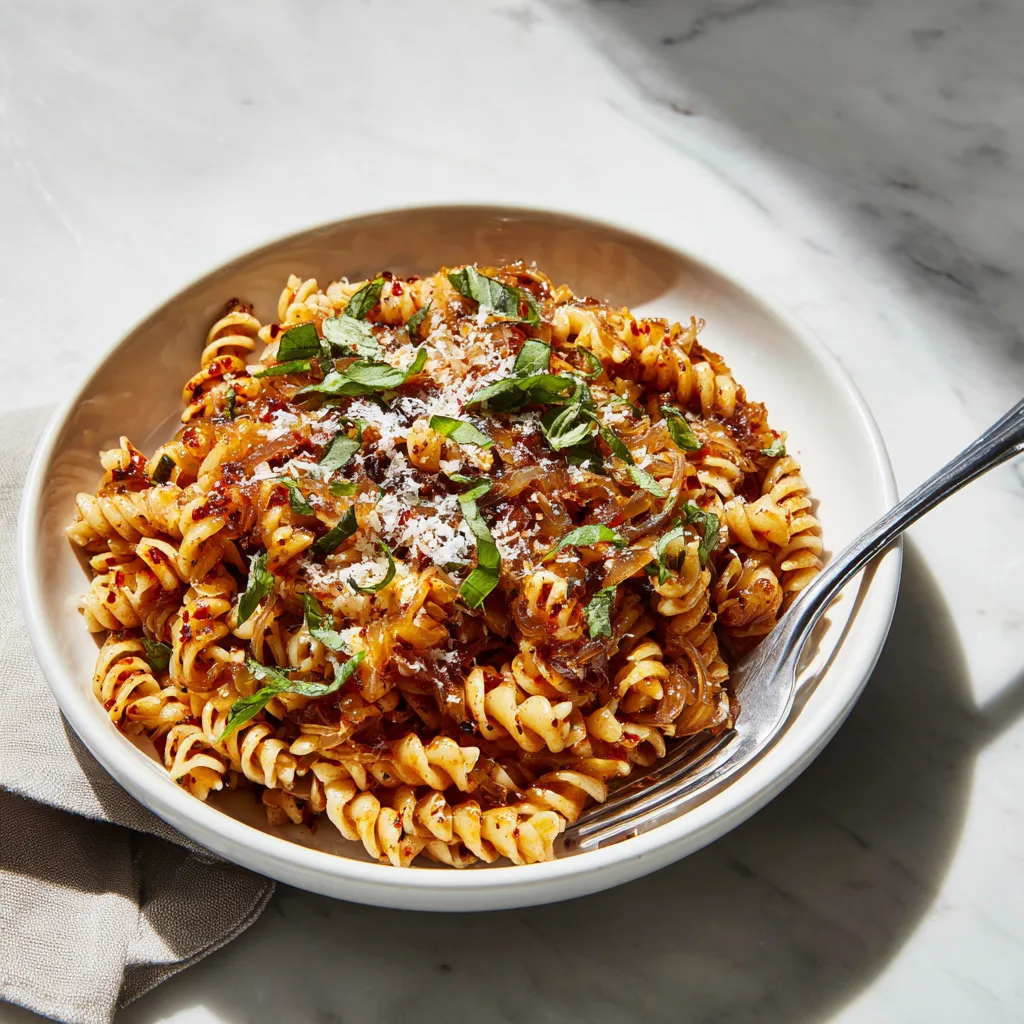
There are few things in the culinary world more transformative than taking humble, everyday ingredients and turning them into something extraordinary. The Caramelized Onion Pasta with Chili Oil is the perfect embodiment of this cooking philosophy. It marries the deeply sweet, jammy, and rich notes of slowly cooked onions with the fiery, garlicky, and complex umami kick of a good quality chili oil. Whether you are craving a late-night comfort meal, looking to impress guests at a dinner party, or simply want to elevate your weeknight pasta rotation, this dish delivers on every single front.
At first glance, this recipe might seem like a modern fusion experiment, but it relies on very classic, foundational cooking techniques. By exercising a little patience with your onions, you unlock layers of flavor that simply cannot be rushed. When that natural sweetness is coated over perfectly al dente pasta strands and sharply contrasted by savory, spicy chili crisp, you get a symphony of tastes and textures that will have you coming back for seconds—and thirds.
Why You Will Fall in Love with This Recipe
If you are wondering why this specific pasta dish has taken the food world by storm, the answer lies in its perfect balance of flavor profiles and its sheer accessibility. Here is why this recipe is destined to become a staple in your household:
- Incredible Depth of Flavor: The process of caramelizing onions brings out their natural sugars, resulting in a rich, savory-sweet base that acts as the perfect canvas for spicy and salty additions.
- Pantry-Friendly: You likely already have almost all the ingredients in your kitchen. Onions, dried pasta, oil, and a jar of chili crisp are all it takes to create restaurant-quality food at home.
- Highly Customizable: This recipe is incredibly forgiving and flexible. You can add proteins, swap out the type of pasta, or adjust the heat level to suit your exact preferences.
- Textural Contrast: The soft, jam-like onions beautifully contrast with the satisfying chew of al dente pasta, while the chili oil provides a slight crunch from the fried garlic and chili flakes.
- Vegetarian and Vegan Adaptable: By simply omitting parmesan cheese or swapping butter for olive oil, this dish easily caters to various dietary restrictions without sacrificing any flavor.
The Science of Flavor: The Maillard Reaction
To truly appreciate this dish, it is essential to understand the magic happening in your skillet. The secret to the deep, golden-brown color and complex flavor of caramelized onions is a chemical process known as the Maillard reaction. This reaction occurs when amino acids and reducing sugars in the onions are exposed to heat. As the water evaporates from the onions, the temperature rises, allowing these compounds to interact and create hundreds of new flavor molecules.
This is not the same as simply sautéing or burning an onion. Caramelization requires low, steady heat and patience. Rushing the process over high heat will result in crispy, bitter onions rather than the sweet, jammy consistency required to create a luxurious sauce for your pasta. The addition of a splash of water, broth, or balsamic vinegar during the cooking process (deglazing) helps to lift the flavorful browned bits (fond) from the bottom of the pan, ensuring none of that hard-earned flavor goes to waste.
Essential Ingredients and Their Roles
Because this recipe relies on a short list of ingredients, the quality of each component is paramount. Let’s break down what you need to make the ultimate Caramelized Onion Pasta with Chili Oil:
- Onions: The star of the show. Yellow onions are the standard choice because they have an excellent balance of sweetness and sharp astringency. However, sweet onions (like Vidalia or Walla Walla) work beautifully if you prefer a milder, sweeter sauce. Red onions can also be used, though they will yield a slightly different color and sharper flavor. You will need a lot of them—at least 3 to 4 large onions—as they reduce significantly during the cooking process.
- Pasta: Long pasta shapes are ideal for this dish. Spaghetti, linguine, or bucatini allow the caramelized onions and chili oil to cling to the strands perfectly. Bucatini, with its hollow center, is especially delightful as it traps the savory oil inside.
- Chili Oil or Chili Crisp: This provides the heat, salt, and crunch. A high-quality Chinese chili crisp (like Lao Gan Ma) is highly recommended because it contains crispy bits of garlic, soybeans, and chilies that add incredible texture. If you prefer a smoother sauce, standard chili oil works, but you will miss out on the crunch.
- Olive Oil and Butter: A combination of both fats is ideal. The olive oil prevents the butter from burning during the long caramelization process, while the butter adds a rich, velvety mouthfeel to the final sauce.
- Garlic: Freshly minced garlic, added near the end of the onion’s cooking time, provides a pungent, aromatic bite that bridges the gap between the sweet onions and the spicy chili oil.
- Soy Sauce or Balsamic Vinegar: Just a splash helps to deglaze the pan and adds a deep, savory umami note that enhances the savory qualities of the dish.
- Pasta Water: The unsung hero of any great pasta dish. The starchy cooking water is crucial for emulsifying the fats (oil and butter) with the onions to create a glossy, cohesive sauce that coats every noodle.
- Parmesan Cheese (Optional): A dusting of freshly grated Parmigiano-Reggiano adds a salty, nutty finish.
- Fresh Herbs: Chopped fresh parsley, chives, or green onions provide a necessary pop of color and a fresh, bright contrast to the heavy, rich flavors.
Step-by-Step Instructions for Perfection
Creating this masterpiece is less about technical skill and more about patience and timing. Follow these detailed steps for guaranteed success.
- Prep the Onions: Peel your onions, cut them in half from root to stem, and thinly slice them. Do not slice them too thin, or they may dissolve completely into mush; aim for about 1/4-inch thickness. Mince your garlic and set it aside.
- Start the Caramelization: Heat a large, heavy-bottomed skillet or Dutch oven over medium heat. Add your olive oil and butter. Once the butter is melted and foaming, add the sliced onions. Toss them well to ensure they are evenly coated in the fat.
- The Long Cook: Cook the onions, stirring every few minutes. Initially, they will release a lot of water and soften. After about 15 minutes, they will begin to turn a light golden color. Turn the heat down to medium-low to prevent burning.
- Develop the Color: Continue cooking for another 20 to 30 minutes. If the onions start to stick or the pan looks too dry, add a tablespoon of water or broth to deglaze the pan and scrape up the browned bits. The goal is a deep, rich, mahogany brown color.
- Cook the Pasta: While the onions are in their final 15 minutes of cooking, bring a large pot of heavily salted water to a rolling boil. Add your pasta and cook until it is strictly al dente (usually 1-2 minutes less than the package instructions). Crucial Step: Reserve at least 1 cup of the starchy pasta cooking water before draining the noodles.
- Aromatics and Flavor Builders: Once the onions are perfectly caramelized, add the minced garlic to the pan and sauté for 1-2 minutes until fragrant. Stir in the soy sauce (or balsamic vinegar) and your desired amount of chili oil. Mix thoroughly.
- Marry the Pasta and Sauce: Add the undercooked, drained pasta directly into the skillet with the onion mixture. Pour in about half a cup of the reserved pasta water.
- Emulsify: Toss the pasta vigorously over medium heat. The starches in the pasta water will combine with the fats in the pan to create a thick, glossy sauce that clings to the noodles. If the pasta seems dry, add more pasta water, a splash at a time, until the desired consistency is reached.
- Garnish and Serve: Remove the skillet from the heat. Toss in a generous handful of freshly grated parmesan cheese and your fresh herbs. Give it one final toss. Serve immediately in warm bowls, topped with an extra drizzle of chili oil for those who like it extra spicy.
Caramelized Onion Pasta with Chilli Oil
Ingredients
Equipment
Method
- Heat olive oil and butter in a large skillet over medium heat until the butter melts.
- Add the sliced onions. Toss to coat in the fats, and cook over medium-low heat for 35-45 minutes, stirring occasionally, until deeply golden brown and caramelized. Add a splash of water if they begin to stick.
- While onions caramelize, boil the pasta in heavily salted water until al dente. Reserve at least 1 cup of pasta water before draining.
- Add minced garlic to the caramelized onions and sauté for 1-2 minutes until fragrant.
- Stir in the soy sauce and chili oil, mixing well to combine with the onions.
- Add the drained pasta and 1/2 cup of the reserved pasta water to the skillet. Toss vigorously over medium heat until a glossy sauce forms and coats the noodles. Add more pasta water if needed.
- Remove from heat, toss with grated parmesan and fresh herbs. Serve immediately with extra chili oil on top.
Notes
Pro Tips for Culinary Success
Even a straightforward recipe can benefit from a few chef-approved secrets. Here is how to ensure your dish is flawless every time:
- Do Not Skimp on Onions: It might look like a mountain of onions when you start, but they will shrink down to about a quarter of their original volume. Trust the process.
- The Right Pan Matters: Use a wide, heavy-bottomed stainless steel or cast-iron skillet. Non-stick pans do not allow the brown fond to develop on the bottom of the pan, which means you miss out on crucial flavor.
- Salt the Onions Early: Adding a pinch of salt to the onions right when they go into the pan helps draw out their moisture faster, which speeds up the initial softening phase of caramelization.
- Adjust Heat as Needed: Caramelization is not a passive process. You must monitor the heat. If the onions are browning too fast, turn the heat down. If nothing is happening after 20 minutes, bump it up slightly.
- Salt Your Pasta Water Like the Sea: Since the sauce itself only gets salt from the chili oil and a splash of soy sauce, the pasta must be properly seasoned from the inside out. Use at least a tablespoon of kosher salt for a large pot of water.
Delicious Variations to Try
Once you master the base recipe, consider this dish a blank canvas for your culinary creativity. Here are a few ways to switch things up:
- Add Protein: To make this a heartier meal, toss in some cooked, sliced Italian sausage, crispy pancetta, or grilled shrimp during the final tossing stage. A fried egg on top with a runny yolk also makes a spectacular, rich addition.
- Mushroom Magic: Sautéed cremini or shiitake mushrooms add an incredible earthy, meaty texture that pairs beautifully with the sweet onions and spicy oil.
- Creamy Edition: If you love a creamy pasta, stir in two tablespoons of heavy cream or mascarpone cheese right before adding the pasta. This mellows the heat of the chili oil and creates a luxurious, silky sauce.
- Vegan Adaptation: Simply use a vegan butter substitute or stick entirely to olive oil, and swap the parmesan cheese for a sprinkle of nutritional yeast or a vegan hard cheese alternative. Ensure your chili crisp is entirely plant-based.
- Acidic Brightness: If you feel the dish is too heavy, a squeeze of fresh lemon juice right at the end will brighten the flavors and cut through the richness of the oil and onions.
Serving Suggestions
Because Caramelized Onion Pasta with Chili Oil is incredibly rich and flavor-forward, it pairs best with sides that offer a crisp, refreshing contrast. A simple arugula salad dressed with a sharp lemon vinaigrette is the perfect accompaniment to cleanse the palate between bites. Garlic bread or crusty sourdough is also highly recommended to mop up any leftover spicy, sweet oil at the bottom of the bowl.
For beverage pairings, look for wines that have high acidity to cut through the fat. A crisp Sauvignon Blanc, a dry Riesling, or even a light-bodied, chilled Pinot Noir works wonderfully. If you prefer beer, a crisp Pilsner or a slightly bitter IPA will complement the spicy notes of the chili crisp beautifully.
Storage, Freezing, and Reheating Instructions
While this pasta is undeniably best served fresh straight from the skillet, leftovers are a wonderful treat.
Storage: Allow the pasta to cool completely to room temperature. Transfer it to an airtight container and store it in the refrigerator for up to 3 to 4 days. The flavors will actually meld and deepen overnight, making it just as delicious the next day.
Reheating: Reheating pasta with an oil-based sauce requires a delicate touch so it does not become greasy. The best method is to place the cold pasta in a skillet over medium-low heat. Add a splash of water or vegetable broth to help revive the sauce and re-emulsify the oils. Toss gently until warmed through. Alternatively, you can microwave it in 30-second bursts, stirring in between, but the stovetop method yields superior texture.
Freezing: It is not recommended to freeze fully assembled pasta dishes, as the noodles will become mushy upon thawing. However, you can freeze caramelized onions! Make a massive batch of onions, freeze them in ice cube trays or ziplock bags, and then you can whip up this pasta dish in under 15 minutes on a busy weeknight.
Frequently Asked Questions (FAQs)
Can I speed up the caramelizing process?
While some hacks suggest using baking soda to speed up browning, this breaks down the cellular structure of the onions and turns them into a mushy, chemically-tasting paste. There is no true substitute for time and low heat. Pour a glass of wine, put on a podcast, and enjoy the meditative process of stirring.
What kind of chili oil is best?
Sichuan-style chili crisp is highly recommended because of its complex flavor profile—it often includes star anise, cardamom, and crispy soybeans or shallots. Brands like Lao Gan Ma, Fly By Jing, or Momofuku Chili Crunch are excellent. Standard chili oil works, but it will lack the textural crunch.
Is this dish overly spicy?
The spice level is entirely up to you! Chili crisp tends to be more savory than purely spicy, but you control the heat by adjusting how much you add. Start with one tablespoon, taste, and add more as desired.
Why did my sauce turn out greasy instead of creamy?
A greasy sauce means the oil and water did not emulsify. This usually happens if you didn’t add enough starchy pasta water, or if you didn’t toss the pasta vigorously enough in the pan. Heat, starch, and vigorous agitation are the keys to a creamy, emulsified oil sauce.
A Final Word on this Flavorful Journey
Cooking is often about finding the perfect harmony between contrasting elements. The Caramelized Onion Pasta with Chili Oil is a masterclass in this balance. It takes patience to coax the sweet, mellow flavors out of harsh raw onions, and it takes boldness to hit them with the aggressive, pungent heat of chili oil. But when these elements collide in a pan with starchy water and perfectly cooked pasta, the result is nothing short of culinary alchemy.
Do not be intimidated by the long cooking time for the onions. The active prep work is minimal, and the reward is a deeply satisfying, restaurant-caliber meal that will quickly become one of your most requested recipes. Gather your ingredients, embrace the slow sizzle of the skillet, and prepare to enjoy one of the most comforting, complex, and utterly delicious pasta dishes you will ever make.