The Ultimate High-Protein Cottage Cheese Flatbread Spring Pizzas
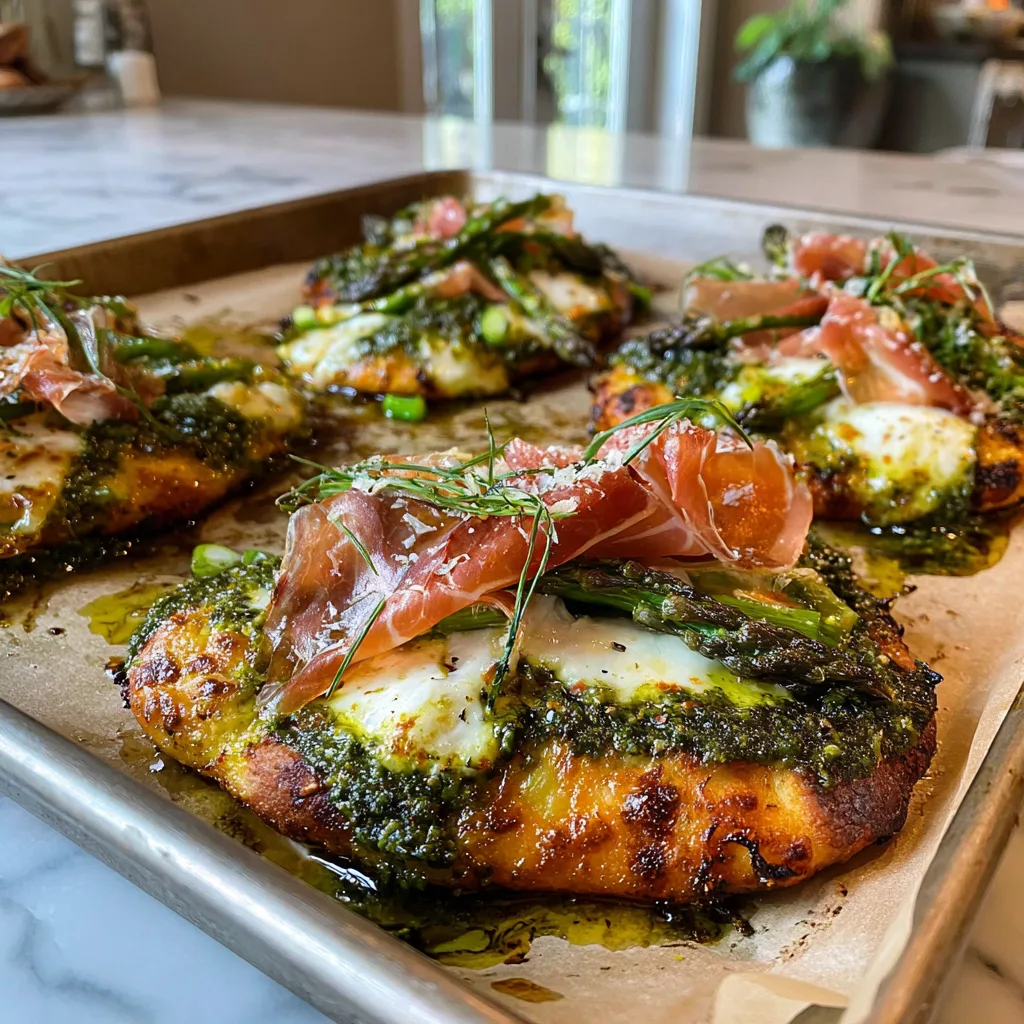
Welcome to the intersection of viral internet food trends, high-performance nutrition, and gourmet seasonal cooking. If you have been spending any time on culinary social media lately, you have undoubtedly seen the cottage cheese flatbread phenomenon. It is a seemingly magical culinary trick where blended cottage cheese and eggs are baked into a pliable, sturdy, and entirely grain-free wrap. But today, we are taking this incredible, protein-packed base and elevating it from a simple sandwich wrap into a magnificent, restaurant-worthy flatbread pizza. The Cottage Cheese Flatbread Spring Pizza is a vibrant, flavor-packed celebration of fresh seasonal produce, gooey melted cheese, salty cured meats, and a glossy, sweet-and-spicy hot honey drizzle. Whether you are strictly tracking your macronutrients, following a low-carb or keto lifestyle, or simply hunting for a lighter, more energizing alternative to heavy delivery pizza, this recipe is guaranteed to blow your mind and satisfy your cravings.
The beauty of this recipe lies in its dual nature. On one hand, it is a nutritional powerhouse. The crust alone provides a massive dose of high-quality dairy and egg protein, keeping you satiated for hours without the sluggishness often associated with eating a massive amount of refined carbohydrates. On the other hand, it does not sacrifice a single ounce of culinary joy. By topping this savory, garlic-infused crust with the brightest ingredients of the spring season—like shaved asparagus, sweet green peas, and fresh basil pesto—we create a pizza that tastes incredibly fresh and luxurious. This comprehensive guide will walk you through the science of the perfect cottage cheese crust, the art of balancing pizza toppings, and everything you need to know to execute this masterpiece flawlessly in your own kitchen.
Why You Will Obsess Over This Cottage Cheese Flatbread Pizza
There are countless reasons why this specific recipe is destined to become a permanent, highly anticipated fixture in your weekly meal rotation. First and foremost is the jaw-dropping macronutrient profile. Traditional pizza crust is delicious, but it is heavily skewed towards carbohydrates. By replacing the dough with a baked mixture of blended cottage cheese and eggs, you are fundamentally altering the nutritional geometry of the meal. You can enjoy an entire, personal-sized flatbread pizza that is absolutely loaded with muscle-building protein and healthy fats, making it an ideal post-workout meal or a satisfying, guilt-free weeknight dinner.
Secondly, the texture of this flatbread is a revelation. When properly blended until completely smooth and baked on parchment paper, the cottage cheese and egg mixture sets into a thin, golden-brown crust that holds up remarkably well to heavy toppings. It is pliable enough to fold, yet sturdy enough to slice into traditional pizza triangles. It does not taste like a dense, eggy omelet; instead, with the right seasonings, it takes on a savory, cheesy, almost cheesy-bread-like quality that perfectly mimics a thin-crust flatbread.
Finally, the flavor profile of the “Spring” toppings is incredibly dynamic. We are moving away from heavy, acidic red sauces and greasy pepperonis, and instead embracing the bright, verdant flavors of the season. The rich, herbaceous bite of the pesto, the delicate crunch of the shaved asparagus, the creamy, milky pull of fresh mozzarella, the salty, savory ribbons of prosciutto, and the finishing touch of glossy, fiery hot honey create a complex, multi-layered tasting experience that is both sophisticated and incredibly comforting.
The Magic Crust: Understanding Your Base Ingredients
Creating the perfect cottage cheese flatbread requires precision, as we are relying on protein coagulation rather than gluten development to provide structure.
The Cottage Cheese: The quality and fat content of your cottage cheese are absolutely critical here. Do not use fat-free or low-fat cottage cheese. You need full-fat (usually 4% milkfat) cottage cheese. The fat is essential for providing moisture, flavor, and preventing the flatbread from becoming rubbery or dry in the oven. The curds must be blended into absolute oblivion; the resulting liquid should look like a thick, smooth pancake batter. If there are lumps in your batter, there will be weak, crumbly spots in your crust.
The Eggs: Eggs act as the primary structural binder. As the flatbread bakes, the egg proteins unravel and bond together, forming a sturdy matrix that traps the moisture of the cottage cheese. Two large eggs per one cup of cottage cheese is the golden ratio for a flatbread that is sturdy but not overwhelmingly “eggy” in flavor.
The Seasonings: Because the base ingredients are quite mild, aggressive seasoning is required to make it taste like a savory pizza crust rather than a breakfast item. Garlic powder, onion powder, a robust Italian seasoning blend (oregano, basil, thyme), and a good pinch of kosher salt and black pepper are mandatory. You can even blend in a tablespoon of grated parmesan cheese directly into the batter for an extra umami boost.
The Art of the Spring Toppings
Once the high-protein canvas is baked, it is time to paint it with vibrant, fresh flavors.
Basil Pesto: Instead of tomato sauce, a high-quality basil pesto serves as the base layer. The olive oil, pine nuts, basil, and parmesan in the pesto infuse the crust with incredible richness and a beautiful emerald color. Store-bought is fine for convenience, but homemade will always provide a brighter flavor.
Fresh Mozzarella: Avoid the pre-shredded, dry mozzarella in bags, which is coated in anti-caking agents and can become greasy. Instead, opt for a ball of fresh mozzarella (or luxurious burrata). Tear it into rustic chunks and scatter it across the flatbread. It melts into glorious, creamy, milky puddles that contrast beautifully with the crisp vegetables.
Shaved Asparagus and Spring Peas: Asparagus is the quintessential spring vegetable. By using a vegetable peeler to shave the raw asparagus spears into thin ribbons, they cook incredibly fast on top of the pizza, retaining a delicate crunch and bright green color. A handful of fresh or thawed frozen spring peas adds a pop of natural sweetness and texture.
Prosciutto and Hot Honey: This is the flavor combination that takes the pizza from good to legendary. Drape ultra-thin slices of salty, cured prosciutto over the pizza either right before it goes back in the oven to crisp up slightly, or right after it comes out for a softer texture. To finish, a generous drizzle of hot honey (honey infused with chili peppers) provides a glossy, sweet, and spicy glaze that coats everything and balances the saltiness of the meat and cheese.

Essential Equipment for Flatbread Success
You do not need a lot of gear, but the right tools will make the process foolproof.
High-Speed Blender or Food Processor: A standard whisk or spoon will not work. You need a machine capable of completely obliterating the cottage cheese curds. A blender (like a Nutribullet or Vitamix) or a food processor is essential for achieving the required ultra-smooth, batter-like consistency.
Heavy-Duty Baking Sheet and Parchment Paper: You must bake this flatbread on a large, rimmed baking sheet lined with high-quality parchment paper. Do not use wax paper (it will melt and burn) and do not try to bake it directly on the pan or foil (it will stick aggressively and tear). The parchment paper is the secret to easily peeling the crust off once it is baked.
Ingredients List
- For the High-Protein Crust:
- – 1 cup full-fat (4%) cottage cheese
- – 2 large eggs
- – 1/2 teaspoon garlic powder
- – 1/2 teaspoon onion powder
- – 1 teaspoon dried Italian seasoning
- – 1/4 teaspoon kosher salt
- – 1/4 teaspoon freshly ground black pepper
- – 1 tablespoon grated parmesan cheese (optional)
- For the Spring Toppings:
- – 3-4 tablespoons high-quality basil pesto
- – 4 oz fresh mozzarella cheese, torn into chunks
- – 4-5 stalks fresh asparagus, tough ends snapped off
- – 1/4 cup spring peas (fresh, or frozen and thawed)
- – 3-4 slices of high-quality prosciutto
- – 1/2 cup fresh baby arugula
- – 2 tablespoons hot honey (for drizzling)
- – 1 tablespoon extra virgin olive oil
Step-by-Step Instructions
- Preheat and Prepare: Preheat your oven to 375°F (190°C). Line a large, rimmed baking sheet completely with a piece of high-quality, non-stick parchment paper. Do not skip the parchment, or your crust will be ruined.
- Blend the Crust Batter: In the pitcher of your high-speed blender or food processor, combine the full-fat cottage cheese, eggs, garlic powder, onion powder, Italian seasoning, kosher salt, black pepper, and grated parmesan (if using). Blend on high speed for 30 to 45 seconds, stopping to scrape down the sides if necessary, until the mixture is completely liquefied and ultra-smooth, resembling a thick, creamy pancake batter. Ensure there are zero visible curds remaining.
- Pour and Shape: Pour the smooth batter directly onto the center of your parchment-lined baking sheet. Using the back of a spoon or an offset spatula, gently spread the batter out into an even rectangle or oval shape, about 1/4-inch thick. Try to make the edges slightly thicker than the center to form a natural pizza “crust.”
- The First Bake: Place the baking sheet on the middle rack of the preheated oven. Bake for 35 to 40 minutes. You want the flatbread to be completely set in the center, dry to the touch, and deep golden brown around the edges. It may puff up slightly during baking, which is normal; it will deflate upon cooling.
- Cool and Peel: Remove the baked crust from the oven. This step is crucial: let it cool on the pan for at least 10 minutes. As it cools, it firms up significantly. Once slightly cooled, carefully peel the flatbread off the parchment paper. If you try to peel it while it is piping hot, it may tear. Leave the oven on.
- Prepare the Toppings: While the crust cools, use a vegetable peeler to carefully shave the asparagus stalks lengthwise into thin, delicate ribbons.
- Assemble the Pizza: Place your cooled, sturdy crust back onto the parchment paper. Spread an even layer of basil pesto completely across the surface, leaving a small border for the crust. Scatter the torn chunks of fresh mozzarella evenly over the pesto. Top with the shaved asparagus ribbons and the spring peas.
- The Second Bake: Return the assembled pizza to the oven for an additional 8 to 10 minutes, or until the mozzarella is completely melted, bubbly, and gooey, and the asparagus is tender-crisp.
- Garnish and Serve: Remove the hot pizza from the oven. Immediately drape the slices of prosciutto over the hot, melted cheese (the heat of the pizza will slightly warm the meat and release its fats). Scatter the fresh baby arugula over the top for a peppery bite. Finally, generously drizzle the entire pizza with the glossy hot honey and a splash of extra virgin olive oil. Slice into squares or triangles and serve immediately while hot and glistening.
Cottage Cheese Flatbread Spring Pizzas
Ingredients
Equipment
Method
- Preheat oven to 375°F (190°C). Line a large baking sheet with parchment paper.
- In a blender, combine cottage cheese, eggs, garlic powder, onion powder, Italian seasoning, salt, pepper, and parmesan. Blend until completely smooth and liquid, with no curds remaining.
- Pour the batter onto the parchment paper and spread it out evenly into an oval or rectangle, about 1/4-inch thick.
- Bake for 35-40 minutes until the flatbread is set, dry to the touch, and golden brown around the edges.
- Remove from oven and let cool for at least 10 minutes before carefully peeling it off the parchment paper. Leave the oven on.
- Spread pesto over the baked crust. Top with torn mozzarella, shaved asparagus ribbons, and peas.
- Return to the oven for 8-10 minutes until the cheese is melted and bubbly.
- Remove from oven. Immediately top with prosciutto and arugula. Drizzle generously with hot honey and olive oil. Slice and serve.
Notes
Pro Tips for the Ultimate Flatbread Experience
Moisture is the enemy of a crispy pizza, even when dealing with a high-protein cottage cheese crust. Because fresh mozzarella holds a lot of water, you can pat the torn cheese chunks dry with a paper towel before adding them to the pizza to prevent a soggy center.
Do not overload the flatbread. While this crust is surprisingly sturdy, it cannot hold the same weight as a thick, gluten-heavy dough. Keep your toppings light, evenly distributed, and strategically placed.
If you prefer a truly crispy crust, after you peel the baked flatbread off the parchment paper (Step 5), you can flip it over and bake it naked for an additional 5 minutes before adding your toppings. This ensures both sides of the flatbread are fully dried and lightly toasted.
Exciting Variations and Customizations
This high-protein cottage cheese base is a spectacular blank canvas that invites endless culinary creativity. If the spring flavor profile is not your preference, you can easily adapt this recipe to suit your cravings.
The Classic Margherita: Skip the pesto and spread a thin layer of high-quality marinara or crushed San Marzano tomatoes over the baked crust. Top with fresh mozzarella and bake. Finish with a heavy scattering of fresh basil leaves and a drizzle of olive oil. The classic, simple flavors allow the savory garlic crust to shine.
White Garlic Mushroom: Mix a tablespoon of ricotta cheese with your pesto for the base. Top with sautéed cremini or wild mushrooms, caramelized onions, and a blend of gruyere and mozzarella cheese. Finish with fresh thyme.
BBQ Chicken: Use a low-sugar barbecue sauce as the base. Top with shredded cooked chicken breast, thinly sliced red onions, and a mix of cheddar and mozzarella cheese. Garnish with fresh cilantro after baking.
Serving Suggestions and Storage
This pizza is best enjoyed immediately after the second bake, while the crust is firm, the cheese is deeply gooey, and the hot honey is perfectly glossy. Because it is so heavily packed with protein, one flatbread can easily serve two people alongside a light, acidic side salad. A simple rocket (arugula) salad dressed with lemon juice, olive oil, and shaved parmesan is the perfect accompaniment to cut through the richness of the cheese and pesto.
If you have leftovers, store the slices in an airtight container in the refrigerator for up to 3 days. Do not microwave the leftovers to reheat them, as the cottage cheese crust will become rubbery and limp. Instead, reheat the slices in an air fryer at 350°F for 3-4 minutes, or in a skillet on the stovetop over medium heat until the crust crisps back up and the cheese is remelted.
You can also bake the plain flatbread crusts in advance! Bake the crusts (Steps 1-5), let them cool completely, and store them layered between sheets of parchment paper in a large zip-top bag in the fridge for up to 5 days. When hunger strikes, simply add your toppings and perform the final 10-minute bake.
Frequently Asked Questions (FAQs)
Can I use low-fat or fat-free cottage cheese?
It is highly recommended to use 4% full-fat cottage cheese. Fat-free versions have a higher water content and lack the lipids necessary to create a pliable, flavorful, and sturdy crust. If you use fat-free, the flatbread is highly likely to become dry, brittle, and stick to the parchment.
Why did my flatbread stick to the pan?
If you used aluminum foil, wax paper, or sprayed the pan directly with cooking spray instead of using high-quality parchment paper, the egg and cheese mixture will fuse to the surface. Good parchment paper is completely non-negotiable for this recipe.
Does this taste like a regular pizza crust?
No, it does not taste like a traditional yeasted wheat dough. It has a distinct, savory, slightly cheesy flavor and a softer, more pliable texture, similar to a very thin, sturdy crepe or a piece of soft cheesy bread. However, when loaded with heavy pizza toppings, the overall experience is incredibly satisfying and absolutely fulfills the “pizza” craving without the heavy carbs.
Can I make this crust vegan?
Unfortunately, no. The entire structural integrity of this specific viral recipe relies on the chemical reaction between dairy curds and egg proteins. There is no simple 1:1 vegan substitute for this specific combination that yields the same sturdy flatbread result.
Conclusion
The Cottage Cheese Flatbread Spring Pizza is a brilliant demonstration of how viral food trends can be transformed into legitimately incredible, gourmet meals. By mastering the simple technique of blending and baking this high-protein crust, you unlock a world of healthy, satisfying pizza possibilities. Topped with the vibrant, fresh flavors of pesto, shaved asparagus, prosciutto, and the irresistible sweet heat of hot honey, this recipe proves that prioritizing your nutrition never has to mean sacrificing flavor, texture, or the sheer joy of eating a fantastic slice of pizza. Gather your ingredients, fire up your blender, and prepare to elevate your pizza night to a whole new level.