The Ultimate Sheet Pan Parchment Döner Kebab: A Homemade Masterpiece
There is nothing quite like the intoxicating aroma of a spinning vertical spit of spiced meat, slowly caramelizing in the window of a local late-night kebab shop. For decades, the döner kebab has been the undisputed king of street food across Europe and the Middle East. From the bustling streets of Berlin to the vibrant markets of Istanbul, this dish brings people together with its symphony of savory, spiced meat, fresh vegetables, and tangy garlic sauce wrapped in warm, pillowy bread. However, recreating that iconic, ultra-thin, crispy-yet-tender meat at home has always felt like an impossible culinary mountain to climb. Traditional recipes call for specialized equipment, massive cuts of meat, and hours of slow roasting that simply aren’t practical for a Tuesday night dinner.
Enter the brilliant, game-changing technique that is about to revolutionize your kitchen: the Sheet Pan Parchment Döner Kebab. This ingenious method bypasses the need for a vertical rotisserie. By blending heavily spiced ground meat into a smooth, sausage-like paste, pressing it ultra-thin between two sheets of parchment paper, and baking it on a standard sheet pan, you can achieve the exact texture and flavor profile of authentic döner meat. Better yet, finishing the thinly sliced pieces under the broiler or in a hot skillet guarantees those coveted crispy edges that make street vendor kebabs so irresistible. Get ready to transform your weeknight dinners, meal prep routines, and weekend feasts with a recipe that delivers maximum flavor with minimal fuss.
What Exactly is the Sheet Pan Parchment Method?
If you’ve ever tried making homemade döner or gyro meat, you likely shaped the ground meat mixture into a loaf, baked it, and then tried to carve thin slices. While delicious, this “meatloaf method” often results in thick, crumbly pieces that lack the delicate, shaved quality of a true kebab. The sheet pan parchment method solves this problem entirely.
The secret lies in the preparation and the geometry of the meat. First, the meat and spices are vigorously mixed—often in a food processor—to emulsify the fats and proteins. This creates a cohesive, bouncy texture rather than a loose, burger-like consistency. Next, the raw meat paste is placed onto a large sheet of parchment paper, covered with a second sheet, and rolled out with a rolling pin until it is incredibly thin—about a quarter of an inch thick. This massive, thin sheet of meat is then frozen briefly to firm up before being baked on a sheet pan. Because the meat is so thin, it cooks in a fraction of the time. Once baked, it can be easily cut into long, thin strips that perfectly mimic the shavings from a vertical spit. A quick sear in a pan crisps the edges, resulting in homemade döner kebab meat that will fool even the most discerning street food aficionado.
Why You Will Completely Fall in Love With This Recipe
- No Special Equipment Needed: You do not need a rotisserie, a spit, or a meat slicer. A food processor, a rolling pin, parchment paper, and a standard baking sheet are all it takes.
- Incredible Texture: By rolling the meat thin and pan-searing the strips, you get the perfect ratio of tender, juicy meat to crispy, caramelized edges.
- Meal Prep Perfection: You can prepare the raw meat sheets in advance, freeze them between the parchment paper, and bake them straight from frozen whenever a craving strikes.
- Healthier Than Takeout: You control the quality of the meat, the amount of sodium, and the type of fat used. There are no mystery ingredients or artificial preservatives in this homemade version.
- Customizable Spices: Prefer a little more heat? Add extra chili flakes. Love the earthy flavor of cumin? Toss in another pinch. This recipe is highly adaptable to your personal palate.
Ingredients You Will Need for the Perfect Döner Kebab
The foundation of a great döner kebab is the meat and the complex blend of spices that seasons it. Do not skimp on the spices; they are what elevate standard ground meat into an aromatic masterpiece.
The Meat Base
- Ground Beef (80/20): 1 pound of ground beef with a good fat content is essential. Lean beef will dry out and lack flavor. The fat is necessary for the meat to bind properly and remain juicy during the high-heat cooking process.
- Ground Lamb: 1/2 pound of ground lamb provides the distinct, slightly gamey flavor that is characteristic of authentic Mediterranean and Middle Asian street food. If you cannot find lamb, you can use all beef, but the lamb makes a profound difference.
- Greek Yogurt: 2 tablespoons of plain, whole-milk Greek yogurt acts as a tenderizer and binder, adding a subtle tang that balances the richness of the meat.
- Olive Oil: 1 tablespoon of extra virgin olive oil helps smoothly emulsify the meat paste.
The Spice Blend
- Onion Powder: 1 tablespoon for deep, savory aromatics.
- Garlic Powder: 1 tablespoon to provide a robust, punchy flavor.
- Ground Cumin: 2 teaspoons for that essential earthy, warm Middle Eastern undertone.
- Smoked Paprika: 2 teaspoons to mimic the smoky flavor that would typically come from an open flame or charcoal grill.
- Ground Coriander: 1 teaspoon for a bright, slightly citrusy lift.
- Dried Oregano: 1 teaspoon, rubbed between your fingers to release the essential oils.
- Kosher Salt: 1.5 teaspoons to properly season the meat.
- Black Pepper: 1 teaspoon, freshly ground for the best flavor.
- Cayenne Pepper or Pul Biber (Aleppo Pepper): 1/2 teaspoon for a gentle, lingering heat.
Step-by-Step Instructions for Sheet Pan Parchment Döner Kebab
Follow these detailed steps to achieve the ultimate homemade kebab texture. The process is simple, but the technique of emulsifying and rolling the meat is crucial.
- Emulsify the Meat Mixture: In the bowl of a large food processor, combine the ground beef, ground lamb, Greek yogurt, olive oil, onion powder, garlic powder, cumin, smoked paprika, coriander, dried oregano, salt, black pepper, and cayenne pepper. Pulse the mixture 10 to 15 times, then let it run continuously for about 60 to 90 seconds. The meat should transform from a crumbly ground texture into a smooth, sticky, and pale paste. This step is non-negotiable, as it binds the proteins to give you that authentic, sliceable kebab texture rather than a crumbly burger texture.
- Prepare Your Station: Tear off a large sheet of heavy-duty parchment paper, roughly the size of your standard half-sheet baking pan (about 18×13 inches). Place the meat paste in the center of the parchment.
- Roll Out the Meat: Place a second sheet of parchment paper of the exact same size directly on top of the meat. Using your hands, press the meat down to flatten it slightly. Then, take a rolling pin and roll the meat out between the two sheets of parchment paper. Roll from the center outwards until the meat forms a large, even rectangle that covers almost the entire surface of the parchment. It should be very thin—about 1/4-inch to 1/8-inch thick.
- Chill to Firm: Carefully transfer the parchment-enclosed meat sheet onto a baking pan and place it in the freezer for 30 to 45 minutes. This step is incredibly helpful because it firms up the thin sheet of meat, making it easier to peel off the top layer of parchment without tearing the meat, and it helps the meat retain its shape in the oven.
- Preheat the Oven: While the meat is chilling, preheat your oven to 400°F (200°C).
- Bake the Döner Meat: Remove the pan from the freezer and peel off the top layer of parchment paper. Discard the top layer. Leave the meat resting on the bottom layer of parchment paper. Place the sheet pan in the preheated oven and bake for 15 to 18 minutes. Because the meat is so thin, it cooks very quickly. The meat will shrink slightly and release some juices.
- Slice into Shavings: Remove the cooked meat sheet from the oven and let it rest on a cutting board for 5 minutes. Using a sharp chef’s knife or a pizza cutter, slice the giant sheet of meat into long, thin strips, mimicking the shaved slices of a traditional vertical spit.
- The Crispy Finish (Crucial Step!): While the meat is fully cooked and delicious at this stage, it lacks the crispy caramelized edges of street vendor kebabs. Heat a large skillet (cast iron works beautifully) over medium-high heat with a tiny drizzle of oil. Toss the meat shavings into the hot pan in batches. Sear for 2 to 3 minutes, tossing frequently, until the edges are beautifully browned and crispy.
- Serve Immediately: Serve the hot, crispy döner meat immediately with your favorite accompaniments.
Sheet Pan Parchment Döner Kebab
Ingredients
Equipment
Method
- In a food processor, combine ground beef, ground lamb, Greek yogurt, olive oil, and all the spices. Pulse until combined, then run continuously for 60-90 seconds until the mixture forms a smooth, sticky paste.
- Place the meat paste in the center of a large piece of parchment paper. Cover with a second piece of parchment paper of the same size.
- Using a rolling pin, roll the meat out between the parchment paper until it forms a very thin, even rectangle (about 1/4 to 1/8-inch thick).
- Transfer the meat (still in the parchment) onto a baking sheet and place in the freezer for 30 to 45 minutes to firm up.
- Preheat your oven to 400°F (200°C).
- Remove the pan from the freezer, peel off and discard the top layer of parchment paper. Bake the meat on the bottom layer of parchment for 15 to 18 minutes until fully cooked.
- Let the cooked meat rest for 5 minutes on a cutting board, then use a sharp knife or pizza cutter to slice it into long, thin strips.
- Heat a skillet over medium-high heat with a drizzle of oil. Toss the meat strips in the hot pan for 2-3 minutes to crisp up the edges.
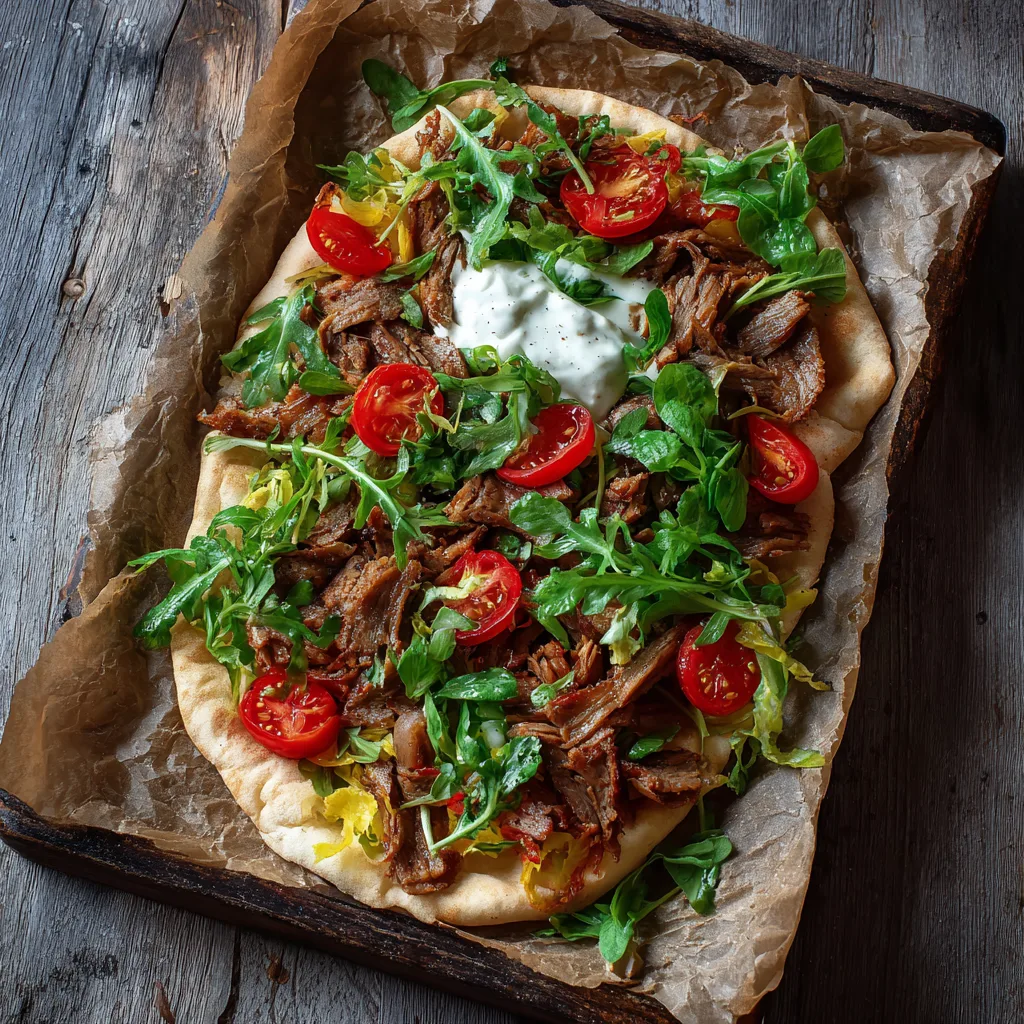
- Serve immediately in warm pitas or flatbreads with your favorite vegetables and yogurt sauce.
Notes
Pro Tips for the Ultimate Kebab Success
To ensure your sheet pan parchment döner kebab turns out flawlessly every single time, keep these professional tips in mind:
- Do Not Skip the Food Processor: If you just mix the meat by hand, it will bake like a thin meatloaf and crumble when you try to slice it. The food processor develops the myosin proteins in the meat, creating a cohesive, springy texture known as a “primary bind.”
- Watch the Edges When Rolling: When rolling the meat between the parchment, try to keep the thickness as uniform as possible. If the edges are paper-thin and the center is thick, the edges will burn in the oven before the center cooks through.
- Batch Freezing: You can double or triple this recipe, roll out multiple sheets of meat between parchment, stack them on a baking sheet, and freeze them solid. Once frozen, transfer the parchment-wrapped sheets to a large freezer bag. You can bake them straight from frozen; just add 5 to 7 extra minutes to the baking time!
- The Resting Period: Letting the baked meat sheet rest for just a few minutes before slicing allows the juices to redistribute. If you cut it instantly out of the oven, the juices will run out, leaving your slices dry.
Delicious Variations to Try
Once you master the base technique, the flavor possibilities are endless. Here are a few variations to shake up your dinner routine:
- Chicken Shawarma Style: Swap the beef and lamb for ground chicken thighs. Adjust the spices to include cardamom, turmeric, and a pinch of cinnamon. The rolling and baking process remains exactly the same, yielding incredible thin slices of chicken shawarma.
- Spicy Turkish Adana Style: Add two tablespoons of finely minced red bell pepper, a tablespoon of pepper paste (biber salçası), and extra chili flakes to the meat processor. This will give the meat a fiery, vibrant red color and a sweet-spicy flavor profile.
- The “Gyro” Profile: If you want your meat to taste more like a traditional Greek gyro, increase the dried oregano, reduce the cumin, and add a splash of lemon juice to the meat mixture before processing.
Serving Suggestions: Building the Perfect Plate
The beauty of this sheet pan parchment döner kebab is its versatility. You can serve it in a multitude of ways depending on your dietary preferences and what you have in the fridge.
The Classic Street Wrap
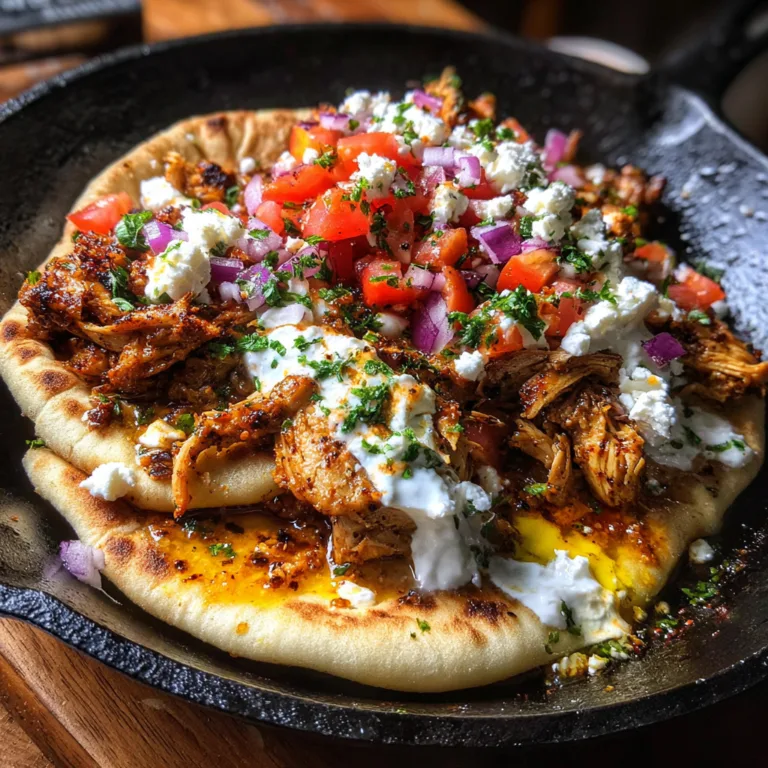
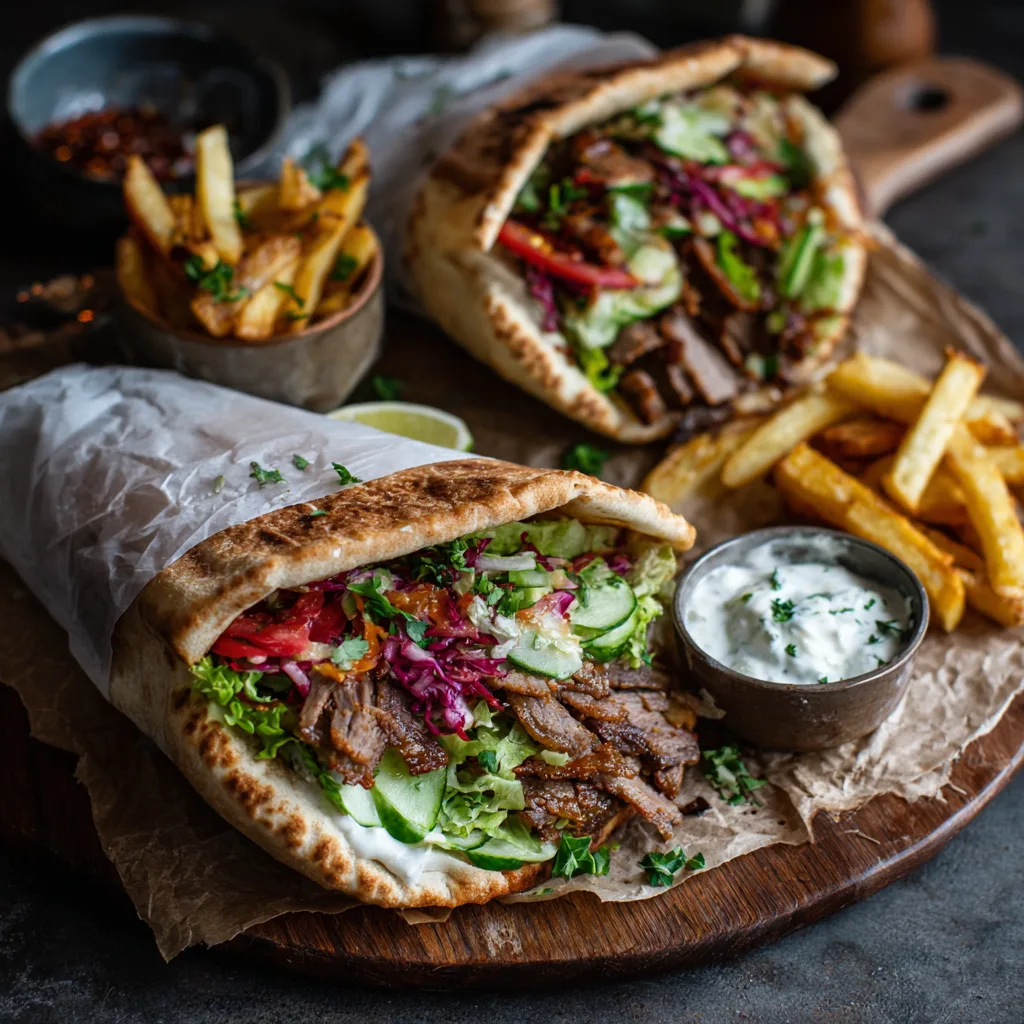
Warm a large, thin flatbread (like yufka or a high-quality tortilla) or a fluffy pita pocket. Smear a generous spoonful of garlic-herb yogurt sauce or traditional tzatziki on the bread. Layer in the hot, crispy döner meat. Top with shredded iceberg lettuce, thinly sliced red cabbage (tossed with a little lemon juice and salt), sliced tomatoes, and shaved red onions. Finish with a drizzle of spicy chili sauce, wrap tightly, and enjoy.
The Healthy Kebab Bowl
If you are watching your carbohydrates or prefer a lighter meal, build a spectacular döner bowl. Start with a base of fluffy quinoa, cauliflower rice, or a crisp romaine salad. Top with a hearty portion of the sliced meat, diced cucumbers, kalamata olives, feta cheese, pickled red onions, and a dollop of hummus. Drizzle with a lemon-tahini dressing.
Loaded Döner Fries
For an indulgent weekend treat, bake a batch of crispy French fries. Pile them high on a platter, top with a massive mountain of the crispy döner meat, and smother the whole thing in melted cheese or a creamy garlic sauce. Garnish with fresh parsley and jalapeños for a pub-style appetizer that will steal the show.
The Cultural Context: The Origins of Döner Kebab
To truly appreciate this dish, it is wonderful to understand its rich history. The concept of roasting meat on a horizontal spit has ancient roots in the Eastern Mediterranean, but the vertical spit—the defining feature of the modern döner kebab—is widely credited to the Ottoman Empire in the 19th century, specifically originating in the city of Bursa in modern-day Turkey. The genius of the vertical spit is that the fat from the top of the meat stack drips down, continuously basting the meat below, while the vertical orientation saves space and allows the meat to roast evenly without sitting in its own grease.
The word “döner” literally translates to “turning” or “rotating” in Turkish. As migration occurred in the 20th century, particularly the migration of Turkish guest workers to Germany in the 1960s and 70s, the dish evolved. In Berlin, the traditional plated meat was stuffed into toasted bread with a myriad of fresh salads and sauces, creating the portable, iconic “Döner Kebab” sandwich we recognize globally today. This sheet pan parchment method pays homage to that incredible flavor profile, making it accessible to home cooks who want to experience a taste of global culinary history in their own kitchens.
Storage and Freezing Instructions
This recipe is a champion for meal prep. Properly storing your leftovers ensures you can enjoy delicious kebabs for days.
Refrigeration: Allow the cooked and sliced meat to cool completely to room temperature. Transfer it to an airtight container and store it in the refrigerator for up to 4 days. When you are ready to eat, the best way to reheat it is in a skillet over medium heat to bring back the crispy edges. Microwaving is an option, but you will lose the satisfying crunch.
Freezing Cooked Meat: You can freeze the fully cooked slices. Place the cooled slices in a freezer-safe bag, squeeze out as much air as possible, and freeze for up to 3 months. Thaw overnight in the refrigerator before pan-frying to reheat.
Freezing Raw Meat Sheets: As mentioned in the pro-tips, you can freeze the raw meat paste rolled between parchment paper. Stack the flat sheets in your freezer. Once frozen solid, they can be kept in a large bag for up to 3 months. Bake straight from frozen, adding a few minutes to the cooking time, making it the ultimate emergency dinner.
Embrace the magic of the Sheet Pan Parchment Döner Kebab. It is an innovative, stress-free approach to an international classic that will leave your family begging for seconds. Enjoy the process, experiment with your favorite toppings, and savor every single crispy, spiced bite!