Triple Lemon Meringue Cheesecake
Triple Lemon Meringue Cheesecake: The Ultimate Citrus Indulgence
When two dessert titans collide, the result is nothing short of spectacular. Imagine the creamy, dense richness of a New York-style cheesecake marrying the tart, airy brightness of a classic lemon meringue pie. That is exactly what you get with this Triple Lemon Meringue Cheesecake. This isn’t just a dessert; it is a showstopper, a conversation piece, and a culinary journey through texture and flavor.
The “Triple” in the name is a promise of intensity. We don’t just add a splash of lemon juice and call it a day. No, we infuse citrus into every single layer. It starts with a zesty graham cracker crust, moves into a smooth, tangy lemon cheesecake filling, and is topped with a pool of vibrant, homemade lemon curd. Finally, it is crowned with a cloud of toasted meringue that adds a marshmallow-y sweetness to balance the sharp acidity. Whether you are hosting a summer barbecue, a holiday dinner, or simply treating yourself to a weekend baking project, this recipe is the gold standard for lemon lovers everywhere.
In this extensive guide, we will walk you through every step of the process. From achieving the perfect “no-crack” surface to mastering the art of the water bath and whipping up a stable meringue that won’t weep, we have you covered. Get your zester ready; it’s time to bake.
Why This Recipe Is a Must-Try
The Texture Symphony:
Most desserts offer one or two primary textures. This cheesecake offers four. You have the crunch of the buttery crust, the density of the cream cheese filling, the slick, jammy consistency of the curd, and the airy, foam-like softness of the meringue. Each bite is a new experience.
Visual Impact:
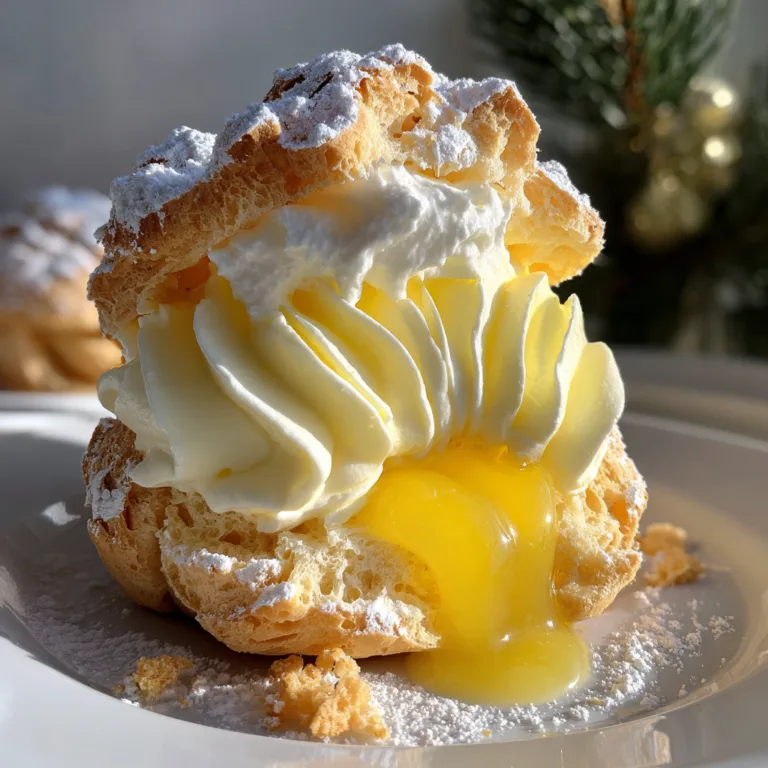
Let’s be honest—we eat with our eyes first. The contrast between the pale yellow filling, the bright neon pop of the curd, and the toasted browns of the meringue makes this one of the most photogenic desserts you can create. It looks like it came from a high-end patisserie, yet it is entirely achievable in a home kitchen.
Perfect Balance:
Cheesecake can sometimes be too heavy. Meringue pie can sometimes be too sweet. By combining them, the tartness of the lemon cuts through the fat of the cheese, while the creaminess of the cheese grounds the sugariness of the meringue. It is a perfectly engineered flavor profile.
Ingredients Needed
Quality ingredients are the backbone of this recipe. Here is what you will need for each layer.
Triple Lemon Meringue Cheesecake
Ingredients
Equipment
Method
- Preheat oven to 350°F. Mix crust ingredients and press into a 9-inch springform pan. Bake 10 mins.
- Reduce oven to 325°F. Beat cream cheese and sugar until smooth. Add sour cream, flour, lemon juice, and zest.
- Mix in eggs one at a time gently. Pour over crust. Bake in a water bath for 60-70 mins.
- Turn off oven, open door, and let cool 1 hour inside. Chill in fridge 6+ hours.
- Cook egg yolks, sugar, and lemon juice in a saucepan until thickened. Whisk in butter. Cool.
- Spread curd over cheesecake. Whip egg whites, sugar, and cream of tartar to stiff peaks.
- Top cheesecake with meringue and torch until golden brown.
Notes
For the Crust
- Graham Cracker Crumbs: 1 1/2 cups. You can also use digestive biscuits or vanilla wafers.
- Unsalted Butter: 6 tablespoons, melted. This binds the crust.
- Sugar: 1/4 cup. Granulated white sugar works best.
- Lemon Zest: 1 tablespoon. This is the first layer of our “triple” lemon threat.
For the Cheesecake Filling
- Cream Cheese: 32 oz (4 blocks), softened to room temperature. Full fat is non-negotiable for the right texture.
- Sugar: 1 1/4 cups.
- Sour Cream: 1/2 cup, room temperature. Adds tang and softens the texture.
- Eggs: 4 large, room temperature.
- Lemon Juice: 1/4 cup. Freshly squeezed is mandatory; bottled juice lacks the floral notes.
- Lemon Zest: 1 tablespoon.
- Vanilla Extract: 1 teaspoon.
- Flour: 2 tablespoons. A little starch prevents the eggs from curdling and stabilizes the cake.
For the Lemon Curd
- Egg Yolks: 4 large. Save the whites for the meringue!
- Sugar: 2/3 cup.
- Lemon Juice: 1/2 cup (about 3-4 lemons).
- Lemon Zest: 1 tablespoon.
- Unsalted Butter: 6 tablespoons, cold and cubed.
- Salt: A pinch.
For the Meringue
- Egg Whites: 4 large (from the curd step).
- Sugar: 3/4 cup.
- Cream of Tartar: 1/4 teaspoon. This stabilizes the egg whites and prevents them from collapsing.
- Vanilla Extract: 1/2 teaspoon.
Step-by-Step Instructions
Baking a cheesecake is a marathon, not a sprint. Take your time, read through the steps, and enjoy the process.
Phase 1: The Crust
1. Preheat your oven to 350°F (175°C).
2. In a medium bowl, combine the graham cracker crumbs, 1/4 cup sugar, and 1 tablespoon lemon zest.
3. Pour in the melted butter and mix until the texture resembles wet sand.
4. Press the mixture firmly into the bottom and slightly up the sides of a 9-inch springform pan. Use the bottom of a measuring cup to pack it down tight.
5. Bake for 10 minutes until lightly golden. Remove and let cool while you make the filling. Reduce oven temperature to 325°F (160°C).

Phase 2: The Cheesecake Filling
6. In a large mixing bowl (or stand mixer fitted with the paddle attachment), beat the softened cream cheese and 1 1/4 cups sugar on medium-low speed until completely smooth and creamy. Scrape down the bowl often to avoid lumps.
7. Add the sour cream, flour, vanilla, 1 tablespoon lemon zest, and 1/4 cup lemon juice. Mix on low until combined.
8. Add the eggs one at a time, mixing on low speed just until blended. Do not overmix after adding eggs, or you will whip air into the batter, which causes cracks.
9. Pour the batter over the crust.
10. Prepare a water bath: Wrap the bottom of your springform pan in double layers of heavy-duty aluminum foil. Place the pan into a larger roasting pan. Fill the roasting pan with boiling water until it reaches halfway up the side of the cheesecake pan.
11. Bake at 325°F for 60-70 minutes. The center should still be slightly jiggly (like Jell-O) when you shake the pan gently. Turn off the oven, crack the door open, and let the cheesecake cool inside for 1 hour. This slow cooling prevents cracks.
12. Remove from the oven and water bath. Chill in the refrigerator for at least 6 hours, preferably overnight.
Phase 3: The Lemon Curd
13. While the cheesecake chills, make the curd. In a small saucepan, whisk together egg yolks, 2/3 cup sugar, lemon zest, lemon juice, and salt.
14. Cook over medium-low heat, whisking constantly, until the mixture thickens and coats the back of a spoon (about 8-10 minutes). Do not let it boil.
15. Remove from heat and whisk in the cold cubed butter one piece at a time until smooth and glossy.
16. Strain through a fine-mesh sieve into a bowl (optional, for extra smoothness). Cover with plastic wrap pressing directly onto the surface and chill.
Phase 4: The Meringue & Assembly
17. Once the cheesecake is fully chilled, remove the ring from the springform pan. Spread the chilled lemon curd over the top of the cheesecake.
18. In a clean, grease-free bowl, whip the egg whites and cream of tartar on medium speed until soft peaks form.
19. Gradually add the 3/4 cup sugar, a tablespoon at a time, while whipping on high speed. Continue whipping until stiff, glossy peaks form and the sugar is completely dissolved.
20. Pipe or spoon the meringue over the lemon curd layer. Use a spoon to create swirls and peaks.
21. Use a kitchen torch to toast the meringue until golden brown. Alternatively, place under the oven broiler for 1-2 minutes, watching extremely closely to prevent burning.
The Science of the Perfect Water Bath
Many home cooks try to skip the water bath (bain-marie), but for this recipe, it is essential. A cheesecake is essentially a custard. Custards prefer gentle, even heat. The water acts as an insulator, ensuring the temperature around the pan never exceeds 212°F (100°C), regardless of the oven temp. This gentle cooking prevents the proteins in the egg from seizing up too quickly, which is the primary cause of rubbery texture and surface cracks. It also keeps the oven environment humid, preventing the top from drying out.
Tips for Meringue Success
Cleanliness is Godliness:
When whipping egg whites, even a microscopic trace of fat (yolk or grease) in the bowl can prevent the whites from rising. Wipe your bowl and beaters with a little vinegar or lemon juice before starting to ensure they are pristine.
Room Temperature Whites:
While cold eggs are easier to separate, room-temperature egg whites whip up to a greater volume. Separate them while cold, then let the whites sit on the counter for 30 minutes before whipping.
The Weeping Issue:
“Weeping” occurs when liquid seeps out from the meringue, creating a slippery layer between the topping and the filling. To prevent this, make sure your sugar is fully dissolved in the egg whites. Rub a bit of meringue between your fingers; if it feels gritty, keep whipping.
Variations and Serving Ideas
Mini Cheesecakes:
You can make this recipe in a muffin tin lined with cupcake liners. Reduce the baking time to 15-20 minutes. They are perfect for parties and require no cutting.
Cookie Crust Swap:
While graham crackers are traditional, try using Golden Oreos (filling removed) or Nilla Wafers for a sweeter, vanilla-forward crust. Gingersnaps also make a fantastic base that pairs surprisingly well with lemon.
Garnish with Candied Lemon:
For an extra professional touch, top the meringue with slices of candied lemon or fresh mint leaves. The pop of green against the yellow and white is stunning.
Storage and Freezing
Refrigeration:
This cheesecake must be kept refrigerated. It is best eaten within 3 days. The meringue may start to deflate or weep slightly after day 2, so it is best to add the meringue topping on the day you plan to serve it, even if you make the cheesecake days in advance.
Freezing:
You can freeze the baked cheesecake (without curd or meringue) for up to 2 months. Wrap it tightly in plastic wrap and then foil. Thaw in the refrigerator overnight before adding the toppings. Do not freeze the finished cheesecake with the meringue, as the texture will be ruined upon thawing.
Final Thoughts
The Triple Lemon Meringue Cheesecake is more than a dessert; it is a celebration of citrus. It requires patience and precision, but the reward is a slice of heaven that balances rich, creamy, tart, and sweet flavors in perfect harmony. It is the kind of dessert that elicits silence at the dinner table, followed by requests for the recipe. So, embrace the process, trust the water bath, and get ready to impress everyone—including yourself.