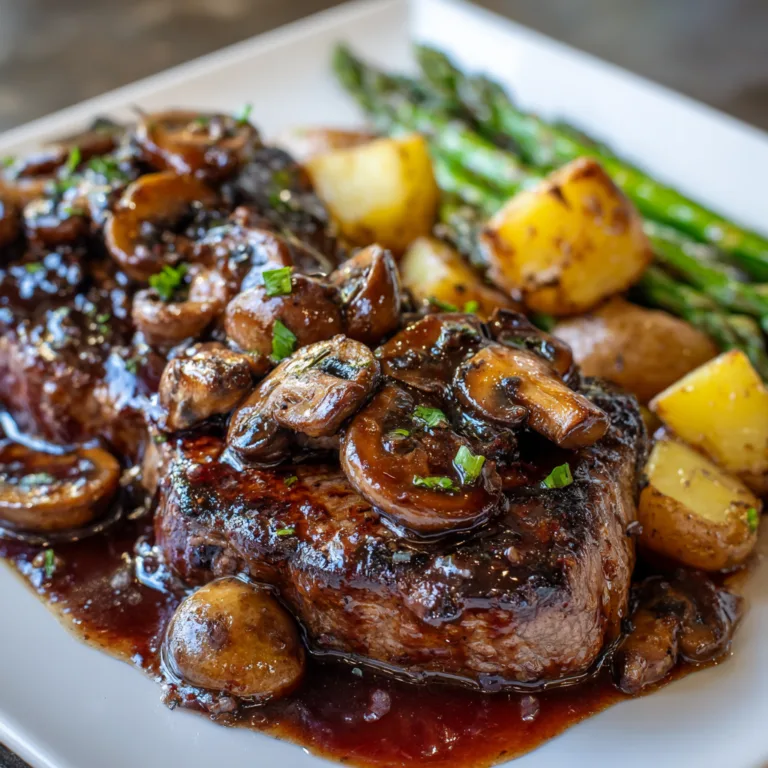
Whiskey Steak Recipe
Cast Iron Bavette Steak with Whiskey Garlic Cream Sauce: The Ultimate Date Night Dinner
When it comes to cooking steak at home, many home cooks stick to the basics: a grilled ribeye or a pan-seared filet. While these are classics for a reason, there is a whole world of butcher’s cuts that offer superior flavor and texture if treated correctly. Enter the Bavette Steak. Often confused with flank or skirt steak, the bavette (or flap steak) is a hidden gem beloved by chefs for its loose grain and intense beefy flavor. But we aren’t just searing a steak today; we are elevating it into a restaurant-quality masterpiece.
Imagine a steak with a crust so dark and savory it crunches slightly under your knife, revealing a tender, rosy medium-rare interior. Now, imagine that steak bathing in a pool of luxurious, velvety sauce made from pan drippings, roasted garlic, heavy cream, and a bold splash of whiskey. This Cast Iron Bavette Steak with Whiskey Garlic Cream Sauce is not just a meal; it is an experience. It’s the kind of dish that makes you put down your fork after the first bite just to process how good it is.
In this comprehensive guide, we are going to demystify the bavette cut, master the art of the cast-iron sear, and teach you how to build a pan sauce that rivals any high-end steakhouse. Whether you are cooking for a romantic date night, a special celebration, or just treating yourself because you deserve it, this recipe will become your new gold standard for beef.
What is Bavette Steak?
Before we fire up the stove, let’s talk about the meat. “Bavette” is the French name for the flank steak, but in butchery terms, it often refers specifically to the sirloin flap. It comes from the bottom sirloin area of the cow.
Flavor Profile: It has a deeply beefy, iron-rich flavor that is more intense than a filet mignon or even a strip steak. Because it comes from a working muscle, it has a distinct grain structure that holds marinades and sauces beautifully.
Texture: It is texturally similar to flank steak but thicker and more tender. The “loose” grain means that when you slice it correctly (against the grain!), it falls apart in your mouth. However, if sliced with the grain, it can be chewy—so technique is key here.
Why Cast Iron is Non-Negotiable
You will notice the title of this recipe specifies “Cast Iron.” This isn’t just for aesthetics; it’s a culinary necessity for this dish. Here is why:
- Heat Retention: When you place a cold steak into a pan, the temperature of the pan drops. Thin stainless steel or non-stick pans lose heat rapidly, which leads to steaming the meat rather than searing it. Cast iron holds its heat aggressively, ensuring that the moment the meat hits the metal, the Maillard reaction (browning) begins instantly.
- The Fond: This is the French term for the brown bits of caramelized protein and sugar left stuck to the bottom of the pan after searing. In a non-stick pan, you don’t get much fond. In cast iron, you get a goldmine of flavor that becomes the foundation of our Whiskey Garlic Cream Sauce.
- Oven Safe: Cast iron can go from the stovetop directly into a hot oven, which is perfect if your steak is thick and needs a few minutes of indirect heat to reach the perfect internal temperature without burning the crust.
The Magic of Whiskey in Cooking
You might be wondering, “Why whiskey?” Alcohol is a solvent. In cooking, it does two important things: it bonds with both fat and water molecules, bridging the gap between our buttery cream and the meat juices, and it dissolves flavor compounds that water and oil cannot dissolve on their own. This means the whiskey actually unlocks flavors in the garlic, thyme, and beef that you physically couldn’t taste without it.
As the alcohol cooks off, it leaves behind warm, toasted notes of vanilla, oak, and caramel (from the barrel aging) that pair exceptionally well with the savory umami of the beef and the richness of the cream.
Ingredients
To recreate this steakhouse experience, you will need the following ingredients. Quality matters here, so buy the best beef you can afford.
Cast Iron Bavette Steak with Whiskey Garlic Cream Sauce
Ingredients
Equipment
Method
- Take steak out of fridge 45 mins prior to cooking. Pat dry and season heavily with salt and pepper.
- Heat oil in cast iron skillet over high heat until smoking.
- Sear steak 3-4 minutes per side until deep brown crust forms.
- Add butter, smashed garlic, and thyme sprigs. Baste steak for 1 minute. Remove steak at 130°F (54°C) and let rest.
- Reduce heat to medium. Sauté minced garlic/shallot in pan drippings for 1 minute.
- Remove pan from heat and add whiskey to deglaze. Return to heat and reduce for 2 minutes.
- Add broth, Dijon, and Worcestershire. Simmer until reduced by half.
- Stir in heavy cream and simmer until sauce thickens. Slice steak against the grain and top with sauce.
Notes
The Steak
- Bavette Steak (Sirloin Flap) – 1.5 to 2 lbs. If you cannot find Bavette, thick-cut Flank Steak or Skirt Steak are the best substitutes.
- Kosher Salt – Generous amount.
- Black Pepper – Freshly cracked, coarse grind.
- Neutral Oil – 2 tablespoons (Avocado oil or Grapeseed oil). Olive oil has a smoke point that is too low for this high-heat sear.
- Unsalted Butter – 2 tablespoons, for basting the steak.
- Fresh Thyme – 4-5 sprigs.
- Garlic – 2 cloves, smashed, for basting.
The Whiskey Garlic Cream Sauce
- Reserved Pan Drippings – The liquid gold left in the pan.
- Unsalted Butter – 1 tablespoon.
- Shallot – 1 small, minced finely.
- Garlic – 3 cloves, minced or roasted whole (as seen in the image).
- Whiskey – 1/3 cup. Bourbon or Irish Whiskey works best. Avoid peaty Scotches as they can be too smoky.
- Beef Broth or Stock – 1/2 cup. Low sodium is preferred so you can control the salt.
- Heavy Cream – 1/2 cup. Do not use milk or half-and-half; the acidity of the whiskey might curdle lighter dairy.
- Dijon Mustard – 1 teaspoon. This acts as an emulsifier and adds a subtle tang.
- Worcestershire Sauce – 1 teaspoon. For that extra umami punch.
- Fresh Thyme – 1 tablespoon, chopped (plus more sprigs for garnish).

Step-by-Step Instructions
Phase 1: Steak Prep & Sear
1. Temper the Meat: Remove your steak from the refrigerator at least 45 minutes before cooking. A cold steak cooks unevenly. Pat it completely dry with paper towels. Moisture is the enemy of a good sear.
2. Season: Season liberally with Kosher salt and cracked black pepper on all sides. Press the seasoning into the meat.
3. Heat the Pan: Place your cast iron skillet over high heat. Add the neutral oil. Wait until the oil is shimmering and just starting to smoke. This indicates it is hot enough.
4. The Sear: Carefully lay the steak into the pan away from you to avoid splashing oil. Sear undisturbed for 3-4 minutes until a deep brown crust forms. Flip and sear the other side for 3 minutes.
5. Butter Baste: Reduce heat to medium-high. Add 2 tablespoons of butter, the smashed garlic cloves, and thyme sprigs to the pan. As the butter foams, tilt the pan slightly and use a large spoon to scoop the hot, flavored butter over the steak repeatedly for 1 minute. This adds incredible flavor.
6. Check Temp & Rest: Use an instant-read thermometer. You are aiming for 130°F (54°C) for medium-rare. Remove the steak to a cutting board or warm plate. Do not skip this: Let the steak rest for at least 10 minutes. This allows the juices to redistribute.
Phase 2: The Whiskey Sauce
7. Sauté Aromatics: While the steak rests, reduce the pan heat to medium. Keep the beef drippings in the pan (drain excess grease if there is more than 2 tablespoons). Add the minced shallot and garlic (or keep the whole roasted cloves in). Sauté for 1 minute until fragrant.
8. Deglaze: Remove the pan from the heat (crucial safety step if cooking with gas!). Pour in the whiskey. Return to heat. Scrape the bottom of the pan with a wooden spoon to lift up the fond. Let the whiskey simmer for 2 minutes to cook off the harsh alcohol bite.
9. Build the Body: Add the beef broth, Worcestershire sauce, and Dijon mustard. Simmer for 3-4 minutes until the liquid reduces by half.
10. Finish with Cream: Lower the heat to low. Stir in the heavy cream and chopped thyme. Simmer gently for 2-3 minutes until the sauce coats the back of a spoon. Taste and adjust salt and pepper.
Phase 3: Assembly
11. Slice: Observe the direction of the muscle fibers (grain) on your rested steak. Slice perpendicular (across) the grain into 1/2 inch thick strips. This shortens the muscle fibers, making every bite tender.
12. Serve: You can either return the sliced steak to the skillet and pour the sauce over it for a rustic presentation (as shown in the photo), or plate the steak and ladle the sauce over the top. Garnish with fresh thyme.
Expert Tips for Success
- The Grain is Everything: With bavette/flank cuts, slicing with the grain results in a tough, chewy “shoe leather” texture. Slicing against the grain results in a tender, melt-in-your-mouth experience. Take a moment to identify the lines running through the meat before you cut.
- Pan Management: If your pan starts to smoke excessively or the butter burns (turns black instead of nutty brown), your heat is too high. Control the heat by moving the pan on and off the burner if necessary.
- Sauce Consistency: If your sauce breaks (looks oily instead of creamy), whisk in a teaspoon of cold water vigorously. If it’s too thin, simmer longer. If too thick, add a splash of broth.
- Safety First: When adding whiskey to a hot pan, it can ignite (flambé). This is impressive but dangerous. Always pour alcohol from a measuring cup, not the bottle, and step back or turn off the flame momentarily.
Serving Suggestions
This rich, savory dish needs sides that can stand up to the bold flavors:
- Garlic Mashed Potatoes: The ultimate vehicle for soaking up extra whiskey sauce.
- Roasted Asparagus or Broccolini: The bitterness of green vegetables cuts through the richness of the cream.
- Crispy Smashed Potatoes: For a textural contrast to the tender meat.
- Crusty Sourdough Bread: Essential for wiping the cast iron skillet clean at the end of the meal.
Conclusion
The Bavette Steak with Whiskey Garlic Cream Sauce is more than a recipe; it’s a technique-driven meal that proves you don’t need to spend hundreds at a steakhouse to enjoy top-tier beef. The combination of the deeply charred, iron-rich meat with the sweet, smoky, and creamy sauce is a match made in culinary heaven. So grab your cast iron, pour yourself a glass of whatever whiskey you are cooking with, and enjoy the process.