Lavender & Blue Lotus “Tea Tonic” Mocktail for Deep Relaxation
The sober-curious movement has dramatically shifted how we approach evening beverages. Gone are the days when skipping alcohol meant settling for a sugary soda or a plain glass of sparkling water. Today, the world of zero-proof mixology is bursting with sophisticated, complex, and functional beverages. Enter the Lavender & Blue Lotus “Tea Tonic” Mocktail—an ethereal, beautifully hued, and profoundly relaxing elixir designed to help you unwind after a long day. If you are searching for a beautifully crafted sleep mocktail recipe that looks as good as it tastes, this botanical masterpiece will quickly become your evening ritual.
This exquisite drink marries the deep, historical reverence of the blue lotus flower with the universally recognized, soothing properties of culinary lavender. Paired with the gentle, sophisticated bitterness of tonic water and a splash of bright citrus, this calming tea tonic recipe delivers a complex flavor profile that rivals any craft cocktail. It is a functional beverage in the truest sense: a drink crafted not just to taste delicious, but to impart a genuine sense of tranquility and calm to the drinker.
The Mystical History of the Blue Lotus Flower
To truly appreciate this botanical tea mocktail, we must first dive into the rich, mystical history of its star ingredient: the blue lotus flower (Nymphaea caerulea). For thousands of years, this striking blue water lily has been revered across different cultures, most notably in Ancient Egypt. The blue lotus was considered a sacred plant, intimately tied to the mythology of creation, rebirth, and the sun.
In Ancient Egyptian art, you will frequently see depictions of deities and royalty holding the blue lotus flower to their noses, inhaling its sweet, intoxicating fragrance. It was believed to induce a state of relaxed euphoria and elevated consciousness. The flower contains two primary alkaloids—apomorphine and nuciferine—which are thought to be responsible for its calming, antispasmodic, and mildly euphoric effects. While the blue lotus is completely legal and non-hallucinogenic, brewing it into a tea imparts a profound sense of physical relaxation and mental clarity.
In terms of flavor, blue lotus tea is surprisingly earthy, slightly sweet, and mildly floral. It does not possess an overpowering perfume, making it a fantastic canvas for mixing with other, more robust botanicals. When brewed, it yields a pale golden or slightly amber liquid, but when combined with our next crucial ingredient, the visual magic truly happens.
The Science and Magic of Culinary Lavender
Lavender is perhaps the most famous botanical in the world for promoting relaxation. The scent alone is enough to lower heart rates and reduce stress, thanks to a high concentration of linalool, a naturally occurring terpene found in the plant’s essential oils. But lavender is not just for aromatherapy; when used correctly, it is a magnificent culinary ingredient.
When creating a lavender blue lotus mocktail, sourcing is everything. You must use “culinary-grade” lavender (usually English lavender, or Lavandula angustifolia). Ornamental varieties used in landscaping carry a high camphor content, which will make your mocktail taste like a bar of soap. Culinary lavender, on the other hand, is sweet, subtly floral, and carries bright, almost citrusy undertones.
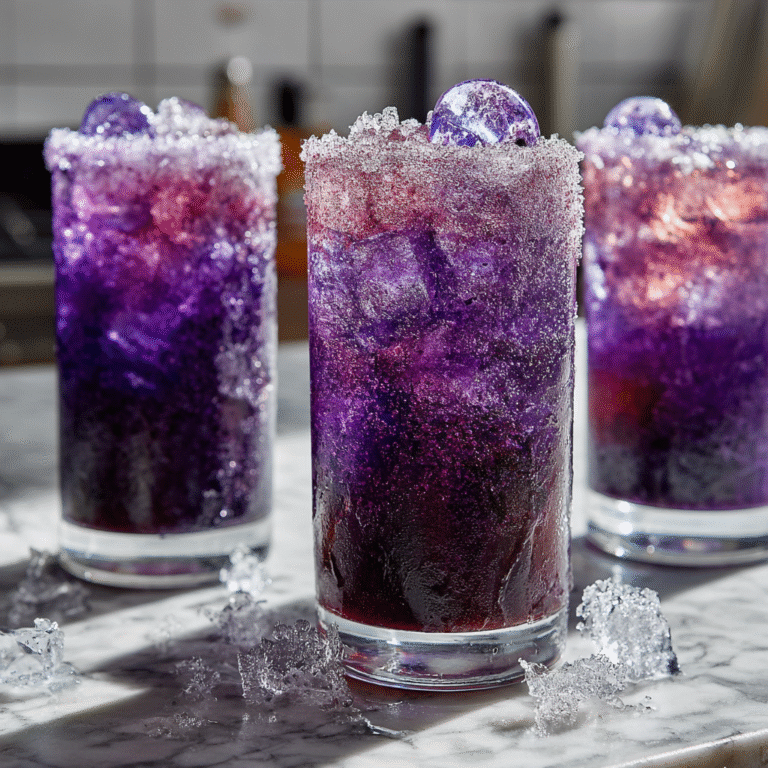
Beyond its flavor and calming effects, lavender brings visual drama to this drink. When you steep lavender buds, they release anthocyanins—water-soluble pigments that appear purple or blue. Here is where the mixology magic happens: anthocyanins are pH-sensitive. When you add a splash of acidic lemon juice to your lavender-lotus tea base, the liquid will magically transform from a murky blue-purple to a vibrant, glowing magenta or bright pink. This visual transformation makes preparing the mocktail an enchanting experience from start to finish.
Building a Sophisticated Flavor Profile: The Anatomy of a Tea Tonic
Creating floral non alcoholic drinks that appeal to an adult palate requires a careful balancing act. If a mocktail is too sweet or simply tastes like iced tea, it lacks the complexity required to sip slowly and savor. This is why we utilize the “tea tonic” method.
A traditional gin and tonic relies on the interplay between botanical gin and the bitterness of quinine found in tonic water. We replicate this sophisticated profile by using our concentrated, highly botanical tea base and topping it with premium tonic water. The bitterness of the tonic water cuts through the floral sweetness of the honey and the heavy floral notes of the lavender and lotus. The effervescence lifts the entire drink, opening up the aromas and creating a crisp, refreshing finish. It feels like a cocktail, drinks like a cocktail, but leaves you waking up the next morning feeling refreshed and deeply rested.

Essential Ingredients for Your Botanical Mocktail
Because this recipe relies on delicate botanicals, taking the time to source high-quality ingredients will drastically improve your final drink. Here is exactly what you need:
Ingredients
For the Concentrated Botanical Tea Base
- – 2 cups filtered water (Boiling)
- – 2 tablespoons dried blue lotus flowers (Ensure they are sourced from a reputable herbalist or tea purveyor)
- – 1 tablespoon culinary-grade dried lavender buds
- – 2 tablespoons raw honey or agave syrup (Agave dissolves easier in cold liquids, but honey pairs beautifully with floral notes)
- – 1/2 medium lemon, juiced (Essential for the color-changing effect and flavor balance)
For Assembling the Mocktail
- – Ice cubes (Large, clear ice cubes are preferred for a slow melt)
- – 2 cups premium tonic water (Fever-Tree or Q Tonic are excellent choices; use sparkling water if you strongly dislike bitterness)
- – Fresh lavender sprigs (For garnish)
- – 1 dried blue lotus flower or loose petals (For garnish)
- – Lemon wheels (For garnish)
Instructions
This recipe makes enough tea base for two large mocktails or four smaller ones. The tea base can be prepared in advance and stored in the refrigerator for up to three days.
- Brew the Botanical Concentrate: Bring the 2 cups of filtered water to a boil. Remove from heat and let it sit for about 30 seconds so it is just off the boil. Place the dried blue lotus flowers and the culinary lavender buds into a heat-safe glass pitcher or a large teapot. Pour the hot water over the botanicals.
- Steep for Maximum Flavor: Cover the pitcher and allow the tea to steep for exactly 7 to 10 minutes. Do not over-steep, or the lavender will begin to release bitter tannins.
- Strain and Sweeten: Carefully strain the hot tea through a fine-mesh sieve into a clean, heat-proof container, discarding the spent flowers and buds. While the liquid is still warm, stir in the raw honey or agave syrup until completely dissolved.
- Cool the Base: Allow the sweetened tea concentrate to cool to room temperature, then place it in the refrigerator to chill completely (about 30 to 45 minutes). A cold base is essential to prevent the ice from melting too quickly when you assemble the drinks.
- The Color-Changing Magic: Once the tea base is completely chilled, stir in the fresh lemon juice. Watch closely as the pH shifts and the tea transforms from a dark, moody purple/blue to a vibrant, bright magenta or pink.
- Assemble the Mocktails: Fill two highball glasses or large wine glasses with ice. Pour the chilled, color-changed tea concentrate evenly into the glasses, filling them about halfway.
- Top with Tonic: Slowly pour the premium tonic water over the tea base to fill the rest of the glass. The slower you pour, the more you can maintain a beautiful layered gradient effect before stirring. Give the drink one gentle stir to combine the flavors without losing the carbonation.
- Garnish and Serve: Garnish each glass with a fresh sprig of lavender, a floating blue lotus petal, and a thin wheel of lemon. Serve immediately and enjoy the profound relaxation.
Pro-Tips for Mastering Botanical Mixology
Working with floral ingredients can sometimes be tricky. Follow these professional tips to ensure your mocktail is perfectly balanced every time:
- Mind the Temperature: Boiling water can scald delicate lavender buds, releasing an unpleasant, soapy bitterness. Always let your boiling water rest for 30 to 60 seconds before pouring it over your botanicals.
- Adjust the Bitterness: Tonic water contains quinine, which is intentionally bitter. If you are serving this to someone who does not enjoy bitter flavor profiles, substitute the tonic water with a high-quality, highly carbonated club soda or sparkling water. You can also use a naturally flavored sparkling water, like lemon or grapefruit, to enhance the citrus notes.
- Create an Aromatic Garnish: Before placing your fresh lavender sprig into the glass, gently smack it against the back of your hand. This bursts the cell walls of the plant, releasing the fragrant essential oils into the air so you catch the relaxing scent with every sip.
- The Power of Clear Ice: Because this drink is so visually stunning, using cloudy freezer ice can detract from the presentation. If you want a truly professional look, invest in a clear ice mold or use large, slow-melting spheres.
Creative Variations to Explore
The beauty of this calming tea tonic recipe is its versatility. Once you understand the base proportions, you can customize the flavor profile to suit your exact mood.
The “Deep Sleep” Chamomile Blend
If you are drinking this specifically for insomnia, swap out half of the blue lotus flowers for organic dried chamomile flowers during the steeping process. Chamomile adds a lovely, mellow, apple-like sweetness that pairs beautifully with the lavender, while compounding the sedative effects of the drink.
The Spicy Botanical
For those who love the warming bite of ginger, add three thin slices of fresh, peeled ginger root to the pitcher while the tea is steeping. The gentle heat of the ginger contrasts beautifully with the cooling floral notes and provides fantastic digestive support after a heavy dinner.
The Sugar-Free Soother
If you are avoiding all added sugars, omit the honey or agave entirely. To ensure the drink isn’t too tart from the lemon, use a zero-sugar tonic water or a sparkling water flavored with a hint of natural berry or vanilla extract. The botanicals will shine through with a much drier, crisper finish.
When to Serve This Calming Elixir
While this mocktail is spectacular for a quiet Tuesday night at home, it also deserves to be shared. The sophisticated flavor profile and stunning visual presentation make it an incredible offering for social gatherings.
Serve these at an evening book club, a baby shower, or a bridal spa day. They are the perfect “welcome drink” for a dinner party, helping guests relax and settle in without the immediate intoxicant of alcohol. Because they act as a digestive aid and a relaxant, they also make a phenomenal nightcap to serve alongside a light dessert, like a lemon tart or shortbread cookies.
Final Thoughts on Mindful Drinking
The ritual of crafting a Lavender & Blue Lotus “Tea Tonic” Mocktail is almost as relaxing as drinking it. Taking the time to steep the flowers, watching the colors transform, and carefully garnishing the glass forces you to slow down and be present in the moment.
By incorporating functional, ancient botanicals like blue lotus and lavender into our modern evening routines, we honor the long history of plant medicine while enjoying a truly luxurious beverage. Whether you are fully sober, participating in Dry January, or simply looking to reduce your alcohol intake while improving your sleep quality, this majestic, deeply floral elixir will surely become your new favorite way to wind down.
Lavender & Blue Lotus “Tea Tonic” Mocktails
Ingredients
Equipment
Method
- Bring the water to a boil, then remove from heat and let rest for 30-60 seconds to slightly lower the temperature.
- Place the dried blue lotus flowers and lavender buds into a heat-safe pitcher. Pour the hot water over the botanicals.
- Cover and steep for 7 to 10 minutes. Do not over-steep to avoid bitterness.
- Strain the liquid through a fine-mesh sieve into a clean container. Discard the spent flowers.
- While the tea is warm, stir in the honey or agave until completely dissolved. Chill the mixture in the refrigerator for 30 minutes.
- Once completely chilled, stir the fresh lemon juice into the tea base and watch the color transform from deep purple to bright magenta.
- Fill two glasses with ice. Pour the botanical tea evenly between the two glasses, filling about halfway.
- Top each glass with tonic water. Give a gentle stir, garnish with a lemon wheel, fresh lavender, and a blue lotus petal. Serve immediately.