Salted French Butter Cookies
🧈 French Salted Butter Cookies (Sablés Bretons): The Ultimate Crumbly Indulgence
If you have ever bitten into a cookie that instantly dissolved into a sandy, buttery cloud of happiness, you have likely met the Sablé Breton. Originating from the Brittany region of France—a place world-renowned for its high-quality salted butter—these cookies are simple in ingredients but complex in texture.
Unlike the chewy American chocolate chip cookie or the snappy ginger snap, the French Salted Butter Cookie is dense, crumbly (“sablé” literally means “sandy” in French), and deeply savory-sweet. It is a celebration of butter. Not just any butter, but salted butter. In most baking, we are told to use unsalted butter to control the sodium, but here, the salt is the star. It cuts through the richness of the fat and egg yolks, creating an addictive flavor profile that makes it impossible to eat just one.
Whether you are dipping them in coffee, serving them with tea, or just sneaking one from the jar at midnight, these cookies are a masterclass in rustic elegance. They don’t require fancy piping bags or complex decoration. They just need good ingredients and a little bit of patience.
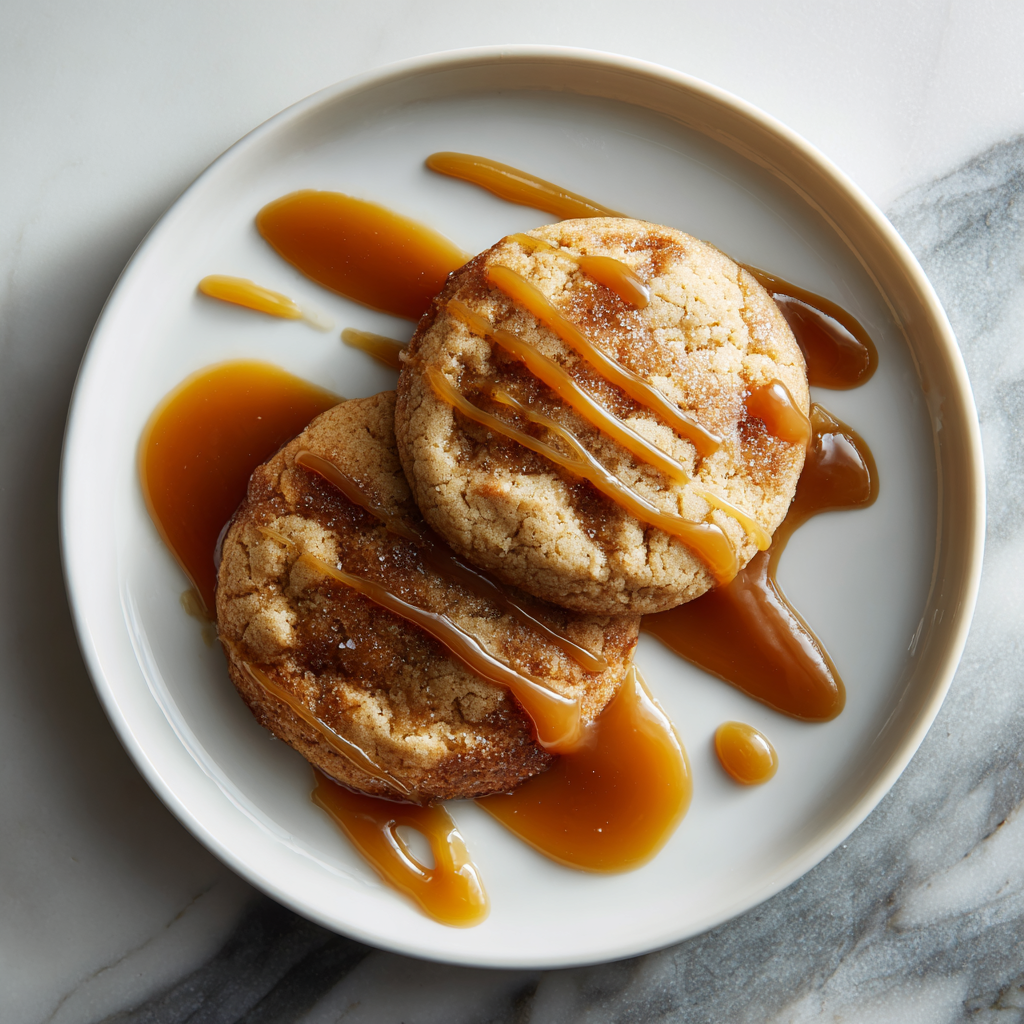
The History of the “Sablé”
Brittany (Bretagne) is unique in France because it wasn’t subject to the historical salt tax (the gabelle) that the rest of the country faced. Because salt was cheap and plentiful, the locals used it generously, especially in their butter. This gave birth to a culinary tradition rich in salted caramel and, of course, salted butter biscuits.
The texture of these cookies comes from a high ratio of fat (butter and egg yolks) to flour, and a mixing method called “sablage” (sanding), where the butter is rubbed into the flour before the liquid is added. However, in this specific recipe, we use a creaming method to get a slightly sturdier structure that melts on the tongue.
🥣 Ingredients
The beauty of this recipe lies in its simplicity. Since there are so few ingredients, quality matters.
- Salted Butter: 1 cup (2 sticks), softened. Yes, salted. If you can find European-style butter with a higher fat content (like Kerrygold or a French brand), use it. It makes a huge difference.
- Granulated Sugar: 2/3 cup. This provides the sweetness and the crunch.
- Egg Yolks: 3 large yolks. Save the whites for an omelet or meringue. The yolks provide richness, color, and that distinct tender texture.
- Vanilla Extract: 1 teaspoon. Pure vanilla is best.
- All-Purpose Flour: 2 cups.
- Baking Powder: 1 teaspoon. This gives the cookies a slight lift, making them tender rather than rock-hard.
- Fleur de Sel (Optional): For sprinkling on top.
- Egg Wash: 1 extra yolk mixed with a teaspoon of water for that shiny, golden top.
📝 Instructions
These cookies are forgiving, but they do require chilling time. Do not skip the fridge!
- Cream the Butter and Sugar: In a large mixing bowl, beat the softened salted butter and granulated sugar together until the mixture is pale and fluffy. This usually takes about 3-4 minutes with a hand mixer. You want the sugar to be mostly dissolved and the butter to be aerated.
- Add the Yolks: Add the 3 egg yolks and the vanilla extract to the butter mixture. Beat until fully combined and the mixture looks like a thick, yellow custard. Scrape down the sides of the bowl to ensure everything is incorporated.
- Dry Ingredients: Sift the flour and baking powder into the bowl. (Sifting helps prevent lumps and keeps the texture light).
- Mix Gently: Switch to a spatula or use your mixer on the lowest speed. Mix until the dough just comes together. It will look crumbly at first, then turn into a soft dough. Do not overmix, or you will develop the gluten and lose that “sandy” texture.
- Chill the Dough: Divide the dough in half. Flatten each half into a disc and wrap tightly in plastic wrap. Refrigerate for at least 2 hours (or overnight). The dough is very sticky and soft; it needs to be cold to roll out.
- Preheat: When ready to bake, preheat your oven to 350°F (175°C). Line two baking sheets with parchment paper.
- Roll and Cut: Remove one disc of dough from the fridge. Lightly flour your marble countertop and your rolling pin. Roll the dough out to about 1/4-inch thickness. Use a fluted cookie cutter (round) to cut out shapes.
- The Shine: Place the cookies on the baking sheet. Brush the tops generously with the egg wash. This is what gives them that iconic glossy, dark golden look.
- The Pattern: Using the tines of a fork, gently drag a cross-hatch pattern (crisscross) through the egg wash on top of each cookie. This is the traditional signature of a Sablé Breton. Sprinkle with a pinch of coarse sugar or Fleur de Sel if desired.
- Bake: Bake for 12-15 minutes, or until the cookies are a deep golden brown. They might look slightly soft in the center, but they will firm up as they cool.
- Cool: Let them cool on the baking sheet for 5 minutes before transferring to a wire rack.
💡 The Secret to the Perfect Texture
The key to a Sablé is the butter temperature.
- When mixing: The butter must be soft enough to cream with the sugar.
- When baking: The butter must be cold. If the dough warms up too much while you are cutting out shapes, put the baking sheet in the fridge for 10 minutes before putting it in the oven. This ensures the cookies hold their shape and get flaky rather than spreading into a puddle.
🧂 Why Salted Butter?
Most baking recipes call for unsalted butter to control the salt level. However, French recipes often rely on the specific flavor profile of salted butter. The salt is already dissolved into the fat, meaning it disperses evenly throughout the dough. It creates a savory backdrop that amplifies the vanilla and caramelized sugar notes. It turns a plain sugar cookie into a sophisticated treat.
🔄 Variations
While the classic is hard to beat, you can dress these up:
- Lemon Sablés: Rub the zest of 1 lemon into the sugar before creaming it with the butter.
- Chocolate Dipped: Once cooled, dip half the cookie into melted dark chocolate.
- Sandwich Cookies: Spread a layer of thick caramel or ganache between two cookies.
🧊 Storage
These cookies keep incredibly well, which makes them perfect for gifting.
Room Temperature: Store in an airtight container (a tin is traditional) for up to 1 week. They actually taste better on day 2 as the moisture redistributes.
Freezing: You can freeze the baked cookies for up to 2 months. Alternatively, freeze the raw dough discs for up to 3 months, thaw in the fridge, and bake fresh.
🏁 Conclusion
French Salted Butter Cookies are a testament to the power of minimal ingredients. They don’t hide behind frosting or sprinkles. They stand tall on the quality of the butter and the perfect bake. They are sandy, rich, and delightfully salty-sweet.
So, pour yourself a cup of strong coffee, grab your rolling pin, and transport your kitchen to the coast of Brittany. Once you master this recipe, you might never go back to regular sugar cookies again. Bon appétit!
French Salted Butter Cookies (Sablés)
Ingredients
Equipment
Method
- In a large bowl, cream together softened salted butter and sugar until pale and fluffy (3-4 mins).
- Beat in 3 egg yolks and vanilla extract until combined and creamy.
- Sift in flour and baking powder. Mix on low speed until a soft dough forms.
- Divide dough in half, flatten into discs, wrap in plastic, and chill for at least 2 hours.
- Preheat oven to 350°F (175°C). Line baking sheets with parchment paper.
- Roll out dough on a floured surface to 1/4-inch thickness. Cut with fluted cutters.
- Mix remaining egg yolk with water. Brush tops of cookies with wash.
- Use a fork to create a cross-hatch pattern on top. Sprinkle with sugar/salt if desired.
- Bake for 12-15 minutes until deep golden brown.
- Cool on baking sheet for 5 minutes, then transfer to wire rack.