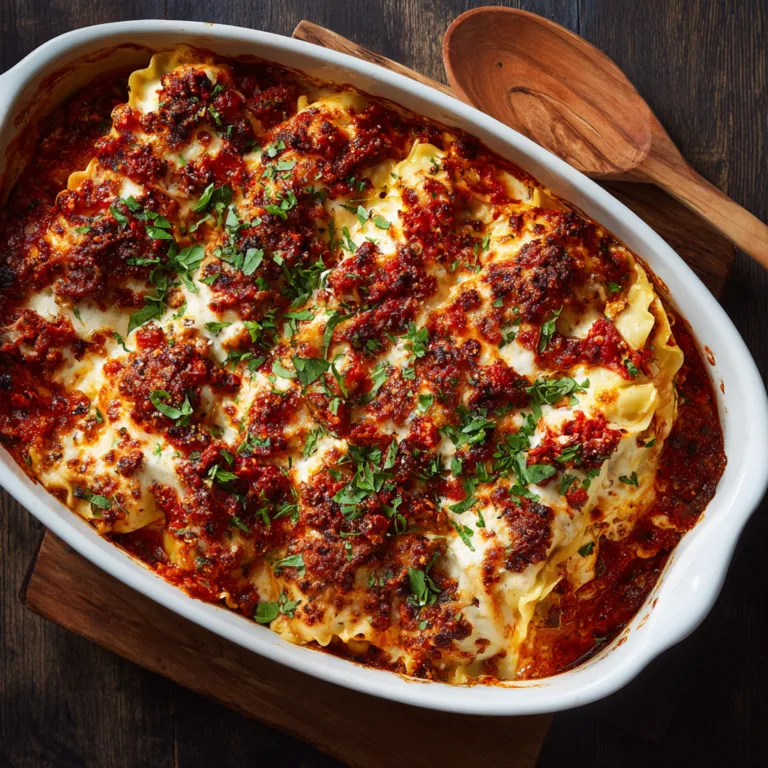
Creamy Mushroom Ravioli Sauce Recipe
A Creamy Mushroom Ravioli Sauce to Warm the Soul
There are few things in the culinary world more satisfying than a big bowl of pasta draped in a luxurious, velvety sauce. When the weather turns chilly, or when you simply need a culinary hug after a long day, comfort food is the answer. This Creamy Mushroom Ravioli Sauce is the epitome of comfort food. It is rich, earthy, deeply savory, and manages to transform humble, store-bought refrigerated ravioli into a restaurant-quality meal in under 30 minutes.
While store-bought jars of alfredo or marinara have their place for absolute emergencies, nothing compares to the flavor of a homemade cream sauce built on a foundation of browned butter and caramelized mushrooms. This recipe is designed for the home cook who wants gourmet results without spending hours simmering a sauce. It relies on a few key technique—primarily, how to properly brown mushrooms to extract their maximum umami flavor—to create a sauce that tastes complex and sophisticated. In this comprehensive guide, we will walk you through ingredient selection, the science of the sauté, and how to ensure your sauce is perfectly emulsified and glossy every single time.
Why This Recipe Works
The success of this dish lies in building layers of flavor in a single pan. Many mushroom cream sauces taste flat because the mushrooms are merely sweated rather than browned, or the cream is just heated without being properly reduced and seasoned.
The Umami Foundation
Mushrooms are naturally high in glutamates, the compounds responsible for the savory “umami” taste. To unlock this, they must be cooked at a high enough heat to evaporate their inherent moisture and allow the Maillard reaction (browning) to occur. By taking the time to deeply brown the mushrooms in a mix of butter and oil, we create a flavorful base that permeates the entire cream sauce. The addition of garlic, shallots, and parmesan cheese further amplifies these savory notes, while heavy cream provides the luxurious vehicle to deliver these flavors to your palate.
Creamy Mushroom Ravioli Sauce
Ingredients
Equipment
Method
- Bring a large pot of salted water to a boil for the ravioli.
- In a large skillet over medium-high heat, melt 1.5 tbsp butter with the olive oil. Add sliced mushrooms in a single layer (cook in batches if needed). Cook undisturbed for 4 mins to sear.
- Stir mushrooms and continue cooking until deeply browned, about 8-10 mins total. Season with salt and pepper.
- While mushrooms cook, boil ravioli according to package directions. Reserve 1 cup of pasta water before draining.
- Reduce skillet heat to medium. Push mushrooms to the side. Add remaining 1.5 tbsp butter and minced shallot; cook 2 mins. Add garlic; cook 30 seconds.
- Deglaze the pan with white wine, scraping up browned bits. Simmer until reduced by half.
- Pour in heavy cream and bring to a gentle simmer for 3-5 mins until slightly thickened. Stir in Parmesan cheese until melted.
- Add drained ravioli to the sauce. Toss gently to coat. Add reserved pasta water a tablespoon at a time if needed to thin the sauce. Stir in parsley.
- Serve immediately topped with extra cheese and black pepper.
Notes
Ingredients Breakdown
Because this sauce comes together quickly and relies on relatively few ingredients, the quality of those ingredients will significantly impact the final dish.
- Ravioli: We recommend using high-quality refrigerated cheese or spinach ravioli found in the deli section of your grocery store. They cook faster and have a better texture than dried shelf-stable tortellini or ravioli. A standard 18-20 oz package serves about four people.
- Mushrooms: This is the star of the show. We prefer cremini mushrooms (also sold as “baby bellas”). They have a deeper, earthier flavor and firmer texture than white button mushrooms. You could also use a mix of wild mushrooms if available, but creminis are a reliable and accessible choice.
- Butter and Olive Oil: We use a combination for sautéing. The oil raises the smoke point so the fats don’t burn over high heat, while the butter adds essential richness and flavor.
- Shallot and Garlic: These aromatics provide depth. Shallots offer a milder, sweeter onion flavor that doesn’t overpower the mushrooms, while fresh garlic provides the necessary savory punch.
- Dry White Wine: Used for deglazing the pan. The acid in the wine cuts through the richness of the cream and lifts the caramelized mushroom bits (fond) from the bottom of the pan, incorporating them into the sauce. Use a wine you would drink, like a Pinot Grigio or Sauvignon Blanc. If you don’t consume alcohol, chicken or vegetable broth is an acceptable substitute.
- Heavy Cream (Double Cream): Do not substitute with half-and-half or milk. You need the high fat content of heavy cream to create a thick, glossy sauce that won’t curdle when simmered with wine and cheese.
- Parmesan Cheese: Use freshly grated Parmigiano-Reggiano if possible. Pre-grated cheese often contains anti-caking agents (like cellulose) that prevent it from melting smoothly, leading to a grainy sauce.
- Fresh Parsley: A sprinkle of chopped fresh parsley at the end provides a necessary burst of color and herbaceous freshness to balance the heavy dish.
Step-by-Step Instructions
1. Prepare the Mushrooms
The most crucial step is prepping your mushrooms. Never soak them in water; they act like sponges and will absorb liquid, making them steam instead of brown in the pan. Instead, wipe them clean with a damp cloth or paper towel. Slice them moderately thick—about 1/4 inch. If they are too thin, they will shrivel up to nothing; too thick, and they won’t brown properly.
2. Boast the Mushrooms
Heat a large, deep skillet or sauté pan over medium-high heat. Add the olive oil and half of the butter. Once the butter is melted and frothy, add the sliced mushrooms. Spread them out in as single a layer as possible. Do not crowd the pan. If the pan is too crowded, the mushrooms will release moisture and steam rather than fry. Cook in batches if necessary. Let them sit undisturbed for 3-4 minutes so they get a good sear. Stir and continue cooking until they are deeply golden brown and reduced in size, about 8-10 minutes total. Season with salt and pepper only *after* they have browned (adding salt too early draws out moisture and hinders browning).

3. Cook the Ravioli
While the mushrooms are browning, bring a large pot of salted water to a rolling boil. Cook the ravioli according to the package directions, usually just 3-5 minutes for fresh pasta. They are done when they float to the top and are tender. Crucial Step: Before draining, carefully dip a measuring cup into the pot and reserve about 1 cup of the starchy pasta cooking water. Drain the ravioli.
4. Build the Aromatics and Deglaze
Reduce the heat under the skillet to medium. Push the browned mushrooms to the side of the pan. Add the remaining butter to the center of the pan. Once melted, add the finely minced shallot and cook for 2 minutes until soft. Add the minced garlic and cook for just 30-60 seconds until fragrant—do not burn the garlic. Pour in the dry white wine. Scrape the bottom of the pan with a wooden spoon to release any browned bits. Let the wine simmer vigorously until it is reduced by about half.
5. Create the Cream Sauce
Pour the heavy cream into the skillet with the mushroom mixture. Bring it to a gentle simmer. Let it reduce slightly for 3-5 minutes until it begins to thicken enough to coat the back of a spoon. Stir in the freshly grated Parmesan cheese until it is completely melted and the sauce is smooth.
6. Combine and Finish
Add the cooked and drained ravioli directly into the skillet with the sauce. Toss gently to coat the pasta without breaking the delicate pillows. If the sauce seems too thick or gluey, add the reserved pasta water, a tablespoon at a time, until you reach your desired creamy consistency. The starch in the water also helps the sauce cling to the pasta. Stir in most of the chopped fresh parsley. Taste and adjust seasoning with more salt and plenty of freshly cracked black pepper.
7. Serve
Divide the ravioli and sauce among serving bowls. Top with the remaining parsley and extra grated Parmesan cheese, if desired. Serve immediately while piping hot.
Tips for Sauce Success
- The “Liquid Gold”: Never forget to reserve pasta water. It is the secret weapon of professional chefs for adjusting sauce consistency and marrying the sauce to the pasta.
- Patience with Mushrooms: Do not rush the mushroom browning phase. It is better to cook them on slightly lower heat for longer than to burn them on high heat. The flavor payoff is worth the wait.
- Grate Your Own Cheese: As mentioned, freshly grated cheese melts better. Using a microplane creates fluffy mounds of cheese that dissolve instantly into the hot cream.
- Warm Your Bowls: For an extra touch of luxury, serve this pasta in warmed bowls so the sauce stays creamy longer.
Variations and Customizations
This base recipe is incredibly versatile. Here are a few ways to make it your own:
- Add Protein: To make it a heartier meal, stir in cooked, sliced grilled chicken breast or sweet Italian sausage along with the mushrooms.
- Add Greens: Stir in two handfuls of fresh baby spinach right when you add the heavy cream. It will wilt down perfectly in the hot sauce.
- Truffle Finish: For ultimate decadence, drizzle a tiny amount of high-quality white or black truffle oil over the finished dish just before serving. A little goes a long way!
- Herb Swap: If you aren’t a fan of parsley, fresh thyme or chives also pair beautifully with mushrooms and cream. Add thyme sprigs while sautéing the mushrooms and remove them before serving.
Cultural Context: Italian-American Comfort
While ravioli and mushroom sauces have deep roots in Italy, this particular style of exceptionally rich, heavy cream-based sauce is more reflective of Italian-American cuisine. In Italy, pasta sauces are often lighter, using just enough sauce to coat the noodles. The American adaptation embraces abundance, creating a hearty, saucy dish that aligns with the desire for comforting, substantial meals, especially during colder months. It’s a modern classic that brings restaurant indulgence into the home kitchen.
Storage and Reheating
Cream sauces are best enjoyed fresh, as they can separate upon reheating. However, leftovers can be managed:
Storage: Store leftovers in an airtight container in the refrigerator for up to 3 days.
Reheating: Reheat gently in a saucepan on the stove over medium-low heat. You will likely need to add a splash of milk, cream, or broth to loosen the sauce, as the pasta will have absorbed much of the moisture while sitting in the fridge. Stir frequently until heated through. Do not microwave if possible, as this often causes the butter fat to separate from the cream.