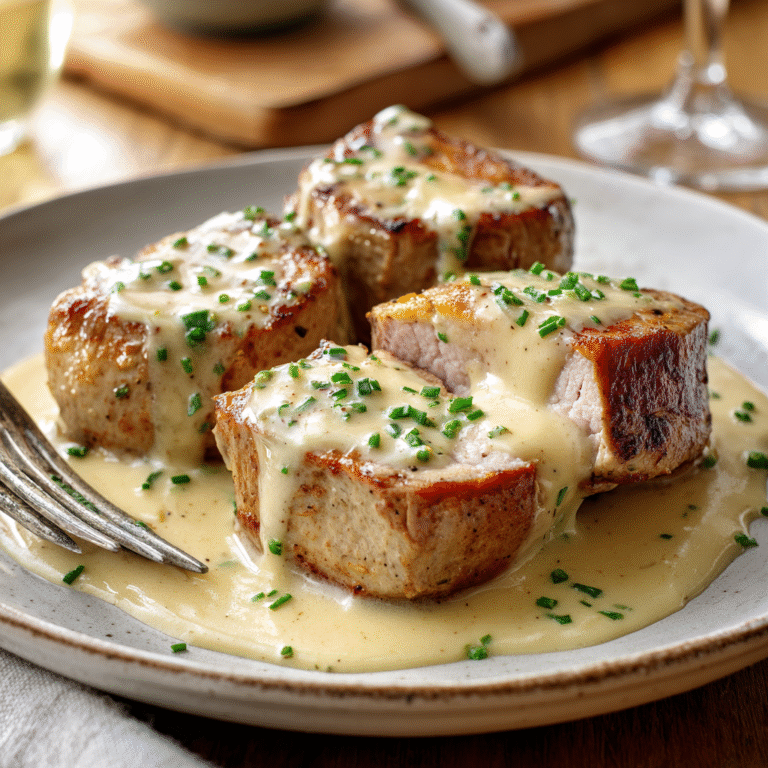
Cranberry Apple Beef Stew
Cranberry Apple Beef Stew: The Ultimate Sweet & Savory Winter Comfort
When the days grow shorter and the air turns crisp, there is an almost primal urge to retreat indoors and fill the kitchen with the aromas of slow-cooked comfort food. Beef stew is the quintessential winter meal—hearty, warming, and deeply satisfying. But sometimes, the classic recipe needs a vibrant update. Enter this Cranberry Apple Beef Stew. It takes everything you love about a traditional beef stew—melt-in-your-mouth meat, tender vegetables, and a rich gravy—and elevates it with the sweet and tart flavors of the holiday season.
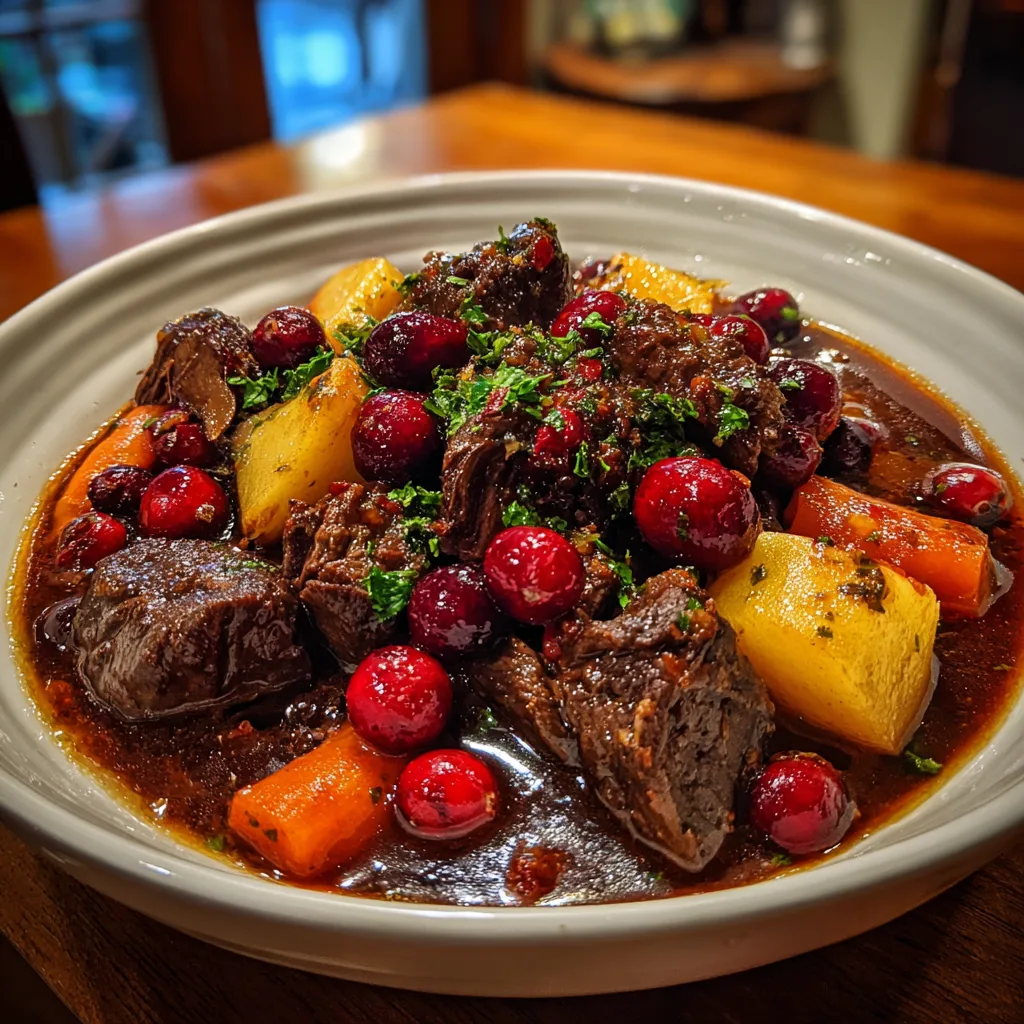
As seen in the enticing image above, this stew is a feast for the eyes before it even touches your lips. The glossy, deep reddish-brown broth is studded with vibrant pops of ruby-red cranberries and bright orange carrots. The tender chunks of beef are coated in a sauce that glistens under the light, promising a luxurious mouthfeel. The addition of apples and cranberries might sound unconventional for a savory beef dish, but it is a culinary combination rooted in history. The natural acidity of the fruit cuts through the richness of the beef fat, creating a balanced, complex flavor profile that is savory, slightly sweet, and wonderfully tangy all at once.
This recipe is perfect for a cozy Sunday supper, a festive holiday gathering, or any night when you need a meal that feels like a warm hug. It requires a bit of prep work, but the oven (or slow cooker) does most of the heavy lifting, transforming humble ingredients into a restaurant-quality dish. Let’s dive into why this unique combination works so well and how to achieve that perfect, glossy, fall-apart tender stew at home.
Why This Recipe Works
The magic of this stew lies in the interplay of contrasting flavors and textures. Here is the science behind why it tastes so good:
The Acid-Fat Balance: Beef chuck, the preferred cut for stew, is rich and fatty. While delicious, it can sometimes feel heavy on the palate. The fresh cranberries and tart apples provide necessary acidity. This acid acts as a foil to the fat, brightening up the entire dish and making the savory notes of the beef broth and herbs sing. It’s the same principle as serving cranberry sauce with rich turkey or applesauce with pork.
Natural Sweetener: Instead of relying solely on sugar or honey, the apples break down during the slow cooking process, releasing their natural sugars to lightly sweeten the gravy. This sweetness is subtle and earthy, perfectly complementing the savory herbs like thyme and rosemary.
Visual Appeal and Texture: The cranberries not only add flavor but also a stunning visual contrast. Some will burst, creating a thicker sauce and lending their rosy hue to the gravy, while others remain whole, offering a tart pop of texture in every bite. The potatoes and carrots provide soft, comforting earthiness to anchor the dish.
Cranberry Apple Beef Stew
Ingredients
Equipment
Method
- Pat beef dry and season generously with salt and pepper.
- Sear beef in batches in hot oil in a Dutch oven until deeply browned. Remove and set aside.
- Add onion to the pot and cook until softened. Add garlic and tomato paste, cooking for 1 minute.
- Deglaze with red wine (or broth), scraping up browned bits.
- Return beef to pot. Add carrots, potatoes, apples, cranberries, broth, herbs, and bay leaves.
- Cover and simmer on low (or in 325°F oven) for 2-2.5 hours until meat is fork-tender.
- Remove herbs. Stir in cornstarch slurry and simmer for 2 minutes to thicken gravy.
- Garnish with fresh parsley and serve hot.
Notes
Choosing the Right Ingredients
A stew is only as good as its components. Here is a deep dive into what you need:
The Beef:
For the best results, ditch the pre-cut “stew meat” from the grocery store, which can often be unevenly sized and cut from leaner parts of the cow that dry out. Instead, buy a whole boneless beef chuck roast. This cut comes from the shoulder and is loaded with intramuscular fat (marbling) and connective tissue (collagen). During the long, slow braise, the collagen melts into gelatin, which is what gives the stew meat its succulent, fall-apart texture and gives the gravy its luxurious body and glossy sheen. Cut the roast yourself into uniform 1.5 to 2-inch chunks.
The Fruit:
- Cranberries: Fresh cranberries are best when in season. They have a firm texture and a sharp tartness. Frozen cranberries work perfectly well too; just add them straight from the freezer. Avoid dried cranberries, as they are too sweet and chewy for this application.
- Apples: You want an apple that will hold its shape reasonably well but still soften and release sweetness. Granny Smith apples offer a great tart counterpoint, while Honeycrisp or Braeburn provide a nice balance of sweet and tart. Avoid mealy apples like Red Delicious.
The Liquid Foundation:
Use a high-quality beef broth or stock. If you have homemade bone broth, this is the place to let it shine. For an extra layer of depth, replace one cup of the broth with a dry red wine like Cabernet Sauvignon or Merlot. The wine’s tannins and acidity will help tenderize the meat and create a deeply flavored, restaurant-style gravy.
Ingredients
Gather these wholesome ingredients for a memorable winter meal.
The Meat and Aromatics:
- – 2.5 to 3 pounds boneless beef chuck roast, cut into 2-inch cubes
- – Salt and freshly cracked black pepper, for seasoning beef
- – 3 tablespoons olive oil or beef tallow, divided
- – 1 large yellow onion, chopped
- – 3 cloves garlic, minced
- – 2 tablespoons tomato paste
The Vegetables and Fruit:
- – 3 large carrots, peeled and cut into 1-inch chunks
- – 2 medium Yukon Gold or russet potatoes, peeled and cut into 1-inch chunks
- – 2 firm-tart apples (like Granny Smith or Honeycrisp), cored and cut into 1-inch chunks
- – 1 ½ cups fresh or frozen whole cranberries
The Liquids and Herbs:
- – 4 cups good-quality beef broth
- – 1 cup dry red wine (optional; substitute with more broth if preferred)
- – 2 bay leaves
- – 1 teaspoon dried thyme (or 3 sprigs fresh)
- – 1 sprig fresh rosemary
- – 2 tablespoons cornstarch mixed with 2 tablespoons cold water (for thickening)
- – Fresh chopped parsley, for garnish
Step-by-Step Instructions
Phase 1: Searing and Sautéing
1. Prep the Beef: Pat the beef cubes dry with paper towels. Moisture is the enemy of a good sear. Season generously on all sides with salt and pepper.
2. Sear in Batches: Heat 2 tablespoons of oil in a large Dutch oven or heavy-bottomed pot over medium-high heat until shimmering. Add the beef in a single layer, leaving space between chunks. Do not overcrowd the pan, or the beef will steam instead of sear. Brown deeply on all sides, about 3–5 minutes per batch. Remove browned beef to a plate and repeat with remaining beef. This step is crucial for developing deep flavor.
3. Cook Aromatics: Reduce heat to medium. Add the remaining tablespoon of oil to the pot. Add the chopped onion and cook until softened and lightly browned, about 5 minutes. Add the minced garlic and tomato paste, stirring constantly for 1 minute until fragrant and the tomato paste has darkened slightly.
Phase 2: The Braise
4. Deglaze: Pour in the red wine (or 1 cup of broth) and use a wooden spoon to scrape up the browned bits (fond) stuck to the bottom of the pot. This is pure flavor.
5. Combine and Simmer: Return the seared beef and any accumulated juices back to the pot. Add the carrots, potatoes, apples, cranberries, beef broth, bay leaves, thyme, and rosemary. Stir to combine. The liquid should almost cover the solid ingredients.
6. The Slow Cook: Bring the stew to a boil, then reduce heat to low, cover tightly with a lid, and simmer gently. Alternatively, transfer the covered Dutch oven to a preheated 325°F (163°C) oven. Cook for 2 to 2.5 hours, or until the beef is fork-tender and the vegetables are soft.
Phase 3: Thickening and Finishing
7. Thicken the Gravy: Once the meat is tender, remove the pot from the heat. Discard the bay leaves and rosemary sprig. If you prefer a thicker gravy, bring the stew back to a gentle simmer on the stovetop. Stir the cornstarch slurry (cornstarch and cold water mixture) into the bubbling stew. Cook for 2–3 minutes, stirring, until the sauce thickens and becomes glossy.
8. Garnish and Serve: Taste the stew and adjust seasoning with more salt or pepper if needed. Ladle into bowls and top generously with fresh chopped parsley for a burst of color and freshness.
Tips for Success
Don’t Rush the Sear: Taking the time to get a deep brown crust on the beef is the single most important step for flavor. That caramelization (the Maillard reaction) builds the foundation of the stew.
Low and Slow is the Way to Go: You cannot hurry a good stew. The connective tissue in the chuck roast needs time and gentle heat to break down. If your meat is tough, it simply hasn’t cooked long enough.
Season in Stages: Season the meat before searing, season the vegetables slightly when added, and do a final taste test at the end. This builds layers of flavor rather than just making the broth salty.
The Next-Day Magic: Like most stews and braises, this dish tastes even better the next day after the flavors have had time to meld in the refrigerator. It’s the perfect make-ahead meal.
Serving Suggestions
This stew is a complete meal on its own, but it pairs wonderfully with sides that can soak up that incredible cranberry-infused gravy.
- Crusty Bread: A loaf of sourdough or a rustic baguette is essential for wiping the bowl clean.
- Mashed Potatoes: Serve the stew over a bed of creamy garlic mashed potatoes for the ultimate comfort food experience.
- Polenta or Grits: Soft, cheesy polenta or stone-ground grits make an excellent base.
- Egg Noodles: Wide buttered egg noodles are a classic accompaniment to beef stew.
Storage and Freezing
Refrigerator: Store cooled stew in an airtight container in the fridge for up to 4 days. Reheat gently on the stove over medium-low heat.
Freezer: This stew freezes beautifully. Let it cool completely, then transfer to freezer-safe containers or bags. Freeze for up to 3 months. Thaw overnight in the refrigerator before reheating. Note that the potatoes may become slightly softer upon reheating after freezing, but the flavor will still be excellent.
Embrace the season with this vibrant, hearty Cranberry Apple Beef Stew. It’s a dish that looks as impressive as it tastes, guaranteed to warm you up from the inside out.