Chewy Ginger Molasses Sandwich Cookies
The Ultimate Chewy Ginger Molasses Sandwich Cookies with Eggnog Frosting
There is something undeniably magical about the combination of warming spices and the rich, deep sweetness of molasses. It signals the arrival of the cozy season, of wool socks, crackling fires, and holiday gatherings. But when you take a classic, chewy ginger molasses cookie—already a masterpiece of texture and flavor—and sandwich it around a luscious, creamy eggnog frosting, you elevate a simple treat into a gourmet experience. This recipe for Ginger Molasses Sandwich Cookies with Eggnog Frosting is the culinary equivalent of a warm hug.
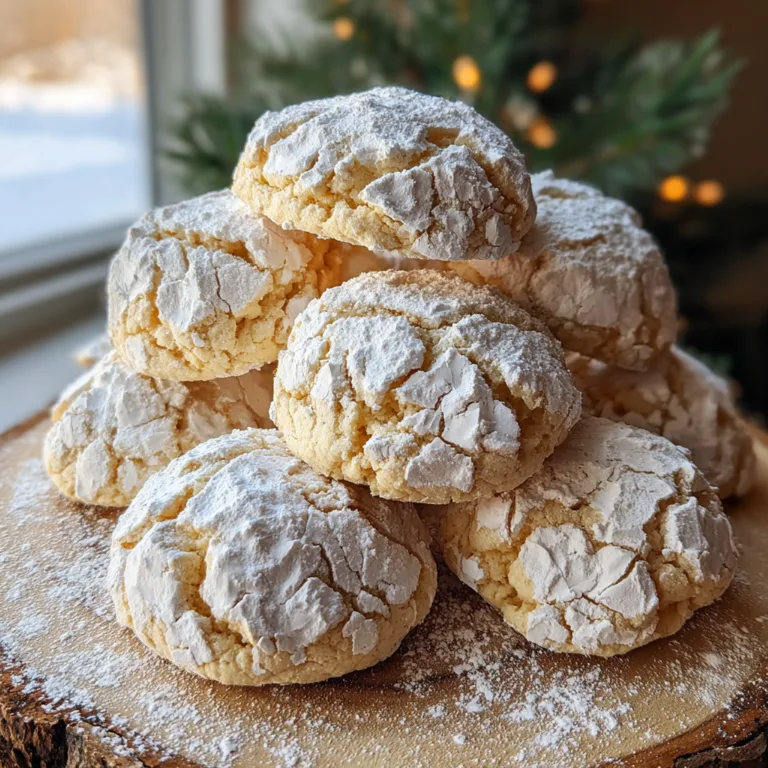
If you look at the image of these cookies, you can almost feel the texture before you even take a bite. The exterior of the cookie is coated in coarse sugar that glitters and provides a delicate, shattering crunch. As your teeth break through that sugary shell, they sink into a soft, chewy, slightly dense interior that is packed with the bold flavors of ginger, cinnamon, and cloves. Then, you hit the center: a smooth, velvety buttercream infused with the iconic flavor of eggnog and a hint of nutmeg. It is a study in contrasts—crispy yet soft, spicy yet sweet, earthy yet creamy.
In this comprehensive guide, we are going to explore every facet of making these incredible sandwich cookies. We will discuss the science behind why molasses creates that perfect chew, the importance of spice freshness, how to achieve that signature crinkled “crack” on top, and the secrets to an eggnog frosting that tastes like the holidays in a bowl. Whether you are a seasoned baker looking for a new showstopper for your cookie exchange or a novice wanting to impress your family, this recipe is your ticket to holiday baking success.
Why This Recipe Steals the Show
The holiday cookie platter is a competitive place. You have your sugar cookies, your snickerdoodles, and your thumbprints. So, why does this Ginger Molasses Sandwich Cookie deserve the center spot? It comes down to a few key culinary principles that make food exciting:
- The Texture Journey: A single texture can be boring. These cookies offer a journey. You start with the granular crunch of the sugar coating. This is followed immediately by the resistance of the caramelized crust. Then, the center of the cookie offers a bendy, chewy resistance that is satisfying to eat. Finally, the filling provides a cool, smooth release that coats the tongue.
- Flavor Complexity: Many holiday cookies are one-note: sweet. These cookies are sophisticated. The bitterness of the molasses and the heat of the ginger cut through the sugar, preventing the cookie from being cloying. The eggnog frosting adds a dairy richness and a specific nutmeg aroma that bridges the gap between the spicy cookie and the sweet filling.
- Visual Appeal: Let’s be honest, we eat with our eyes first. The deep mahogany color of the cookie contrasted against the stark white/cream filling makes for a striking visual. The sparkle of the sugar coating adds a festive touch that looks like fresh snow.

A Deep Dive Into The Ingredients
To create the perfect sandwich cookie, you need to understand your building blocks. Here is why we use what we use:
The Molasses: The Soul of the Cookie
Molasses is not just a sweetener; it is a flavor and texture agent. For these cookies, we recommend using unsulphured dark molasses (often labeled as “original” or “robust”). Avoid “blackstrap” molasses, which is much more bitter and less sweet, as it can make the cookies taste medicinal. The molasses is hygroscopic, meaning it attracts and holds water, which is the secret to keeping these cookies soft and chewy for days.
The Spices: The Warmth
Ginger, cinnamon, and cloves are the holy trinity of this recipe.
Ginger: Ground ginger provides a subtle heat that lingers on the palate.
Cinnamon: Adds a woody, aromatic sweetness.
Cloves: A little goes a long way; cloves provide a deep, earthy pungency that rounds out the flavor profile.
Tip: Ensure your spices are fresh. If they have been sitting in your cupboard for three years, they will lack the potency required to stand up to the molasses.
The Fat: Butter vs. Shortening
We use unsalted butter in this recipe. Butter provides flavor that shortening simply cannot match. It melts at body temperature, giving the cookie a “melt-in-your-mouth” quality. While shortening can produce a softer cookie, butter creates a better structure and a far superior taste, especially when paired with the eggnog filling.
The Filling: Eggnog and Nutmeg
The filling is essentially an American buttercream. It relies on butter and powdered sugar for structure. However, instead of milk or cream, we use full-fat eggnog. This infuses the frosting with that custard-like vanilla flavor. A pinch of fresh nutmeg in the frosting echoes the spices in the cookie, tying the two components together seamlessly.
Step-by-Step Instructions for Success
1. Mastering the Cookie Dough
The process begins by creaming the butter and sugar. This isn’t just mixing; it’s aeration. You want to beat them until pale and fluffy. This creates tiny air pockets that will expand in the oven, giving the cookie lift before it collapses into that dense chewiness. When you add the molasses, the mixture will turn a beautiful golden brown. When adding dry ingredients, mix only until combined. Overmixing develops gluten, which leads to tough cookies, and we want tender ones.
2. The Chill Factor
This dough will be sticky. Chilling it for at least an hour is non-negotiable. Chilling solidifies the butter, which prevents the cookies from spreading into flat puddles the moment they hit the hot oven. It also allows the flour to fully hydrate, improving the texture and concentrating the flavors.
3. The Sugar Roll
Rolling the dough balls in granulated or coarse sugar is essential. Not only does it add crunch, but it also helps facilitate the crackling top. As the cookie spreads, the drying surface pulls apart, and the sugar highlights those fissures.
4. The Bake: Under is Better
The most common mistake with molasses cookies is overbaking. They will look slightly underdone in the cracks when you pull them out. This is perfect. They will continue to set on the hot baking sheet. If you bake them until they look firm, they will be rock hard once cooled.
5. The Frosting and Assembly
Make sure your butter for the frosting is soft but not melted. Whip it well before adding sugar. Add the eggnog slowly; you want a pipeable consistency, not a glaze. Wait until the cookies are completely cool before filling, or your frosting will melt and slide right off.
Ingredients
For the Ginger Molasses Cookies:
- 2 1/4 cups All-Purpose Flour
- 2 teaspoons Baking Soda
- 1 teaspoon Ground Ginger
- 1 teaspoon Ground Cinnamon
- 1/2 teaspoon Ground Cloves
- 1/4 teaspoon Salt
- 3/4 cup Unsalted Butter, softened
- 1 cup Brown Sugar, packed
- 1 large Egg, room temperature
- 1/4 cup Unsulphured Molasses
- 1/3 cup Granulated Sugar (for rolling)
For the Eggnog Frosting:
- 1/2 cup Unsalted Butter, softened
- 2 cups Powdered Sugar, sifted
- 3-4 tablespoons Full-Fat Eggnog
- 1/2 teaspoon Vanilla Extract
- 1/4 teaspoon Ground Nutmeg (freshly grated is best)
Instructions
- Prep Dry Ingredients: In a medium bowl, whisk together the flour, baking soda, ginger, cinnamon, cloves, and salt until well combined. Set aside.
- Cream Butter and Sugar: In a large mixing bowl or stand mixer fitted with the paddle attachment, beat the softened butter and brown sugar together on medium-high speed for 2-3 minutes until light and fluffy.
- Add Wet Ingredients: Add the egg and molasses to the butter mixture. Beat until fully combined, scraping down the sides of the bowl as needed. The mixture may look slightly curdled; this is normal.
- Combine: Turn the mixer to low speed and gradually add the dry ingredients. Mix just until no flour streaks remain. Do not overmix. cover the bowl with plastic wrap and chill in the refrigerator for at least 1 hour (or up to overnight).
- Preheat and Roll: Preheat your oven to 350°F (175°C). Line baking sheets with parchment paper. Place the 1/3 cup granulated sugar in a small shallow bowl. Scoop the chilled dough into 1-tablespoon sized balls. Roll each ball in the sugar to coat completely.
- Bake: Place dough balls on the prepared baking sheets, spaced 2 inches apart. Bake for 8-10 minutes. The edges should be set, but the centers should still look slightly soft and underbaked.
- Cool: Allow the cookies to cool on the baking sheet for 5 minutes (they will deflate and crackle as they cool). Transfer to a wire rack to cool completely before filling.
- Make the Frosting: While cookies cool, beat the 1/2 cup butter for the frosting until creamy. Gradually add powdered sugar, alternating with 1 tablespoon of eggnog at a time, beating well after each addition. Add vanilla and nutmeg. Whip on high speed for 2 minutes until fluffy. Adjust consistency with more sugar (to thicken) or eggnog (to thin) if needed.
- Assemble: Match cookies up by size. Pipe or spread a generous amount of frosting onto the bottom of one cookie and sandwich with another. gently press down until the filling reaches the edges.
Tips and Troubleshooting
- My cookies are too flat: This usually means the butter was too warm or you didn’t chill the dough long enough. Ensure your butter is softened to cool room temperature, not melting.
- My cookies are hard: You likely overbaked them. Remember, they cook from the bottom up. Take them out when they still look a bit raw in the cracks.
- Can I make these ahead? Yes! The baked cookies (unfilled) freeze beautifully. The assembled sandwiches are best eaten within 2-3 days as the moisture from the filling will eventually soften the cookies too much.
- Frosting consistency: If your kitchen is warm, the frosting might be too soft. Pop the bowl in the fridge for 10 minutes to firm up before piping.
Fun Variations and Serving Ideas
While the eggnog filling is the star here, this base cookie is incredibly versatile. Here are some ways to switch it up:
- Lemon Ginger: Swap the eggnog frosting for a lemon cream cheese filling. The acidity of the lemon pairs wonderfully with the spicy ginger.
- Ice Cream Sandwiches: Skip the frosting and press a scoop of vanilla bean or pumpkin spice ice cream between two cooled cookies. Roll the edges in crushed gingersnaps for texture.
- White Chocolate Dipped: Instead of making a sandwich, dip half of each single cookie into melted white chocolate and sprinkle with festive sprinkles.
- Maple Filling: Substitute the eggnog in the frosting for heavy cream and add 1 teaspoon of maple extract for a pancake-inspired twist.
These Ginger Molasses Sandwich Cookies with Eggnog Frosting are more than just a sweet treat; they are a celebration of the season’s best flavors. The contrast of the spicy, chewy cookie with the creamy, rich filling makes for a bite that is balanced, complex, and utterly delicious. Bake a batch this weekend, and watch how quickly they disappear from the cooling rack!
Ginger Molasses Sandwich Cookies
Ingredients
Equipment
Method
- Whisk together flour, baking soda, ginger, cinnamon, cloves, and salt in a medium bowl.
- Cream butter and brown sugar until fluffy. Add egg and molasses, beating until combined.
- Gradually mix in dry ingredients until just combined. Chill dough for at least 1 hour.
- Preheat oven to 350°F (175°C). Roll chilled dough into tablespoon-sized balls, then roll in granulated sugar.
- Bake 8-10 minutes until edges set but centers are soft. Cool on sheet 5 minutes, then transfer to rack.
- Beat butter for frosting. Add powdered sugar, eggnog, vanilla, and nutmeg. Whip until fluffy.
- Sandwich cooled cookies with the eggnog filling.