Brown Butter Coffee Toffee Cookies
Brown Butter Coffee Toffee Cookies: The Ultimate Grown-Up Treat
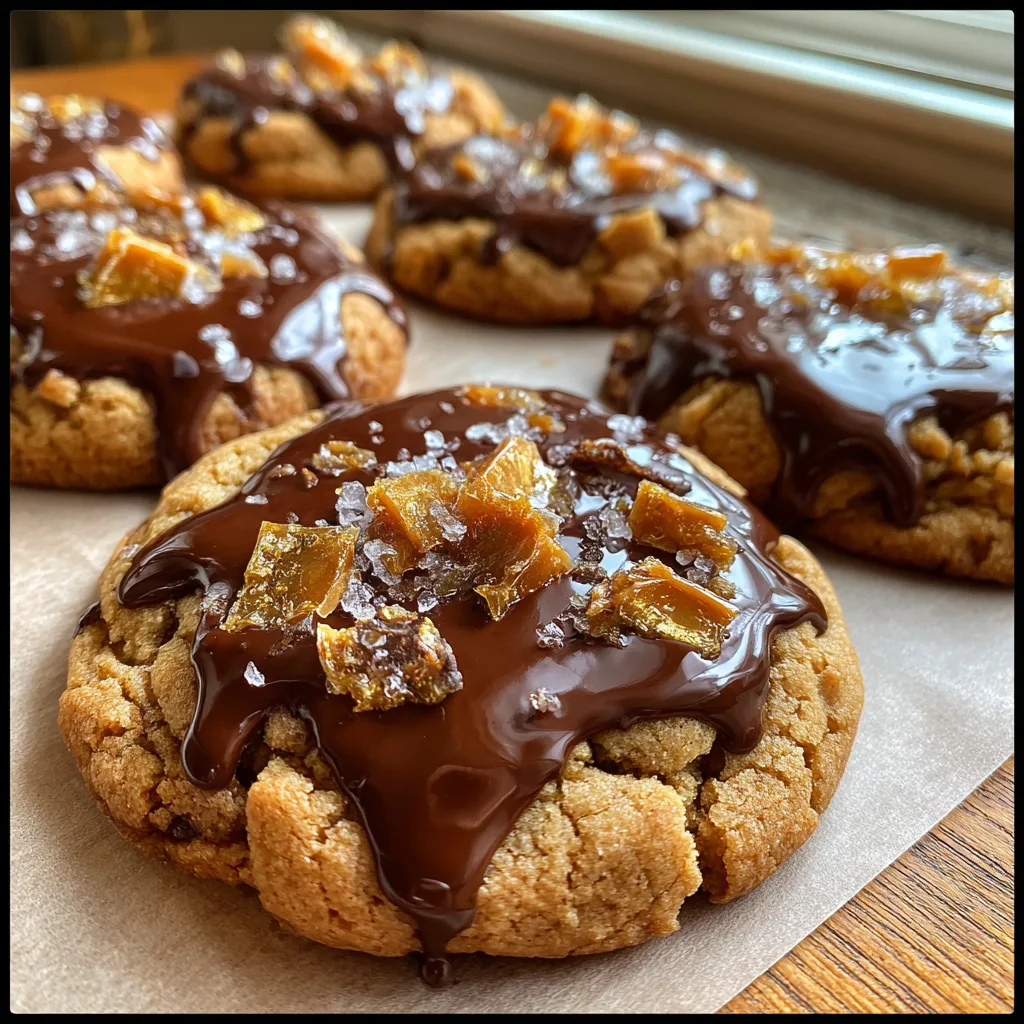
If there is a holy trinity of baking flavors, it has to be brown butter, coffee, and toffee. Individually, they are delicious. Together? They create a symphony of warmth, depth, and texture that transforms a standard cookie into a gourmet experience. These Brown Butter Coffee Toffee Cookies are not your average lunchbox snack. They are sophisticated, rich, and unapologetically indulgent. Imagine a cookie with crispy, caramelized edges, a chewy, soft center, and the complex nutty aroma of browned butter, all elevated by a kick of espresso and the sticky, sweet crunch of toffee bits.
The beauty of this recipe lies in its balance. The sweetness of the toffee and sugar is perfectly offset by the slight bitterness of the coffee and the savory depth of the brown butter. Topped with a sprinkle of flaky sea salt, every bite hits that “salty-sweet” crave-point that makes it impossible to eat just one. Whether you are baking for a holiday exchange, a coffee date, or just a Tuesday night craving, this guide will walk you through exactly how to achieve bakery-quality results at home.
Why Brown Butter Changes Everything
Before we dive into the ingredients, let’s talk about the star of the show: Brown Butter (or beurre noisette). If you have never made it, you are in for a life-changing culinary discovery. By simply cooking butter a few minutes past its melting point, the milk solids toast and caramelize.
This process unleashes a nutty, toasted aroma that smells like hazelnuts and caramel. In these cookies, brown butter does two things:
1. Flavor Depth: It replaces the flat, creamy taste of regular butter with a complex, savory richness.
2. Texture: Because water evaporates during the browning process, these cookies have a chewier, denser texture rather than being cakey.
Ingredients
To make these stunning Brown Butter Coffee Toffee Cookies, you will need the following ingredients. Don’t skip the espresso powder—it’s the secret weapon!
- Unsalted Butter – 1 cup (2 sticks). You will brown this to create the flavor base.
- Instant Espresso Powder – 1 tablespoon. This intensifies the chocolate and adds a roasted coffee note. Note: Do not use instant coffee granules; powder dissolves better.
- Dark Brown Sugar – 1 cup, packed. The molasses in brown sugar keeps the cookies chewy and moist.
- Granulated White Sugar – ½ cup. Helps the edges get crispy.
- Egg – 1 large whole egg plus 1 egg yolk. The extra yolk adds richness and fudginess.
- Vanilla Extract – 1 tablespoon. Use pure vanilla for the best flavor.
- All-Purpose Flour – 2 ¼ cups. Spoon and level your flour to avoid dry cookies.
- Baking Soda – 1 teaspoon. Creates the lift and spreading.
- Salt – ½ teaspoon fine sea salt (plus flaky salt for topping).
- Toffee Bits – 1 cup. You can buy pre-packaged bits (like Heath bits) or chop up toffee bars.
- Semi-Sweet Chocolate Chips or Chunks – ¾ cup. Chocolate pools better if you use a chopped bar, but chips work too.
Instructions
Follow these steps carefully, especially the butter browning process, to ensure perfect cookies every time.
Brown Butter Coffee Toffee Cookies
Ingredients
Equipment
Method
- Brown the butter in a saucepan over medium heat until nutty and amber-colored. Remove from heat immediately.
- Whisk the espresso powder into the warm butter until dissolved. Let butter cool for 15-20 minutes.
- In a large bowl, whisk the cooled butter with brown and white sugars until well combined.
- Add the egg, egg yolk, and vanilla extract; whisk until glossy.
- In a separate bowl, whisk together flour, baking soda, and fine sea salt.
- Fold dry ingredients into wet ingredients until just combined. Fold in toffee bits and chocolate.
- Chill dough in the refrigerator for at least 30 minutes. Preheat oven to 350°F (175°C).
- Scoop dough onto parchment-lined baking sheets, spacing 3 inches apart.
- Bake 10-12 minutes until edges are golden. Sprinkle with flaky sea salt while hot.
Notes
- Brown the Butter:
Place the butter in a light-colored saucepan over medium heat. Melt the butter, swirling the pan occasionally. It will foam, then sizzle. Continue cooking until the crackling stops and brown specks form at the bottom. The aroma should be nutty. Immediately remove from heat and pour into a heat-proof mixing bowl to stop the cooking. Let it cool for 15-20 minutes. - Infuse the Coffee:
While the brown butter is still warm (but not scalding), whisk in the instant espresso powder. The heat helps the powder bloom and dissolve, ensuring the coffee flavor is evenly distributed. - Mix Sugars and Wet Ingredients:
Add the dark brown sugar and white sugar to the cooled butter. Whisk vigorously for about 2 minutes until the mixture looks like wet sand and is slightly lighter in color. Add the egg, egg yolk, and vanilla extract. Whisk again until the mixture is glossy and smooth. - Combine Dry Ingredients:
In a separate bowl, whisk together the flour, baking soda, and fine sea salt. - Make the Dough:
Fold the dry ingredients into the wet ingredients using a rubber spatula. Stop mixing just before the flour streaks disappear. Fold in the toffee bits and chocolate chunks. Do not overmix. - Chill the Dough (Mandatory):
Cover the bowl with plastic wrap and chill in the refrigerator for at least 30 minutes. This prevents the cookies from spreading into thin pancakes in the oven. - Preheat and Scoop:
Preheat your oven to 350°F (175°C). Line two baking sheets with parchment paper. Scoop the dough into 2-tablespoon-sized balls and place them 3 inches apart on the sheets. - Bake:
Bake for 10-12 minutes. The edges should be golden brown and set, but the centers should still look slightly underbaked and soft. - The “Pan Bang” (Optional):
For those crinkled edges seen in the photo, lift the baking sheet and drop it onto the oven rack or counter 2-3 times immediately after taking them out of the oven. This collapses the center and creates ridges. - Cool and Garnish:
Sprinkle flaky sea salt on top immediately while the chocolate is still melty. Let the cookies cool on the baking sheet for 5 minutes before transferring to a wire rack.
The Science of the Perfect Cookie Texture
Why do we use both brown and white sugar? Why an extra egg yolk? Here is the breakdown:
The Chew Factor:
Brown sugar is acidic and hygroscopic (it holds water). This reacts with the baking soda to create a softer, chewier texture. The extra egg yolk adds fat without adding extra water (which is in egg whites), contributing to a fudgy, dense mouthfeel similar to a brownie.
The Crispy Edge:
White sugar caramelizes faster and creates that snap on the outer rim of the cookie. By using a blend, we get the best of both worlds.
Variations to Try
Once you master the base recipe, try these creative twists:
The “Mocha Hazelnut”:
Swap the toffee bits for roasted, chopped hazelnuts. The combination of coffee, chocolate, and hazelnuts tastes like Nutella on steroids.
The “White Chocolate Latte”:
Use white chocolate chips instead of semi-sweet. The milky sweetness of white chocolate pairs beautifully with the bitter espresso notes.
The “Spice Blend”:
Add ½ teaspoon of cinnamon and a pinch of cardamom to the flour mixture. This creates a “Dirty Chai” flavor profile that is perfect for autumn.
Tips for Success
1. Watch the Butter Closely:
Brown butter can go from “toasted” to “burnt” in seconds. Use a light-colored pan so you can see the color change of the milk solids. If it smells like charcoal, start over.
2. Don’t Skip the Salt:
Toffee and brown butter are very rich. The flaky sea salt on top isn’t just a garnish; it wakes up your palate and cuts through the richness, preventing flavor fatigue.
3. Use Fresh Espresso Powder:
If your jar of espresso powder has been sitting in the cupboard for 3 years, it has likely lost its potency. Buy a fresh jar (like DeLallo or King Arthur Flour brand) for the best result.
Storage and Freezing
Room Temperature:
Store baked cookies in an airtight container for up to 4 days. Add a slice of white bread to the container to keep them soft.
Freezing Dough:
This is the best way to have fresh cookies on demand. Scoop the dough into balls and freeze them on a baking sheet. Once solid, transfer to a ziplock bag. You can bake them straight from frozen—just add 1-2 minutes to the baking time.
Freezing Baked Cookies:
Baked cookies can be frozen for up to 3 months. Thaw at room temperature for an hour before eating.
Fun Fact: The History of Toffee
Did you know that “toffee” as a word first appeared in the Oxford English Dictionary in 1825? It originated in England, made by boiling treacle or sugar with butter. Adding it to cookies provides a unique textural contrast—where chocolate melts, toffee stays crunchy and sticky, giving your jaw a delightful workout!
Final Thoughts
These Brown Butter Coffee Toffee Cookies are more than just a dessert; they are an experience. They fill your kitchen with the most incredible aroma and taste like they came from a high-end bakery. Whether you are a coffee lover or just a lover of good food, this recipe is guaranteed to impress. Grab a glass of cold milk or a hot latte, and enjoy the fruits of your labor!