Mediterranean Feta Dipping Oil
Mediterranean Feta Dipping Oil: The 5-Minute Appetizer That Steals the Show
There is a profound beauty in simplicity, especially when it comes to Mediterranean cuisine. It is a culinary tradition that understands that if you start with exceptional ingredients, you don’t need to do much to them to create something spectacular. Enter the Mediterranean Feta Dipping Oil. This isn’t just a recipe; it’s a ritual. It’s the centerpiece of a gathering, the prelude to a feast, or simply a luxurious snack to enjoy with a glass of wine on a quiet Friday evening.
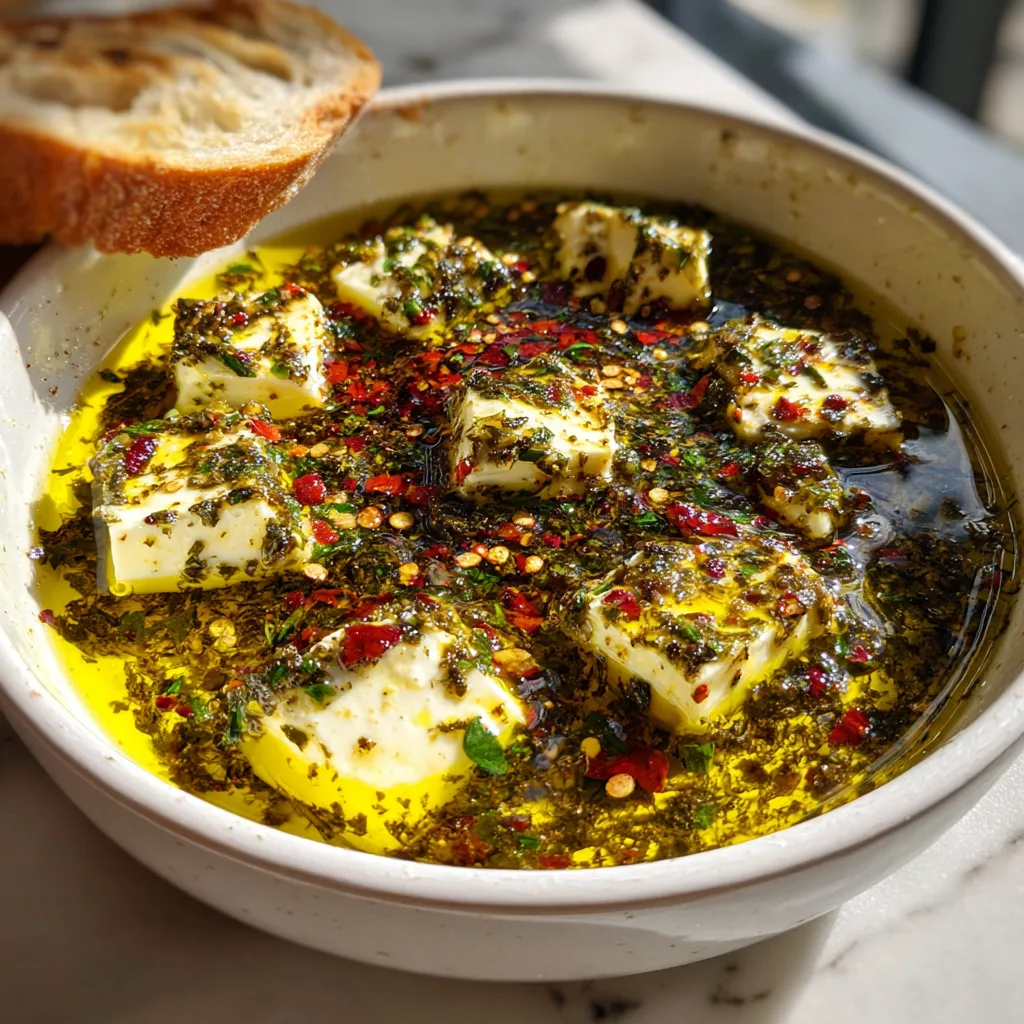
Imagine a shallow bowl filled with liquid gold—high-quality extra virgin olive oil—infused with the earthy aroma of dried oregano, the subtle heat of red pepper flakes, and the sharp, salty punch of feta cheese. It is a dish that engages all the senses: the vibrant colors of the herbs against the white cheese, the intoxicating smell of garlic and olive oil, and the textural contrast of the soft cheese and the crunch of crusty bread. In this comprehensive guide, we will explore how to construct the perfect dipping oil, select the right olive oil, and pair it with the perfect vessel for dipping.
Why This Recipe Is a Staple
Speed and Elegance:
In the world of entertaining, we are often forced to choose between quick food and impressive food. This recipe bridges that gap. It takes literally five minutes to assemble, yet it looks and tastes like something served at a high-end Greek taverna. It is effortless elegance on a plate.
The Flavor Profile:
It hits every note on the palate. You have the richness of the fat from the oil, the saltiness and tang from the feta, the herbaceous notes from the oregano and basil, and a kick of heat from the chili flakes. It is a balanced equation of flavor that keeps you coming back for “just one more piece of bread.”
Versatility:
While primarily a dip for bread, this mixture is a culinary chameleon. It can double as a salad dressing, a marinade for chicken, or a finishing oil for roasted vegetables. Once you make a batch, you will find yourself drizzling it on everything.
Ingredients Needed
Because there is no cooking involved, there is nowhere for low-quality ingredients to hide. Each element must stand on its own.
Mediterranean Feta Dipping Oil
Ingredients
Equipment
Method
- Mince the garlic finely. In a small bowl, mix garlic, dried oregano, dried basil, red pepper flakes, and black pepper.
- Pour the extra virgin olive oil into a shallow serving bowl or rimmed plate.
- Add the herb and garlic mixture to the oil and stir gently to combine. Let sit for 10 minutes to infuse if time permits.
- Crumble the block of feta cheese directly into the oil, keeping some chunks large.
- Garnish with fresh chopped parsley.
- Serve immediately with warm crusty bread for dipping.
Notes
- Extra Virgin Olive Oil (EVOO): 1 cup. This is the foundation. Do not use “light” or refined olive oil. You want a robust, cold-pressed Extra Virgin Olive Oil. Look for one with a harvest date on the bottle. Greek or Italian oils with peppery notes work beautifully here.
- Feta Cheese: 1 block (about 8 oz), crumbled. Buy a block of feta in brine and crumble it yourself. Pre-crumbled feta is often dry and coated in anti-caking agents, which prevents it from marinating properly in the oil.
- Dried Oregano: 1 tablespoon. Greek oregano is preferred for its intense aroma.
- Dried Basil: 1 teaspoon. Adds a subtle sweetness to balance the savory oregano.
- Red Pepper Flakes: 1/2 to 1 teaspoon. Adjust this based on your heat tolerance. It cuts through the richness of the oil.
- Garlic: 2-3 cloves, fresh, minced very finely. Fresh garlic provides a bite that dried powder cannot match.
- Fresh Parsley or Thyme: 1 tablespoon, chopped. For a pop of fresh color and flavor brightness.
- Black Pepper: Freshly cracked, to taste.
- Lemon Zest (Optional): The zest of half a lemon adds a wonderful citrus aroma that lifts the heavy oil.
Step-by-Step Instructions
Assembly is simple, but the order of operations can affect how well the flavors meld.
1. Prepare the Aromatics
In a small bowl, combine the minced garlic, dried oregano, dried basil, red pepper flakes, and black pepper. If you are using lemon zest, add it now. Mashing these ingredients together slightly with the back of a spoon can help release their oils before they even hit the olive oil.
2. Infuse the Oil
Pour the extra virgin olive oil into your serving dish—a shallow, wide-rimmed bowl or a pie plate works best to maximize the surface area for dipping. Add the herb and garlic mixture to the oil. Whisk gently with a fork to distribute the spices evenly throughout the oil. Let this sit for about 10–15 minutes if you have the time; this resting period allows the dry herbs to hydrate slightly and the garlic flavor to permeate the oil.
3. Add the Feta
Take your block of feta cheese and crumble it directly into the oil. You want a mix of sizes—some small crumbs that will coat the bread and some larger chunks that you can scoop up. Do not stir too vigorously, or the cheese will break down into a cloudy mess. You want distinct white islands of cheese floating in the green-gold sea.
4. Garnish and Serve
Sprinkle the fresh chopped parsley (or fresh thyme) over the top for a burst of color. Serve immediately with a basket of warm, crusty bread.
The Art of Bread Selection
The dipping oil is only half the equation; the vehicle you use to eat it is just as important. Here are the best breads for this recipe:
Sourdough:
A loaf with a thick, chewy crust and an airy crumb is ideal. The tang of the sourdough starter complements the tang of the feta perfectly.
Focaccia:
If you want to double down on the Italian vibes, serve this with rosemary focaccia. The spongy texture of focaccia is designed to absorb oil.
French Baguette:
Classic and reliable. Slice it on a bias (diagonal) to create more surface area for dipping. Toasting the slices slightly can add a nice crunch.
Warm Pita:
Soft, warm pita bread cut into wedges is a fantastic option, leaning into the Greek origins of the feta.
Expert Tips for the Best Dip
Temperature Matters:
Olive oil solidifies in the refrigerator. If you are making this ahead of time, you must pull it out of the fridge at least 30 minutes before serving to let the oil return to a liquid state. However, this dish is best enjoyed fresh at room temperature.
Garlic Warning:
Raw garlic in oil carries a risk of botulism if stored improperly for long periods. If you make a large batch, it must be stored in the refrigerator and consumed within 2-3 days. Do not store garlic-infused oil at room temperature for more than a few hours.
The “Warming” Trick:
If you want to release even more flavor, you can gently warm the olive oil in a saucepan over very low heat with the dried herbs and garlic for 2 minutes. Do not let it sizzle or fry—just warm it to blood temperature. Let it cool slightly before adding the feta so the cheese doesn’t melt.
Variations to Elevate Your Dip
While the classic recipe is perfect, you can customize it to your liking:
- The Italian Twist: Add a tablespoon of balsamic glaze (thick balsamic vinegar) to the center of the bowl. It creates a beautiful dark swirl and adds sweetness.
- The Olive Lover: Add 1/4 cup of chopped Kalamata olives or green Castelvetrano olives for extra brininess.
- Sun-Dried Tomato: Finely chopped sun-dried tomatoes (packed in oil) add a chewy texture and concentrated tomato umami.
- Roasted Garlic: Instead of raw minced garlic, mash a few cloves of soft, roasted garlic into the oil for a sweeter, mellower flavor.
Serving Scenarios
The Dinner Party Starter:
Place this bowl in the center of the table as guests arrive. It encourages communal eating and conversation as everyone reaches in to dip their bread.
The Charcuterie Board Addition:
This dip fits perfectly alongside cured meats, grapes, and hard cheeses on a larger grazing board. It provides a “wet” element to balance the dry crackers and meats.
The Solo Snack:
Don’t wait for a party. This makes an excellent light lunch when paired with a simple green salad and some leftover chicken.
Choosing Your Olive Oil
Since olive oil makes up 80% of this dish, choosing the right one is critical. Olive oils vary wildly in flavor profile:
Robust/Peppery:
Often made from Coratina or Koroneiki olives. These have a throat-catching burn (in a good way) and high polyphenol content. They stand up well to the garlic and feta.
Buttery/Mild:
Often from Arbequina or Leccino olives. These are smoother and nuttier. Use these if you prefer a subtler background that lets the herbs shine.
Avoid:
Anything labeled “Pomace Oil” or “Light Olive Oil.” These are chemically refined and lack the flavor and health benefits needed for a raw application like this.
Final Thoughts
Mediterranean Feta Dipping Oil is a reminder that cooking doesn’t always have to involve heat. Sometimes, it is simply the act of curation—bringing together compatible flavors and textures in a bowl. It is a celebration of the Mediterranean lifestyle: healthy fats, fresh ingredients, and the joy of sharing food with others. So, grab your best bottle of EVOO, a fresh block of feta, and a warm loaf of bread. You are five minutes away from appetizer nirvana.