Creamy Red Pepper Pasta
Creamy Red Pepper Pasta with Burrata & Herbs
There is a specific kind of magic that happens when you combine the smoky sweetness of roasted red peppers with the luxurious richness of heavy cream and the fresh, milky tang of burrata cheese. This Creamy Red Pepper Pasta with Burrata is the culinary embodiment of a warm hug. It is vibrant, indulgent, and surprisingly simple to throw together on a weeknight, yet elegant enough to serve for a special date night dinner.
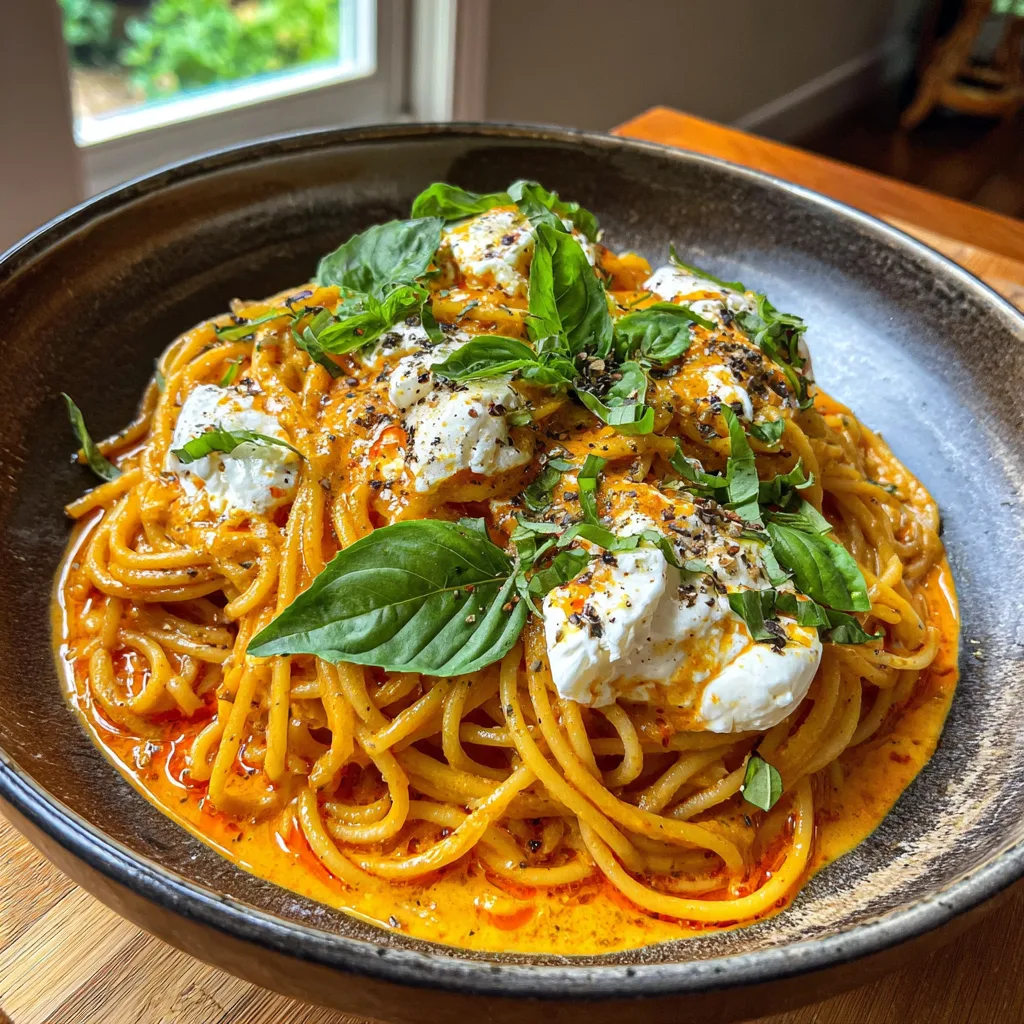
If you are tired of the standard tomato marinara or heavy Alfredo sauces, this roasted red pepper sauce is the perfect middle ground. It has the savory depth of a tomato sauce but with a unique, velvety sweetness that only roasted peppers can provide. When you top it with torn chunks of cool, creamy burrata that slowly melts into the hot pasta, you create a texture contrast that is absolutely irresistible. The finishing touch of fresh basil and cracked black pepper cuts through the richness, making every bite balanced and exciting.
Why This Recipe Works
This dish relies on a few high-quality ingredients to do the heavy lifting. Here is why it will become a staple in your rotation:
- The Sauce Texture: Blending roasted peppers with aromatics and cream creates a sauce that clings to the pasta perfectly (the Italians call this “mantecare”). It’s glossy, smooth, and emulsified.
- Flavor Balance: The natural sweetness of the red peppers is balanced by the savory garlic, onions, and the salty punch of Parmesan cheese. The burrata adds a cooling, milky element that prevents the dish from feeling too heavy.
- Speed: While it tastes like it simmered for hours, this sauce comes together in the time it takes to boil the water and cook the pasta, especially if you use jarred roasted peppers.
- Vegetarian Friendly: This is a hearty, satisfying meat-free meal that doesn’t feel like a sacrifice.
Ingredients Notes
To recreate the glossy, appetizing look from the photos, pay attention to these ingredient details:
Creamy Red Pepper Pasta with Burrata
Ingredients
Equipment
Method
- Bring a large pot of salted water to a boil. Cook pasta according to package directions to al dente. Reserve 1 cup of pasta water before draining.
- While water heats, sauté onion in olive oil in a large skillet over medium heat until soft (5 mins). Add garlic and tomato paste, cook 1 minute.
- Add drained roasted peppers to the skillet and warm through. Transfer mixture to a blender and blend until smooth.
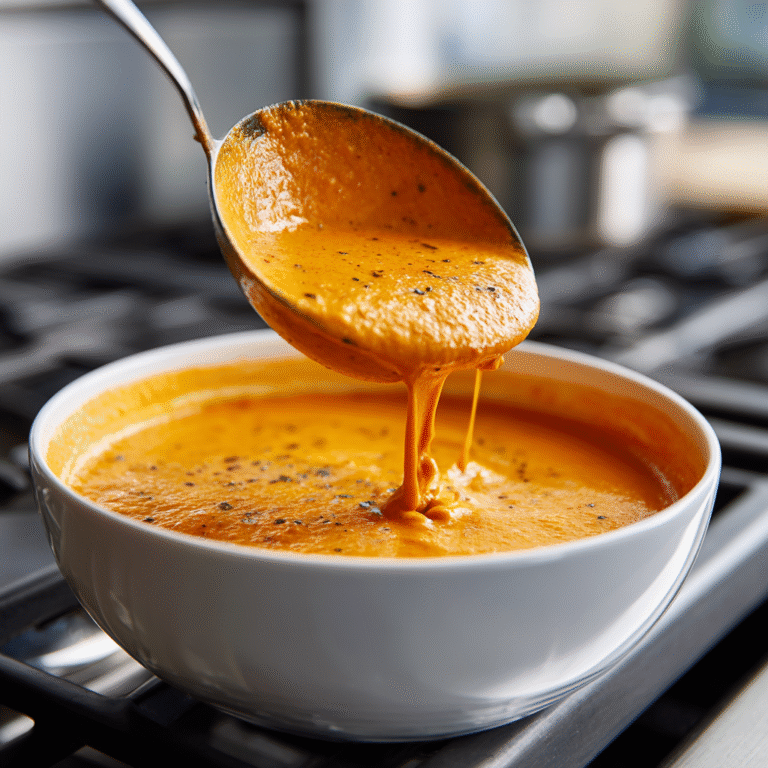
- Pour the smooth sauce back into the skillet on low heat. Stir in heavy cream and parmesan cheese until melted and combined.
- Add cooked pasta to the sauce. Toss well, adding reserved pasta water a little at a time until sauce is glossy and coats noodles perfectly.
- Serve immediately in bowls. Tear burrata cheese over the top, drizzle with extra olive oil, and garnish with fresh basil and black pepper.
Notes
- Pasta: – Long shapes like Spaghetti, Linguine, or Bucatini work best here because they allow the thick sauce to coat every strand. However, short shapes like Rigatoni or Penne are great for scooping up extra sauce.
- Roasted Red Peppers: – You can roast your own fresh bell peppers over a gas flame or in the oven until charred, then peeled. However, for a quick weeknight version, high-quality jarred roasted red peppers (drained) work perfectly and save about 30 minutes.
- Burrata Cheese: – This is the star of the show. Burrata is essentially mozzarella formed into a pouch and filled with soft, stringy curd and cream (stracciatella). If you can’t find burrata, fresh mozzarella balls (bocconcini) are a decent substitute, though less creamy.
- Heavy Cream: – Provides the richness. You can substitute with half-and-half for a lighter version, or full-fat coconut milk for a vegan twist (though it will alter the flavor slightly).
- Aromatics: – Fresh garlic and yellow onion (or shallots) are essential for the base flavor profile.
- Parmesan Cheese: – Freshly grated Parmesan or Pecorino Romano adds saltiness and helps thicken the sauce. Avoid the pre-shredded stuff in bags as it contains anti-caking agents that prevent smooth melting.
- Fresh Herbs: – Basil is the classic choice, but fresh oregano or parsley also work well. Do not use dried herbs for the garnish; fresh is mandatory for that pop of color and flavor.
- Tomato Paste: – A tablespoon adds depth and umami, enhancing the red pepper flavor without turning it into a tomato sauce.
Step-by-Step Instructions
Step 1: Sauté the Aromatics
Heat a drizzle of olive oil in a large skillet over medium heat. Add the diced onion and cook until translucent and soft (about 5 minutes). Add the minced garlic and cook for another minute until fragrant, being careful not to burn it. Stir in the tomato paste and red pepper flakes (if using) and cook for 1 minute to caramelize the paste slightly.
Step 2: Prepare the Base
If you are using jarred peppers, drain them well. Roughly chop them. Add the roasted peppers to the skillet with the onions and garlic. Stir to combine and let them heat through for about 2-3 minutes. This helps marry the flavors before blending.
Step 3: Blend the Sauce
Transfer the pepper and onion mixture to a high-speed blender or food processor. Blend until completely smooth. If it’s too thick to blend, you can add a splash of the pasta water or a little bit of the cream.
Step 4: Cook the Pasta
Bring a large pot of salted water to a boil. Cook your pasta according to package directions until al dente. Crucial Step: Reserve about 1 cup of the starchy pasta cooking water before draining.
Step 5: Finish the Sauce
Pour the blended pepper puree back into the skillet over low heat. Stir in the heavy cream and grated Parmesan cheese. Whisk gently until the cheese is melted and the sauce is an even, creamy orange color. Taste and adjust seasoning with salt and pepper.
Step 6: Combine
Add the cooked pasta directly to the skillet with the sauce. Toss vigorously with tongs to coat every strand. If the sauce looks too thick or “dry,” add the reserved pasta water a splash at a time until the sauce is glossy and loose enough to coat the noodles luxuriously.
Step 7: Plating
Transfer the pasta to serving bowls. Take your ball of room-temperature burrata and tear it open, placing large pieces on top of the hot pasta. Drizzle with good quality extra virgin olive oil, crack fresh black pepper over the cheese, and scatter fresh basil leaves generously.
Expert Tips for Success
Room Temperature Cheese: Take your burrata out of the fridge about 30 minutes before serving. If it’s ice cold, it won’t melt into the pasta as luxuriously, and it will cool down your hot food too fast.
Don’t Rinse the Pasta: Never rinse your pasta after draining! You need that starch on the noodles to help the sauce adhere. Rinsing makes the pasta slippery and the sauce will slide right off.
The “Gloss” Factor: The secret to that restaurant-style glossy sauce seen in the image is the emulsion of fat and starch water. Don’t skip the pasta water step. It binds the oil in the cheese and cream to the water in the sauce.
Roasting Your Own Peppers: If you have time, roasting fresh peppers adds a smoky char that is incredible. Place whole peppers directly on a gas burner flame or under a broiler until black all over. Place in a bowl and cover with plastic wrap to steam for 10 minutes, then the skins will slip right off.
Variations
Add Protein: While delicious as is, this dish pairs beautifully with grilled chicken breast, spicy Italian sausage, or sautéed shrimp. For a vegetarian protein boost, add chickpeas or crispy tofu.
Spicy Kick: If you love heat, add a teaspoon of Calabrian chili paste or extra red pepper flakes to the sauce base. The heat cuts through the creaminess perfectly.
Vegan Option: Swap the heavy cream for soaked cashew cream or full-fat canned coconut milk. Use nutritional yeast instead of Parmesan, and skip the burrata or use a high-quality vegan soft cheese.
Nutty Crunch: Toasted pine nuts or crushed walnuts sprinkled on top add a lovely texture contrast to the soft pasta and cheese.
Storing and Reheating
Storage: Store leftovers in an airtight container in the refrigerator for up to 3 days. Note that the burrata will melt further upon reheating.
Reheating: Cream sauces can separate when reheated. The best method is to reheat gently on the stove with a splash of water or milk to loosen the sauce. Avoid the microwave if possible, or use 50% power to prevent the sauce from breaking (becoming oily).
Fun Fact: What is Burrata?
Burrata originated in the Puglia region of Italy. It started as a way to use up the scraps of mozzarella production. Cheese makers would take the leftover strings of curd (stracciatella), mix them with fresh cream, and wrap them inside a mozzarella skin. The result is a cheese that looks solid on the outside but spills out a buttery, creamy center when cut. It is essentially the “lava cake” of cheeses!
Enjoy this comforting, sophisticated meal that brings the colors and flavors of the Mediterranean right to your kitchen table.