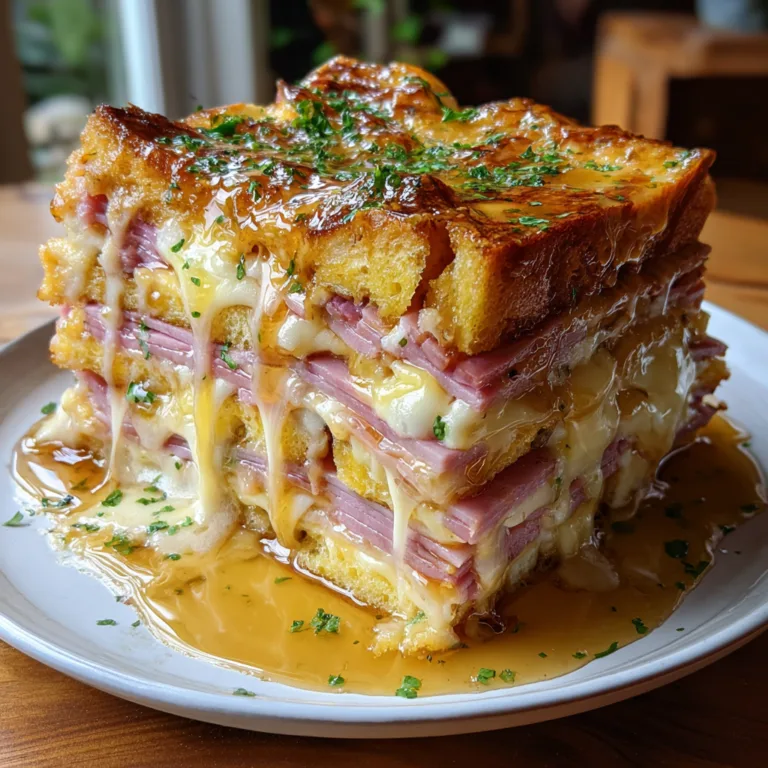
Comforting Creamy White Lasagna: The Ultimate Cheesy Baked Pasta Recipe
Comforting Creamy White Lasagna: The Ultimate Cheesy Baked Pasta
When the weather turns crisp, or you simply need a meal that feels like a warm hug, few dishes deliver quite like lasagna. But while the classic, tomato-heavy, red-sauce lasagna is an undeniable staple in kitchens around the world, there is a luxurious, decadent alternative that deserves a prime spot in your culinary rotation: the Comforting Creamy White Lasagna. Bypassing the acidity of tomatoes entirely, this masterpiece relies on the rich, velvety embrace of a garlic-infused béchamel sauce, a trio of beautifully melted cheeses, and the fresh, aromatic lift of herbs like thyme and basil. It is an elegant, show-stopping dish that is surprisingly simple to assemble but tastes like it took all day to prepare.
If you have never experienced a truly great white lasagna, you are in for a revelation. Every bite is a study in texture and flavor: the al dente bite of the ruffled pasta sheets, the fluffy, herb-flecked ricotta filling, the silky, savory white sauce, and the irresistible, slightly crisp, golden-brown cheese crust on top. Whether you are hosting a Sunday family dinner, preparing a meal for a new parent, or simply craving the ultimate comfort food on a chilly evening, this creamy white lasagna is guaranteed to be a massive hit. Let’s dive into what makes this recipe so incredibly special and how you can master it in your own kitchen.
Why You Will Fall in Love with White Lasagna
There is a reason this dish consistently earns rave reviews from everyone who tries it. Here is why this comforting creamy white lasagna will quickly become your new favorite baked pasta:
- Unmatched Creaminess: Without the heavy, sometimes overpowering acidity of crushed tomatoes, the creamy dairy elements are allowed to shine. The combination of milk, butter, ricotta, and mozzarella creates a mouthfeel that is profoundly satisfying.
- Acid-Reflux Friendly: For those who suffer from heartburn or are sensitive to nightshades, traditional red lasagna can be a recipe for discomfort. This tomato-free version provides all the baked-pasta joy without the acidic aftermath.
- Incredibly Versatile: A classic white lasagna is a magnificent blank canvas. While this recipe is perfect as a vegetarian cheese-and-herb delight, it easily welcomes additions like shredded rotisserie chicken, sautéed spinach, mushrooms, or even mild Italian sausage.
- Perfect for Preparing Ahead: Like all great lasagnas, this dish actually benefits from being made ahead of time. Assembling it a day in advance allows the pasta to absorb the sauces, making it easier to slice and enhancing the overall flavor profile.
- Crowd-Pleasing Elegance: It looks and tastes like a dish you would order at a high-end Italian restaurant, making it perfect for dinner parties and holiday gatherings.

The Anatomy of the Perfect White Lasagna
Building a show-stopping lasagna is all about layering high-quality components. Because this recipe relies on fewer boldly contrasting flavors than a red lasagna, the quality of your ingredients matters immensely. Let us break down the essential building blocks of this comforting creamy white lasagna.
The Pasta: Ruffled Edges vs. Flat Sheets
The foundation of any lasagna is, of course, the pasta. You have several choices here. Traditional, dried lasagna noodles with ruffled edges are excellent for holding onto the thick white sauce and ricotta mixture. The ruffles create little pockets of joy where cheese and sauce can hide. If you use traditional dried noodles, boiling them until they are just shy of al dente is crucial, as they will continue to cook in the oven. Alternatively, you can use oven-ready (no-boil) noodles, which save a step and absorb the moisture from the sauces beautifully. For the ultimate luxury, fresh pasta sheets from the refrigerated section of your grocery store offer an incredibly tender bite that elevates the dish to restaurant quality.
The Sauce: A Garlic-Infused Béchamel
The heart and soul of this white lasagna is the creamy sauce. In classic French and Italian cooking, a white sauce made from butter, flour, and milk is called a béchamel (or besciamella in Italy). For this recipe, we take a standard béchamel and infuse it with freshly minced garlic, a hint of nutmeg, and a generous handful of freshly grated Parmesan cheese. The flour and butter cook together to form a roux, which thickens the milk into a silky, luscious gravy. The key to a perfect béchamel is patience: whisking constantly over medium heat ensures a smooth sauce free of lumps. The nutmeg is a classic addition; you will barely taste it, but it adds a crucial background warmth that bridges the savory garlic and rich dairy.
The Cheese Blend: A Triumvirate of Dairy Perfection
A great lasagna requires a strategic mix of cheeses, each playing a specific role:
- Ricotta: This provides the fluffy, substantial body of the filling. Always opt for whole-milk ricotta for the best flavor and texture. Skim-milk ricotta can become watery and grainy when baked. We mix the ricotta with an egg to help it bind and set up beautifully during baking.
- Mozzarella: This is your melting cheese. It provides the iconic, gooey cheese pull. Buy block mozzarella and shred it yourself; pre-shredded cheeses are coated in anti-caking agents (like cellulose) that prevent them from melting smoothly and can make your sauce grainy.
- Parmesan (Parmigiano-Reggiano): This is your seasoning cheese. Parmesan adds a deep, salty, nutty umami flavor that cuts through the richness of the ricotta and mozzarella. Again, freshly grated is mandatory here for the best flavor integration.
The Herbs: Fresh is Best
Because the color palette of this dish is entirely white and cream, the addition of fresh herbs is vital not just for flavor, but for visual appeal. Fresh thyme leaves and chopped fresh basil are mixed right into the ricotta filling, providing bright, earthy pops of green and a fragrant aroma that cuts through the rich dairy. If you only have dried herbs, you can use them, but remember that dried herbs are more potent; use about one-third the amount of fresh.
Step-by-Step Instructions: Assembling Your Masterpiece
Do not be intimidated by the multiple components. Once you have your sauce made and your cheeses mixed, assembling the lasagna is a fun, relaxing process.
- Prepare the Noodles: If using traditional noodles, boil them in generously salted water until al dente. Drain them and lay them flat on a sheet of parchment paper or aluminum foil brushed lightly with olive oil to prevent sticking. If using no-boil noodles, simply have them ready.
- Make the Ricotta Filling: In a large mixing bowl, combine the whole-milk ricotta, lightly beaten egg, half of your grated Parmesan, freshly chopped basil, thyme, salt, and black pepper. Mix vigorously until perfectly smooth and combined.
- Build the Garlic Béchamel: Melt the butter in a large saucepan over medium heat. Add the minced garlic and sauté for 1 minute until fragrant. Whisk in the all-purpose flour and cook for 1-2 minutes to eliminate the raw flour taste (this is your roux). Gradually whisk in the whole milk, a little at a time, ensuring it is smooth before adding more. Simmer gently until the sauce coats the back of a spoon. Remove from heat and stir in the nutmeg, salt, pepper, and a handful of Parmesan.
- Layer 1: The Base: Spread a thin layer of the white sauce on the bottom of a 9×13 inch baking dish. This prevents the bottom layer of pasta from sticking and drying out.
- Layer 2: Pasta and Ricotta: Lay down your first layer of lasagna noodles, overlapping them slightly. Spread about one-third of your ricotta mixture evenly over the noodles.
- Layer 3: Sauce and Mozzarella: Drizzle a generous ladleful of the creamy white sauce over the ricotta, then sprinkle with a handful of shredded mozzarella.
- Repeat: Repeat the pasta, ricotta, sauce, and mozzarella layers two more times.
- The Crown: For the final layer, lay down the last sheets of pasta. Pour the remaining white sauce over the top, ensuring the noodles are completely covered (exposed edges will dry out and become brittle). Top with the remaining mozzarella and Parmesan cheese.
- Bake to Perfection: Tent the baking dish with aluminum foil (spray the underside of the foil with non-stick spray so the cheese doesn’t stick). Bake at 375°F (190°C) for 35 minutes. Remove the foil and bake for another 15-20 minutes until the top is bubbling and gloriously golden brown.
- The Hardest Step – Resting: You must let the lasagna rest for at least 15 to 20 minutes before slicing. If you cut into it immediately, the molten cheese and sauces will flood into the pan, and your layers will collapse. Resting allows the liquids to be reabsorbed, ensuring a perfectly clean slice.
Pro Tips for the Ultimate White Lasagna
Take your pasta game from good to legendary with these insider tips:
- Drain Your Ricotta: If your brand of ricotta looks particularly wet or watery when you open the tub, spoon it into a fine-mesh strainer lined with a paper towel and let it sit over a bowl for 30 minutes. Removing excess water prevents a soupy lasagna.
- Don’t Skimp on the Salt: Pasta acts as a sponge. Make sure your pasta water is salty like the sea, and ensure your ricotta mixture and white sauce are well-seasoned. Taste as you go!
- The Broil Finish: If your lasagna is bubbly and cooked through but the cheese on top isn’t as browned as you would like, turn on the broiler for the last 2-3 minutes. Watch it like a hawk, as it can go from golden to burnt in seconds.
Delicious Add-Ins and Variations
Once you master the base recipe, feel free to get creative! Here are some incredible ways to customize your creamy white lasagna:
- Chicken and Spinach White Lasagna: Fold 2 cups of shredded rotisserie chicken and 1 cup of squeezed-dry thawed frozen spinach into the ricotta mixture. This turns the lasagna into a protein-packed, complete meal.
- Mushroom and Truffle: Sauté thinly sliced cremini or wild mushrooms in butter until deeply browned, and layer them in with the cheeses. Add a few drops of truffle oil to the béchamel for a luxurious, earthy flavor.
- Sausage and Fennel: Brown a pound of mild Italian sausage (casings removed) with some crushed fennel seeds. Layer the cooked sausage crumbles over the ricotta in each layer.
- Roasted Vegetable: Layer in thin slices of roasted zucchini, butternut squash, or caramelized onions for a sweeter, robust vegetarian option.
Make Ahead, Storage, and Freezing Instructions
Lasagna is the undisputed king of meal prep. Here is how to manage leftovers or prepare it in advance.
To Make Ahead: You can assemble the entire lasagna, cover it tightly with foil, and keep it in the refrigerator for up to 48 hours before baking. Because it will be cold going into the oven, you may need to add 10-15 minutes to the covered baking time.
Storage: Leftover lasagna should be cooled completely, then covered tightly or transferred to an airtight container. It will keep in the refrigerator for 3 to 4 days. Reheat individual slices in the microwave, or reheat the whole pan in a 350°F oven, covered with foil, until warmed through.
Freezing (Unbaked): Assemble the lasagna in a freezer-safe dish. Wrap it tightly in a layer of plastic wrap, followed by a layer of heavy-duty aluminum foil. Freeze for up to 3 months. Thaw overnight in the refrigerator before baking as directed.
Freezing (Baked): Let the baked lasagna cool completely. You can freeze the entire pan (wrapped tightly in plastic and foil) or slice it into individual portions and freeze them in airtight containers. Individual slices are brilliant for quick lunches; just microwave them straight from frozen!
What to Serve with Creamy White Lasagna
Because this dish is undeniably rich and decadent, you want side dishes that offer contrast. A crisp, highly acidic salad is the perfect counterpoint to the heavy dairy. Think peppery arugula, thinly sliced red onions, and cherry tomatoes tossed in a bright lemon vinaigrette. For a more robust meal, simple roasted asparagus or green beans with a squeeze of fresh lemon juice work beautifully. And, of course, a warm, crusty loaf of garlic bread is practically mandatory for soaking up every last drop of that incredible white sauce left on your plate.
This Comforting Creamy White Lasagna is more than just a meal; it is an experience. It brings warmth, richness, and pure joy to the dinner table. Gather your ingredients, put on your favorite playlist, and enjoy the therapeutic process of layering up what is sure to be one of the best pasta dishes you will ever create.
Comforting Creamy White Lasagna
Ingredients
Equipment
Method
- Preheat your oven to 375°F (190°C). Spray a 9×13 inch baking dish with non-stick spray.
- If using traditional lasagna noodles, boil them in salted water until just al dente. Drain and lay flat on parchment paper. If using no-boil noodles, skip this step.
- In a medium bowl, mix together the ricotta cheese, egg, 1/2 cup of Parmesan cheese, fresh basil, fresh thyme, and a pinch of salt and pepper. Set aside.
- To make the sauce: Melt the butter in a large saucepan over medium heat. Add the minced garlic and cook for 1 minute until fragrant.
- Whisk in the flour and cook for 1-2 minutes to form a paste (roux).
- Gradually whisk in the warm milk, about 1/2 cup at a time, ensuring the sauce is smooth before adding more. Bring to a gentle simmer and cook until thickened enough to coat the back of a spoon (about 5-7 minutes).
- Remove the sauce from the heat. Whisk in the nutmeg, salt, black pepper, and 1/4 cup of the Parmesan cheese.
- To assemble: Spread about 1/2 cup of the white sauce on the bottom of the prepared baking dish.
- Layer 3-4 lasagna noodles over the sauce. Spread 1/3 of the ricotta mixture over the noodles. Drizzle 3/4 cup of white sauce over the ricotta, then sprinkle with 3/4 cup of shredded mozzarella.
- Repeat the layers (noodles, ricotta, sauce, mozzarella) two more times.
- Top with a final layer of noodles. Pour the remaining white sauce over the top, spreading to ensure the noodles are completely covered. Sprinkle with the remaining mozzarella and the last 1/4 cup of Parmesan cheese.
- Cover the baking dish loosely with aluminum foil (spray the underside with non-stick spray so the cheese doesn’t stick). Bake for 35 minutes.
- Remove the foil and bake for an additional 15-20 minutes, or until the top is bubbly and golden brown.
- Let the lasagna rest for 15-20 minutes before slicing and serving. Garnish with additional fresh thyme or basil if desired.