Embrace “Grandmacore” Comfort: The Ultimate Spring Giambotta
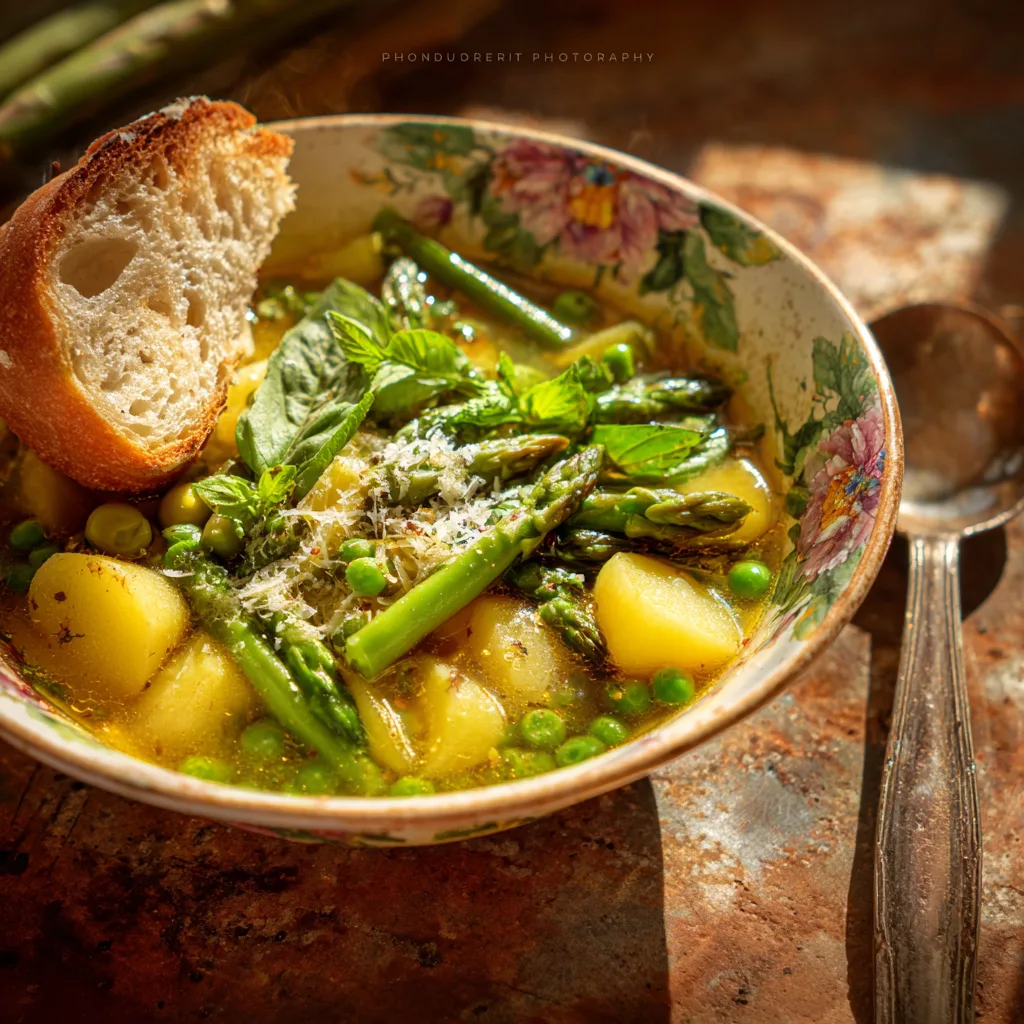
There is a powerful movement happening in the culinary world right now, and it involves a return to the slow, intentional, and deeply comforting aesthetics of our grandmothers. Dubbed “Grandmacore,” this trend celebrates the beauty of chipped floral plates, worn wooden spoons, bubbling pots of stew on the back burner, and the kind of soul-warming food that cannot be rushed. It is the antithesis of sterile, hyper-modern cooking. Today, we are leaning fully into this cozy nostalgia with a vibrant, seasonal twist on a classic Italian peasant dish: The Spring Giambotta.
Giambotta (sometimes spelled ciambotta) is a traditional southern Italian vegetable stew. Traditionally, it is a late-summer affair, a brilliant way to use up the overwhelming bounty of eggplants, zucchini, tomatoes, and bell peppers that gardens produce in August. But the underlying philosophy of Giambotta—taking humble, seasonal vegetables and stewing them slowly until they melt into a glorious, cohesive, and deeply flavorful pot—translates perfectly to the delicate, vibrant produce of spring. Our “Grandmacore” Spring Giambotta swaps the heavy summer nightshades for the bright, fresh flavors of tender asparagus, sweet green peas, waxy new potatoes, and sharp spring onions.
This is not a highly technical recipe; it is a recipe built on patience, love, and good olive oil. It is the kind of dish you leave simmering on the stove while you read a book or tend to a garden. It is inherently healthy, naturally vegetarian (or easily vegan), and incredibly forgiving. If you are looking to bring a little slow, nostalgic magic into your kitchen this spring, this humble stew is the perfect place to start.
The Essence of Giambotta: Peasant Food at its Finest
Giambotta belongs to the grand tradition of cucina povera, or “poor cooking.” This is the culinary philosophy of Italian peasants who had to make incredibly flavorful, sustaining meals out of whatever was cheap, available, and growing in the garden. There was no relying on expensive cuts of meat to build flavor; instead, flavor was coaxed out of vegetables through careful layering, the liberal use of aromatics (garlic and onions), and low, slow simmering.
In a Giambotta, the vegetables are not meant to be crisp-tender. They are cooked until they are thoroughly soft, allowing their starches and natural sugars to release into the cooking liquid, creating a thick, rich broth that tastes like the absolute essence of the season. It is a dish that tastes even better on the second day, once the flavors have had time to truly marry in the refrigerator.
Spotlight on Spring Ingredients
To make a Spring Giambotta, we must look to the early harvest. Because spring vegetables are generally more delicate than their summer counterparts, the cooking time is slightly reduced, but the layering technique remains the same.
New Potatoes
These are non-negotiable. Small, waxy new potatoes (like baby Yukon golds or red potatoes) provide the necessary bulk and starch to thicken the stew. Their thin skins mean you do not even need to peel them—just wash, quarter, and toss them into the pot.
Asparagus and Peas
These are the stars of the spring show. Asparagus brings a distinct, slightly grassy earthiness, while fresh sweet peas (or high-quality frozen ones) bring pops of bright sweetness that balance the savory broth. Because they are delicate, we add these toward the end of the cooking time so they retain their vibrant green color.
Spring Onions and Garlic
Instead of standard yellow onions, we use mild, sweet spring onions (or a combination of leeks and scallions). They melt beautifully into the olive oil base. Garlic, of course, is essential for building the foundational flavor profile.
Fresh Herbs
While summer Giambotta relies heavily on basil, a spring version benefits immensely from a bright mix of fresh mint, parsley, and just a touch of basil. The mint, in particular, elevates the peas and asparagus and makes the whole dish taste incredibly fresh.
Detailed, Step-by-Step Spring Giambotta Recipe
Ingredients
- – 1/4 cup high-quality extra virgin olive oil (plus more for drizzling)
- – 1 large bunch spring onions (or 2 leeks), thinly sliced (white and light green parts only)
- – 4 cloves garlic, smashed and roughly chopped
- – 1 lb baby new potatoes (Yukon gold or red), quartered
- – 1 bunch fresh asparagus, woody ends removed, cut into 1.5-inch pieces
- – 1.5 cups sweet green peas (fresh shelled or frozen)
- – 2 cups good quality vegetable broth (or chicken broth, if not vegetarian)
- – 1/2 tsp kosher salt (adjust to taste)
- – 1/4 tsp freshly ground black pepper
- – A handful of fresh herbs (mint, flat-leaf parsley, basil), roughly chopped
- – Parmesan or Pecorino Romano cheese rind (optional, but highly recommended)
- – Crusty sourdough bread, for serving
Instructions
- Build the Aromatic Base: In a heavy-bottomed Dutch oven or large soup pot, heat the 1/4 cup of extra virgin olive oil over medium-low heat. Add the sliced spring onions and a pinch of salt. Sauté slowly for about 8-10 minutes until the onions are incredibly soft and translucent, but not browned. Add the chopped garlic and cook for 1 more minute until fragrant.
- Simmer the Potatoes: Add the quartered new potatoes to the pot. Stir to coat them in the onion and garlic oil. Pour in the 2 cups of vegetable broth. If you have a leftover rind of Parmesan or Pecorino cheese in your fridge, drop it into the pot now—it will impart an incredible umami richness to the broth.
- The Slow Cook: Bring the broth to a gentle simmer. Cover the pot, reduce the heat to low, and let the potatoes cook for about 15-20 minutes, or until they are very tender and can be easily pierced with a fork. The starches from the potatoes will begin to slightly thicken the broth.
- Add the Spring Greens: Once the potatoes are soft, remove the lid. Add the chopped asparagus pieces and the sweet peas. Stir gently to combine. Simmer, uncovered, for about 5-7 minutes. You want the asparagus and peas to be tender but still retain their bright green color. Do not overcook them into mush!
- Finish and Season: Remove the pot from the heat. Fish out and discard the cheese rind, if using. Stir in the generous handful of fresh chopped herbs (mint, parsley, basil). Taste the broth and adjust the seasoning with more salt and black pepper as needed.
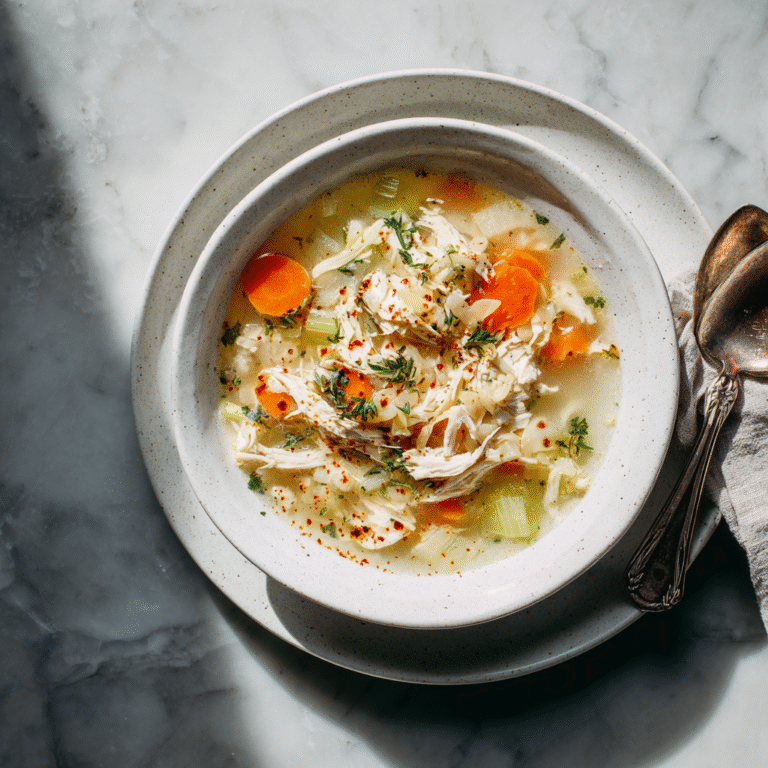
- Serve: Ladle the hot Giambotta into shallow bowls. To achieve true “Grandmacore” perfection, finish each bowl with a heavy drizzle of your best extra virgin olive oil, a grating of fresh Pecorino Romano or Parmesan cheese, and serve with a massive slice of torn, crusty sourdough bread for soaking up the broth.
Tips for Success and Troubleshooting
Giambotta is a forgiving dish, but a few key details separate a good stew from a truly great, grandmother-approved masterpiece.
The Olive Oil is an Ingredient, Not Just a Fat
In cucina povera, olive oil does the heavy lifting for flavor. Do not skimp on the 1/4 cup used to sauté the aromatics. More importantly, the finishing drizzle of raw, high-quality extra virgin olive oil over the hot bowl right before eating is absolutely essential. It adds a peppery, fruity richness that brings the whole dish alive.
Don’t Rush the Onions
The base of this stew relies on the sweetness of the spring onions. Sauté them over medium-low heat. If you fry them too quickly, they will burn and turn bitter. You want them to “sweat” and melt into the olive oil, creating a sweet, jammy foundation.
Managing the Broth Level
Giambotta should be thicker than a soup but brothier than a side dish. If, after adding the potatoes, the mixture seems too dry, add an extra splash of water or broth. If it seems too watery at the end, simply use the back of your wooden spoon to mash a few of the tender potatoes against the side of the pot; their released starches will instantly thicken the broth.
Creative Variations on Spring Giambotta
Just like any traditional grandmother recipe, Giambotta is meant to be adapted based on what you have in the fridge. Here are a few ways to customize your stew.
The “Uova al Purgatorio” Addition
To turn this into a spectacular brunch or a heartier dinner, poach eggs directly in the stew. During the last 4 minutes of cooking (after adding the asparagus and peas), use a spoon to make small wells in the vegetables. Crack an egg into each well, cover the pot, and let it simmer until the egg whites are set but the yolks are still runny. Serve immediately.
Adding Artichokes and Fava Beans
If you have access to fresh baby artichokes or fava beans, they are spectacular additions. Clean and quarter the baby artichokes and add them at the same time as the potatoes so they have time to braise and become tender. Double-peeled fava beans can be added at the very end with the peas.
The Meat Lover’s Option
While traditionally vegetarian, you can easily add a savory meat element. Start the recipe by browning some diced pancetta, guanciale, or crumbled mild Italian sausage in the pot. Once browned, leave the meat and rendered fat in the pot and proceed with adding the onions, using the meat fat in place of some of the olive oil.
Serving Suggestions for the Ultimate Cozy Meal
To fully embrace the Grandmacore aesthetic, the serving experience is just as important as the cooking.
- The Bread is Mandatory: Giambotta is essentially a vehicle for eating good bread. A rustic, naturally leavened sourdough or a thick ciabatta is required to mop up the herbaceous, olive-oil-laced broth at the bottom of the bowl.
- Mismatched Bowls: Serve this in your favorite vintage, mismatched, or handmade ceramic bowls. The rustic presentation enhances the comfort-food vibe.
- Pair with a Crisp White Wine: Because the dish is light and herbaceous, it pairs beautifully with a crisp, dry Italian white wine like a Pinot Grigio, a Vermentino, or a bright Sauvignon Blanc.
Frequently Asked Questions (FAQ)
Can I make this ahead of time?
Yes, and you should! Like most stews, Spring Giambotta tastes even better the next day after the flavors have mingled in the refrigerator. Just be careful when reheating—do it gently over medium-low heat on the stove so you don’t overcook the delicate asparagus and peas.
Can I use frozen vegetables?
Frozen peas are absolutely perfect for this recipe (and often sweeter than out-of-season fresh peas). However, we strongly recommend using fresh asparagus and fresh potatoes, as frozen asparagus can become stringy and mushy when stewed.
Is this recipe vegan?
The base recipe is entirely vegan if you omit the optional cheese rind and the finishing grating of cheese. To add umami without the cheese rind, stir in a teaspoon of nutritional yeast or a tiny splash of soy sauce when adding the broth.
Bring the Comfort Home Today
Cooking doesn’t always have to be about complex techniques and perfect plating. Sometimes, the most satisfying thing you can do is chop some fresh vegetables, throw them in a pot, and let time and heat do their magic. This “Grandmacore” Spring Giambotta is a celebration of simple, honest ingredients and the comforting nostalgia of home cooking. Grab a wooden spoon, put on some relaxing music, and enjoy the slow, beautiful process of making a meal that feeds the soul.
Grandmacore Spring Giambotta
Ingredients
Equipment
Method
- Build Base: Heat olive oil in a Dutch oven over medium-low heat. Sauté spring onions for 8-10 mins until soft. Add garlic and cook 1 min.
- Simmer Potatoes: Add quartered potatoes, stir to coat in oil. Pour in broth and add cheese rind (if using).
- Slow Cook: Bring to a gentle simmer, cover, and cook on low for 15-20 minutes until potatoes are very tender.
- Add Greens: Uncover, add asparagus and peas. Simmer gently for 5-7 minutes until tender but still bright green.
- Finish: Remove from heat. Discard cheese rind. Stir in chopped fresh herbs. Adjust salt and pepper to taste.
- Serve: Ladle into bowls. Garnish heavily with extra virgin olive oil, grated cheese, and serve with crusty sourdough bread.