Tallow-Fried Cabbage Dumplings
Dumplings are the ultimate universal comfort food. Nearly every culture on earth has some variation of dough wrapped around a savory filling, but the Asian pan-fried dumpling—often known as a potsticker or jiaozi—holds a truly special place in the culinary pantheon. While the standard method of pan-frying these delightful pockets in vegetable or canola oil yields a perfectly acceptable result, we are about to introduce you to a technique that completely changes the game. If you want a crust that shatters perfectly when you bite into it, accompanied by an unimaginably deep, savory, umami flavor profile, you must try making Tallow-Fried Cabbage Dumplings.
For decades, modern cooking leaned heavily into highly refined seed oils, leaving traditional, natural animal fats in the past. However, there is a massive culinary renaissance happening right now surrounding ingredients like beef tallow, duck fat, and high-quality lard. Beef tallow, which is rendered beef fat, is a revelation for high-heat cooking. It boasts a high smoke point, meaning it will not burn or degrade when you are trying to achieve that perfect golden-brown sear. More importantly, it imbues everything it touches with a subtle, rich, and meaty depth. When paired with a humble, vegetable-forward filling like fresh cabbage, the tallow elevates the entire dish from a simple appetizer to a luxurious, restaurant-quality masterpiece.
This comprehensive guide will walk you through the entire process of creating these incredible dumplings. We will cover the science of preparing cabbage so it does not turn your wrappers to mush, the art of the perfect pleat, and the specific pan-frying technique required to maximize the magic of the beef tallow. Prepare yourself; once you fry your dumplings in tallow, you will never look at a bottle of vegetable oil the same way again.
The Renaissance of Animal Fats: Why Tallow is Superior
To understand why tallow is the star of this recipe, we need to look at the chemistry of frying. Vegetable oils are often highly processed and lack inherent flavor. They are purely functional heat-transfer mediums. Beef tallow, on the other hand, is a traditional fat that has been used for centuries across the globe. It is rich in conjugated linoleic acid and sets up beautifully at room temperature.
When you melt solid tallow in a hot skillet, it coats the bottom of the dumpling wrapper differently than liquid oils. As the heat rises, the tallow fries the dough into a profoundly crispy, deeply golden crust that is less greasy to the touch. The flavor profile is the real magic trick here. Even though our filling is heavily focused on fresh, vibrant cabbage, the tallow sneaks a savory, “beefy” umami note into the exterior of the dough. It tricks the palate into experiencing a rich, meaty dumpling, making it incredibly satisfying.
Why Cabbage is the Perfect Dumpling Filling
While pork and chive are classic fillings, cabbage is undeniably the unsung hero of the dumpling world. Green cabbage is affordable, accessible, and holds an incredible amount of flavor and texture when treated correctly. The biggest mistake people make when creating a vegetable dumpling is failing to manage the water content.
Cabbage is mostly water. If you chop it up and immediately stuff it into a dough wrapper, that water will release during the cooking process. The result is a soggy, broken dumpling that falls apart in your pan. The secret to a perfect cabbage filling is the “salt and squeeze” method. By finely mincing the cabbage and tossing it with salt, you draw out the excess moisture through osmosis. After letting it sit, you aggressively squeeze the cabbage dry. What you are left with is concentrated cabbage flavor and a satisfying, crunchy texture that will hold up perfectly inside your wrapper.
Once the cabbage is prepped, we build the flavor profile with classic aromatics: freshly grated ginger for warmth, minced garlic for pungency, finely sliced scallions for a mild onion bite, and a touch of soy sauce and toasted sesame oil to bind it all together into a savory, cohesive filling.
The Art of the Dumpling Wrapper and the Perfect Pleat
For this recipe, we highly recommend utilizing high-quality, store-bought round dumpling wrappers (often labeled as gyoza or potsticker wrappers). While homemade dough is a wonderful weekend project, store-bought wrappers are thin, consistent, and make this recipe incredibly accessible for a weeknight dinner.
Folding dumplings can seem intimidating, but it is truly just a matter of practice. The goal is to seal the filling securely so the juices do not escape into the hot tallow. The classic pleat involves placing a spoonful of filling in the center of the wrapper, moistening the edges with water, folding the wrapper in half to create a half-moon, and pinching a series of small folds along one side of the dough, pressing it against the flat side to seal. If pleating feels too complex, a simple, tight half-moon seal works exactly the same in terms of flavor and cooking! The most important thing is ensuring there are no air pockets and the seal is completely watertight.
The “Potsticker” Frying Technique Explained
The cooking method for these dumplings is a hybrid technique that involves frying, steaming, and frying again. It is the absolute best way to ensure the filling is cooked through while achieving a magnificent crust.
First, we melt the beef tallow in a cold skillet, letting it heat up gently. We arrange the dumplings in the hot tallow, letting the bottoms fry until they just begin to turn golden. Then, we introduce water to the hot pan and immediately cover it with a tight-fitting lid. This traps the steam, which cooks the cabbage filling and turns the top of the wrapper soft, chewy, and translucent.
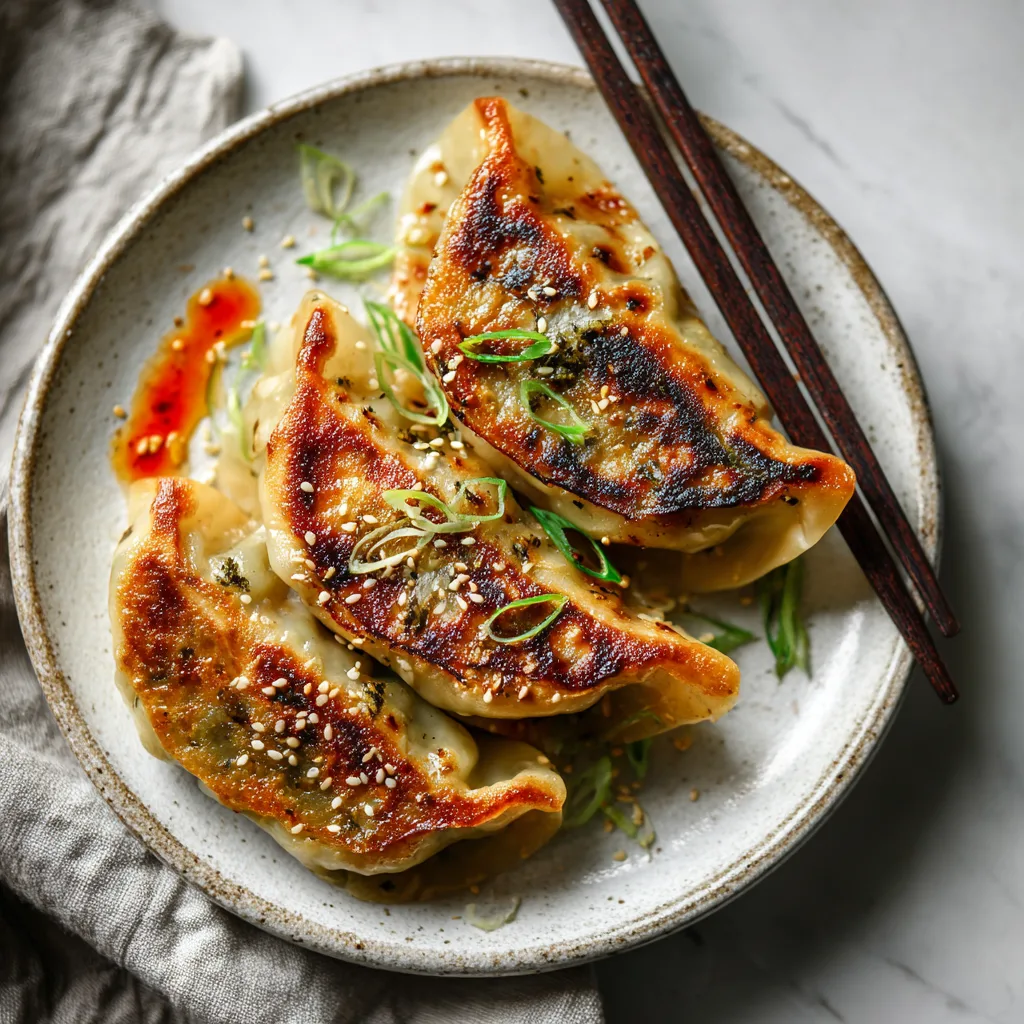
Once the water completely evaporates, the magic happens. The pan returns to a frying environment. The remaining tallow in the pan fries the bottoms of the steamed dumplings for a second time, turning them into a shattered-glass crispy, deeply caramelized crust. This contrast between the chewy, steamed top and the intensely crispy, tallow-fried bottom is the hallmark of a perfect potsticker.
Step-by-Step Tallow-Fried Cabbage Dumplings
Ingredients
- – 1 small head green cabbage (about 1 lb), finely minced
- – 1 teaspoon kosher salt (for extracting moisture)
- – 3 cloves garlic, finely minced
- – 1 tablespoon fresh ginger, grated
- – 3 green scallions, finely sliced
- – 2 tablespoons soy sauce
- – 1 tablespoon toasted sesame oil
- – 1/4 teaspoon white pepper
- – 1 package (about 40-50 count) round dumpling wrappers
- – 3 tablespoons high-quality beef tallow
- – 1/3 cup water (for steaming)
Instructions
- Prep the Cabbage: Place the finely minced cabbage into a large bowl. Sprinkle the kosher salt over the cabbage and toss well to combine. Let the cabbage sit at room temperature for 15 to 20 minutes to draw out the moisture.
- Squeeze the Moisture: Place the salted cabbage into a clean kitchen towel or cheesecloth. Twist the towel and squeeze as hard as you can over the sink to extract all the excess water. You will be surprised by how much liquid comes out! Place the dry cabbage back into a dry mixing bowl.
- Mix the Filling: To the dry cabbage, add the minced garlic, grated ginger, sliced scallions, soy sauce, toasted sesame oil, and white pepper. Mix thoroughly until all the ingredients are evenly distributed and the filling holds together slightly when pinched.
- Assemble the Dumplings: Set up a workstation with your filling, your wrappers, a small bowl of water, and a parchment-lined baking sheet. Take one wrapper, dip your finger in the water, and trace the outer edge of the wrapper. Place about 1 tablespoon of the cabbage filling in the center. Fold the wrapper in half, pleating the edges to seal tightly, or simply pinching it closed into a half-moon. Place the finished dumpling on the baking sheet. Repeat until all the filling is used.
- Heat the Tallow: Place a large, flat-bottomed skillet (non-stick or well-seasoned cast iron works best) over medium-high heat. Add the beef tallow and allow it to melt completely and become hot and shimmering.
- The First Fry: Carefully arrange the dumplings in the skillet, flat side down, in a single layer. Do not overcrowd the pan; work in batches if necessary. Let them fry undisturbed for 2 to 3 minutes until the bottoms are a light golden brown.
- The Steam: Carefully pour the 1/3 cup of water into the hot skillet (it will sputter violently, so be cautious) and immediately cover the skillet with a tight-fitting lid. Reduce the heat to medium and let the dumplings steam for about 5 to 6 minutes, or until the wrappers are translucent and the cabbage filling is cooked through.
- The Final Crisp: Remove the lid. If there is still water in the pan, let it cook off completely. Once the water is gone, the pan will begin to sizzle again as the dumplings return to frying in the remaining tallow. Let them fry for another 1 to 2 minutes until the bottoms are a deep, dark, shatteringly crisp golden brown.
- Serve: Carefully remove the dumplings from the pan with a spatula. Serve immediately alongside your favorite dipping sauce.
Expert Tips and Troubleshooting
Making dumplings should be a joyous, relaxing process. Here are a few expert tips to ensure your tallow-fried creations turn out perfectly every single time.
Preventing Sticking
If you are not using a non-stick pan, sticking can be an issue. Ensure your pan is properly pre-heated before adding the tallow. When the water evaporates and the final frying stage begins, give the pan a gentle shake. If the dumplings don’t release immediately, give them another 30 seconds to crisp up; a perfectly developed crust will naturally release from the pan.
Working with Wrappers
Store-bought wrappers dry out incredibly fast when exposed to air. Keep the stack of wrappers covered with a damp paper towel while you are assembling the dumplings to prevent the edges from cracking. If your edges crack, they will not seal properly, and the filling will leak during the steaming process.
Freezing for Later
These dumplings freeze beautifully! If you want to make a large batch, assemble the dumplings and place them on a baking sheet lined with parchment paper. Place the entire sheet in the freezer until the dumplings are frozen solid (about 2 hours). Then, transfer them to a zip-top freezer bag. When you are ready to eat, you do not need to thaw them! Simply follow the cooking instructions, adding 2 extra minutes to the steaming time.
Creative Variations to Try
The beauty of this recipe is its flexibility. The tallow provides a rich base that can support a variety of flavor profiles. Try these fun variations to mix things up.
Spicy Kimchi Cabbage Dumplings
Replace half of the fresh green cabbage with well-fermented, finely chopped Napa cabbage kimchi. Be sure to squeeze the kimchi dry just like you did with the fresh cabbage to prevent soggy wrappers. The tang and spice of the kimchi pair incredibly well with the rich, savory beef tallow crust.
The “Meaty” Vegetarian Option
If you want to enhance the umami even further without adding actual meat to the filling, incorporate half a cup of finely minced, rehydrated shiitake mushrooms into the cabbage mixture. Mushrooms contain natural glutamates that, when combined with the savory tallow crust, create an exceptionally meaty flavor experience.
Adding Ground Pork or Beef
If you are not strictly looking for a vegetable filling, you can easily add half a pound of ground pork or ground beef to the cabbage mixture. If doing this, reduce the amount of cabbage slightly, but keep all the aromatics the same. The fat from the meat will render inside the dumpling, making it incredibly juicy.
Serving Suggestions and Cultural Context
Dumplings, known as Jiaozi in China, have a history dating back over 1,800 years. Legend has it they were invented by a traditional Chinese medicine practitioner who shaped dough and meat to look like ears to treat frostbitten ears during the cold winter. Today, they are a staple of Lunar New Year celebrations, symbolizing wealth because their shape resembles ancient Chinese gold ingots.
To serve your Tallow-Fried Cabbage Dumplings authentically and deliciously, you need a great dipping sauce. The fat from the tallow demands an acidic counterpart to balance the palate. Mix together equal parts black vinegar (or rice vinegar) and soy sauce, and add a generous spoonful of spicy chili crisp or chili oil. Serve the hot dumplings with this vibrant sauce, alongside a refreshing, cold side dish like a smashed cucumber salad infused with garlic and sesame.
Creating these dumplings is a labor of love, but the reward is immense. The satisfying crunch of the tallow-fried bottom giving way to the savory, steaming cabbage filling is an unmatched culinary experience. Gather your ingredients, render some tallow, and transform your kitchen into the best dumpling house in town.
Tallow-Fried Cabbage Dumplings
Ingredients
Equipment
Method
- Prep Cabbage: Toss minced cabbage with kosher salt in a bowl. Let sit for 15-20 minutes to draw out water.
- Squeeze Dry: Transfer salted cabbage to a clean towel and squeeze vigorously over the sink to remove all excess liquid. Place dry cabbage in a mixing bowl.
- Mix Filling: Combine the dry cabbage with minced garlic, grated ginger, scallions, soy sauce, sesame oil, and white pepper. Mix well.
- Assemble: Place 1 tbsp of filling in the center of a dumpling wrapper. Moisten edges with water, fold in half, and pleat or pinch to seal tightly. Repeat until filling is used.
- First Fry: Melt beef tallow in a large skillet over medium-high heat. Arrange dumplings flat-side down in a single layer. Fry 2-3 minutes until bottoms are light golden.
- Steam: Carefully pour 1/3 cup water into the skillet. Immediately cover with a tight lid. Reduce heat to medium and steam for 5-6 minutes.
- Final Crisp: Remove the lid and let any remaining water evaporate. Fry for another 1-2 minutes in the remaining hot tallow until bottoms are deeply golden and shatteringly crisp.
- Serve: Remove carefully with a spatula and serve hot with black vinegar and chili oil.