The Ultimate Upcycled Rotisserie Chicken Laksa
Turn your leftover chicken into a fragrant, fiery, and comforting Southeast Asian masterpiece.
There is perhaps no modern convenience quite as universally beloved as the humble supermarket rotisserie chicken. It rescues busy weeknights, provides instant protein for salads, and serves as the ultimate shortcut for countless meals. However, once the pristine breast meat and tender thighs have been carved away, many home cooks are left staring at a picked-over carcass and a handful of shredded meat, wondering what to do next. All too often, these flavorful remnants end up in the trash. But what if we told you that the best meal you’ll get out of that chicken isn’t the first one, but the second?
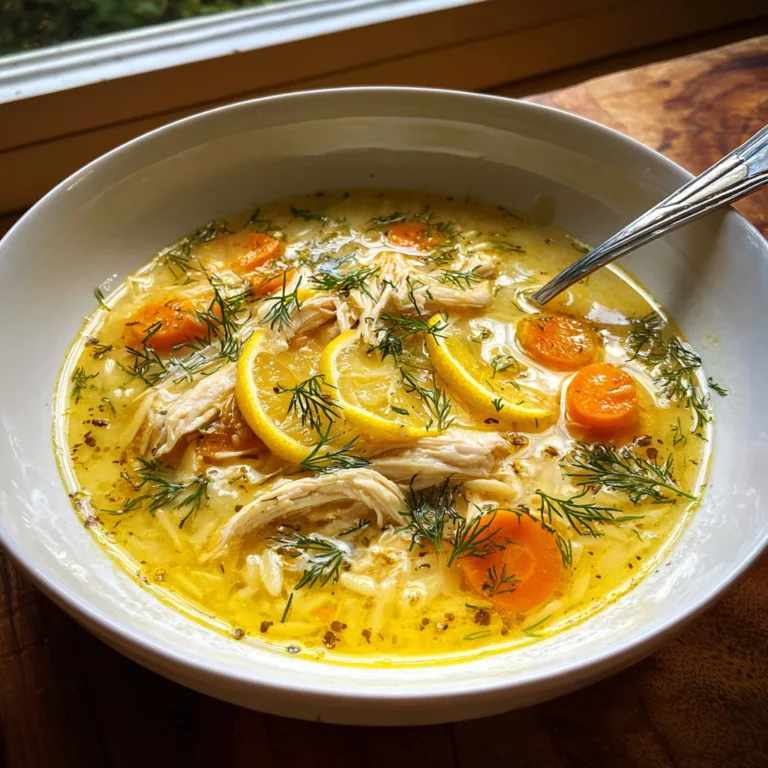
Welcome to the world of upcycled cooking. By utilizing every part of the leftover bird, we can dramatically reduce food waste while building incredibly complex flavor profiles. And there is no better destination for upcycled poultry than a deeply aromatic, soul-warming bowl of Rotisserie Chicken Laksa. This rich, coconut-curry noodle soup is a staple of Southeast Asian cuisine, known for its intoxicating blend of spices, creamy broth, and hearty noodles. It is the absolute perfect vehicle for leftover chicken.
In this comprehensive guide, we are going to walk you through the art of crafting an unforgettable laksa right in your own kitchen. We will explore the cultural roots of the dish, delve into the essential ingredients that make the broth sing, and provide you with a foolproof, step-by-step method for turning a sad chicken carcass into a spectacular feast. Get ready to fill your kitchen with the aromas of ginger, lemongrass, and coconut, and prepare to never look at a leftover rotisserie chicken the same way again.
What is Laksa? A Brief Culinary History
Before we dive into the cooking process, it is important to understand and respect the origins of this magnificent dish. Laksa is a popular spicy noodle soup from the Peranakan culture, which represents the intermarriage of early Chinese migrants with the local Malay population in regions that are now Malaysia, Singapore, and Indonesia. This beautiful blending of cultures resulted in Nyonya cuisine, characterized by tangy, aromatic, and spicy flavors.
There are generally two main types of laksa. The first is Asam Laksa, a sour, tamarind-based fish broth that is incredibly popular in Penang, Malaysia. The second, which we are focusing on today, is Curry Laksa (sometimes called Nyonya Laksa or Laksa Lemak). This version features a rich, savory broth made from a base of fragrant curry paste and creamy coconut milk. It is famously luxurious, coating every strand of noodle and carrying the complex flavors of chilies, galangal, and turmeric.
Traditionally, making laksa broth from scratch is a labor of love that takes hours. It involves pounding fresh roots and spices into a paste using a mortar and pestle, then simmering a broth for an entire afternoon. Our upcycled rotisserie chicken version is a brilliant shortcut. By utilizing a high-quality store-bought paste and extracting the savory essence from the leftover chicken bones, we can replicate that slow-cooked depth of flavor in a fraction of the time, making this an accessible weeknight miracle.
The Magic of Upcycling: Making the Most of Your Chicken
The term “upcycling” in food refers to the practice of elevating ingredients that would otherwise be discarded into a high-quality product. When you buy a rotisserie chicken, you are paying for the entire bird—bones, skin, and juices included. Tossing the carcass is literally throwing away flavor.
For this laksa, we begin by simmering the leftover chicken bones. The roasted bones of a rotisserie chicken have already undergone a Maillard reaction in the grocery store oven, meaning they are packed with deep, savory, caramelized notes. Simmering them for just 20 to 30 minutes in water with a few aromatics yields a quick, robust chicken stock that forms the perfect, flavorful foundation for our soup. Meanwhile, the remaining shreds of chicken meat, which can sometimes dry out in the fridge, are given new life when gently warmed in the luxurious coconut broth, soaking up the curry spices like a sponge.
Sustainable Kitchen Practices
Embracing recipes like this Upcycled Rotisserie Chicken Laksa is a fantastic step toward a zero-waste kitchen. By boiling the bones for broth and using the odd bits of leftover meat, you maximize your grocery budget and reduce your household’s carbon footprint. Plus, the quick homemade broth has zero preservatives or artificial sodium levels compared to boxed broths, making it a healthier choice for you and your family.
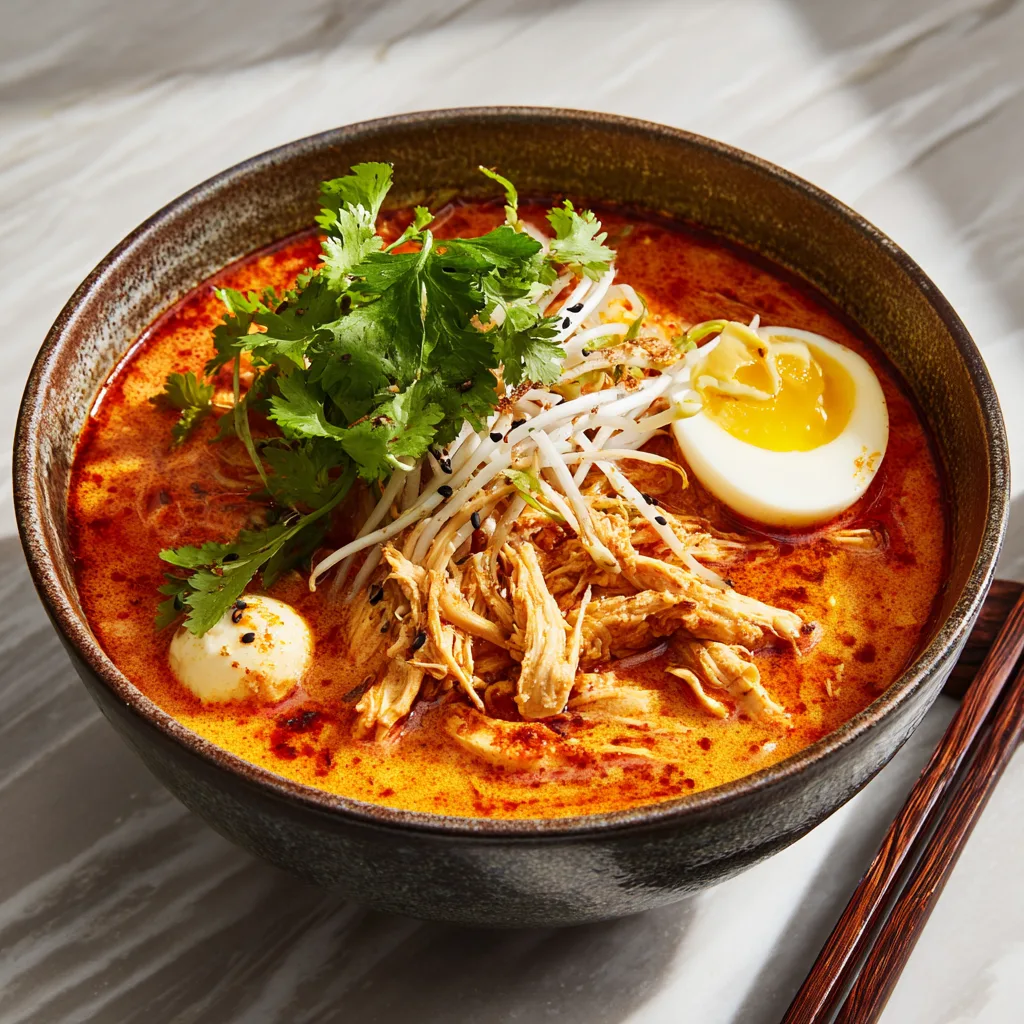
Ingredients for Upcycled Rotisserie Chicken Laksa
While laksa has a complex flavor profile, the ingredient list is highly accessible, especially when utilizing our rotisserie chicken shortcut. Here is everything you need to build your bowls:
- – 1 leftover rotisserie chicken carcass (bones and skin)
- – 2 cups leftover rotisserie chicken meat (shredded or diced)
- – 2 tablespoons vegetable oil or coconut oil
- – 4 tablespoons high-quality yellow or red curry paste (Laksa paste if you can find it!)
- – 3 cloves garlic, minced
- – 1 tablespoon fresh ginger, grated
- – 1 can (13.5 oz) full-fat coconut milk
- – 1 tablespoon fish sauce
- – 1 teaspoon brown sugar
- – 8 oz rice vermicelli noodles or thick rice stick noodles
- – 1 cup tofu puffs (optional, but highly recommended for soaking up broth)
- – 2 soft-boiled eggs (halved)
- – 1 cup fresh bean sprouts
- – 1/4 cup fresh cilantro leaves
- – 1 lime, cut into wedges
- – Sambal oelek or chili oil, for serving
Step-by-Step Instructions
Don’t be intimidated by the depth of flavor in this soup; the process is straightforward and moves quickly once you begin. Having all your ingredients prepped and ready (mis en place) will make this a breeze.
- Brew the Quick Chicken Broth: Place your leftover rotisserie chicken carcass (bones, skin, and any jelly from the container) into a large pot. Cover with 5 cups of water. Bring to a boil, then reduce the heat to low, cover, and let it simmer for 20-30 minutes. Once done, strain the liquid through a fine-mesh sieve into a bowl and discard the bones. You should have about 4 cups of rich, homemade broth.
- Prepare the Noodles: While the broth is simmering, cook your rice noodles according to the package directions. Drain them, rinse them under cold water to stop the cooking process and prevent them from sticking together, and set them aside.
- Awaken the Aromatics: In a large heavy-bottomed pot or Dutch oven, heat the vegetable oil over medium heat. Add the minced garlic and grated ginger, sautéing for about 30 seconds until extremely fragrant.
- Fry the Paste: Add the curry paste to the pot. Stir continuously and cook the paste in the oil for 2 to 3 minutes. This step is crucial; frying the paste releases its essential oils, deepens the color, and cooks out any raw, harsh spice flavors.
- Build the Soup: Pour in your freshly made, strained chicken broth, stirring well to dissolve the fried curry paste. Pour in the full-fat coconut milk. Stir in the fish sauce and brown sugar. Bring the mixture to a gentle simmer (do not let it achieve a hard boil, or the coconut milk may separate). Let it simmer for 5 minutes.
- Add the Upcycled Chicken and Tofu: Add the shredded leftover rotisserie chicken and the tofu puffs to the gently simmering broth. Let them heat through for about 3 to 4 minutes. The chicken will rehydrate beautifully, and the tofu puffs will act like little sponges, soaking up the flavorful liquid.
- Assemble the Bowls: Divide the cooked rice noodles evenly among deep serving bowls. Ladle the hot coconut curry broth, chicken, and tofu puffs generously over the noodles.
- Garnish and Serve: Top each bowl with a handful of fresh bean sprouts, a halved soft-boiled egg, and fresh cilantro. Serve immediately with a wedge of lime on the side and a small dish of sambal oelek for those who want to turn up the heat.
Pro-Tips for the Perfect Laksa
Do Not Skip Frying the Paste: Simply dropping curry paste into hot liquid will result in a muted, flat flavor. Taking the 2-3 minutes to fry the paste in oil changes the chemical structure of the spices, making them infinitely more fragrant and robust.
Coconut Milk Matters: Always use full-fat canned coconut milk for laksa. Light coconut milk or coconut milk from a carton (meant for drinking) will result in a thin, watery broth that lacks the signature luxurious mouthfeel of authentic laksa.
The Fish Sauce Secret: Do not omit the fish sauce! Even if you are not a fan of seafood, fish sauce provides the essential umami backbone to Southeast Asian soups. It will not make the dish taste “fishy,” but rather deeply savory and complex.
Creative Variations and Customizations
One of the greatest things about laksa is how customizable it is. Once you master the broth, you can adjust the fillings to suit your pantry or your cravings.
1. The Seafood Laksa Upgrade
<p>If you want to feel like you are eating at a hawker center in Singapore, add a handful of peeled, raw shrimp to the simmering broth during the last 3 minutes of cooking. You can also add fish balls or sliced fish cake, which are traditional and highly authentic additions.</p>2. Veggie-Packed Laksa
<p>Need to clear out the crisper drawer? This broth is excellent for upcycling vegetables too. Toss in baby bok choy, thinly sliced bell peppers, snow peas, or broccoli florets during the last few minutes of simmering. They add a wonderful crunch that contrasts nicely with the creamy soup.</p>3. Noodle Variations
<p>While rice vermicelli is classic, laksa is incredibly forgiving. If you have ramen noodles, udon, or even spaghetti on hand, you can use them! Traditionally, some bowls of laksa actually feature a mix of two different noodles—a thin rice vermicelli and a thicker yellow egg noodle—to provide contrasting textures in every bite.</p>Storing and Reheating Your Laksa
If you find yourself with leftovers of this upcycled masterpiece, proper storage is key to maintaining the textures. Never store the noodles directly in the broth, or they will continue to absorb liquid until they turn to mush.
Store the broth (with the chicken and tofu) in one airtight container, and the cooked noodles and fresh garnishes in separate containers in the refrigerator for up to 3 days. When ready to eat, reheat the broth gently on the stovetop until steaming hot. Place the cold noodles in your serving bowl, and pour the hot broth directly over them—the heat of the soup will perfectly warm the noodles without overcooking them. Add your fresh garnishes just before eating.
Conclusion: Comfort in a Bowl
Creating this Upcycled Rotisserie Chicken Laksa is a culinary triumph that hits on all cylinders. You are preventing food waste by utilizing the entirety of your store-bought chicken, saving money, and most importantly, treating yourself to a bowl of complex, restaurant-quality soup right in the comfort of your own home.
The fiery warmth of the curry, the soothing creaminess of the coconut, the hearty chew of the noodles, and the bright pop of fresh lime and cilantro create a symphony of flavors that is practically unrivaled in the soup world. The next time you bring home a rotisserie chicken, you won’t be dreading the leftovers; you’ll be eagerly anticipating the moment you get to turn them into this spectacular, upcycled feast. Grab your chopsticks and your deepest soup spoon, and enjoy!
Upcycled Rotisserie Chicken Laksa
Ingredients
Equipment
Method
- Place the rotisserie chicken carcass in a large pot with 5 cups of water. Bring to a boil, then cover and simmer on low for 20-30 minutes. Strain broth through a fine-mesh sieve and set aside. Discard the bones.
- Cook the rice noodles according to package instructions. Drain, rinse under cold water, and set aside.
- In a heavy-bottomed pot, heat oil over medium heat. Sauté minced garlic and grated ginger for 30 seconds until fragrant.
- Add the curry paste to the pot. Stir continuously and fry the paste for 2 to 3 minutes to release its oils and flavors.
- Pour in the prepared chicken broth, full-fat coconut milk, fish sauce, and brown sugar. Stir well and bring to a gentle simmer for 5 minutes.
- Add the shredded leftover chicken and tofu puffs to the simmering broth. Heat through for 3-4 minutes.
- Divide the cooked rice noodles among serving bowls. Ladle the hot broth, chicken, and tofu over the noodles.
- Garnish each bowl with bean sprouts, half a soft-boiled egg, fresh cilantro, and a lime wedge. Serve with sambal oelek on the side.