French Salted Butter Cookies
French Salted Butter Cookies: The Perfect Balance of Sweet and Salty Elegance
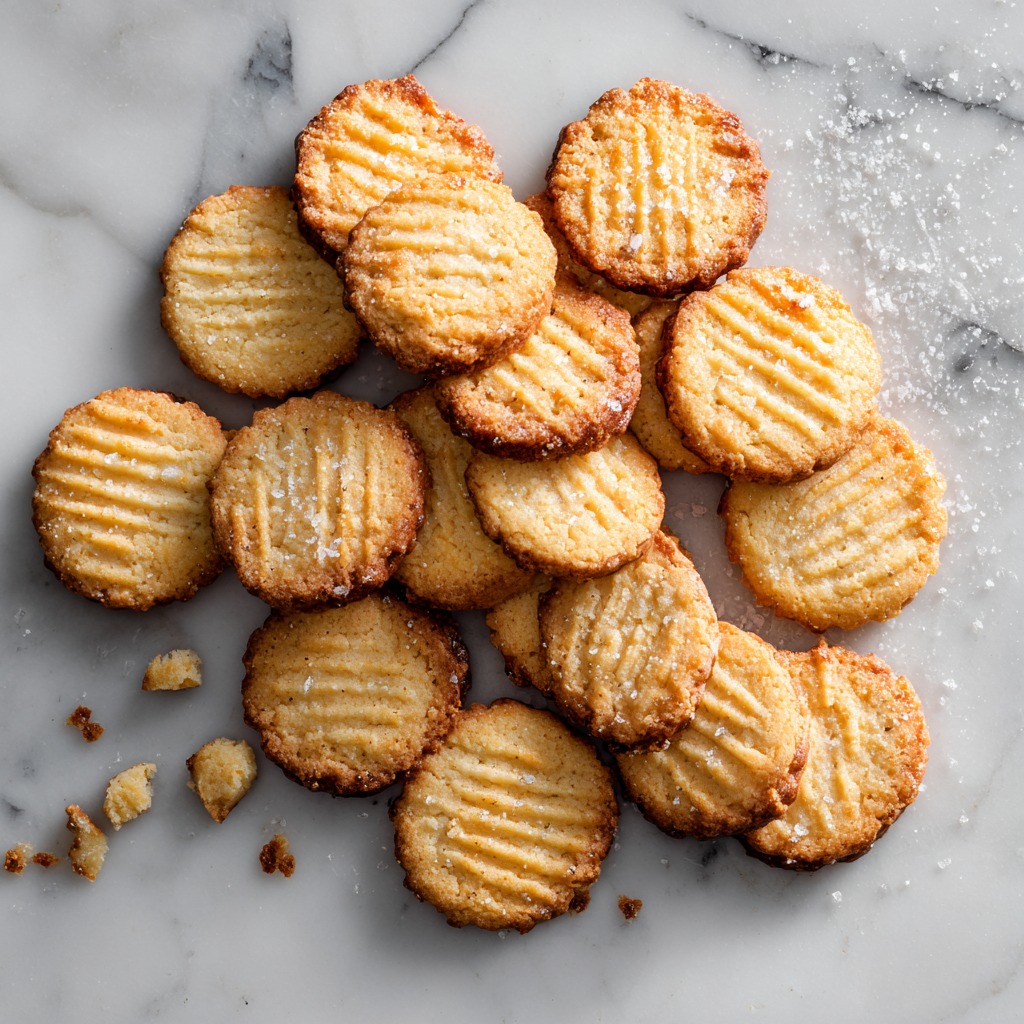
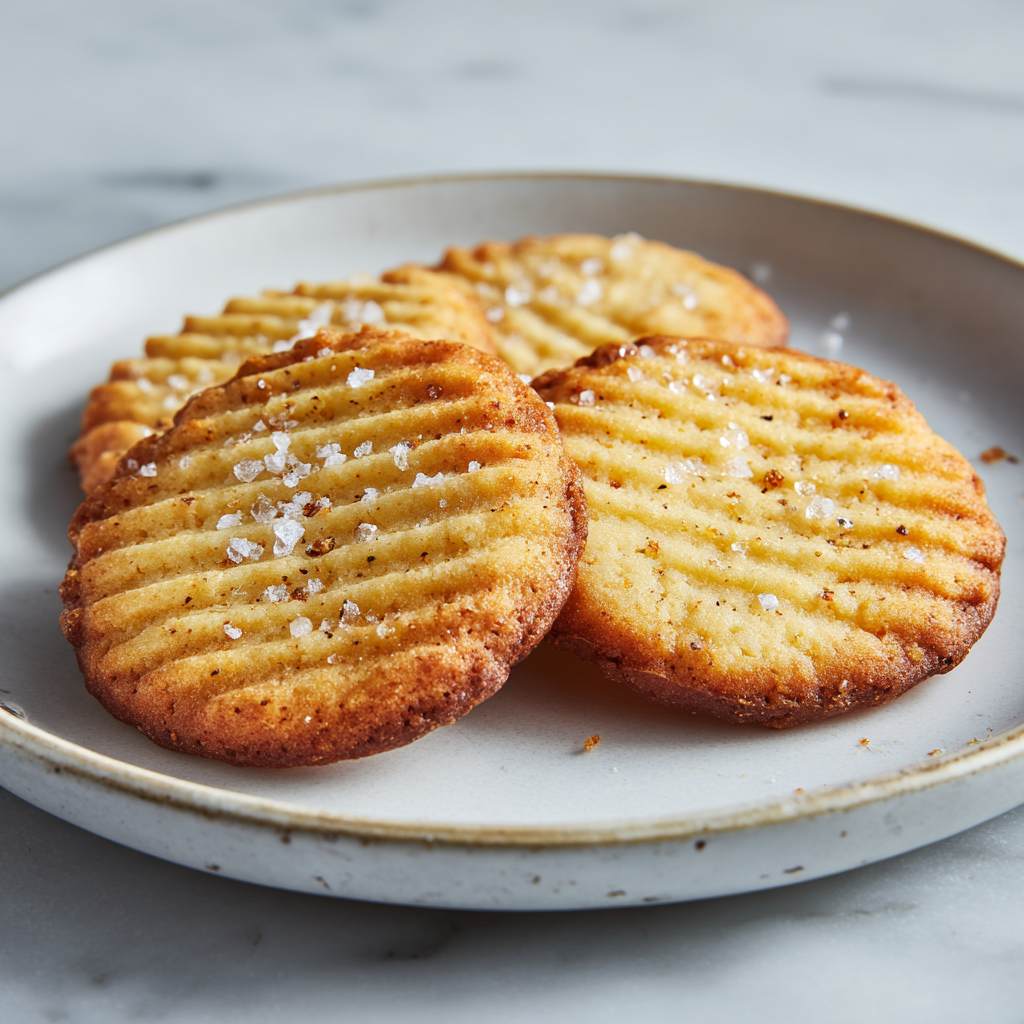
There’s something magical about the simplicity of French Salted Butter Cookies. These delicate, buttery treats represent everything beautiful about French baking – minimal ingredients, maximum flavor, and an elegance that belies their straightforward preparation. With their distinctive crosshatch pattern and sparkling sea salt finish, these cookies deliver a sophisticated taste experience that transforms ordinary moments into something special. Whether you’re hosting an afternoon tea, looking for the perfect accompaniment to your morning coffee, or simply craving a cookie that tastes like it came from a Parisian patisserie, this recipe delivers exceptional results every single time.
The beauty of French Salted Butter Cookies lies in their perfect balance. The rich, creamy butter provides a luscious base that melts on your tongue, while the flaky sea salt adds unexpected bursts of flavor that elevate each bite from simply sweet to genuinely complex. Unlike heavily flavored cookies loaded with chocolate chips or nuts, these elegant biscuits celebrate the pure, unadulterated taste of quality butter enhanced by just a whisper of vanilla and the sophisticated contrast of salt crystals. This is minimalist baking at its finest, proving that sometimes the simplest recipes create the most memorable results.
What makes these cookies particularly special is their versatility. They’re refined enough to serve at elegant gatherings, yet comforting enough to enjoy with a glass of cold milk while watching your favorite show. The crispy edges give way to a tender, almost shortbread-like center that crumbles perfectly with each bite. That characteristic fork pattern isn’t just decorative – it creates texture variations that make every mouthful interesting, with tiny ridges that catch and hold those precious sea salt flakes.
Why This Recipe Creates Cookie Perfection
The secret to truly exceptional French Salted Butter Cookies starts with understanding why each ingredient matters. Quality butter forms the foundation of these cookies, and using European-style butter with higher fat content creates noticeably richer flavor and better texture. The granulated sugar provides just enough sweetness without overwhelming the butter’s natural taste, while the vanilla extract adds aromatic depth that makes these cookies smell as incredible as they taste.
The all-purpose flour creates structure without making the cookies tough or cakey. The key is not overmixing the dough, which keeps the texture tender and crumbly rather than dense and hard. That single egg binds everything together while adding richness, creating cookies that hold their shape beautifully during baking while remaining delicate enough to practically dissolve on your tongue.
The finishing touch of coarse sea salt isn’t optional – it’s absolutely essential to the recipe’s success. Those irregular salt crystals provide textural contrast and flavor bursts that transform these from simple butter cookies into something extraordinary. The salt doesn’t make the cookies taste salty; instead, it enhances the butter’s richness and creates complexity that keeps you reaching for just one more cookie.
The Science Behind the Perfect Texture
Understanding what happens during baking helps you achieve consistent results every time. When butter cookies enter the oven, the butter begins melting immediately, causing the dough to spread slightly before the flour’s proteins set the structure. This creates those characteristic crispy edges while the centers remain more tender. The fork pattern pressed into each cookie serves multiple purposes – it prevents excessive puffing during baking, creates attractive texture, and provides more surface area for that precious sea salt.
Room temperature butter is crucial because it creams properly with the sugar, incorporating tiny air bubbles that lighten the texture. Cold butter won’t blend smoothly, while melted butter eliminates those essential air pockets. The brief chilling period after forming the dough allows the butter to resolidify slightly, which helps cookies maintain their shape and prevents excessive spreading during baking.
The relatively low baking temperature ensures even cooking without over-browning. These cookies should emerge from the oven with golden edges and pale centers, continuing to crisp as they cool on the baking sheet. Removing them from the oven when they still look slightly underdone in the center prevents that disappointing hard, crunchy texture that ruins so many butter cookies.
Ingredients
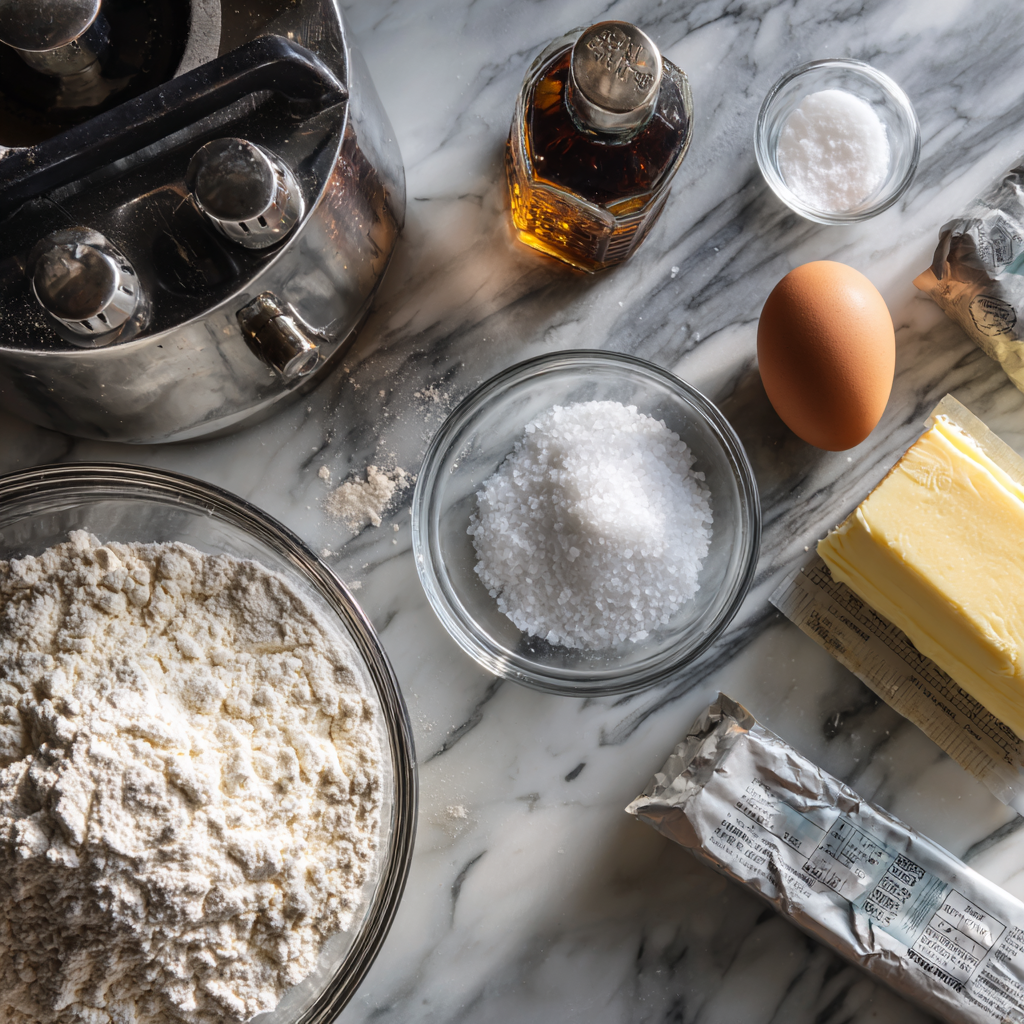
- 1 cup unsalted butter, softened to room temperature
- 1 cup granulated white sugar
- 1 large egg at room temperature
- 2 teaspoons pure vanilla extract
- 2 cups all-purpose flour, spooned and leveled
- Coarse sea salt flakes for topping
Instructions
- Remove butter from refrigerator and let stand at room temperature for approximately thirty minutes until softened but not melted or greasy, then place softened butter and granulated sugar in large mixing bowl.
- Beat butter and sugar together using electric mixer on medium speed for two to three minutes until mixture becomes light, fluffy, and pale in color with noticeably increased volume from incorporated air.
- Add egg and vanilla extract to butter mixture, then continue beating for another minute until completely incorporated and mixture appears smooth and homogeneous throughout.
- Add all-purpose flour to wet ingredients in two separate additions, mixing on low speed after each addition just until flour disappears into dough and no dry streaks remain visible, being careful not to overmix which would create tough cookies.
- Cover mixing bowl with plastic wrap and refrigerate dough for minimum thirty minutes and up to two hours, allowing butter to firm up slightly which helps cookies maintain shape during baking.
- While dough chills, preheat oven to 350°F and line two large baking sheets with parchment paper or silicone baking mats to prevent sticking.
- Remove chilled dough from refrigerator and use hands to roll into balls approximately one inch in diameter, placing balls on prepared baking sheets with two inches spacing between each cookie to allow for spreading.
- Use fork to press crosshatch pattern into each dough ball, pressing down firmly in one direction then rotating ninety degrees and pressing again to create distinctive crisscross pattern while simultaneously flattening cookies to approximately quarter inch thickness.
- Sprinkle small pinch of coarse sea salt flakes over top of each cookie, distributing salt evenly but sparingly as little goes a long way with these elegant treats.
- Bake cookies for twelve to fifteen minutes until edges turn light golden brown while centers still appear pale and slightly soft, rotating baking sheets halfway through baking time for even browning.
- Remove baking sheets from oven and allow cookies to cool on sheets for five minutes, during which time they will continue setting and crisping without overbaking.
- Transfer cookies carefully to wire cooling rack using thin spatula and allow to cool completely before storing, which takes approximately twenty minutes for full texture development.
Mastering the Technique for Bakery-Quality Results
Creating perfect French Salted Butter Cookies requires attention to several key techniques. First, measure your flour correctly by spooning it into the measuring cup and leveling with a knife rather than scooping directly from the bag, which compacts the flour and results in dry, crumbly cookies. The dough should feel slightly soft and pliable when properly mixed, not dry or crumbly.
When rolling the dough balls, aim for consistent sizing to ensure even baking. Cookies that are significantly different sizes will bake at different rates, resulting in some being perfectly done while others are either underbaked or overdone. Using a small cookie scoop helps maintain uniformity if you find hand-rolling produces uneven results.
The fork pressing technique requires a light touch. Dip your fork in flour between cookies to prevent sticking, and press firmly enough to create clear lines without smashing the dough completely flat. Those ridges aren’t just decorative – they create surface area that browns beautifully and catches the sparkling sea salt that makes these cookies special.
Choosing the right salt makes a surprising difference in the final result. Large-flake sea salt like Maldon provides the best texture and visual appeal, with irregular crystals that sparkle beautifully and provide satisfying bursts of flavor. Regular table salt is too fine and dissolves into the cookies, while kosher salt works but lacks the dramatic appearance of large flakes.
Customizing Your Cookies for Different Occasions
While traditional French Salted Butter Cookies are perfect as written, several variations can create different flavor profiles for various occasions. Adding lemon zest to the dough creates bright, citrusy cookies perfect for spring and summer gatherings. A hint of almond extract alongside the vanilla provides subtle nutty undertones that complement afternoon tea beautifully.
For holiday variations, consider adding warming spices like cinnamon, cardamom, or a tiny pinch of black pepper to the dough for complexity. You might sandwich two cookies together with jam, chocolate ganache, or buttercream for special celebrations, creating elegant French-style sandwich cookies that look impressive on any dessert table.
Some bakers enjoy dipping the cooled cookies partially in melted dark chocolate, creating a sophisticated contrast between bitter chocolate and salty-sweet cookie. Others drizzle melted white chocolate over the tops in decorative patterns for visually stunning presentation. The simple base recipe accommodates these embellishments beautifully while remaining delicious on its own.
Storage and Serving Suggestions for Maximum Enjoyment
Proper storage ensures your French Salted Butter Cookies maintain their ideal texture for days after baking. Once completely cooled, store them in an airtight container at room temperature for up to one week. Placing parchment paper between layers prevents sticking and maintains their delicate appearance. These cookies actually improve slightly after a day or two, as flavors meld and develop deeper complexity.
For longer storage, these cookies freeze exceptionally well. Layer them between parchment paper in a freezer-safe container and freeze for up to three months. Thaw at room temperature for about thirty minutes before serving, and they’ll taste freshly baked. You can also freeze the shaped, uncooked dough balls on a baking sheet, then transfer to a freezer bag once solid. Bake directly from frozen, adding just a minute or two to the baking time.
These elegant cookies pair beautifully with hot tea, coffee, or even champagne for sophisticated entertaining. They make wonderful gifts when packaged in pretty tins or boxes, tied with ribbon for a homemade present that looks as special as it tastes. Consider serving them alongside fruit compotes, soft cheeses, or as an accompaniment to ice cream for an easy yet impressive dessert.
Common Mistakes and How to Avoid Them
Even experienced bakers sometimes struggle with butter cookies, but understanding common pitfalls helps you avoid disappointment. The most frequent mistake is using butter that’s too warm, which causes excessive spreading and thin, greasy cookies. Butter should be softened but still hold its shape when pressed – if it’s shiny or looks melted at all, it’s too warm.
Overmixing the dough after adding flour develops too much gluten, resulting in tough, hard cookies instead of tender, crumbly ones. Mix just until the flour disappears, even if the dough looks slightly rough. It will smooth out during the chilling period. Similarly, overbaking is a common problem that creates hard, crunchy cookies instead of the desired crispy-tender texture. Remove them when the edges are just golden and the centers still look slightly underdone.
Skipping the chilling step might seem like a time-saver, but it results in cookies that spread too much and lose their distinctive shape. The brief refrigeration time makes a significant difference in the final appearance and texture. Finally, don’t skimp on quality ingredients – these simple cookies showcase every component, so using good butter, fresh vanilla extract, and quality sea salt creates noticeably better results.
The Cultural Significance of French Butter Cookies
French butter cookies, or “sablés” as they’re known in France, represent a cornerstone of French baking tradition. The name “sablé” means sandy, referring to the delicate, crumbly texture that characterizes these cookies. They originated in Normandy, a region famous for its exceptional butter made from cream of cows that graze on salt marshes, which naturally imparts a subtle salty flavor to the dairy products.
Traditional French bakeries showcase these cookies year-round, often displaying them in elegant arrangements that highlight their simple beauty. Unlike American cookies that tend toward soft and chewy textures, French cookies embrace crispy, delicate qualities that pair perfectly with hot beverages. This difference reflects broader cultural approaches to dessert – French sweets tend to be less overwhelmingly sweet, allowing ingredients to shine without excessive sugar.
The addition of flaky sea salt represents a modern evolution of this classic recipe, reflecting contemporary tastes for sweet-savory combinations while honoring the traditional connection between Normandy butter and sea salt. This simple embellishment elevates an already excellent cookie into something truly special, creating layers of flavor that develop with each bite.
Bringing French Elegance to Your Kitchen
Creating authentic French Salted Butter Cookies in your own kitchen brings a touch of European sophistication to everyday life. These cookies prove that impressive baking doesn’t require complicated techniques or exotic ingredients – just quality basics handled with care and attention. The straightforward process makes these accessible for beginning bakers while the elegant results satisfy even the most discerning cookie connoisseur.
Beyond their delicious taste, these cookies offer something increasingly rare in our fast-paced world – a moment of simple pleasure. Taking time to cream butter and sugar, carefully pressing fork patterns into each cookie, and savoring that first bite of a perfectly baked cookie creates mindful moments that nourish more than just our appetites. In a world of complex flavors and trendy ingredients, sometimes the most memorable treats are the simplest.
Whether you’re baking these for a special occasion or just because a Tuesday afternoon deserves something sweet, French Salted Butter Cookies deliver consistent excellence. Their buttery richness, delicate texture, and sophisticated sweet-salty balance create a cookie experience that feels both comforting and elegant, familiar yet special.
Conclusion: The Perfect Cookie for Every Occasion
French Salted Butter Cookies represent the pinnacle of simple baking done exceptionally well. With just six basic ingredients and straightforward techniques, you can create cookies that taste like they came from an expensive French bakery. The satisfying crunch, rich butter flavor, and surprising bursts of sea salt create a cookie that’s simultaneously elegant and approachable, perfect for special occasions and ordinary moments alike.
These cookies remind us that sometimes the best recipes are the simplest ones, where quality ingredients and careful technique combine to create something greater than the sum of their parts. The next time you want to bake something special without spending all day in the kitchen, remember these elegant French cookies that deliver maximum impact with minimal fuss. Your taste buds will thank you, and your guests will beg for the recipe. Happy baking!
French Salted Butter Cookies
Ingredients
Equipment
Method
- Remove butter from refrigerator and let stand at room temperature for approximately thirty minutes until softened. Place softened butter and granulated sugar in large mixing bowl.
- Beat butter and sugar together using electric mixer on medium speed for two to three minutes until mixture becomes light, fluffy, and pale in color.
- Add egg and vanilla extract to butter mixture, then continue beating for another minute until completely incorporated and smooth.
- Add all-purpose flour to wet ingredients in two separate additions, mixing on low speed after each addition just until flour disappears, being careful not to overmix.
- Cover mixing bowl with plastic wrap and refrigerate dough for minimum thirty minutes and up to two hours.
- Preheat oven to 350°F and line two large baking sheets with parchment paper.
- Roll chilled dough into balls approximately one inch in diameter, placing on prepared baking sheets with two inches spacing between each cookie.
- Use fork to press crosshatch pattern into each dough ball, pressing firmly in one direction then rotating ninety degrees and pressing again to flatten cookies to approximately quarter inch thickness.
- Sprinkle small pinch of coarse sea salt flakes over top of each cookie.
- Bake for twelve to fifteen minutes until edges turn light golden brown while centers remain pale, rotating sheets halfway through.
- Remove from oven and cool on sheets for five minutes, then transfer to wire cooling rack to cool completely.