Lemon Caper Sauce
The Liquid Gold Standard: Mastering the Classic Lemon Caper Sauce for Any Meal
From Mediterranean Shores to Your Kitchen: The Power of Caper Sauce
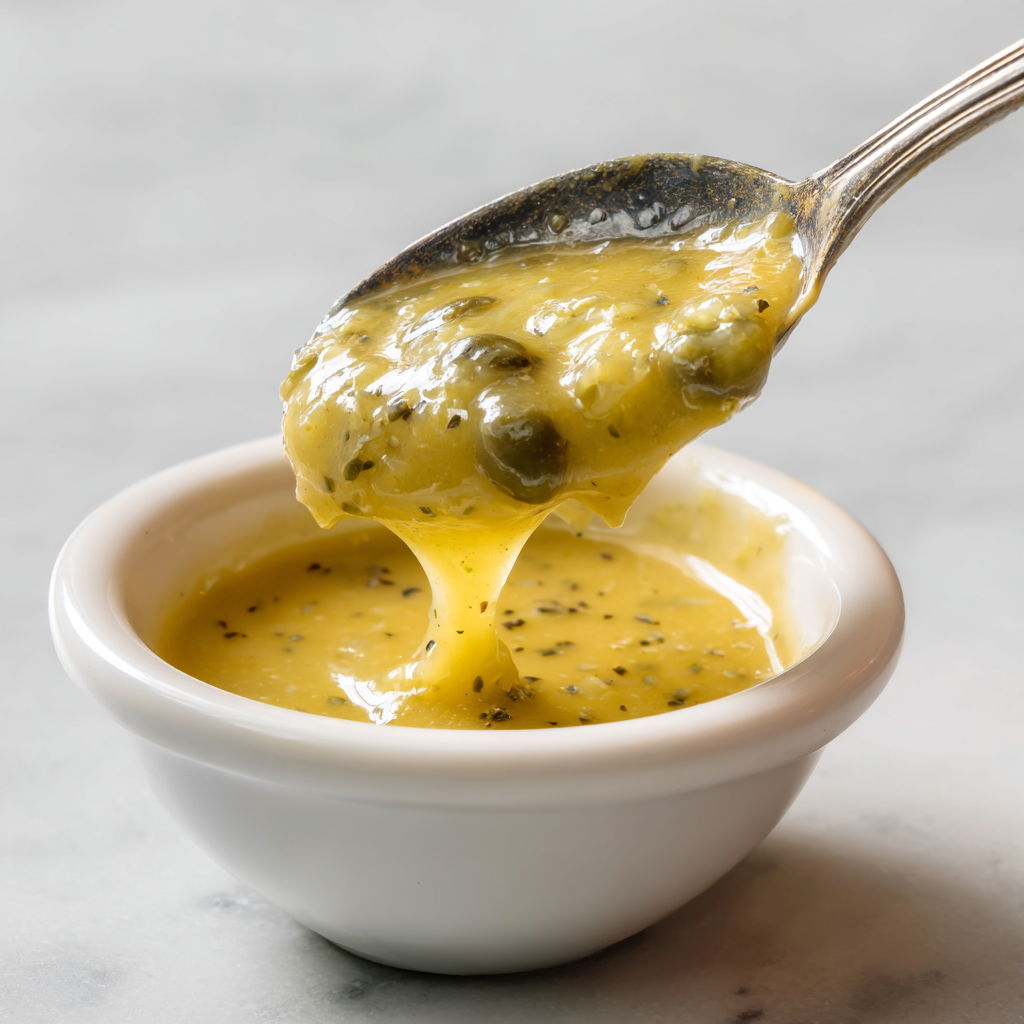
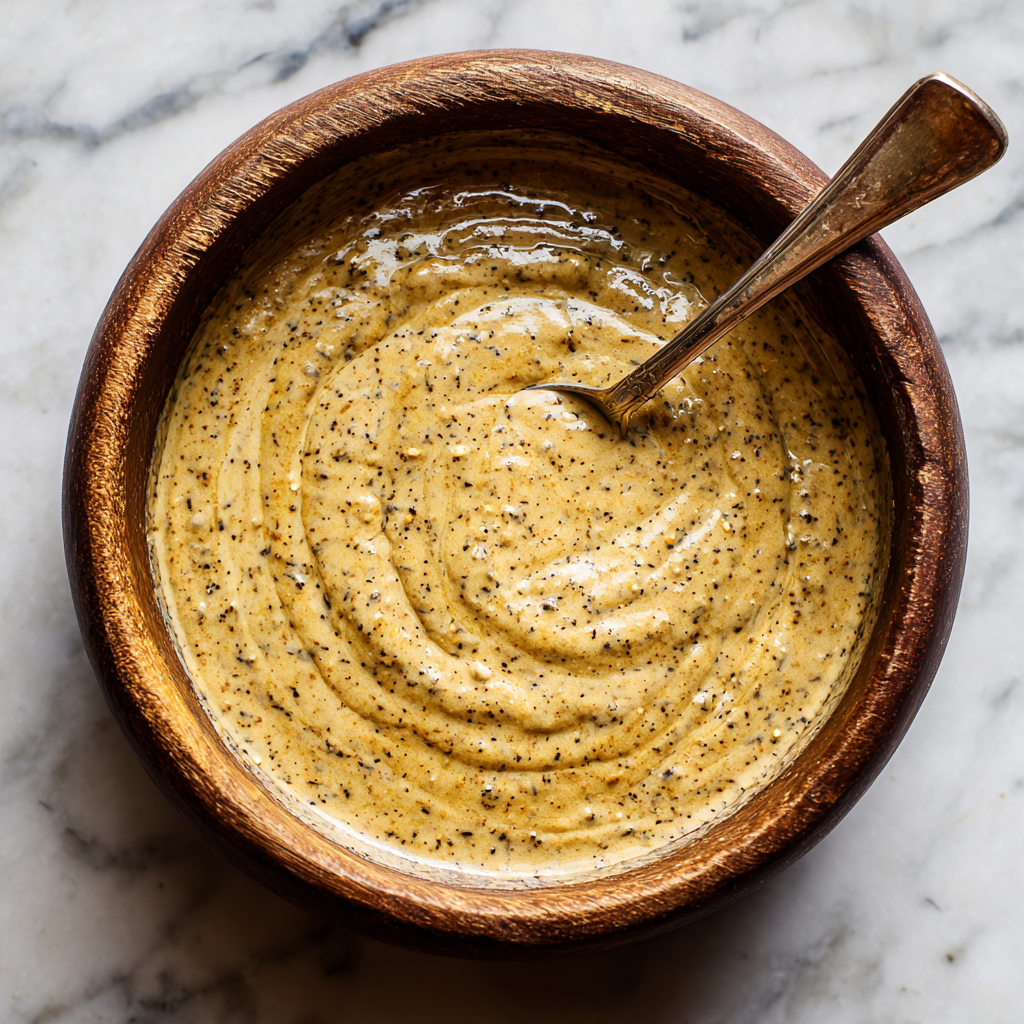
Sauce is the soul of cuisine. It’s the unifying, defining element that elevates simple ingredients from basic fare to an unforgettable dish. Among the pantheon of classic sauces, the Lemon Caper Sauce stands out as a brilliant testament to the marriage of simplicity and sophistication. Born from the culinary traditions of the Mediterranean, this sauce is instantly recognizable by its rich, pale yellow hue and the vibrant, salty pop of capers suspended within its velvety, thick, gooey, viscous body.
The caper, a pickled flower bud, provides a sharp, savory brininess that cuts through the richness of butter and cream, while the fresh lemon juice delivers a bright, acidic counterpoint. Together, they create a perfectly balanced profile: rich, tangy, salty, and complex. This is not merely a topping; it is a transformative finish that adds a touch of brightness to heavy proteins and a creamy dimension to vegetables. Whether you’re aiming for a quick weeknight dinner enhancement or hosting a sophisticated gathering, mastering this Classic Lemon Caper Sauce is a non-negotiable step toward culinary excellence. It’s a quick sauce to make—ready in about 15 minutes—but its flavor profile speaks of hours of thoughtful preparation. Today, we’ll demystify the creation of this “liquid gold,” focusing particularly on achieving that desirable, heavy, viscous texture that ensures the sauce clings beautifully to whatever it graces.
Ingredients
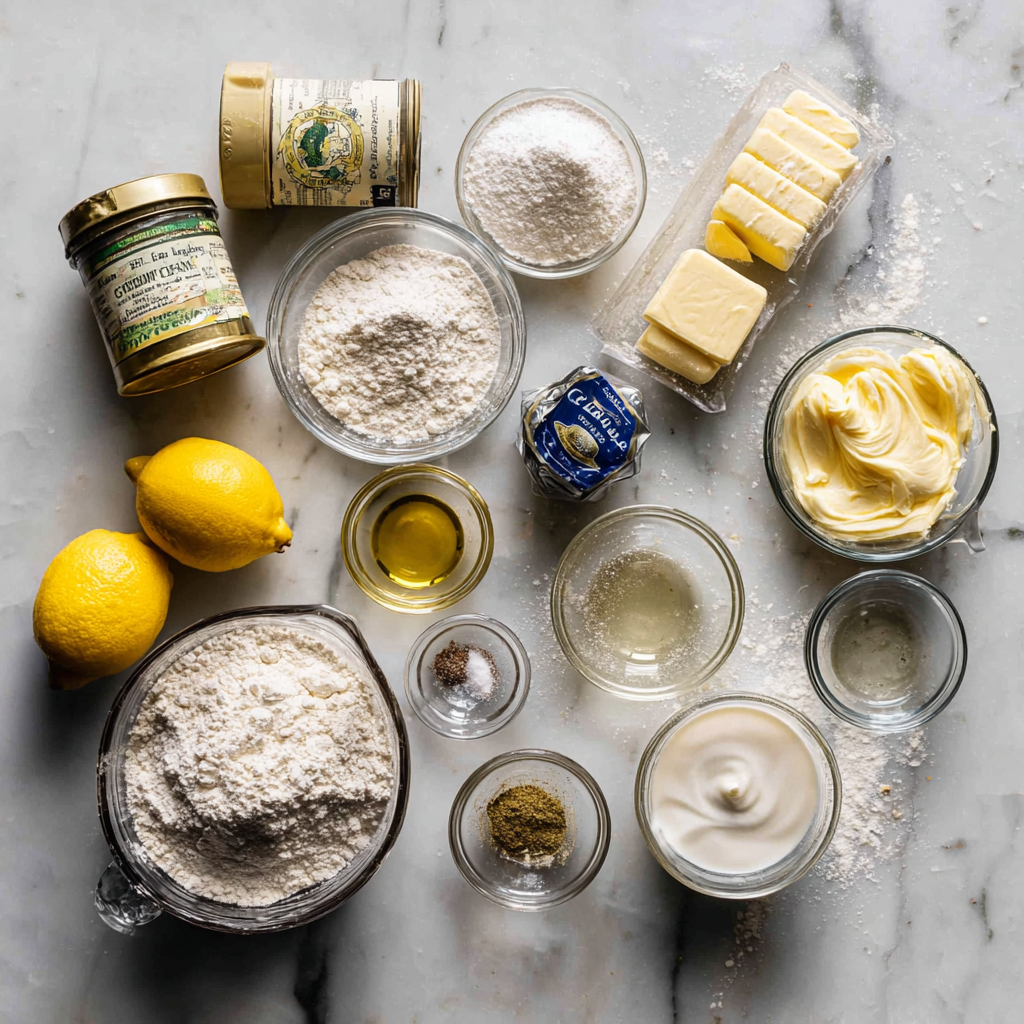
Sauce Base and Thickener
- 4 tbsp unsalted butter. The foundation of richness and flavor.
- 2 tbsp all-purpose flour. The thickening agent for a classic roux (use cornstarch for a gluten-free slurry alternative).
- 1.5 cups chicken or vegetable broth. The main liquid for the sauce volume.
- 1/2 cup heavy cream or milk. For achieving a creamy, desirable gooey consistency.
Flavoring & Finishing Elements
- 1/4 cup fresh lemon juice. Absolutely essential for the sauce’s signature brightness.
- 1/4 cup capers, drained and rinsed. The iconic salty, savory pop. You can roughly chop them for better distribution.
- 1 garlic clove, minced (optional). Adds a subtle savory depth.
- Pinch of salt. To adjust seasoning, use sparingly as capers are salty.
- Pinch of white pepper. Preferred over black pepper for color consistency in the pale sauce.
- 1 tsp fresh parsley, chopped. For garnish and fresh herbaceous notes.
Instructions
- Melt and Build the Roux: In a small saucepan, melt the 4 tablespoons of unsalted butter over medium heat until it is shimmering. Once fully melted, whisk in the 2 tablespoons of flour. Cook this mixture, stirring constantly, for about 1 minute. This step creates the roux, a smooth paste that will be responsible for creating the thick, gooey, viscous texture of the final sauce. If using, add the minced garlic clove now and cook for 30 seconds until fragrant.
- Incorporate the Liquid: Gradually whisk in the 1.5 cups of broth. Pour it in slowly while continuously whisking to ensure the roux is fully incorporated and the sauce remains perfectly smooth and free of lumps. Increase the heat slightly and bring the mixture to a gentle simmer, continuing to whisk occasionally. The sauce will already begin to show signs of thickening at this stage.
- Simmer to Viscosity: Reduce the heat to low. Stir in the 1/2 cup of heavy cream or milk. Continue to simmer gently for approximately 3 to 5 minutes. This simmering period is crucial, as it allows the starch granules in the roux to fully swell and gelatinize, transforming the liquid into the desired thick, gooey, viscous consistency. The sauce should coat the back of a spoon with a heavy, deliberate film.
- Flavor and Finish: Remove the saucepan from the heat immediately. Stir in the 1/4 cup of fresh lemon juice and the 1/4 cup of drained capers. Adding the lemon juice off the heat prevents the acid from potentially curdling the cream, ensuring the sauce remains smooth and heavy. The addition of these elements will finalize the sauce’s texture, giving it its ultimate thick, viscous body.
- Seasoning Check: Taste the sauce. The saltiness from the capers is often enough, but adjust the seasoning with an extra pinch of salt or white pepper if necessary. The final flavor profile should be a perfect blend of richness, tartness, and salinity.
- Serve: The Lemon Caper Sauce is best served hot. Drizzle it generously over your protein or vegetable of choice. Garnish with a sprinkle of fresh parsley and a final drop of good quality olive oil for an authentic, aesthetic finish, emphasizing the glossy, reflective surface of the sauce.
The Science of Gooey: Achieving the Perfect Viscosity
The Lemon Caper Sauce requires a specific, comforting texture: it must be thick enough to cling to food without being pasty, and it must exhibit that heavy, slow-flowing, viscous consistency that melts slightly upon serving. This texture is achieved through a technique known as the French Roux.
The Roux Ratio: A roux is a mixture of equal parts (by weight or volume) fat (butter) and flour, cooked together. In this recipe, 4 tablespoons of butter cooked with 2 tablespoons of flour (a light roux) creates the necessary structure. Cooking the roux for a minute, before adding the cold liquid, ensures the flour loses its raw flavor and activates its starch-thickening power.
Preventing the Split: The main challenge in this sauce is the combination of fat (butter/cream) and acid (lemon juice). High heat and acid are enemies of emulsified sauces. By thickening the liquid first (Step 3) and then removing the sauce from the heat before stirring in the fresh lemon juice (Step 4), we prevent the acid from “breaking” the sauce, which would cause the fat to separate out, ruining the smooth, gooey texture. The final, creamy addition of the heavy cream further stabilizes the sauce structure, ensuring it remains thick and velvety even after sitting for a few minutes. This deliberate cooking method is the secret to a long-lasting, beautifully structured sauce that maintains its viscous consistency.
Beyond the Sauce: Pairing and Culinary Adaptations
While commonly associated with Chicken Piccata or Veal Scaloppine, the versatility of the Lemon Caper Sauce extends far beyond traditional Italian cuisine. Its balanced richness and acidity make it a superb companion for countless dishes.
Fish and Seafood: This sauce is truly a match made in heaven for delicate seafood. Pan-seared white fish, such as cod, halibut, or tilapia, absorbs the lemon and caper flavors beautifully. For an indulgent dish, pour it generously over seared scallops or simple grilled shrimp. The briny capers provide a sophisticated contrast to the subtle sweetness of fresh seafood.
Poultry and Pork: Use this sauce to finish a simple baked chicken breast or pork tenderloin. The creamy, thick sauce adds a layer of richness that lean meats often need, transforming them instantly. It can also be drizzled over the top of Dump-and-Bake Chicken Tzatziki Rice (a related recipe) to add an unexpected, bright, and tangy counterpoint to the herbaceous Greek flavors.
Vegetarian Applications: Don’t overlook the power of this sauce to elevate vegetables. It’s fantastic drizzled over steamed asparagus, roasted broccoli, or even spooned over vegetarian lentil patties. For a luxurious pasta dish, simply toss the hot sauce with long pasta like linguine or fettuccine for a rich, creamy vegetarian main course.
Adding Depth: For a richer, more umami-driven sauce, consider adding a splash of dry white wine to the roux before adding the broth. Allow the wine to reduce by half to concentrate the flavor. This adds a layer of depth that enhances the savory notes of the capers. Alternatively, for a lighter, brighter take that leans more towards a French beurre blanc style, you can whisk in cold cubes of butter off the heat instead of using a flour-based roux, though this requires more finesse and a lighter texture that may not achieve the desired heavy, viscous consistency of the cream-based version.
Conclusion: The Essential 15-Minute Upgrade
The Classic Lemon Caper Sauce is a must-have in your culinary arsenal. It’s a sauce that defies its quick preparation time, offering a depth of flavor that usually suggests hours of simmering. By understanding the simple technique of the roux and the importance of adding the delicate acid after the cream and heat, you can reliably produce a perfectly smooth, thick, gooey, viscous sauce every time. It’s the essential 15-minute kitchen upgrade that turns any simple piece of fish or chicken into a main course worthy of celebration. This sauce truly represents the ultimate power of culinary alchemy: transforming four basic elements—fat, flour, liquid, and flavoring—into liquid gold.
Classic Lemon Caper Sauce
Ingredients
Equipment
Method
- Melt the butter in a small saucepan over medium heat.
- Make a roux: Whisk in the flour and cook for 1 minute, stirring constantly, until a smooth paste forms. If using, add minced garlic now and cook for 30 seconds.
- Add the liquid: Gradually whisk in the broth until fully incorporated and smooth. Bring the mixture to a simmer, whisking occasionally. It should begin to thicken slightly.
- Simmer and thicken: Reduce the heat to low. Stir in the heavy cream and continue to simmer for 3-5 minutes, allowing the sauce to thicken into a **thick, gooey, viscous consistency**.
- Flavor: Remove from heat. Stir in the fresh lemon juice and the capers. The sauce will reach its final **heavy, viscous texture** at this point.
- Season and Finish: Taste and adjust seasoning with salt and white pepper. Remember that capers are naturally salty. The **gooey sauce** should be well-balanced between rich, tart, and salty.
- Serve hot, drizzled generously over chicken, fish, or steamed vegetables. Garnish with fresh parsley and a drizzle of olive oil, as shown in the image.