Sticky Cauliflower Veggie Win
The Vegetarian Game Changer: How to Master the Spicy Sticky Cauliflower
The Rise of the Humble Floret: Cauliflower’s Culinary Transformation
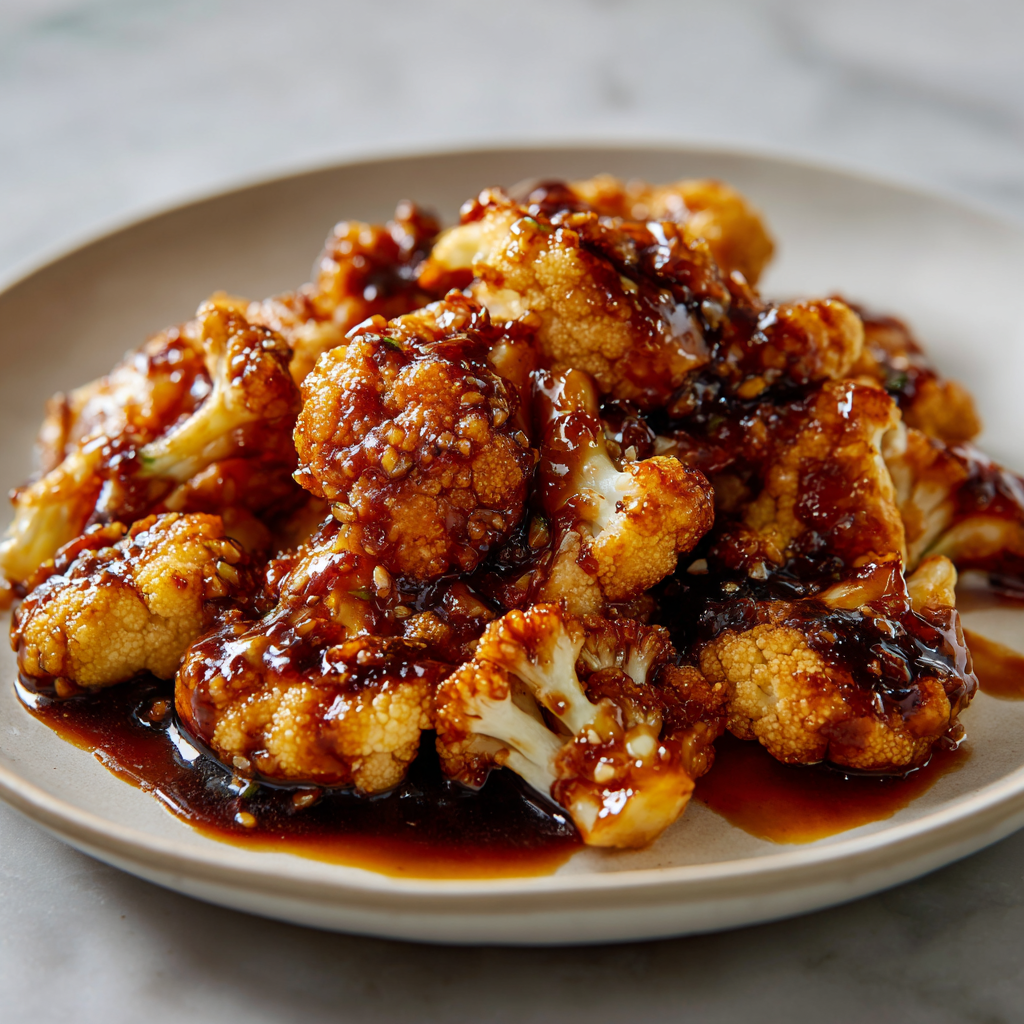
For decades, cauliflower languished in the culinary shadows, often boiled into bland submission or relegated to the side of a forgotten crudité platter. Today, thanks to a global movement toward plant-forward dining and an appreciation for its incredible versatility, the humble cauliflower floret has been completely resurrected. It’s the new culinary chameleon, substituting for rice, pizza crust, and even chicken wings. Yet, arguably its most triumphant form is when it’s roasted to golden perfection and bathed in a spicy, sticky, Asian-inspired glaze.
The Spicy Sticky Cauliflower is a dish that masterfully demonstrates how a simple vegetable can achieve complex, deeply satisfying flavors and textures. It operates on a duality: first, the cauliflower must be rendered crispy and slightly charred through high-heat roasting; second, it must be embraced by a caramelized sauce that offers a perfect balance of sweet, savory, and spicy notes. This recipe is an ideal side dish, a vegetarian appetizer showstopper, or, served over a bed of jasmine rice, a quick and satisfying weeknight main course. It is a true vegetarian game-changer, appealing even to the most dedicated meat-eaters due to its rich, thick, gooey, viscous sauce that clings to every nook and cranny of the vegetable. This level of indulgence, combined with the ease of preparation, makes this cauliflower recipe an essential addition to your modern cooking repertoire.
Ingredients: The Symphony of Sweet and Spicy
Cauliflower Base
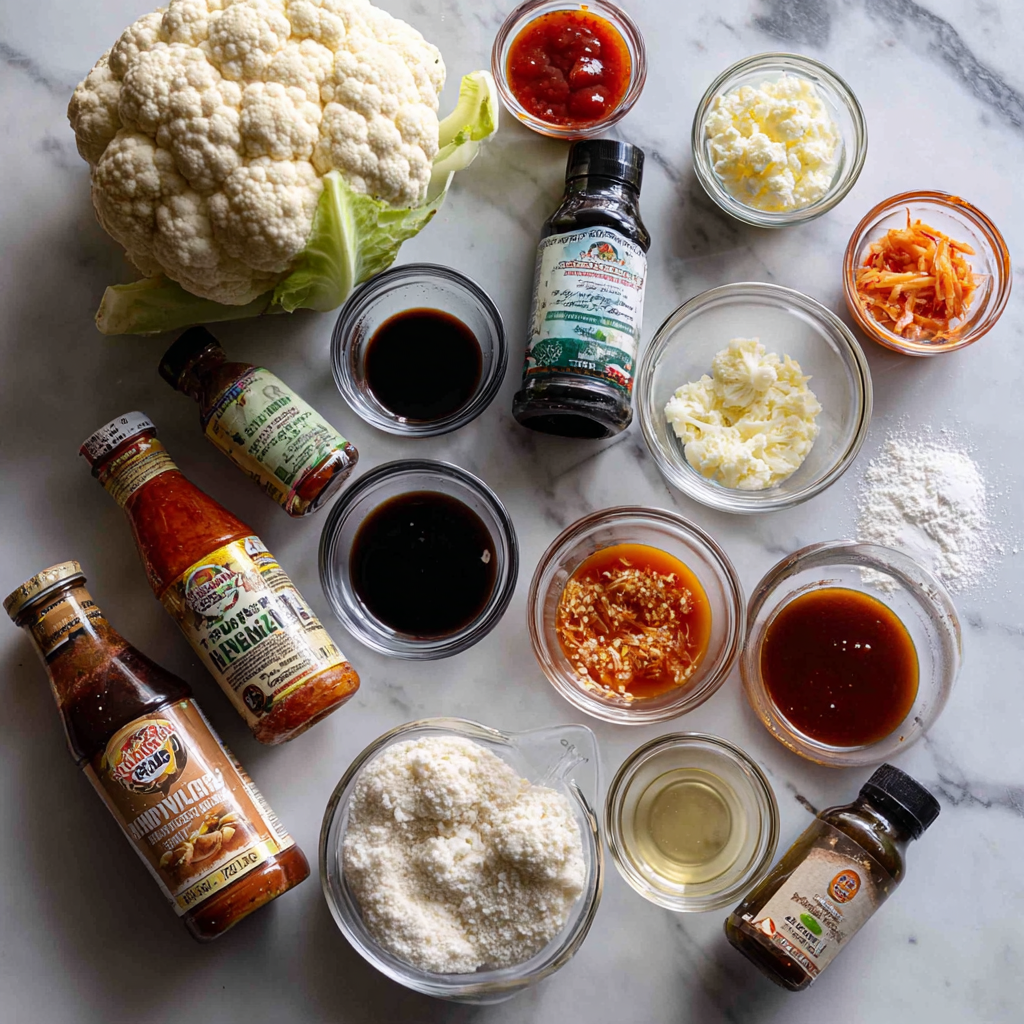
- 1 large head of cauliflower, broken into bite-sized florets. Consistency in size helps with even cooking.
- 2 tbsp olive oil or neutral oil (like canola or avocado).
- 1/2 tsp salt, to enhance the natural flavor of the vegetable.
Spicy Sticky Sauce (The Star of the Show)
- 1/2 cup low-sodium soy sauce. Provides the essential savory umami base.
- 1/4 cup honey or maple syrup. Creates the necessary sweetness for caramelization.
- 2 tbsp packed brown sugar. Adds a deeper molasses note to the glaze.
- 2 tbsp rice vinegar. Offers a crucial acidic tang to balance the richness.
- 1-2 tbsp Sriracha or chili garlic sauce. The heat element—adjust according to your desired spice level.
- 1 tbsp fresh ginger, finely minced. For a bright, pungent aromatic kick.
- 3 cloves garlic, finely minced. The savory foundation.
- 1 tbsp cornstarch. The essential thickening agent.
- 2 tbsp water. Used to create the cornstarch slurry.
Garnish (For Visual and Textural Finish)
- 2 tbsp fresh scallions, chopped.
- 1 tsp toasted sesame seeds, optional but highly recommended.
Instructions: From Florets to Flavor Explosion
- Prep and Preheat: The journey begins with heat. Preheat your oven to a robust 400°F (200°C). Line a large baking sheet with parchment paper—a crucial step for preventing the sticky sauce residue from adhering irrevocably to your pan, ensuring easier cleanup after the bake.
- Toss the Cauliflower: In a large mixing bowl, toss the raw cauliflower florets with the oil and salt. Ensure every piece is coated thoroughly. Spread them out on the prepared baking sheet in a single layer. Overcrowding will steam the cauliflower, preventing that essential caramelization and crispiness.
- Roast to Perfection: Bake for approximately 20-25 minutes. At the halfway mark, use a spatula to gently turn the florets, promoting even browning. The cauliflower is ready when it is tender in the center but has beautifully browned, slightly charred edges. This texture is critical; it must be firm enough to hold up to the heavy sauce.
- The Sauce Foundation: While the cauliflower is roasting, prepare the glaze. In a small saucepan, combine the soy sauce, honey/maple syrup, brown sugar, rice vinegar, the chili element (Sriracha or chili garlic sauce), and the minced ginger and garlic. Whisk this mixture until the sugar is mostly dissolved.
- Thicken the Gooey Glaze: In a separate tiny bowl, whisk together the 1 tablespoon of cornstarch with the 2 tablespoons of water to create a smooth, lump-free slurry. Pour this cornstarch mixture into the saucepan with the sauce base. Bring the entire mixture to a gentle boil over medium heat, whisking constantly for the first minute. Reduce the heat and continue to simmer for 1-2 minutes. The sauce will rapidly thicken into a shimmering, thick, gooey, viscous consistency. Remove it immediately from the heat to prevent it from becoming too stiff.
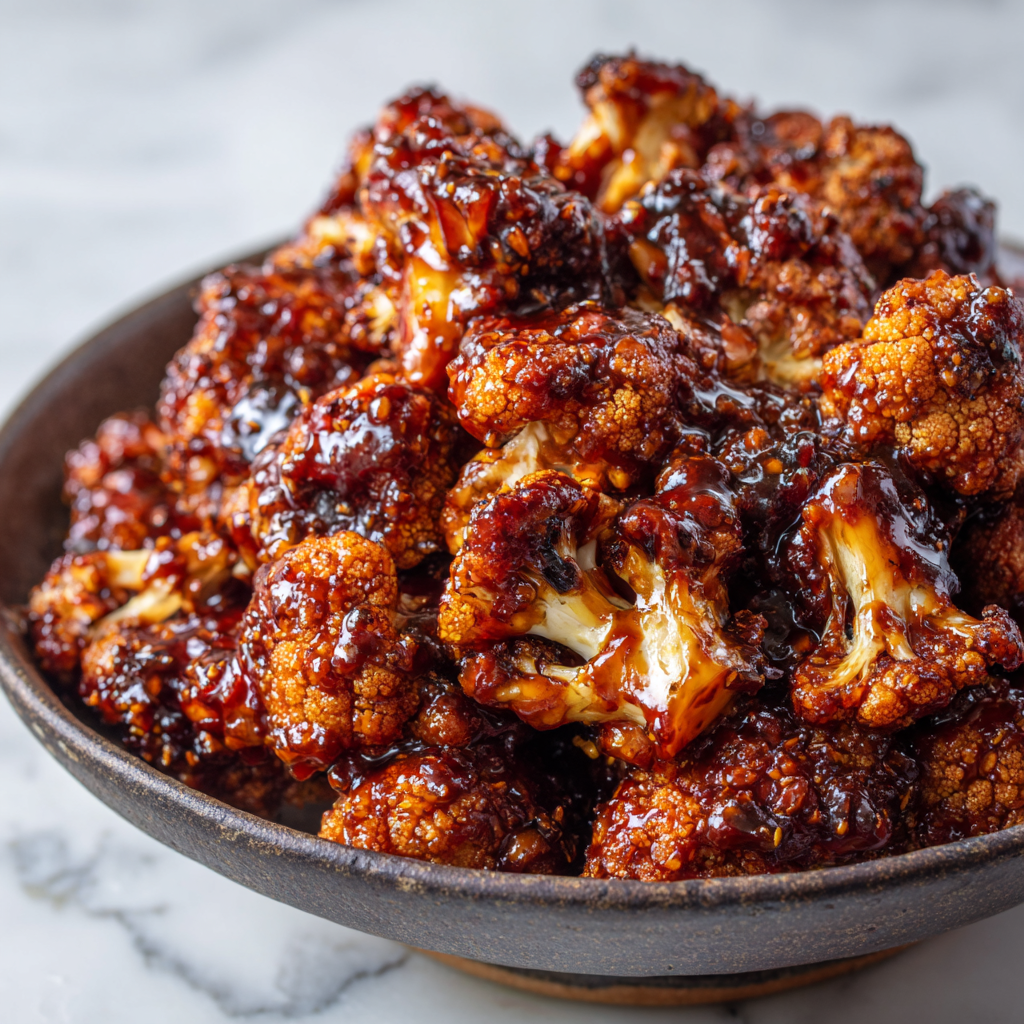
- Coat and Finish: Once the cauliflower is roasted, transfer it to a large skillet or wok. Pour the entire batch of the thick, sticky sauce over the hot cauliflower. Toss the florets gently over medium-low heat for just 1-2 minutes. The residual heat will encourage the sugar in the sauce to caramelize and bind the sauce to the cauliflower, giving it that characteristic glossy, reflective coating. The cauliflower should be fully drenched and look intensely caramelized.
- Serve: Transfer the Spicy Sticky Cauliflower to a serving bowl. Garnish liberally with chopped scallions and a sprinkle of toasted sesame seeds. Serve immediately while the sauce is still hot and maintaining its heavy, viscous texture before it cools and sets too firmly.
The Culinary Chemistry of Stickiness: Why Cornstarch is Key
Achieving that characteristic sticky, gooey, viscous texture is the hallmark of this dish, and it all comes down to the simple process of creating a cornstarch slurry. Cornstarch is a pure starch powder derived from corn kernels and is an incredibly powerful thickening agent in cooking.
The Role of the Slurry: When cornstarch granules are mixed with cold water (or any cold liquid) to form a slurry, it ensures that the starch is dispersed evenly. If you were to add the dry cornstarch directly into the hot sauce, the granules would clump together almost instantly, resulting in a lumpy, uneven sauce and a loss of thickening power.
The Transformation: When the slurry is whisked into the simmering sauce, the heat causes the starch granules to absorb the liquid and swell, a process known as gelatinization. This rapid swelling is what transforms the watery sauce into a thick, heavy, slow-flowing glaze. The addition of sugar (honey and brown sugar) in the sauce also contributes to the glossy, reflective finish and aids in the overall stickiness. The high concentration of sugar, combined with the cornstarch, creates a sauce that not only thickens but truly clings to the cauliflower, rather than simply pooling at the bottom of the plate. This adherence is what elevates the dish from being merely sauced cauliflower to the delectable Spicy Sticky Cauliflower.
Customization and Serving Suggestions
The base recipe for Spicy Sticky Cauliflower is robust, but it offers plenty of room for creative personalization to suit various dietary needs or flavor preferences.
Spice Level Adjustment: For those who prefer a deeper, lingering heat, consider adding a pinch of dried red pepper flakes to the sauce along with the Sriracha. Conversely, for a milder flavor, reduce the chili element and replace it with a bit more honey or a teaspoon of toasted sesame oil for added aroma without the burn.
The Vegetarian Protein Boost: While excellent as a side, this dish easily converts into a complete meal. For a protein boost, add cubed, firm tofu that has been pressed and pan-fried until golden brown. Toss the tofu with the cauliflower and the sticky sauce at the very end. The heavy, viscous sauce adheres perfectly to the tofu’s porous surface.
Serving Suggestions:
- The Classic Main: Serve over a generous bed of fluffy white or brown rice to soak up every last drop of the thick, gooey sauce.
- Appetizer Style: Serve with toothpicks for easy dipping, placed alongside a small bowl of plain Greek yogurt or sour cream to offer a cool contrast to the spice.
- Asian Bowl Base: Use the cauliflower as a base for a colorful, fresh bowl topped with ingredients like shredded carrots, thinly sliced cucumbers, and a scattering of roasted peanuts for added crunch.
Final Thoughts: An Essential Sticky Delight
The Spicy Sticky Cauliflower is a modern classic that deserves a permanent spot in your cooking rotation. It’s a testament to the idea that the simplest ingredients, when treated with a clever technique, can deliver extraordinary results. By mastering the two-step cooking process—roasting for texture, then tossing in the specialized, thick, gooey, viscous sauce for flavor—you create a dish that is crunchy, savory, sweet, and spicy all at once. Whether you’re looking for a quick weeknight vegetarian meal or an unforgettable appetizer, this cauliflower recipe offers a delicious, sticky, and satisfying solution. It’s time to let the cauliflower shine, coated in its glossy, glorious, highly addictive glaze.
Spicy Sticky Cauliflower
Ingredients
Equipment
Method
- Preheat your oven to 400°F (200°C). Line a large baking sheet with parchment paper for easy cleanup.
- Toss the cauliflower: In a large bowl, toss the cauliflower florets with the oil and salt until evenly coated. Spread them in a single layer on the prepared baking sheet.
- Roast the cauliflower: Bake for 20-25 minutes, stirring halfway, until the cauliflower is tender and has browned edges. It should look slightly charred and have a firm-tender texture.
- Prepare the sauce: While the cauliflower roasts, whisk together the soy sauce, honey/maple syrup, brown sugar, rice vinegar, Sriracha/chili sauce, minced ginger, and garlic in a small saucepan.
- Thicken the sauce: In a small separate bowl, whisk together the cornstarch and water to create a slurry. Pour this mixture into the saucepan. Bring the sauce to a gentle boil over medium heat, whisking constantly. Reduce the heat and simmer for 1-2 minutes until the sauce has thickened significantly into a **thick, gooey, viscous consistency**.
- Coat and finish: Transfer the roasted cauliflower into a large skillet or wok. Pour the **thick, sticky sauce** over the cauliflower. Toss gently over medium-low heat for 1-2 minutes until the florets are fully coated in the caramelized, **glossy, reflective sauce**.
- Serve immediately: Garnish with chopped scallions and sesame seeds. Serve hot as a side or over rice for a vegetarian main dish. Ensure the sauce maintains its **heavy, viscous texture** when served.