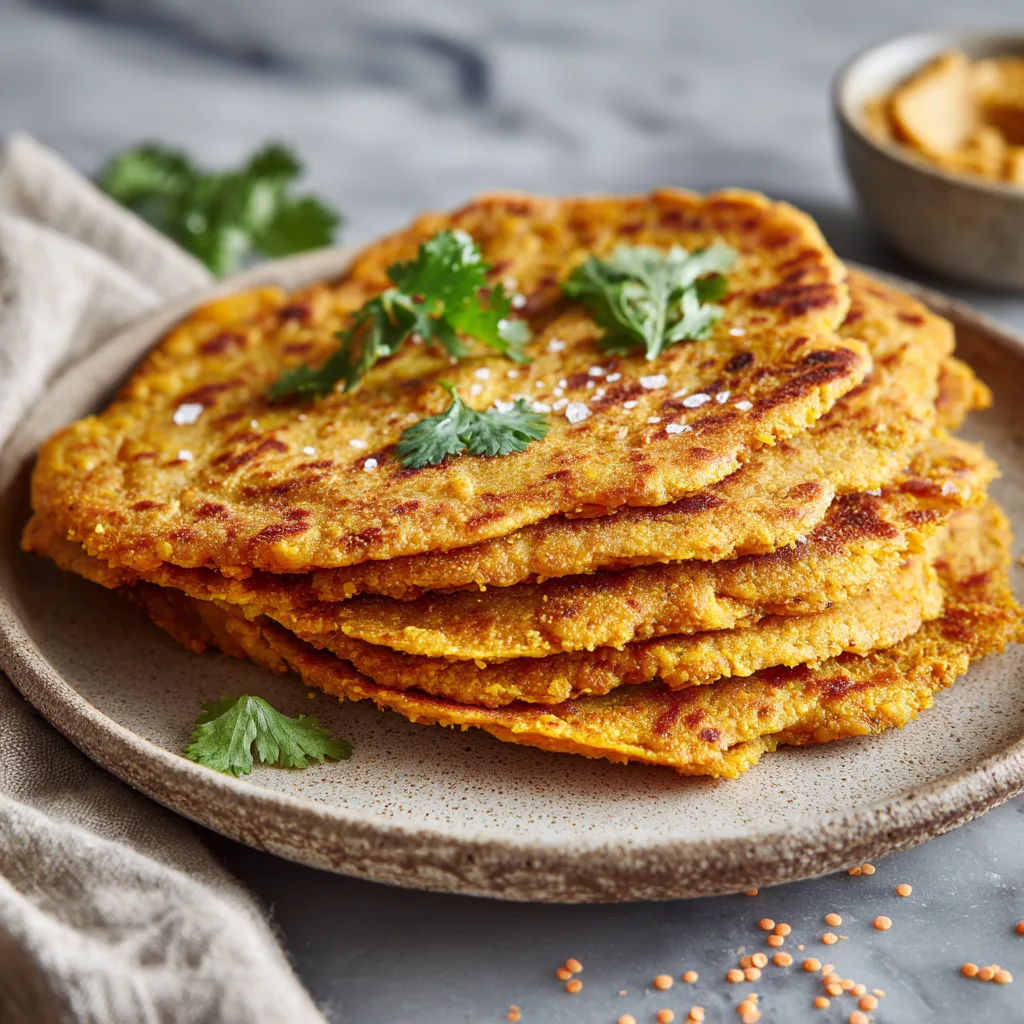
The Magic of One-Ingredient Red Lentil Flatbread: A Gluten-Free Revelation
Introduction: Redefining Bread in the Modern Kitchen
The quest for the perfect gluten-free, vegan, and protein-packed bread substitute has led home cooks and professional chefs down many complicated paths. For years, the prevailing belief was that replacing wheat flour required an intimidating apothecary of alternative flours, binding gums like xanthan or guar, and an array of starches to replicate the chewy, pliable nature of a traditional flatbread or wrap. The results were often expensive, texturally disappointing, and undeniably complicated. However, a culinary revelation has recently taken the internet and mindful eating communities by storm, proving that sometimes, the most profound solutions are the simplest. Enter the One-Ingredient Red Lentil Flatbread.
This remarkable recipe feels almost like a kitchen magic trick. It defies the conventional rules of baking and pan-frying. How can a hard, dry legume transform into a soft, flexible, and utterly delicious wrap without the addition of eggs, dairy, or gluten? The secret lies in the inherent properties of the red lentil itself, unlocked through the simple act of soaking and the mechanical breakdown of blending. This flatbread is not just a diet-friendly substitute; it is a genuinely delicious, nutty, and savory staple that stands proudly on its own merits.
Whether you are managing dietary restrictions, looking to increase your plant-based protein intake, trying to cook on a tight budget, or simply searching for a quick and nutritious vehicle for your favorite fillings and dips, this recipe will forever change your meal preparation routine. We will explore the science behind the magic, walk you through the foolproof technique, and provide endless inspiration for variations and serving suggestions.
The Culinary Science: Why Red Lentils Work
To understand why this single ingredient can create a structural flatbread, we must look at the composition of the red lentil. Legumes are nutritional powerhouses, containing a unique balance of complex carbohydrates (starches) and high-quality plant proteins. When you soak dry red lentils in water, two critical things happen. First, the lentils rehydrate, softening their structure and making them blendable. Second, the soaking process begins to break down phytic acid, making the nutrients more bioavailable and the lentils easier to digest.
The true magic happens in the blender. When you pulverize the soaked lentils with fresh water, you create a mechanical emulsion. You are freeing the starches and proteins from the cellular walls of the legume. Red lentils, in particular, have a specific type of starch that acts as a natural mucilage. When this starch-heavy batter hits a hot, oiled pan, a process called starch gelatinization occurs. The heat causes the starches to swell and form a network, while the proteins coagulate. This dual action binds the batter together into a cohesive, flexible structure, completely eliminating the need for gluten strands or egg proteins to hold the bread together.
Why red lentils specifically? While you can experiment with other legumes (like chickpeas to make socca, or fermented rice and lentils for dosa), split red lentils break down incredibly easily due to having their outer seed coat removed. They soak faster, blend smoother, and have a mild, slightly sweet, and earthy flavor profile that acts as the perfect blank canvas for savory dishes.
Why You Will Absolutely Love This Recipe
The popularity of the one-ingredient red lentil flatbread is not merely a passing trend; it is rooted in profound practicality and health benefits. Here is why you will be making this recipe weekly:
- Unmatched Simplicity: Aside from the passive soaking time, the active preparation takes less than five minutes. It requires no kneading, no rising, no yeast, and no resting of the dough.
- Nutritional Powerhouse: Red lentils are loaded with dietary fiber, folate, iron, and potassium. Each flatbread provides a substantial serving of plant-based protein, keeping you satiated and energized much longer than a refined white flour tortilla.
- Allergen-Friendly: This recipe is naturally gluten-free, dairy-free, egg-free, nut-free, and soy-free. It is incredibly inclusive, making it safe for almost anyone with common food allergies or intolerances.
- Budget-Friendly: A bag of dry red lentils is one of the most economical items in the grocery store. This recipe yields a stack of high-quality wraps for pennies per serving, offering a stark contrast to the exorbitant prices of store-bought gluten-free breads.
- Incredible Flexibility: The resulting flatbread is remarkably pliable. It bends and folds without snapping, making it the ultimate vessel for burritos, sandwich wraps, or scooping up thick curries.
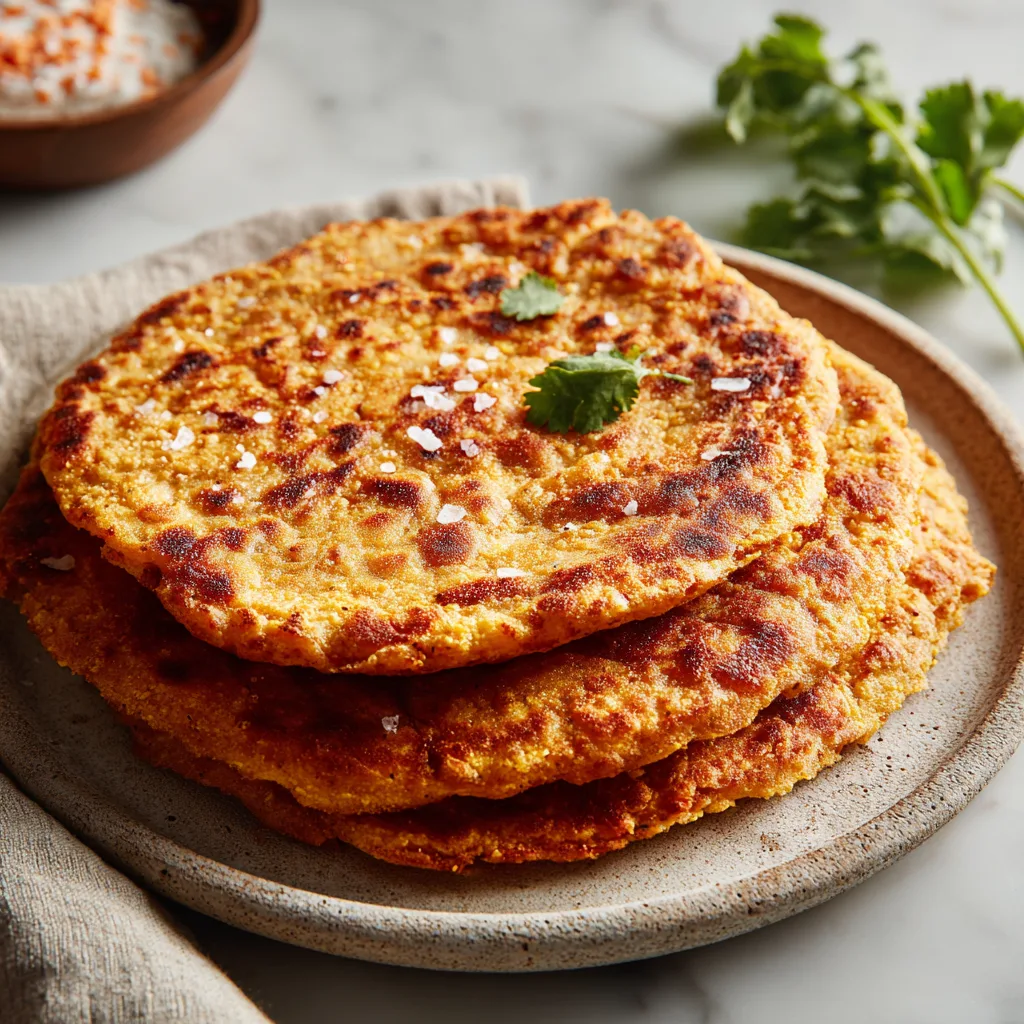
Essential Ingredients for the Red Lentil Flatbread
While we call it “one-ingredient,” a more accurate description would be “one base ingredient.” Water and salt are culinary necessities, but the red lentil is the sole structural component. Here is exactly what you need:
- Split Red Lentils: You must use dry, split red lentils. Do not use canned lentils, as they are already fully cooked and overly saturated; they will turn into a mushy paste rather than a structural batter. Do not use whole green or brown lentils, as their tough outer skins prevent a perfectly smooth batter and require drastically longer soaking times.
- Water: You will need water twice—once for the soaking process (which will be discarded) and once for blending the batter. Cold or room temperature water is fine.
- Salt: While technically optional, salt is essential for flavor. A high-quality sea salt or kosher salt will elevate the earthy notes of the lentils and prevent the flatbread from tasting bland.
- Cooking Oil or Spray: A small amount of neutral cooking oil (like avocado oil, light olive oil, or a quick mist of non-stick spray) is necessary to coat the pan and prevent the starch-heavy batter from sticking.
Step-by-Step Instructions: Mastering the Technique
The beauty of this recipe lies in its straightforward technique. Follow these steps for flawless, flexible flatbreads every time.
- Wash and Rinse: Place your dry red lentils in a fine-mesh sieve and rinse them thoroughly under cold running water. Agitate them with your hands until the water runs clear. This removes dust and excess surface starch.
- The Crucial Soak: Transfer the rinsed lentils to a glass or ceramic bowl. Cover them with at least two inches of fresh water (they will expand significantly). Let them soak at room temperature for a minimum of 3 hours. For the best, smoothest results, cover the bowl and soak them in the refrigerator overnight.
- Drain and Rinse Again: Once thoroughly soaked, the lentils will appear lighter in color and noticeably plump. Drain the soaking water completely and give them one final, quick rinse. Discarding the soaking water helps remove phytic acid and makes the flatbread easier on the digestive system.
- Blend the Batter: Transfer the soaked, drained lentils into a high-speed blender. Add the fresh, measured water and the salt. Blend on high speed for 1 to 2 minutes. You want an incredibly smooth, pourable batter with zero lumps or grit. The consistency should resemble thin pancake batter or crepe batter.
- Heat the Pan: Place a high-quality, heavy-bottomed non-stick skillet or a very well-seasoned cast-iron crepe pan over medium heat. Do not use high heat, or the outside will burn before the inside starches cook through. Lightly grease the pan with a few drops of oil, using a paper towel to wipe away any excess.
- Pour and Spread: Once the pan is hot, pour about 1/3 to 1/2 cup of the batter into the center of the skillet. Immediately use the back of a ladle, a spoon, or a crepe spreader to gently spread the batter outward into a thin, even circle (about 7-8 inches in diameter).
- Cook and Flip: Allow the flatbread to cook undisturbed for about 2 to 3 minutes. You will know it is ready to flip when the top surface looks matte and dry, small bubbles appear (similar to a pancake), and the edges naturally pull away from the sides of the pan. Slide a wide, thin spatula under the flatbread and flip it confidently.
- Finish Cooking: Cook on the second side for an additional 1 to 2 minutes until lightly golden and completely set. Remove from the pan and transfer to a plate.
- Keep Warm and Pliable: As you cook the remaining batter, stack the finished flatbreads on top of each other and cover them with a clean, slightly damp kitchen towel. The residual steam trapped by the towel ensures the flatbreads remain wonderfully soft and pliable.
One-Ingredient Red Lentil Flatbread
Ingredients
Equipment
Method
- Place the dry red lentils in a fine-mesh sieve and rinse thoroughly under cold water until the water runs clear.
- Transfer the rinsed lentils to a bowl and cover with 3 cups of water. Let them soak at room temperature for at least 3 hours, or in the refrigerator overnight.
- Drain the soaking water completely and give the plumped lentils one final quick rinse.
- Place the soaked, drained lentils into a high-speed blender. Add the 3/4 cup of fresh water and the sea salt.
- Blend on high for 1 to 2 minutes until the mixture transforms into a completely smooth, thin, pourable batter with no lumps.
- Heat a non-stick skillet over medium heat. Lightly grease the pan with a few drops of oil, wiping away excess with a paper towel.
- Pour about 1/3 cup of the batter into the center of the hot pan. Immediately use the back of a spoon to spread the batter outward into a thin, even circle.
- Cook undisturbed for 2-3 minutes until the top appears dry, small bubbles form, and the edges pull away from the pan.
- Carefully slide a spatula under the flatbread and flip. Cook for an additional 1-2 minutes until lightly golden and set.
- Transfer the cooked flatbread to a plate and immediately cover it with a clean, slightly damp kitchen towel. Repeat with the remaining batter, stacking them under the towel to keep them flexible.
Notes
Pro Tips for Flatbread Success
Even with a foolproof recipe, a few chef-approved tips will guarantee a perfect outcome.
- Do Not Rush the Soak: The lentils must be completely hydrated. If you are in a rush, you can soak them in boiling water for 1 hour, but the slow, cold soak yields the absolute best texture.
- The Pan Must Be Non-Stick: Because there is no added fat in the batter itself, a sticky pan will result in a disastrous mess. A high-quality ceramic or Teflon non-stick pan is your best friend here.
- Adjusting Viscosity: Lentils absorb water differently depending on their age and the climate. If your batter seems too thick to spread quickly, blend in an extra tablespoon of water. If it is too thin and spreading like water, let the batter sit in the blender for 10 minutes; the starches will hydrate and thicken it slightly.
- The “First Pancake” Rule: Just like traditional pancakes, the first flatbread is often a test run. Use it to gauge if your pan is too hot or too cold, and adjust accordingly for the rest of the batch.
Delicious Variations to Explore
Once you have mastered the foundational one-ingredient batter, it is time to start playing with flavor. Because the batter is a blank canvas, you can customize it to perfectly match your meal.
The Savory Herb Wrap
Blend a handful of fresh spinach, a clove of garlic, and a teaspoon of Italian seasoning directly into the batter. This turns the flatbread a vibrant green and adds a deep, savory flavor perfect for wrapping roasted vegetables and hummus.
The Indian-Spiced Roti Alternative
Add half a teaspoon of ground cumin, a quarter teaspoon of turmeric (for a gorgeous bright yellow color), and a pinch of cayenne pepper to the blender. Serve this variation warm, brushed lightly with ghee or vegan butter, alongside a rich chickpea tikka masala or dal.
The Sweet Cinnamon Crepe
Omit the salt. Instead, blend in a teaspoon of vanilla extract, a teaspoon of ground cinnamon, and a tablespoon of maple syrup. Cook as usual, and fill with sliced bananas, almond butter, and a drizzle of honey for a high-protein, gluten-free dessert or sweet breakfast.
Serving Suggestions: How to Use Your Flatbread
The versatility of this flatbread is truly astounding. It can function as a utensil, a wrap, or a base.
- The Ultimate Sandwich Wrap: Because of its pliability, it is perfect for heavy fillings. Slather it with tzatziki, load it with grilled chicken or falafel, cucumber, tomato, and red onion, and roll it tightly into a gyro-style wrap.
- Gluten-Free Pizza Crust: Pour the batter slightly thicker and cook until very firm. Transfer to a baking sheet, top with marinara, mozzarella, and your favorite toppings, and broil until the cheese is bubbling.
- Curry Accoutrement: Tear the warm flatbread into rustic pieces and use it to scoop up rich Indian curries, Thai coconut soups, or hearty Mediterranean stews.
- Quesadillas: Place one flatbread in a pan, top with shredded cheese and black beans, place a second flatbread on top, and toast until the cheese melts to create a protein-packed, gluten-free quesadilla.
Storage, Freezing, and Reheating Instructions
Batch cooking these flatbreads is highly recommended, as they store beautifully.
Refrigeration: Allow the cooked flatbreads to cool completely. Stack them with a small piece of parchment paper between each one to prevent sticking. Store them in an airtight plastic bag or container in the refrigerator for up to 5 days.
Freezing: Using the same parchment-paper layering method, place the stack in a freezer-safe zip-top bag, squeeze out all the air, and freeze for up to 3 months.
Reheating: To restore their flexibility, they need gentle heat and a touch of moisture. Reheat them one at a time in a dry skillet over medium-low heat for about 30 seconds per side. Alternatively, wrap them in a damp paper towel and microwave for 15-20 seconds. If reheating from frozen, let them thaw at room temperature for 10 minutes before warming in the skillet.
Frequently Asked Questions (FAQ)
Can I use lentil flour instead of whole lentils?
While lentil flour exists, using it yields a very different texture. Lentil flour often requires binding agents to hold together. The process of soaking whole lentils retains specific starches and moisture that create the unique, flexible structure of this specific flatbread. Stick to whole, dry red lentils for this method.
Why did my flatbread crack and break when I folded it?
Cracking usually indicates one of two things: the flatbread was overcooked and dried out in the pan, or it was not kept covered with a damp towel immediately after cooking. The residual steam is crucial for locking in the moisture that provides the flexibility. Also, ensure your batter is not poured too thick; thin, crepe-like breads fold much easier.
Can I bake this batter instead of pan-frying it?
Pan-frying is strongly recommended for the best texture. Baking the batter tends to dry it out, resulting in a cracker-like consistency rather than a soft, pliable bread. If you want a crispy cracker, you can certainly spread the batter thin on parchment paper and bake it at 375°F (190°C), but it will not function as a wrap.
Conclusion
The One-Ingredient Red Lentil Flatbread is a testament to the power of whole-food ingredients and smart culinary techniques. By simply combining water, red lentils, and a pinch of salt, you unlock a versatile, highly nutritious, and remarkably delicious flatbread that caters to almost every dietary need. It eliminates the intimidation factor of gluten-free baking and provides a fast, economical solution for everyday meals. Soak a batch of lentils tonight, and tomorrow you will experience the magic of the easiest, healthiest flatbread you will ever make.