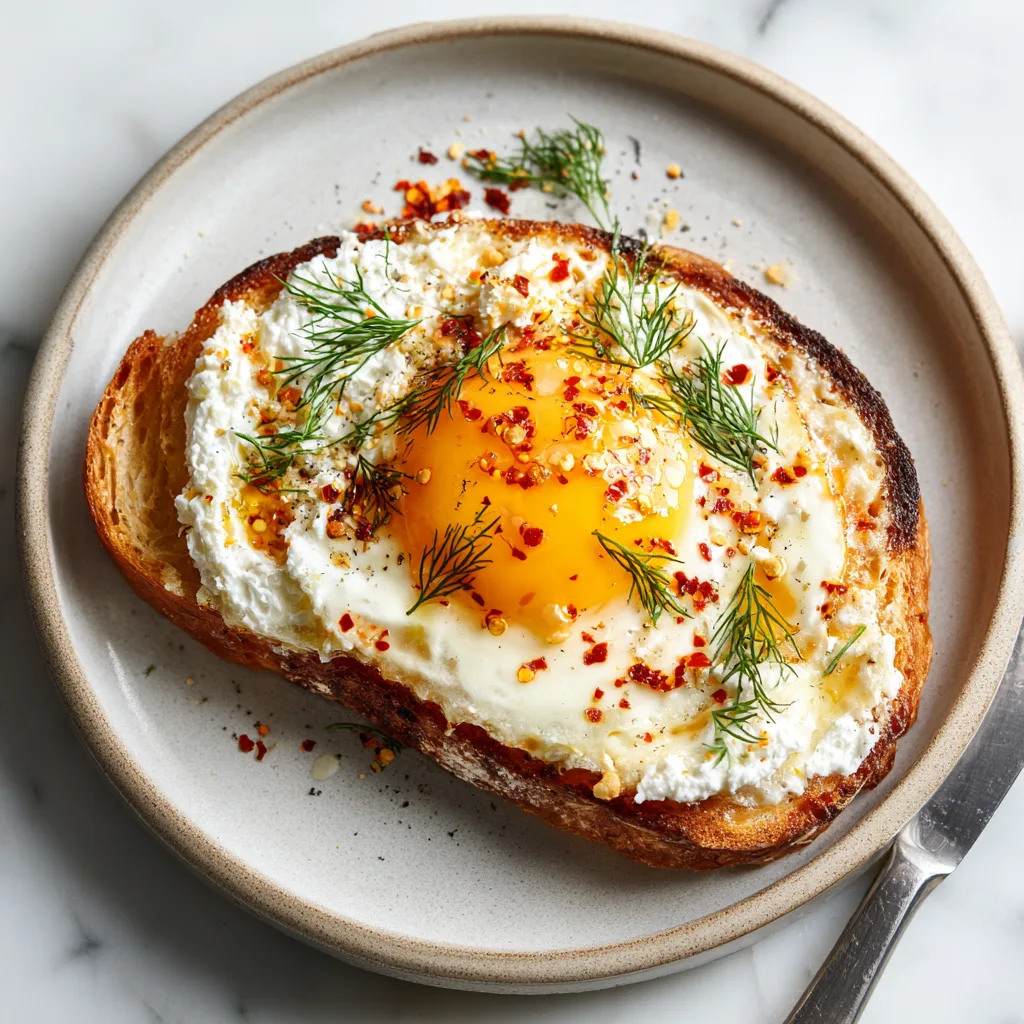
Whipped Feta Fried Eggs: A Breakfast Revelation
Introduction: The Morning Meal that Broke the Internet
If you have been keeping an eye on culinary trends, you have likely noticed that the way we approach breakfast has fundamentally shifted. Gone are the days of dry toast and uninspired scrambled eggs. Today, morning meals are about bold flavors, incredible textural contrasts, and restaurant-quality presentation achieved in a fraction of the time. At the forefront of this morning revolution is the magnificent creation known as Whipped Feta Fried Eggs. This viral sensation marries the tangy, luxurious creaminess of Mediterranean whipped feta with the universally beloved comfort of a perfectly crispy, sunny-side-up fried egg.
The concept is deceivingly simple, yet the execution results in a flavor profile that is deeply complex. Imagine biting into a thick slice of warm, rustic sourdough bread. First, you encounter the satisfying crunch of the crust, which immediately gives way to a cloud-like layer of garlicky, lemony whipped feta. Just as the tangy richness coats your palate, the warm, velvety yolk of a perfectly fried egg breaks, acting as a rich, natural sauce that brings the entire dish together. The edges of the egg are fried to a golden, lace-like crispness in extra virgin olive oil, providing an essential savory crunch. Finished with a drizzle of hot honey or chili crisp and a scattering of fresh herbs, this dish activates every single taste receptor.
This comprehensive guide will walk you through the art of crafting the ultimate Whipped Feta Fried Eggs. We will delve into the science of whipping feta to the perfect consistency, the secrets to achieving those highly sought-after crispy egg edges, and how to customize this dish to suit your exact cravings. Prepare to elevate your breakfast, brunch, or even a quick weeknight dinner to unprecedented culinary heights.
The Culinary Science: Why This Combination is Unbeatable
To truly appreciate this dish, it is essential to understand why these specific ingredients work so harmoniously together. Chefs often speak of balancing the five basic tastes: sweet, salty, sour, bitter, and umami. The Whipped Feta Fried Egg masterfully hits these notes while simultaneously delivering a masterclass in textural contrast.
Feta cheese, in its natural state, is crumbly, intensely salty, and highly acidic. While delicious, its texture can be overpowering in large quantities. By whipping the feta in a food processor with a touch of Greek yogurt and olive oil, we emulsify the fats and proteins, transforming a brittle cheese into a smooth, airy spread. The yogurt mellows the aggressive saltiness of the feta, while a squeeze of lemon juice enhances its natural tang. This creates a luxurious, creamy base.
The fried egg, cooked in olive oil over medium-high heat, undergoes the Maillard reaction—a chemical reaction between amino acids and reducing sugars that gives browned food its distinctive flavor. The egg whites become blistered and crispy (the crunch), while the yolk remains gently warmed and liquid (the sauce). When the rich, fatty, umami-laden egg yolk mixes with the bright, acidic, and salty whipped feta, the result is a perfectly balanced bite that is neither too heavy nor too sharp.
Why You Will Absolutely Love This Recipe
There are countless reasons why this recipe will become a permanent fixture in your culinary repertoire. First and foremost is the incredible ratio of effort to reward. Creating a luxurious breakfast often requires multiple pans, hours of prep, and a mountain of dishes. This recipe, however, delivers a gourmet experience in under 15 minutes. The whipped feta can even be made days in advance, reducing your active morning prep time to simply frying an egg and toasting some bread.
Secondly, this dish is incredibly versatile. While we present the classic iteration with chili flakes and hot honey, the whipped feta base serves as a blank canvas for your culinary imagination. It works beautifully as a savory breakfast, a decadent brunch centerpiece, or a rapid, satisfying dinner when you are too tired to cook a full meal. Furthermore, it feels remarkably elegant. Serving this to guests will undoubtedly elicit gasps of admiration, despite how genuinely simple it is to prepare.

Essential Ingredients for Whipped Feta Fried Eggs
The magic of this recipe relies entirely on the quality of its components. Since there are relatively few ingredients, each one must shine. Here is a detailed breakdown of what you will need.
The Creamy Feta Base
- Block Feta Cheese: This is the most crucial rule of the recipe: you must buy feta in a block, ideally packed in brine. Pre-crumbled feta is coated in anti-caking agents (like cellulose) that prevent it from ever whipping into a smooth, creamy texture. Greek sheep’s milk feta is the gold standard for flavor.
- Plain Greek Yogurt: Feta alone will not whip into a light dip; it needs a softening agent. Full-fat plain Greek yogurt provides moisture and creaminess while maintaining a thick, spreadable consistency and complementing the feta’s tang.
- Extra Virgin Olive Oil: A high-quality olive oil adds a fruity, peppery depth to the whipped feta and helps emulsify the mixture into a silky smooth texture.
- Fresh Garlic: One small clove of garlic, grated or finely minced, adds a necessary savory bite. Do not use garlic powder; the fresh, sharp bite is required to cut through the heavy dairy.
- Fresh Lemon Juice: A squeeze of fresh lemon brightens the entire spread, balancing the heavy fats with a clean acidity.
The Perfect Fried Egg and Toast
- Large Fresh Eggs: Fresher eggs have tighter, plumper whites that hold their shape better in the pan, resulting in a thicker egg white and a beautifully centered yolk.
- Olive Oil (for frying): While butter is traditional for eggs, frying eggs in a generous amount of olive oil over medium-high heat is the secret to achieving those incredibly crispy, lacy, golden-brown edges.
- Thick-Cut Sourdough Bread: The structural integrity of your toast is vital. You need a sturdy, crusty bread like sourdough or a rustic artisan loaf to hold the heavy whipped feta and the runny egg without becoming soggy.
The Garnishes (The Flavor Amplifiers)
- Hot Honey or Chili Crisp: A drizzle of sweetness combined with heat is the ultimate finishing touch. It bridges the gap between the salty cheese and the rich egg.
- Fresh Herbs: Chopped fresh dill, parsley, or chives add a burst of vibrant color and a clean, herbaceous finish.
- Flaky Sea Salt and Black Pepper: A pinch of high-quality finishing salt (like Maldon) on the egg yolk and freshly ground black pepper bring all the flavors into sharp focus.
Step-by-Step Instructions: Crafting the Perfect Plate
Follow these steps meticulously to ensure your whipped feta is silky smooth and your eggs are flawlessly crispy.
- Prepare the Whipped Feta: Remove the block feta from its brine and pat it completely dry with paper towels. Crumble the feta into the bowl of a food processor. Add the Greek yogurt, fresh lemon juice, grated garlic, and a drizzle of extra virgin olive oil.
- Whip to Perfection: Turn on the food processor and blend the ingredients. Initially, it will look crumbly. After about 30 seconds, scrape down the sides of the bowl with a rubber spatula. Continue blending for another 1-2 minutes, streaming in a tiny bit more olive oil if needed, until the mixture is incredibly light, airy, and completely smooth. Transfer to a bowl and set aside (or refrigerate if making ahead).
- Toast the Bread: Slice your sourdough bread thickly. You can toast it in a toaster, but for the best flavor, brush both sides lightly with olive oil and pan-fry it in a skillet until deeply golden and crunchy on the outside but still chewy inside.
- Fry the Eggs: Heat a non-stick or well-seasoned cast-iron skillet over medium-high heat. Add a generous glug of olive oil (about 2 tablespoons). Once the oil is shimmering and hot (but not smoking), carefully crack the eggs into the pan. You should immediately hear a loud sizzle.
- Achieve the Crispy Edges: Let the eggs cook undisturbed. The whites will bubble and blister, and the edges will begin to turn dark golden brown and crispy. If the oil is pooling, you can carefully tilt the pan and use a spoon to baste the hot oil over the egg whites to help them set faster, but avoid the yolk if you want it beautifully runny. This should take about 2-3 minutes.
- Assemble the Dish: Take your toasted sourdough and slather a generous, thick layer of the whipped feta across the entire surface. Use the back of a spoon to create a gentle swoosh or well in the center.
- Top and Garnish: Using a slotted spatula, carefully remove the crispy fried eggs from the skillet, allowing excess oil to drain off, and gently place them on top of the whipped feta beds.
- The Finishing Touches: Drizzle the eggs and feta with hot honey or chili crisp. Sprinkle generously with fresh dill, flaky sea salt, and cracked black pepper. Serve immediately while the egg is hot and the yolk is liquid.
Whipped Feta Fried Eggs
Ingredients
Equipment
Method
- In a food processor, combine the block feta, Greek yogurt, grated garlic, 1 tablespoon of olive oil, and lemon juice.
- Blend the mixture for 2-3 minutes, scraping down the sides as needed, until the feta is completely smooth, airy, and creamy. Set aside.
- Toast your thick slices of sourdough bread until golden and crunchy.
- Heat 2 tablespoons of olive oil in a skillet over medium-high heat. Once shimmering, carefully crack the eggs into the pan.
- Fry the eggs undisturbed for 2-3 minutes until the whites are set and blistered, the edges are crispy and golden brown, and the yolks are still runny.
- Spread a generous, thick layer of the whipped feta onto each slice of toasted sourdough.
- Using a slotted spatula, carefully transfer one crispy fried egg onto the top of each feta-slathered toast.
- Drizzle the eggs with hot honey or chili crisp, then garnish with fresh herbs, flaky sea salt, and freshly cracked black pepper. Serve immediately.
Notes
Pro Tips for Culinary Success
Even simple recipes benefit from professional techniques. Keep these tips in mind to guarantee a flawless breakfast.
- Patience with the Processor: Do not rush the whipping process. Feta is a stubborn cheese, and it takes a solid 2 to 3 minutes of continuous processing to break down all the tiny curds. If you don’t have a food processor, a high-powered blender or even an immersion blender can work, though a food processor yields the best, airiest results.
- The Water Trick for Eggs: If you love crispy edges but are terrified of raw, runny egg whites near the yolk, try this trick: once the edges are crispy, add a teaspoon of water to the edge of the hot pan and immediately cover it with a tight-fitting lid for 15 seconds. The steam will instantly cook the top layer of the white while leaving the yolk runny.
- Temperature Matters: Feta whips much better when it is closer to room temperature. If you have the time, let your feta sit on the counter for 15 minutes before processing.
Delicious Variations to Explore
The Whipped Feta Fried Egg is a highly adaptable concept. Once you master the base, try these incredible flavor variations to keep your mornings exciting.
The Green Goddess Feta Egg
Blend a handful of fresh spinach, basil, and cilantro directly into the food processor with the feta and yogurt. This turns the spread a vibrant, beautiful green and adds an incredibly fresh, herbaceous flavor. Top the fried egg with sliced avocados and a squeeze of lime.
The Mediterranean Tomato Burst
Before frying your eggs, add a handful of cherry tomatoes to the hot skillet with olive oil. Blister them until they burst and become jammy. Remove the tomatoes, fry your eggs in the same flavored oil, and top the whipped feta with the jammy tomatoes, the crispy egg, and a drizzle of balsamic glaze.
The Spicy Harissa Version
Swirl a tablespoon of smoky, spicy harissa paste into your finished whipped feta. Fry the egg as usual, and top the dish with toasted pine nuts, fresh mint, and a sprinkle of cumin for a deeply savory, North African-inspired flavor profile.
Serving Suggestions and Pairings
While this dish is a complete meal on its own, you can elevate the dining experience with the right accompaniments. Because the whipped feta and fried egg are very rich and heavy, you want to pair them with sides that offer acidity and freshness.
- Simple Arugula Salad: A handful of peppery baby arugula tossed simply with lemon juice, olive oil, and a pinch of salt is the perfect palate cleanser to serve alongside your toast.
- Roasted Asparagus or Broccolini: For a heartier brunch, quickly roast or char some green vegetables. They act as wonderful vehicles for scooping up any leftover egg yolk and whipped feta that falls off the bread.
- Beverage Pairings: A hot, robust cup of dark roast coffee or a bright, acidic freshly squeezed orange juice cuts through the richness of the cheese and egg perfectly. If serving for brunch, a dry, crisp Mimosa or a spicy Bloody Mary are exceptional companions.
Storage and Make-Ahead Instructions
The assembled Whipped Feta Fried Egg toast must be eaten immediately. A fried egg does not reheat well, and the bread will quickly become soggy under the weight of the cheese and egg.
However, the whipped feta itself is an ultimate make-ahead ingredient. You can prepare a large batch of the whipped feta and store it in an airtight container in the refrigerator for up to 5 days. Because it contains olive oil, it may firm up slightly in the fridge. Simply let it sit at room temperature for 10 minutes before spreading, or give it a vigorous stir with a spoon to bring back its airy texture. Having a tub of whipped feta in the fridge means this gourmet breakfast is always only 3 minutes away.
Frequently Asked Questions (FAQ)
Can I make this dairy-free?
Yes, though it will alter the flavor profile. You can substitute the traditional feta with a high-quality, block-style vegan feta alternative, and use a plain, unsweetened almond or oat milk yogurt. Vegan feta can be quite dense, so you may need to increase the olive oil slightly to achieve a smooth whip.
Why is my whipped feta grainy and not smooth?
The most common culprit for grainy whipped feta is using pre-crumbled feta. Pre-crumbled feta is coated in anti-caking starches that prevent it from blending smoothly. Always use block feta. If you used block feta and it is still grainy, you likely just haven’t processed it long enough. Keep the machine running!
Can I poach the eggs instead of frying them?
Absolutely. If you prefer to avoid the extra oil used in frying, a perfectly poached egg with a liquid center is a magnificent topping for the whipped feta. The lack of crispy edges will change the texture of the dish, but it remains incredibly delicious and slightly lighter.
Conclusion
Whipped Feta Fried Eggs represent the perfect intersection of convenience and luxury. By taking a few staple ingredients and applying simple, deliberate techniques—like deeply whipping the cheese and hard-frying the egg in olive oil—you create a dish that feels exceptionally special. The contrast between the cold, tangy, cloud-like feta and the hot, savory, crispy egg is a culinary triumph that deserves a spot in your regular rotation. Grab a block of good feta, heat up your skillet, and prepare to experience the ultimate breakfast upgrade.