The Magic of Winter Orange Sugar Cookies: A Ray of Sunshine in Every Bite
When the days grow short, the temperatures drop, and the world outside takes on the gray and white hues of winter, there is nothing quite as comforting as the aroma of fresh baking wafting through the house. But while the season is traditionally dominated by heavy spices like cinnamon, nutmeg, and ginger, or deep, rich flavors like chocolate and peppermint, there is another winter star that often gets overlooked: the humble, vibrant orange. These Winter Orange Sugar Cookies are the perfect antidote to the cold, delivering a bright, zesty burst of citrus wrapped in a soft, buttery, melt-in-your-mouth cookie. They are a literal ray of sunshine on a dark winter day.
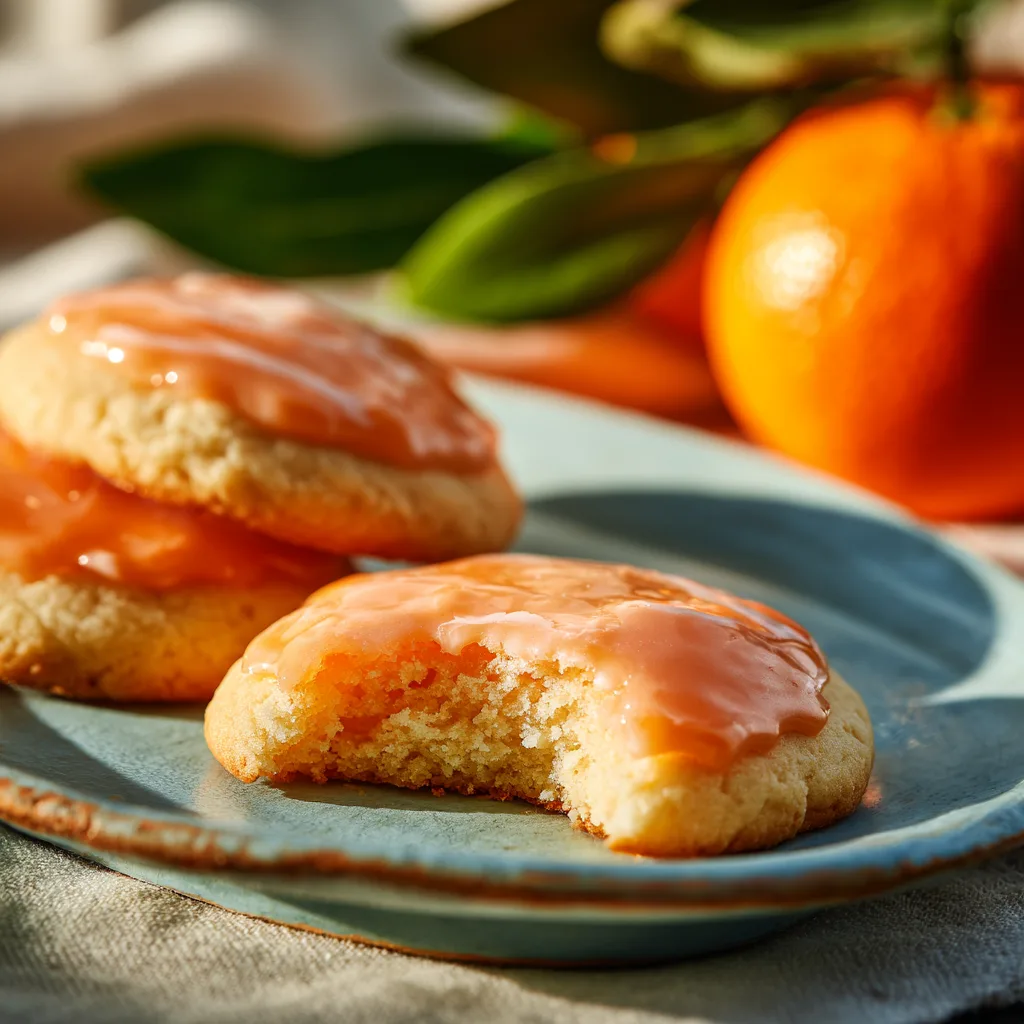
Sugar cookies are a beloved classic, an undisputed staple of holiday cookie tins and festive gatherings. However, a basic sugar cookie can sometimes feel a bit one-note. By infusing the dough with fresh orange zest and a splash of freshly squeezed orange juice, we elevate this humble treat into a sophisticated, fragrant, and deeply satisfying dessert. Whether you choose to top them with a simple, sweet orange glaze or decorate them elaborately with royal icing and festive sprinkles, these cookies are guaranteed to become a new seasonal favorite for your family and friends.
A Brief History: Why Oranges Are the Ultimate Winter Fruit
It might seem counterintuitive that a fruit so closely associated with tropical climates and warm, sunny days is actually at its peak during the coldest months of the year. The tradition of associating oranges with winter and the holiday season dates back over a century and has roots in both practicality and folklore.
In the 19th and early 20th centuries, before the advent of modern global shipping and refrigeration, getting fresh fruit during the winter in cold climates was incredibly difficult and expensive. Oranges, which happen to ripen in warmer regions like Florida, California, and the Mediterranean right around December, became a rare and highly prized luxury. Finding a bright, sweet orange at the toe of your Christmas stocking was considered a tremendous treat—a literal burst of “liquid gold” during a time of scarcity.
Furthermore, oranges hold symbolic meaning. Their bright, spherical shape and golden color have long been associated with the sun, bringing a promise of the returning spring and longer days ahead. By baking these Winter Orange Sugar Cookies, you are not just making a delicious dessert; you are partaking in a rich, historical culinary tradition that celebrates light, warmth, and the simple joys of seasonal eating.
Key Ingredients for the Perfect Citrus Sugar Cookie
The beauty of this recipe lies in its simplicity. Because the ingredient list is relatively short, the quality of each component truly matters. Here is a breakdown of what you will need and why it is important for achieving the perfect texture and flavor.
- Fresh Oranges (For Zest and Juice): This is the most critical ingredient. You cannot substitute bottled orange juice or dried orange peel here. The essential oils in the fresh zest provide the deep, aromatic orange flavor, while the fresh juice provides acidity and moisture. Navel oranges or Mandarin oranges work beautifully.
- Unsalted Butter: Butter provides the rich, tender crumb of the cookie. Using unsalted butter allows you to control the exact sodium content of the dough. Your butter must be softened to room temperature—cool to the touch, but able to be dented with a gentle press of your finger.
- Granulated Sugar: Essential for sweetness, but also for texture. Beating the sugar with the butter creates tiny air pockets that help the cookies rise and become beautifully tender.
- Large Egg: The egg acts as a binder, holding the dough together, and adds richness and moisture. Ensure your egg is also at room temperature so it incorporates smoothly into the butter mixture without causing it to curdle.
- Pure Vanilla Extract: Vanilla and orange are a classic pairing (think of a creamsicle!). The vanilla rounds out the sharp citrus notes and adds warmth to the flavor profile.
- All-Purpose Flour: The structural foundation of the cookie. Be sure to measure your flour correctly using the spoon-and-level method to avoid dry, dense cookies.
- Baking Powder: The leavening agent that gives the cookies a slight lift, keeping them soft rather than dense and heavy.
- Kosher Salt: A pinch of salt is crucial in any sweet baked good; it enhances the vanilla and citrus flavors and balances the sweetness of the sugar.
- Powdered Sugar (Confectioners’ Sugar): Used for creating the smooth, sweet glaze or icing that tops the cookies.
The Science of the Soft and Chewy Sugar Cookie
Baking is a science, and understanding the “why” behind the steps will make you a better baker. The texture of a sugar cookie can range from crispy and snappy to soft and cakey. This recipe aims for the sweet spot: slightly crisp edges with a soft, chewy, tender center.
The first crucial scientific step is the creaming method. When you beat the room-temperature butter and granulated sugar together, the sharp edges of the sugar crystals slice into the butter, creating millions of microscopic air bubbles. This process, which should take about 2 to 3 minutes, makes the mixture light, fluffy, and pale in color. These air bubbles are what the baking powder will expand during baking, giving the cookies their lift and tender crumb.
The second scientific factor is gluten development. Flour contains proteins that form gluten when mixed with liquid. Gluten is what gives bread its chew, but in a delicate cookie, too much gluten results in a tough, rubbery texture. This is why you must only mix the dry ingredients into the wet ingredients until they are just combined. Overmixing at this stage is the number one cause of tough cookies.
Finally, chilling the dough is not optional. Chilling serves two purposes: it allows the flour to fully hydrate, improving flavor and texture, and it solidifies the butter. Cold butter takes longer to melt in the hot oven, meaning your cookies will hold their shape better and won’t spread into flat, greasy puddles on the baking sheet.
Step-by-Step Instructions for Baking Perfection
Follow these detailed steps to ensure your Winter Orange Sugar Cookies turn out beautifully every single time.
- Extract the Citrus Flavor: Begin by combining the granulated sugar and the fresh orange zest in a large mixing bowl. Use your clean fingers to rub the zest into the sugar for about a minute. The sugar will become fragrant, moist, and take on a pale orange tint. This step releases the natural essential oils from the zest directly into the sugar, ensuring maximum flavor distribution throughout the dough.
- Cream the Butter and Sugar: Add the softened unsalted butter to the citrus sugar. Using an electric hand mixer or a stand mixer fitted with the paddle attachment, beat on medium-high speed until the mixture is incredibly light, fluffy, and noticeably paler in color. This usually takes 2 to 3 minutes. Scrape down the sides of the bowl with a rubber spatula halfway through.
- Incorporate the Wet Ingredients: Add the room temperature egg, pure vanilla extract, and fresh orange juice to the creamed butter mixture. Beat on medium speed until completely combined. The mixture might look slightly curdled at this point, but don’t worry—it will come together when the flour is added.
- Whisk the Dry Ingredients: In a separate, medium-sized bowl, whisk together the all-purpose flour, baking powder, and salt. Whisking ensures the leavening agent and salt are evenly distributed throughout the flour.
- Combine Wet and Dry: With your mixer on low speed, slowly add the dry ingredients to the wet ingredients in three additions. Mix only until the flour streaks just disappear. Do not overmix! The dough will be soft and slightly sticky.
- Chill the Dough: Divide the dough in half. Form each half into a flat disc and wrap tightly in plastic wrap. Refrigerate the dough for at least 1 hour, or up to 2 days. This chilling step is absolutely essential for flavor development and preventing the cookies from spreading too much in the oven.
- Prepare for Baking: When ready to bake, preheat your oven to 350°F (175°C). Line two large baking sheets with parchment paper or silicone baking mats.
- Roll and Cut: On a lightly floured surface, roll out one disc of dough to about 1/4-inch thickness. Use cookie cutters to cut out your desired shapes—classic rounds are elegant, but stars and winter shapes are fun for the season. Transfer the cutouts to the prepared baking sheets, leaving about an inch of space between each cookie.
- Bake to Perfection: Bake the cookies for 9 to 11 minutes. The exact time will depend on the size of your cookie cutters. The cookies are done when the edges are set and very lightly golden, but the centers still look soft and pale. They will continue to cook slightly as they cool on the pan.
- Cool Completely: Allow the cookies to cool on the baking sheet for 5 minutes before carefully transferring them to a wire rack to cool completely. Do not attempt to glaze or ice the cookies while they are still warm, or the topping will melt right off.
The Art of Decorating: Glaze vs. Royal Icing
One of the best things about these Winter Orange Sugar Cookies is their versatility in presentation. Depending on the occasion and your personal preference, you can finish them in two distinct, beautiful ways.
Style 1: The Elegant Orange Glaze
For a sophisticated, incredibly flavorful, and easy finish, a simple orange glaze is the way to go. This creates a beautifully translucent, slightly shiny coating that hardens just enough to be stackable but remains soft when you bite into it. To make the glaze, simply whisk together powdered sugar, a pinch of salt, a splash of fresh orange juice, and a tiny bit of orange zest until smooth. The consistency should be thick but pourable. Dip the tops of the cooled round cookies directly into the glaze, let the excess drip off, and place them back on the wire rack to set. This method packs an intense, tart-sweet punch.
Style 2: Festive Royal Icing and Decorations
If you are baking for a holiday party, a cookie exchange, or making fun shapes like stars, royal icing provides a perfect blank canvas. Royal icing dries completely hard, allowing for intricate designs. You can tint the icing, but a crisp white icing beautifully mimics winter snow. To decorate, pipe or spread the white icing over your star-shaped or round cookies. While the icing is still wet, immediately add orange sanding sugar, vibrant orange nonpareils, or even tiny, thinly sliced pieces of candied orange peel or specialized fondant citrus decorations. This adds a fantastic textural contrast and a stunning, festive visual appeal.
Pro Tips for Citrus Baking Success
Elevate your baking from good to great with these professional tips:
- Zest Before You Juice: This sounds obvious, but it is a common mistake! Always zest your oranges before you slice them in half to juice them. Trying to zest a squished, juiced orange rind is frustrating and dangerous for your knuckles.
- Only the Orange Part: When zesting, be very careful to only scrape off the brightly colored orange layer of the skin. The thick white layer underneath, called the pith, is incredibly bitter and will negatively impact the flavor of your cookies.
- Room Temperature is Key: If you forget to take your egg out of the fridge, place it in a bowl of warm (not hot) water for 5 minutes. If you need to soften butter quickly, cut it into small cubes and leave it on the counter for 15 minutes, or place it under a warm glass bowl.
- Thickness Matters: For a soft, chewy cookie, do not roll the dough too thin. A generous 1/4-inch thickness ensures that the edges crisp up while the center remains beautifully tender.
Delicious Variations to Try Next
Once you fall in love with the base recipe, try experimenting with these delightful variations:
- Cranberry Orange: Fold 1/2 cup of very finely chopped dried cranberries into the dough right at the end of mixing. The tart chew of the cranberries pairs flawlessly with the bright orange.
- Chocolate Dipped: Skip the orange glaze entirely. Once the plain cookies are baked and cooled, melt high-quality dark chocolate and dip half of each cookie into the chocolate. Sprinkle with a tiny bit of flaky sea salt. Orange and dark chocolate are a match made in heaven.
- Spiced Winter Orange: Add 1/2 teaspoon of ground cardamom and 1/4 teaspoon of ground cinnamon to the dry ingredients for a warmly spiced, complex flavor profile that feels deeply wintry and cozy.
Storage and Freezing Instructions
Proper storage is essential to keep your sugar cookies tasting fresh, soft, and vibrant for days.
Storing Baked Cookies: Once the cookies are completely cooled and the glaze or icing is fully set and hardened, store them in an airtight container at room temperature. If stacking them, place a sheet of wax paper or parchment paper between the layers to prevent them from sticking together. They will stay fresh and soft for up to 5 days. Baker’s Secret: To keep them extra soft, place a small wedge of fresh apple in the container; the cookies will absorb the moisture from the apple!
Freezing the Dough: This dough freezes beautifully. You can freeze the tightly wrapped discs of dough for up to 3 months. Let the dough thaw in the refrigerator overnight before rolling and cutting. Alternatively, you can cut out the unbaked cookie shapes, freeze them solid on a baking sheet, and then transfer the frozen cutouts to a freezer-safe bag. You can bake them straight from frozen, just add 1-2 extra minutes to the baking time.
Freezing Baked Cookies: You can freeze fully baked, un-glazed cookies in an airtight container for up to 3 months. Thaw at room temperature before adding the fresh orange glaze or icing.
Conclusion
Winter baking does not have to be limited to gingerbread and heavy chocolate. By introducing the bright, sweet, and tangy flavors of fresh citrus into a classic sugar cookie dough, you create a treat that is both nostalgic and refreshingly unexpected. These Winter Orange Sugar Cookies are a joy to bake, filling your home with an intoxicating, sunny aroma, and an even greater joy to eat. So, the next time the winter gloom sets in, preheat your oven, grab a few fresh oranges, and bake a little bit of sunshine into your day.
Winter Orange Sugar Cookies
Ingredients
Equipment
Method
- In a large mixing bowl, combine the granulated sugar and fresh orange zest. Use your fingers to rub the zest into the sugar until fragrant and moistened.
- Add the softened butter to the citrus sugar. Beat with a mixer on medium-high speed for 2-3 minutes until light and fluffy.
- Beat in the egg, fresh orange juice, and vanilla extract until well combined. Scrape down the sides of the bowl.
- In a separate bowl, whisk together the flour, baking powder, and salt.
- Gradually add the dry ingredients to the wet ingredients, mixing on low speed just until combined. Do not overmix.
- Divide the dough in half, shape into discs, wrap tightly in plastic wrap, and chill in the refrigerator for at least 1 hour.
- Preheat your oven to 350°F (175°C). Line two baking sheets with parchment paper.
- On a lightly floured surface, roll out one disc of dough to 1/4-inch thickness. Cut into desired shapes and place on the prepared baking sheets.
- Bake for 9-11 minutes, or until the edges are just barely beginning to brown. Let cool on the pan for 5 minutes before transferring to a wire rack to cool completely.
- To make the glaze, whisk together the powdered sugar, orange juice, zest, and a pinch of salt until smooth. Dip or spread the glaze onto the cooled cookies. Let set before serving.