Viral Jam Donut Focaccia
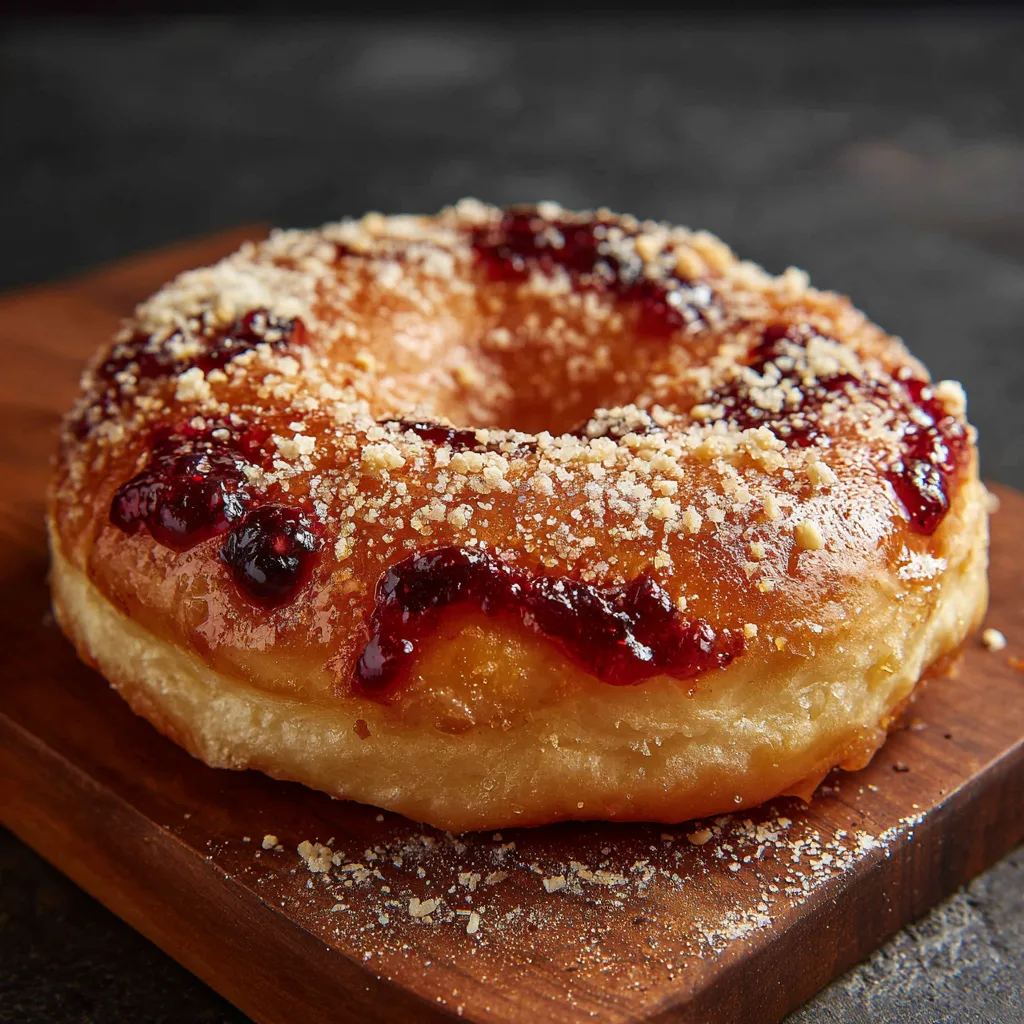
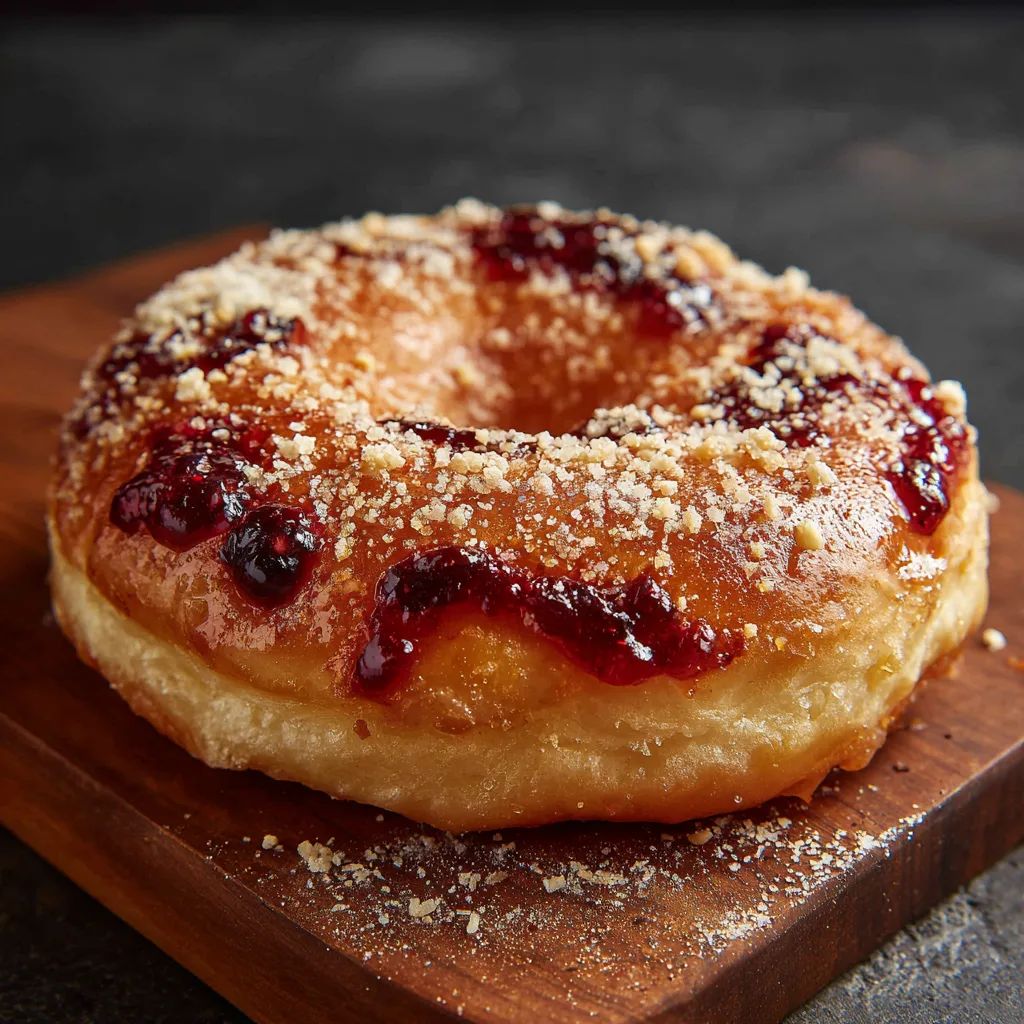
There are few aromas as comforting as the scent of freshly baking yeast bread filling a cozy home. But when you marry the light, airy texture of an Italian focaccia with the nostalgic flavors of a classic jelly donut, you create something truly extraordinary. Let me introduce you to the ultimate baking hybrid that is taking kitchens by storm: Jam Donut Focaccia. This recipe combines the rustic, dimpled surface of focaccia bread with generous pockets of fruit jam and a glossy, sweet glaze, delivering an indulgent breakfast or dessert that looks as good as it tastes. Forget complex lamination or deep frying; this baked alternative gives you all the joy of a donut in a simplified, oven-baked format.
Focaccia is traditionally known as a savory vehicle for olives, rosemary, and olive oil. However, its versatile dough and characteristic dimples make it the perfect candidate for a sweet transformation. By introducing sugar to the dough and swapping savory toppings for jam and glaze, we unlock a whole new dimension of dessert baking. This post will guide you through the art of crafting the perfect sweet focaccia dough, mastering the essential dimpling technique, and creating that iconic jam donut flavor profile that will satisfy any sweet tooth.
Understanding the Magic of Jam Donut Focaccia
The core concept of Jam Donut Focaccia lies in the contrast of textures and flavors. Traditional donuts achieve their texture through frying, resulting in a rich, somewhat dense crumb. This focaccia version relies on yeast fermentation to create an extraordinarily light and open crumb, which is then baked for a soft exterior that is far less greasy. The large pockets created by the dimpling process (known in Italy as buchi or holes) serve as perfect vessels for the jam, ensuring that every slice is burst with flavor.
The ‘jelly donut’ illusion is further completed by two critical components: the jam choice and the glaze. While any jam can work, raspberry jam or strawberry jam offers that quintessential nostalgic flavor we all remember. The glaze, poured over the warm bread, mimics the sweet coating of a bakery donut, adding the essential final touch of sweetness. The result is a hybrid dessert that honors the tradition of Italian baking while embracing the fun of an American classic.
The Role of Ingredients in Creating the Perfect Sweet Focaccia
To achieve that unique donut-like experience in a baked bread form, we must carefully select our ingredients. This isn’t just a standard savory focaccia dough topped with sugar; it’s a dedicated sweet yeast dough formulated for tenderness. Let’s break down the essential components.
Bread Flour vs. All-Purpose Flour: For the best texture, I highly recommend using bread flour. Bread flour has a higher protein content than all-purpose flour, which means it develops more gluten. Gluten is essential for trapping the carbon dioxide produced by the yeast, resulting in a strong, elastic dough that rises significantly and creates those beautiful, airy air pockets. If you only have all-purpose flour, you can still make this recipe, but the texture might be slightly softer and less chew, or ‘bready,’ than the traditional focaccia crumb.
Yeast (Active Dry vs. Instant): The yeast is the life force of your dough. I prefer active dry yeast for this recipe as it ensures a controlled, slow fermentation that develops depth of flavor. However, you must activate (or bloom) active dry yeast in warm water before using it. This confirms the yeast is healthy and ready to work. Ensure your water is the correct temperature—ideally between 105°F and 115°F. Too cold, and the yeast won’t activate; too hot, and you will kill it. A splash of sugar in the yeast water provides food for the yeast, helping it bloom quickly.
Sugar and Butter: Unlike a standard focaccia, this sweet version includes sugar in the dough itself. Sugar not only provides sweetness but also helps with the browning of the crust through the Maillard reaction. We also incorporate melted butter, which adds richness and ensures the resulting crumb is tender and soft, rather than crusty. These elements are key to the donut-like texture.
The Jam and Glaze: Choose a high-quality jam for this recipe. Seedless jams often provide a smoother mouthfeel that better mimics traditional jelly donut filling. The glaze is a simple mixture of powdered sugar and liquid (milk or water), which should be thick enough to coat but thin enough to pour and pool beautifully in the dimples around the jam.
Mastering the Technique: Dimpling and Dough Handling
The most important part of making focaccia is the characteristic dimpling. This process, known as poking the dough, isn’t just aesthetic. The deep impressions you create with your fingers serve two vital functions: first, they help inhibit an uneven, high rise in certain spots (preventing a domed bread), and second, they create those large vessels that will hold the precious jam and glaze. For this sweet version, we make the dimples particularly deep to ensure the jam is truly nestled within the bread.
When handling the dough, especially during the mixing and kneading stages, try to resist the urge to add too much flour. Focaccia is typically a high-hydration dough (it has a high proportion of water to flour), which makes it slightly sticky. This stickiness is exactly what creates the airy, holey texture we desire. Use oil on your hands and the work surface to manage the dough rather than excess flour, which would make the bread dense.
Tips for Successful Bread Making and Troubleshooting Yeast
Bread making can be intimidating, but understanding the signs of healthy dough is half the battle. If your dough is not rising, the problem is almost always your yeast or the temperature. Check the expiration date on your yeast. If it fails to foam and bubble during the activation stage (with warm water and sugar), it is dead. Toss it and start again with new yeast. Additionally, make sure your water temperature is correct; use a kitchen thermometer if you are unsure.
Another common mistake is under-proofing. After shaping the dough in the pan, it requires a second rise (or proof) before baking. This rise is crucial for developing the final texture. The dough should look visibly puffed and full of large air bubbles *before* you dimple it and add the jam. Be patient! Fermentation takes time, especially in cooler kitchens. A slightly sticky dough is also normal and necessary for that open crumb.
Ingredients for Jam Donut Focaccia
- – 3/4 cup warm water (105-115°F)
- – 1/4 cup granulated sugar, divided
- – 2 1/4 tsp (1 envelope) active dry yeast
- – 3 cups bread flour (all-purpose is acceptable, but bread flour is best)
- – 1 tsp salt
- – 1 large egg, lightly beaten
- – 1/4 cup unsalted butter, melted and cooled slightly
- – 1 tsp vanilla extract
- – 1/4 cup unsalted butter, softened, for preparing the pan
- – 1/2 cup raspberry or strawberry jam (seedless preferred)
- – 1 cup powdered sugar (for the glaze)
- – 2-3 tbsp milk or water (for the glaze)
- – 1/2 tsp vanilla extract (for the glaze)
Step-by-Step Instructions
- Activate the Yeast: In a small bowl, combine the warm water, 1 tablespoon of the granulated sugar, and the active dry yeast. Give it a gentle stir and let it sit undisturbed for 5-10 minutes, or until the mixture becomes foamy and frothy. This indicates that your yeast is alive and ready to use.
- Mix the Dough: In the large bowl of a stand mixer fitted with the dough hook attachment, whisk together the bread flour, salt, and the remaining granulated sugar. Add the activated yeast mixture, the beaten egg, the melted and cooled butter, and the vanilla extract.
- Knead the Dough: Turn the mixer to low speed and mix until a cohesive dough forms. Increase the speed slightly to medium-low and continue to knead for about 5-7 minutes. The dough should become smooth, elastic, and slightly tacky (sticky to the touch), but it should still pull away mostly clean from the sides of the bowl. If you are kneading by hand, turn the dough onto a lightly oiled surface and knead for 10 minutes until smooth.
- First Rise: Transfer the kneaded dough to a lightly oiled bowl. Cover the bowl tightly with plastic wrap or a clean kitchen towel. Place the bowl in a warm, draft-free spot (like a slightly warmed oven with the door propped open or on top of a refrigerator) and let it rise for 1 to 1.5 hours, or until the dough has doubled in size.
- Shape the Focaccia: Grease a 9×13 inch baking pan generously with the softened butter. Gently punch down the risen dough and turn it out into the prepared pan. Using lightly oiled hands, gently stretch and press the dough to fill the shape of the pan. It may not stretch perfectly at first; if it resists, let it rest for 10 minutes to relax the gluten, then try stretching it again.
- Second Proof: Cover the pan loosely and let the shaped dough rise again in a warm spot for another 45-60 minutes, or until visibly puffed and full of air bubbles. Preheat your oven to 400°F (200°C) during this final rise.
- Dimple and Jam: This is the crucial step! Dimple the dough by pressing your oiled fingers deeply and straight down into the puffed dough at regular intervals across the entire surface. You want these wells to be deep. Drop generous dollops of the raspberry or strawberry jam into each dimple.
- Bake the Focaccia: Place the jam-topped focaccia in the preheated oven. Bake for 20-25 minutes, or until the surface of the bread is golden brown and the jam is bubbling within the wells. The bread should sound hollow when tapped lightly on the edge.
- Prepare the Glaze: While the focaccia is baking, prepare the sweet glaze. In a small bowl, whisk together the powdered sugar, milk (or water), and vanilla extract until smooth. The glaze should be fluid but thick enough to pool; adjust the consistency by adding more liquid or powdered sugar as needed.
- Glaze and Serve: Once the focaccia is baked, remove it from the oven and let it cool for about 10 minutes in the pan. Carefully lift the bread from the pan (a metal cooling rack works perfectly as shown in our inspiration image) and place it on a cooling rack or serving board. Drizzle the glaze generously over the warm bread, allowing it to pool in the dimples around the jam. Serve warm for the ultimate jam donut experience.
Jam Donut Focaccia
Ingredients
Equipment
Method
- Combine warm water, 1 tbsp granulated sugar, and active dry yeast. Let sit for 5-10 minutes until foamy.
- In a stand mixer, mix bread flour, salt, and remaining sugar. Add yeast mixture, beaten egg, melted butter, and vanilla extract. Knead for 5-7 minutes until smooth and elastic (the dough will be tacky).
- Place in an oiled bowl, cover, and let rise in a warm spot for 1 to 1.5 hours until doubled.
- Grease a 9×13 pan generously with softened butter. Gently stretch dough to fit the pan. Let rest if it resists.
- Cover and let rise for another 45-60 minutes until puffed. Preheat oven to 400°F (200°C).
- Dimple the dough deeply with oiled fingers. Fill each well generously with raspberry jam.
- Bake for 20-25 minutes until golden brown.
- While baking, whisk powdered sugar, milk, and vanilla extract to make a fluid glaze.
- Let focaccia cool for 10 minutes, remove from pan to a rack, and pour glaze generously over the warm bread. Serve immediately.
Notes
How to Serve, Store, and Enjoy Your Jam Donut Focaccia
The ultimate sensory experience comes from serving Jam Donut Focaccia while it is still warm, just after glazing. The glaze is at its most liquid state, and the jam is warm and soft, creating that immediate mouth-watering sensation. This baked treat is the star of any brunch table, pairs beautifully with a cup of coffee or tea, or serves as a simple yet impressive dessert. It also makes for a wonderful viral recipe contribution to your social media feed!
Because this bread relies on fresh yeast fermentation, it is best enjoyed on the day it is baked. However, if you find yourself with leftovers, store them in an airtight container at room temperature. For longer storage, you can refrigerate it, but be aware that refrigeration can often dry out yeasted breads. To serve, gently reheat individual slices in a microwave for 10-15 seconds to soften the crumb and warm the glaze. Do not freeze the fully glazed bread, as the glaze texture will be negatively affected upon thawing. However, you can freeze unglazed baked slices and glaze them fresh after reheating.
Creative Variations to Customize Your Dessert Focaccia
While the classic raspberry jam and powdered sugar glaze combination is a proven winner, this recipe is incredibly versatile. Here are some fun ways to customize your Jam Donut Focaccia to suit different tastes or utilize ingredients you have on hand.
Cinnamon Sugar Focaccia: For a twist on the cinnamon donut, skip the glaze. After baking the bread but before it cools, brush the entire surface with melted butter and sprinkle generously with a mixture of granulated sugar and ground cinnamon. The butter allows the sugar to adhere, creating a beautiful sweet and crunchy top layer.
Different Jam Flavors: Experiment with your favorite fruit spreads! Blueberry jam, strawberry preserves, lemon curd (for a tart, lemon-donut style), or even orange marmalade are excellent choices. Seedless varieties generally provide the smootsh mouthfeel, but preserves with chunks of fruit add another layer of texture.
Chocolate Lovers Focaccia: For a decadent variation, swap the jam dollops for high-quality chocolate chips or chunks. As the bread bakes, the chocolate will melt into the dimples. Instead of a milk glaze, drizzle the baked bread with a rich chocolate ganache (melted chocolate and heavy cream).
Adding Nuts: For a bit of crunch and a nod to maple donuts, add chopped pecans or walnuts to the dough before kneading. A maple glaze (made with powdered sugar and maple syrup) would complement this variation perfectly.
The Final Polish: To truly maximize the visual impact and make the bread ‘drool-worthy,’ apply the glaze when the bread is still slightly warm. This allows the glaze to flow smoothly into the dimples around the jam, creating that ultra-shiny, liquid glass effect that looks so appetizing in amateur food photography.
A Final Note on This Sweet Baking Trend
The rising popularity of hybrid desserts like Jam Donut Focaccia highlights our shared love for simple, comforting flavors reimagined in new ways. This recipe isn’t about professional studio photography or complex pastry arts; it’s about the pure joy of homemade baking. By following these steps, you are not just making a sweet bread; you are creating a center piece for shared meals and memories. Whether you are a seasoned baker or this is your first attempt at working with yeast, I hope you find as much satisfaction in the process as you do in the delicious results. So preheat your oven, bloom that yeast, and prepare to enjoy the ultimate sweet break with this viral dessert phenomenon.