Fluffy Cinnamon Rolls
🥐 The Magic of Homemade Pastry: A Sensational Experience
There is perhaps no aroma in the culinary world as universally comforting and intoxicating as the smell of fresh cinnamon rolls baking in the oven. The warm, spicy scent of cinnamon mingling with the rich, caramelized notes of melting brown sugar and the distinct, yeasty fragrance of rising dough creates an atmosphere of pure home-baked bliss. For generations, the cinnamon roll has stood as the undisputed king of breakfast pastries, a decadent treat that transforms ordinary mornings into celebratory occasions. But while picking up a tin of pre-made dough at the grocery store might offer convenience, it completely lacks the soul, the texture, and the mind-blowing flavor of a batch made entirely from scratch. This recipe is dedicated to the ultimate, gooey, impossibly fluffy cinnamon roll—the kind that makes you close your eyes in sheer delight with every single bite.
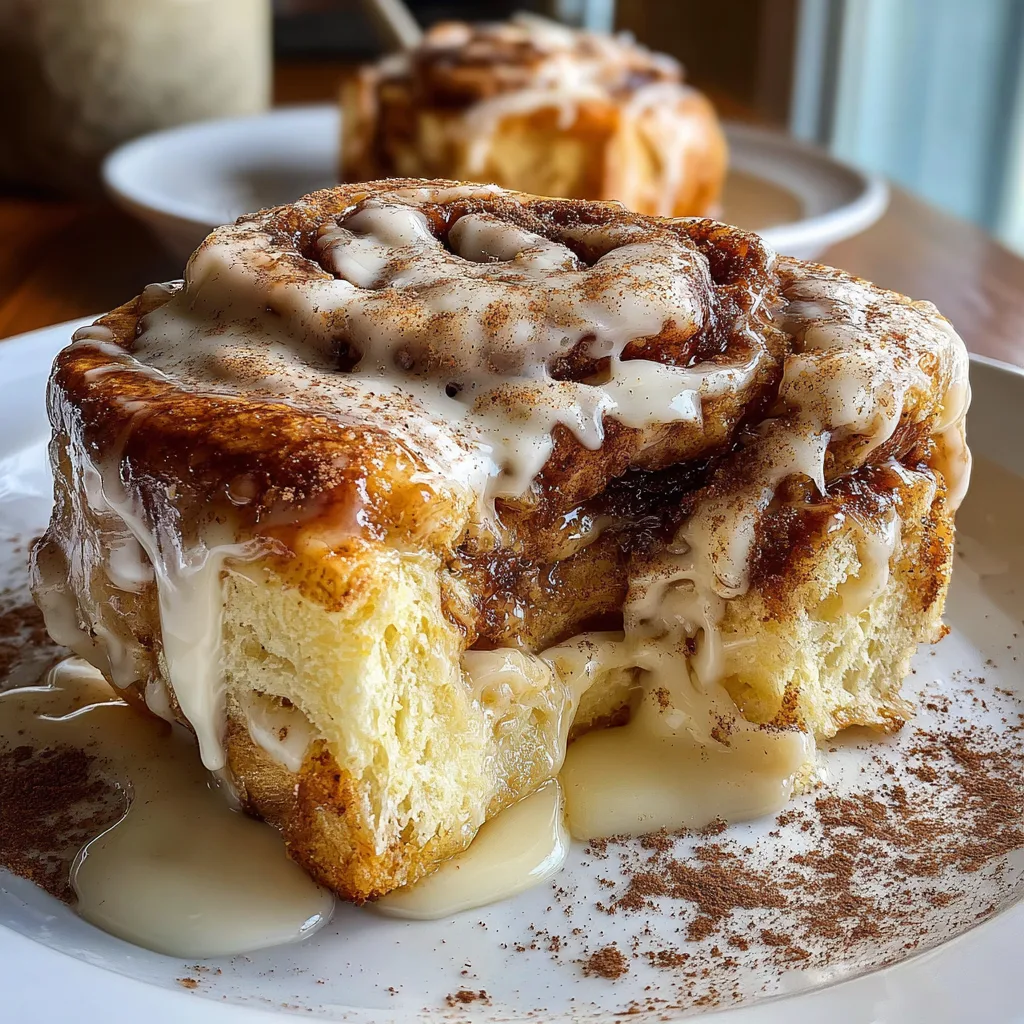
Creating the perfect cinnamon roll is both an art and a science. It requires patience, love, and a fundamental understanding of how simple ingredients like flour, yeast, butter, and sugar interact to form a masterpiece. What sets these specific cinnamon rolls apart from the rest is their texture. Look at the photograph above: the dough is not dense or heavy; it is pillowy, shreddable, and light as air. The layers yield effortlessly to the touch, and the center is a molten core of cinnamon-sugar goodness. Achieving this level of bakery-quality perfection in your own kitchen is entirely possible, and it does not require a degree in pastry arts. It simply requires following a few fundamental techniques and respecting the process of dough development. By the time you pull these golden beauties from the oven and smother them in rich cream cheese icing, you will realize that the effort was worth its weight in gold.
Whether you are preparing a festive holiday breakfast, hosting a weekend brunch for friends, or simply treating your family to a slow, cozy Sunday morning, these cinnamon rolls are guaranteed to be the star of the show. They represent comfort food at its absolute finest—a warm hug in the form of a pastry. Let us dive deep into the components that make this recipe an absolute triumph, from the yeast-leavened dough to the crown jewel of frosting.
🌾 The Secret to Pillowy, Soft Dough Every Time
The foundation of any spectacular cinnamon roll is the dough. If the dough is dry, tough, or over-baked, no amount of frosting can save it. To achieve that dreamy, cloud-like texture, we rely on what bakers call an “enriched dough.” Unlike lean doughs used for crusty baguettes—which consist mainly of flour, water, yeast, and salt—an enriched dough contains added fats and dairy. The inclusion of whole milk, softened butter, and eggs tenderizes the gluten strands, resulting in a soft, rich, and supple crumb that practically melts in your mouth.
The first critical step in building this dough is activating the yeast. Whether you use active dry yeast or instant yeast, temperature is everything. Your milk should be warm—ideally between 105°F and 110°F (40°C-43°C). If the milk is too cold, the yeast will not wake up, and your dough will not rise. If the milk is too hot, it will kill the yeast, leading to the same flat, dense result. Think of the milk as bathwater for a baby; it should be pleasantly warm to the touch, never scalding. Adding a pinch of sugar to the warm milk gives the yeast a quick food source, creating a bubbly, frothy mixture that indicates your yeast is alive and ready to work its magic.
Kneading the dough is the next vital phase. As you mix the flour into the wet ingredients, gluten proteins begin to link together, forming a web that will trap the carbon dioxide gases produced by the yeast. This is what causes the dough to rise and become airy. However, because this is an enriched dough, it can be slightly sticky. The temptation for many novice bakers is to keep adding flour until the dough no longer sticks to their hands. Resist this urge! Adding too much flour is the number one reason homemade cinnamon rolls turn out dry and brick-like. The dough should be tacky but manageable. Using a stand mixer with a dough hook is incredibly helpful here, allowing you to knead the dough until it is smooth and elastic without the need for excess dusting flour. When you poke the dough gently with your finger, it should spring back slowly, signaling that the gluten is perfectly developed.
🤎 Mastering the Rich, Gooey Cinnamon Filling
Once your dough has risen to double its size—a magical transformation that requires nothing but time and a warm environment—it is time to introduce the flavor core: the cinnamon-sugar filling. A great cinnamon roll must have distinct, gorgeous spirals of dark, sticky filling running through every layer. To achieve this, you must first roll your dough out into an even rectangle. An even thickness ensures that every roll bakes at the same rate and contains a proportionate amount of filling.
The base of the filling is butter, but the state of the butter is highly debated among bakers. Should it be melted and brushed on, or softened and spread? For the gooiest, most luxurious rolls, room-temperature softened butter is the superior choice. When you spread a generous layer of ultra-soft butter over the dough, it acts as a glue for the sugar and spices. Melted butter, on the other hand, often leaks out of the rolls before they even hit the oven, resulting in dry pastries and a puddle of grease at the bottom of the pan.
Next comes the sugar and spice. Dark brown sugar is vastly preferred over light brown or granulated sugar for this task. Dark brown sugar contains more molasses, which provides a deeper, almost caramel-like flavor and contributes significantly to the sticky, gooey texture of the melted filling. As for the cinnamon, do not hold back. Use a high-quality, fresh ground cinnamon—Saigon or Cassia cinnamon varieties are excellent choices as they pack a potent, spicy punch that balances the intense sweetness of the sugar and frosting. Once the filling is evenly distributed, rolling the dough tightly is crucial. A tight roll ensures you get plenty of mesmerizing spirals in your finished pastry. To cut the dough into individual rolls without squishing them, bypass the knife entirely and use a piece of unflavored dental floss or a clean thread. Slide the floss under the log, cross it over the top, and pull tightly in opposite directions to cleanly shear through the dough, preserving its perfect, round shape.
🥛 The Crowning Glory: Decadent Cream Cheese Icing
A cinnamon roll without icing is just a sweet bread roll. The frosting is what elevates the pastry to dessert status. While a simple powdered sugar and milk glaze is acceptable, a rich, tangy cream cheese icing is what transforms an ordinary cinnamon roll into an extraordinary, bakery-level masterpiece. The beauty of cream cheese icing lies in its perfect balance of flavors. The tanginess of the cream cheese cuts straight through the heavy sweetness of the brown sugar filling and the powdered sugar, ensuring the overall treat is not cloyingly sweet.
To make the ultimate cream cheese icing, temperature plays a vital role once again. Both your butter and your cream cheese must be at absolute room temperature. If they are even slightly cold, they will not emulsify properly, and your frosting will be lumpy and unappealing. Beat the butter and cream cheese together until completely smooth and cohesive before introducing the powdered sugar. A splash of heavy cream or milk will thin it to the perfect consistency, and a generous splash of pure vanilla extract will add depth and aromatic sweetness.
The timing of the icing application is a hotly contested topic. For the experience pictured in the image—where the icing melts into all the nooks and crannies of the roll while still leaving a luscious, thick layer on top—a two-step approach is recommended. The moment the pan comes out of the oven, take about one-third of your icing and spread it over the piping hot rolls. This initial layer will melt completely, seeping down into the spirals and making the dough incredibly moist. Then, let the rolls cool for about 10 to 15 minutes before slathering on the remaining icing. This allows the second layer to soften beautifully without melting away completely, giving you that iconic, thick, white frosty crown.
🔪 Ingredients
Dough:
- – 1 cup whole milk, warm (110°F/43°C)
- – 1 packet (2 1/4 tsp) instant yeast
- – 1/2 cup granulated sugar, divided
- – 1/2 cup unsalted butter, melted and slightly cooled
- – 2 large eggs, room temperature
- – 1 tsp salt
- – 4 to 4 1/2 cups all-purpose flour (or bread flour for extra chew)
Filling:
- – 1/2 cup unsalted butter, very soft (room temperature)
- – 1 cup dark brown sugar, packed
- – 2 1/2 tbsp ground cinnamon
Cream Cheese Icing:
- – 6 oz full-fat cream cheese, softened to room temperature
- – 1/4 cup unsalted butter, softened to room temperature
- – 1 1/2 cups powdered sugar
- – 1 tsp pure vanilla extract
- – 1-2 tbsp milk or heavy cream (if needed for consistency)
📝 Instructions
Ultimate Gooey Cinnamon Rolls
Ingredients
Equipment
Method
- Whisk warm milk, yeast, and 1 tbsp granulated sugar. Let sit 5-10 minutes until frothy.
- Add melted butter, eggs, remaining granulated sugar, and salt. Whisk to combine.
- Using a dough hook, gradually add flour. Knead 5-7 minutes until dough is smooth and slightly tacky.
- Transfer to a greased bowl, cover, and let rise in a warm place for 1 to 1.5 hours until doubled in size.
- Punch dough down, roll out into a 12×18-inch rectangle on a lightly floured surface.
- Spread softened butter evenly over dough. Mix brown sugar and cinnamon, and sprinkle evenly over butter, pressing gently.
- Roll dough tightly into a log. Use dental floss to cut into 12 slices.
- Place rolls in a greased 9×13 dish. Cover and let rise for 30-45 minutes.
- Preheat oven to 350°F (175°C). Bake rolls for 20-25 minutes until golden.
- Beat softened cream cheese and butter. Mix in powdered sugar and vanilla until fluffy.
- Spread a bit of icing over hot rolls to melt in, then spread remaining icing after 10 minutes. Serve warm.
Notes
- In the bowl of a stand mixer, whisk together the warm milk, instant yeast, and 1 tablespoon of the granulated sugar. Let it sit for 5-10 minutes until frothy.
- Add the melted butter, eggs, the remaining granulated sugar, and salt to the yeast mixture. Whisk gently to combine.
- Attach the dough hook. Gradually add 4 cups of flour to the wet ingredients, mixing on low speed until a dough forms. If the dough is overly wet and sticks heavily to the sides of the bowl, add the remaining 1/2 cup of flour. Knead on medium speed for 5-7 minutes until the dough is smooth, elastic, and slightly tacky to the touch.
- Transfer the dough to a lightly greased bowl, cover it with a warm, damp towel or plastic wrap, and let it rise in a warm, draft-free place for 1 to 1.5 hours, or until doubled in size.
- Punch down the risen dough and turn it out onto a lightly floured surface. Using a rolling pin, roll the dough out into a 12×18-inch rectangle.
- Spread the softened butter evenly over the surface of the dough rectangle, leaving a tiny border around the edges.
- In a small bowl, mix the dark brown sugar and cinnamon. Sprinkle this mixture evenly over the buttered dough, pressing it down slightly with your hands so it adheres to the butter.
- Starting from the long side, tightly roll the dough up into a log. Position the seam side down.
- Using unflavored dental floss or a sharp serrated knife, cut the log into 12 equal slices. Place the rolls into a greased 9×13-inch baking dish.
- Cover the baking dish and let the rolls rise for a second time for 30-45 minutes, until they are puffed up and touching each other.
- Preheat your oven to 350°F (175°C). Bake the rolls for 20-25 minutes, or until they are golden brown on top and cooked through the center.
- While the rolls bake, prepare the icing. Beat the softened cream cheese and butter together until smooth. Add the powdered sugar and vanilla, beating until creamy and fluffy. Add a little milk if it is too thick.
- Remove the rolls from the oven. Spread a small amount of the icing over the hot rolls immediately so it melts into the spirals. Let them cool for 10 minutes, then generously spread the remaining icing over the top. Serve warm and enjoy!
⏰ Overnight Make-Ahead Magic and Storage Tips
One of the few drawbacks of making homemade cinnamon rolls is the time commitment required in the morning. Waking up three hours early just to ensure hot pastries for breakfast is a daunting task for most. Fortunately, yeast dough is incredibly forgiving and actually benefits from a cold, slow fermentation. If you want to serve fresh rolls in the morning without the pre-dawn wake-up call, the overnight method is your best friend.
To do this, follow the recipe exactly up to the point where you cut the rolls and place them in the baking dish. Instead of letting them rise for the second time on the counter, immediately cover the dish tightly with plastic wrap and place it in the refrigerator overnight (up to 14 hours). The cold environment slows down the yeast activity, allowing the dough to rise very slowly while simultaneously developing a deeper, more complex flavor profile. The next morning, take the dish out of the fridge and leave it on the counter for 1 to 2 hours. The rolls need time to come back to room temperature and finish puffing up before baking. Once they look puffy and have filled the pan, bake them as directed.
If you end up with leftovers, storage is simple. Keep the frosted rolls in an airtight container at room temperature for up to two days, or in the refrigerator for up to a week. Because the enriched dough will firm up as it cools, you must reheat leftover cinnamon rolls to restore their original glorious texture. A quick 15-20 second trip to the microwave will soften the butter and sugars in the dough, melting the frosting just enough to make the pastry taste like it just came out of the oven.
🌟 Conclusion: A Breakfast Tradition Worth Baking
Baking the ultimate pan of fluffy, gooey cinnamon rolls is a labor of love that pays off in ways that words can scarcely describe. From the therapeutic process of kneading the dough to the mouth-watering aroma that fills your home, every step is an experience to be savored. By using room-temperature ingredients, allowing the dough the time it needs to develop, and smothering the final product in a tangy cream cheese icing, you elevate a simple breakfast pastry into a culinary triumph. Do not let the fear of working with yeast deter you from creating this masterpiece. The process is straightforward, and the results are consistently spectacular. Whether you enjoy them with a steaming cup of dark coffee, a cold glass of milk, or as a decadent midnight snack, these cinnamon rolls are guaranteed to bring warmth, joy, and profound satisfaction to your table. So tie on your apron, dust your counter with flour, and get ready to bake what will undoubtedly become your most requested homemade recipe!