The Ultimate Potsticker Noodle Bowls: All the Flavor, Zero Folding
There is an undeniable, universal appeal to a perfectly cooked potsticker. The contrast between the crispy, pan-fried bottom and the tender, steamed wrapper, giving way to a juicy, fiercely savory filling, is culinary perfection. Paired with a tangy, salty, and slightly spicy dipping sauce, it is a flavor profile that is endlessly craveable. However, creating traditional dumplings from scratch is a labor of love. It requires making dough, preparing the filling, and spending an hour or more meticulously pleating and folding dozens of individual dumplings. While a beautiful weekend project, it is rarely feasible for a busy Tuesday night. Enter the brilliant, time-saving revelation: The Potsticker Noodle Bowl.
This genius recipe takes every single flavor element you love about a classic pork dumpling and deconstructs it into a comforting, slurpy, and wildly satisfying noodle bowl. It is a one-pan wonder that captures the essence of a potsticker in a fraction of the time. You get the savory richness of browned ground meat, the sharp, aromatic punch of fresh ginger and garlic, the crunch of fresh scallions, and a glossy, umami-bomb sauce that perfectly mimics the ultimate dumpling dipping sauce. Tossed with chewy, wavy noodles, it is a meal that tastes like it took hours but goes from the cutting board to your dining table in under twenty-five minutes.
Why You Need This Recipe in Your Weeknight Arsenal
If you are constantly on the hunt for recipes that deliver maximum flavor with minimal effort, the Potsticker Noodle Bowl is about to become your new best friend. Here is why this dish deserves a permanent spot in your weekly meal rotation:
Unbeatable Speed: In the time it takes you to boil a pot of water and cook your noodles, the savory meat sauce is already done. There is no complicated prep work, no rolling, and absolutely no folding. It is the ultimate fast food, made entirely from scratch in your own kitchen.
Incredibly Budget-Friendly: Ground meat is one of the most economical proteins available, and noodles are a staple pantry item. This recipe stretches a single pound of meat to feed a whole family, relying on inexpensive aromatics and pantry staples to build a complex, restaurant-quality flavor profile without breaking the bank.
High Comfort Factor: There is something inherently soothing about a warm bowl of noodles coated in a savory, salty, slightly sweet sauce. It is comfort food at its finest, guaranteed to satisfy deep savory cravings and warm you up from the inside out.
Kid and Family Approved: While you can easily customize the heat level, the base flavors of soy sauce, toasted sesame, and mild pork are incredibly family-friendly. It is a fantastic way to introduce authentic Asian flavor profiles to picky eaters in a familiar, accessible format.
The Anatomy of a Deconstructed Dumpling
To recreate the magic of a potsticker without the wrapper, we have to rely heavily on the quality and balance of our ingredients. Every component plays a vital role in building that signature flavor.
- The Protein (Ground Pork): Traditional potstickers usually rely on ground pork because of its perfect fat-to-meat ratio, which keeps the filling juicy. In this bowl, the pork fat renders out and mixes with the sauce, creating a rich, velvety coating for the noodles. If you prefer, ground chicken or ground turkey are excellent substitutions, though you may need to add a splash more oil to the pan to compensate for their leanness.
- The Aromatics (Ginger and Garlic): These are non-negotiable. Do not use powdered ginger or garlic powder for this recipe; they lack the necessary bite and freshness. Freshly minced garlic and freshly grated ginger root are the aromatic backbone of the dish, providing a sharp, bright contrast to the rich meat.
- The Scallions (Green Onions): Scallions provide a mild onion flavor and crucial textural crunch. We separate the white parts (which are sautéed with the meat to build the flavor base) from the green parts (which are used as a fresh, vibrant garnish at the end).
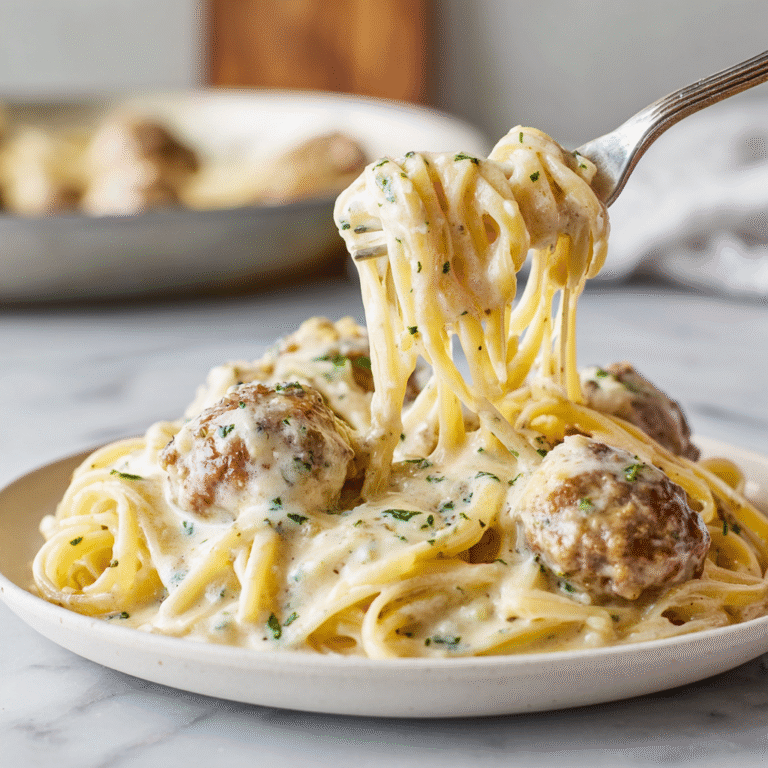
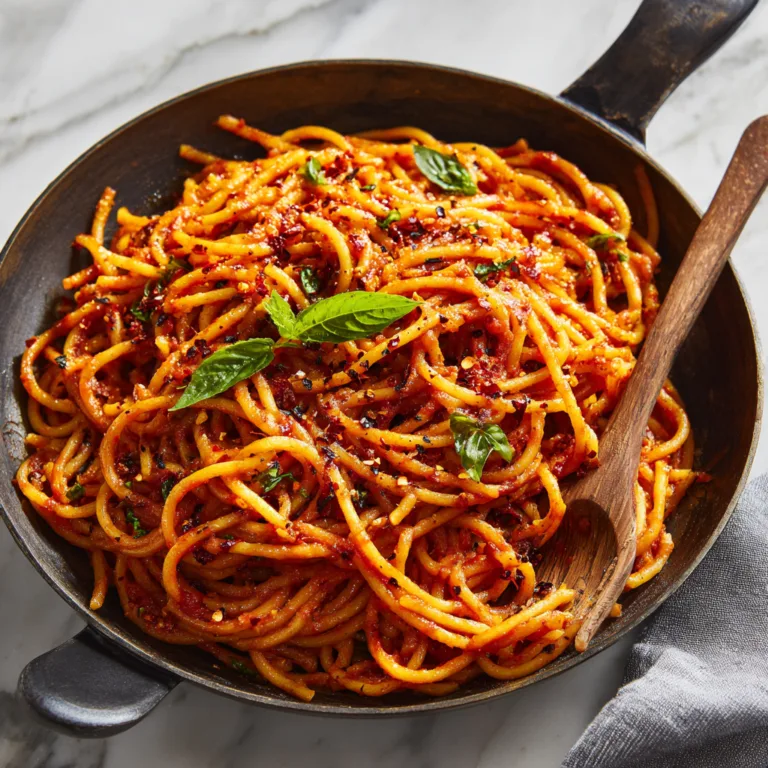
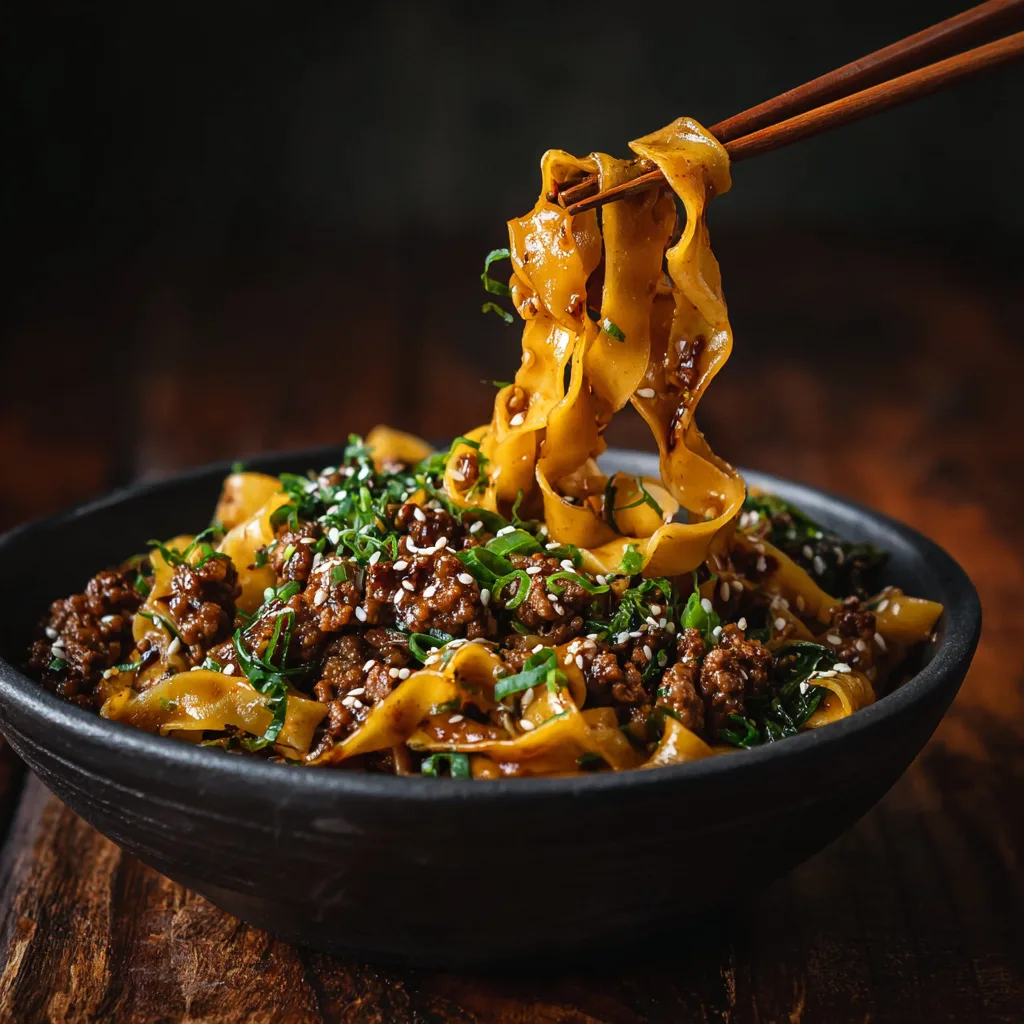
- The “Wrapper” (The Noodles): The photograph showcases wide, wavy noodles, which are ideal. You want a noodle with a lot of surface area and a good, chewy bite to hold up to the heavy meat sauce. Taiwanese knife-cut noodles (Guanmiao), wide egg noodles, udon, or even a robust ramen noodle work beautifully. In a pinch, linguine or fettuccine can be substituted.
- The “Dipping” Sauce: This is where the magic happens. We create a sauce that acts as both the seasoning for the meat and the dressing for the noodles. It requires a balance of salty (soy sauce), tangy (rice vinegar), nutty (toasted sesame oil), sweet (a touch of brown sugar or honey), and spicy (chili oil or sriracha).
Step-by-Step Instructions: Mastering the Bowl
Creating this dish is a fast-paced exercise in stir-frying. Having all your ingredients prepped and ready to go (mise en place) before you turn on the stove is the key to a stress-free cooking experience.
- Prepare the Sauce: In a small bowl or liquid measuring cup, whisk together the soy sauce, rice vinegar, toasted sesame oil, brown sugar (or honey), chili oil, and a splash of water or chicken broth. Stir until the sugar is completely dissolved. Set this liquid gold aside.
- Boil the Water: Bring a large pot of salted water to a rolling boil. This will be for your noodles. Because the meat cooks so quickly, you want the water ready to go.
- Prep the Aromatics: Mince your garlic, grate your fresh ginger, and thinly slice your scallions, keeping the white/light green parts separate from the dark green tops.
- Brown the Meat: Heat a large, heavy-bottomed skillet or wok over medium-high heat. Add a tiny splash of neutral cooking oil (like canola or avocado oil). Add the ground pork. Break it up with a wooden spoon, but then leave it alone for a few minutes. You want the pork to develop a deep, dark brown crust on the bottom before you stir it again. This caramelized crust mimics the crispy bottom of a pan-fried potsticker and adds immense flavor (the Maillard reaction).
- Cook the Noodles: While the meat is browning, drop your chosen noodles into the boiling water and cook according to the package directions until al dente. Drain them well, but reserve about 1/4 cup of the starchy noodle cooking water.
- Aromatize the Pork: Once the pork is deeply browned and cooked through, add the minced garlic, grated ginger, and the white/light green parts of the scallions to the skillet. Sauté for exactly one minute, stirring constantly, just until the aromatics are incredibly fragrant. Do not let the garlic burn, or the dish will turn bitter.
- Deglaze and Simmer: Pour your prepared sauce mixture into the skillet with the pork. The liquid will immediately bubble and lift any delicious browned bits off the bottom of the pan. Let the mixture simmer rapidly for 2 to 3 minutes until the sauce reduces slightly and thickens into a glossy glaze that coats the meat.
- Bring It All Together: Add the drained noodles directly into the skillet with the meaty sauce. Toss vigorously using tongs, ensuring every single noodle is beautifully coated in the dark sauce. If the mixture seems a little dry or sticky, add a splash of the reserved starchy noodle water to loosen it up and create a silky texture.
- Garnish and Serve: Remove the skillet from the heat. Toss in the reserved dark green scallion tops. Divide the noodles evenly into deep bowls and garnish generously with toasted white sesame seeds and an extra drizzle of chili oil if you like it hot. Serve immediately!
Potsticker Noodle Bowls
Ingredients
Equipment
Method
- Bring a large pot of salted water to a boil. In a small bowl, whisk together the soy sauce, rice vinegar, toasted sesame oil, brown sugar, chili oil, and water. Set aside.
- Heat the cooking oil in a large skillet or wok over medium-high heat. Add the ground pork. Break it apart slightly, then let it sit undisturbed for 3-4 minutes to develop a dark, caramelized crust. Continue to cook until fully browned and cooked through.
- While the pork is cooking, drop your noodles into the boiling water and cook according to package directions. Drain, reserving 1/4 cup of the starchy noodle water.
- Once the pork is browned, add the minced garlic, grated ginger, and the white/light green parts of the sliced scallions to the skillet. Sauté for 1 minute until highly fragrant.
- Pour the prepared sauce mixture into the skillet. Simmer for 2-3 minutes until the sauce slightly thickens and coats the meat.
- Add the drained noodles to the skillet. Toss well to combine, ensuring the noodles are evenly coated in the meat and sauce. If the mixture is too dry, add a splash of the reserved noodle water.
- Remove from heat. Toss in half of the remaining dark green scallions. Divide into bowls and garnish with the rest of the scallions and white sesame seeds. Serve immediately.
Notes
Pro Tips for Maximum Umami Flavor
Elevate your noodle bowls from good to restaurant-tier with these simple culinary secrets:
Don’t Rush the Sear: The biggest mistake home cooks make with ground meat is constantly stirring it, which causes it to steam in its own juices rather than brown. To get that crucial potsticker flavor, let the meat sit undisturbed in the hot pan until a dark crust forms. Only then should you break it apart further.
The Starchy Water Trick: Never pour all your pasta water down the drain! That cloudy, starchy water is a culinary binder. Adding a splash of it to your final dish helps emulsify the fat from the pork and the soy sauce, creating a thick, clinging sauce that adheres beautifully to the noodles rather than pooling waterily at the bottom of the bowl.
Toasted vs. Regular Sesame Oil: Ensure you are using toasted sesame oil in the sauce. Regular sesame oil is for cooking; toasted sesame oil is a finishing oil with a deep, nutty, roasted flavor that is absolutely essential to the authentic taste of Asian cuisine.
Delicious Variations and Customizations
The beauty of a “bowl” meal is its inherent flexibility. You can easily adapt this recipe to clear out your crisper drawer or accommodate different dietary needs.
Add Greens (The “Cabbage” Element): Traditional potstickers often contain finely minced Napa cabbage or bok choy. To sneak some vegetables into this bowl, add two cups of shredded cabbage, baby spinach, or thinly sliced bok choy to the skillet during the last two minutes of cooking the meat. The greens will wilt down perfectly into the sauce.
Make it Vegan: Swap the ground pork for a plant-based ground meat alternative, or use crumbled firm tofu. If using tofu, press it well to remove excess water, crumble it, and pan-fry it until crispy before adding the aromatics. Ensure your chili sauce and other condiments are certified vegan.
Mushroom Magic: For an earthy, umami-rich twist, finely chop a cup of shiitake or cremini mushrooms and sauté them along with the ground pork. Mushrooms act like little sponges, soaking up the flavorful sauce and adding a wonderful, meaty texture.
The Egg Roll in a Bowl Twist: If you want to skip the heavy carbohydrates altogether, omit the noodles entirely! Instead, serve the intensely flavored meat and sauce mixture over a large bed of steamed rice cauliflower or a warm, stir-fried cabbage slaw.
Serving Suggestions and Pairings
These Potsticker Noodle Bowls are incredibly rich and savory, so pairing them with something bright, crisp, and acidic will create a perfectly balanced meal.
Start with a simple, refreshing cucumber salad. Thinly slice English cucumbers and toss them with rice vinegar, a pinch of sugar, salt, and red pepper flakes. The cold, sharp crunch of the cucumbers cuts right through the richness of the pork.
A side of steamed edamame sprinkled with flaky sea salt is a classic, healthy appetizer that takes mere minutes to prepare. Alternatively, some quick blistered shishito peppers or garlicky sautéed green beans make fantastic vegetable side dishes.
Storage and Reheating Advice
This recipe makes fantastic leftovers, often tasting even better the next day as the garlic, ginger, and soy flavors have more time to meld together.
Store any leftover noodles in an airtight container in the refrigerator for up to 4 days. Because the noodles will continue to absorb the sauce as they sit, they may seem a bit dry when you pull them out of the fridge.
To reheat, the best method is stovetop. Place the noodles in a skillet over medium-low heat. Add a splash of water or chicken broth to help loosen the sauce and bring it back to its original glossy consistency. Toss gently until warmed through. You can also microwave them in 30-second bursts, stirring in between, but the stovetop method yields a much better texture.
Say goodbye to the tedious folding and hello to your new favorite weeknight dinner. The Potsticker Noodle Bowl delivers everything you love about your favorite dumplings in a fast, furious, and incredibly flavorful package. Grab your chopsticks and dig in!