Authentic Colombian Coconut Limeade
When the temperature rises and you find yourself craving a beverage that transports you to a tropical paradise, there is nothing quite like Colombian Coconut Limeade, locally known as Limonada de Coco. This rich, creamy, and vibrantly tart drink is a staple on the Caribbean coast of Colombia, particularly in vibrant cities like Cartagena. It perfectly balances the sharp, zesty punch of fresh limes with the smooth, luxurious sweetness of coconut milk and condensed milk. If you have never experienced the magic of this frosty beverage, you are in for a spectacular culinary treat.
In this comprehensive guide, we will dive deep into the origins of Limonada de Coco, explore the science of blending citrus with creamy bases, provide a foolproof step-by-step recipe, and share expert tips to ensure your homemade version rivals the best beachside cafes in South America. Whether you are hosting a summer barbecue, looking for a unique mocktail, or simply treating yourself on a warm afternoon, this Colombian Coconut Limeade will become your new go-to recipe.
What is Limonada de Coco? A Taste of the Colombian Coast
To truly appreciate Limonada de Coco, it helps to understand where it comes from. Colombia is a country of incredible geographic diversity, boasting the Andes mountains, the Amazon rainforest, and coastlines on both the Pacific Ocean and the Caribbean Sea. The Caribbean coast, known for its sweltering heat and vibrant Afro-Colombian culture, relies heavily on tropical fruits and coconut in its regional cuisine.
Limonada de Coco is a ubiquitous refreshment along this coast. Walk down the colorful, colonial streets of Cartagena or relax on the white sands of Santa Marta, and you will undoubtedly encounter vendors and cafes blending up fresh batches of this icy drink. It is served alongside hearty seafood dishes, fried plantains (patacones), and savory empanadas, acting as the perfect cooling counterbalance to the rich and savory local fare.
Unlike traditional American lemonade, which relies on a simple syrup and water base, Limonada de Coco is inherently creamy. It is closer to a frappe or a tropical smoothie in texture, blending rich coconut milk with ice until it becomes incredibly frothy. The addition of sweetened condensed milk—a beloved ingredient in many Latin American desserts—provides a velvety sweetness that mellows the harsh acidity of the limes.
Why You Will Fall in Love with This Recipe
There are countless reasons to add this Colombian Coconut Limeade to your recipe repertoire. First and foremost is the unmatched flavor profile. The tartness of the lime juice cuts directly through the richness of the coconut milk, preventing the drink from feeling heavy or cloying. The sweetened condensed milk adds a depth of flavor and a silky mouthfeel that granulated sugar simply cannot replicate.
Secondly, it is incredibly easy to make. With only five simple ingredients—fresh lime juice, canned coconut milk, sweetened condensed milk (or sugar), ice, and cold water—you can whip up a batch in less than five minutes. It requires no cooking, no making of simple syrups, and very little cleanup. All you need is a blender and a citrus juicer.
Finally, it is a highly adaptable recipe. While the traditional version uses dairy, it is incredibly simple to modify this drink to fit vegan or dairy-free diets without sacrificing the authentic texture or taste. We will cover all these exciting variations later in the article.
Deep Dive into the Ingredients
The beauty of Limonada de Coco lies in its simplicity. Because there are only a few components, the quality of each ingredient matters immensely. Let us break down the shopping list:
- Fresh Lime Juice (1/2 cup): This is non-negotiable. Do not use bottled lime juice, which often contains preservatives and lacks the bright, floral oils found in fresh citrus. You will need about 4 to 6 juicy limes to yield a half cup of juice. For the best flavor, roll the limes on the counter before slicing them to release the juices, and zest one of them before juicing if you want an extra punch of citrus aroma.
- Canned Coconut Milk (1 can, approx. 13.5 oz): You want full-fat, unsweetened coconut milk in a can, not the diluted coconut milk found in cartons in the dairy aisle. Full-fat canned coconut milk provides the essential creamy texture and authentic tropical flavor. Shake the can well before opening, as the coconut cream and water tend to separate.
- Sweetened Condensed Milk or Sugar (1/4 cup): Traditional recipes often use sweetened condensed milk for a thicker, more luscious consistency. It acts as both a sweetener and an emulsifier, helping to bind the acidic lime juice with the coconut fat. If you prefer a lighter drink or want to make it dairy-free, you can substitute this with standard white sugar, agave nectar, or a vegan cream of coconut.
- Ice (2 cups): Ice is what transforms this from a standard mixed drink into a frosty, cafe-style frappe. Standard cubed ice from your freezer works perfectly.
- Cold Water (1/2 cup): The water helps to thin the mixture just enough so that it blends smoothly and is drinkable through a straw. Make sure the water is chilled so it doesn’t melt the ice too quickly during the blending process.
The Essential Equipment
You do not need a professional kitchen to make this recipe, but having the right tools will make the process smoother.
- High-Speed Blender: A good blender is crucial for crushing the ice completely and emulsifying the coconut fat with the lime juice. You want a smooth, frosty texture without large chunks of ice.
- Citrus Juicer: Whether it is a hand-held wooden reamer or a heavy-duty press, a juicer will save your hands and ensure you get every last drop of liquid from your limes.
- Measuring Cups and Spoons: For accurate proportions, especially when balancing the tartness and sweetness.
Step-by-Step Instructions: How to Make Limonada de Coco
Follow these simple steps for the perfect refreshing beverage:
- Prepare the Limes: Wash your limes thoroughly. Cut them in half and use a citrus juicer to extract 1/2 cup of fresh lime juice. Be careful not to press too hard on the white pith of the lime, as this can release bitter oils into your juice. Strain the juice if you prefer a pulp-free drink.
- Combine Liquids in the Blender: Into your blender pitcher, pour the fresh lime juice, the entire can of coconut milk (ensure it is well shaken), the sweetened condensed milk (or sugar), and the cold water.
- Add the Ice: Top the liquid mixture with 2 cups of ice cubes. Adding the liquids first helps the blender blades catch and process the ice more efficiently.
- Blend Until Frothy: Secure the lid tightly on your blender. Start on a low speed to crush the larger ice cubes, then quickly increase the speed to high. Blend for about 30 to 45 seconds, or until the mixture is completely smooth, frosty, and a thick layer of foam has developed on top.
- Taste and Adjust: Stop the blender and taste the limeade. Citrus can vary greatly in its tartness. If the drink is too sour, add another tablespoon of condensed milk or sugar. If it is too sweet, squeeze in a little more lime juice. Blend for another 5 seconds to incorporate any additions.
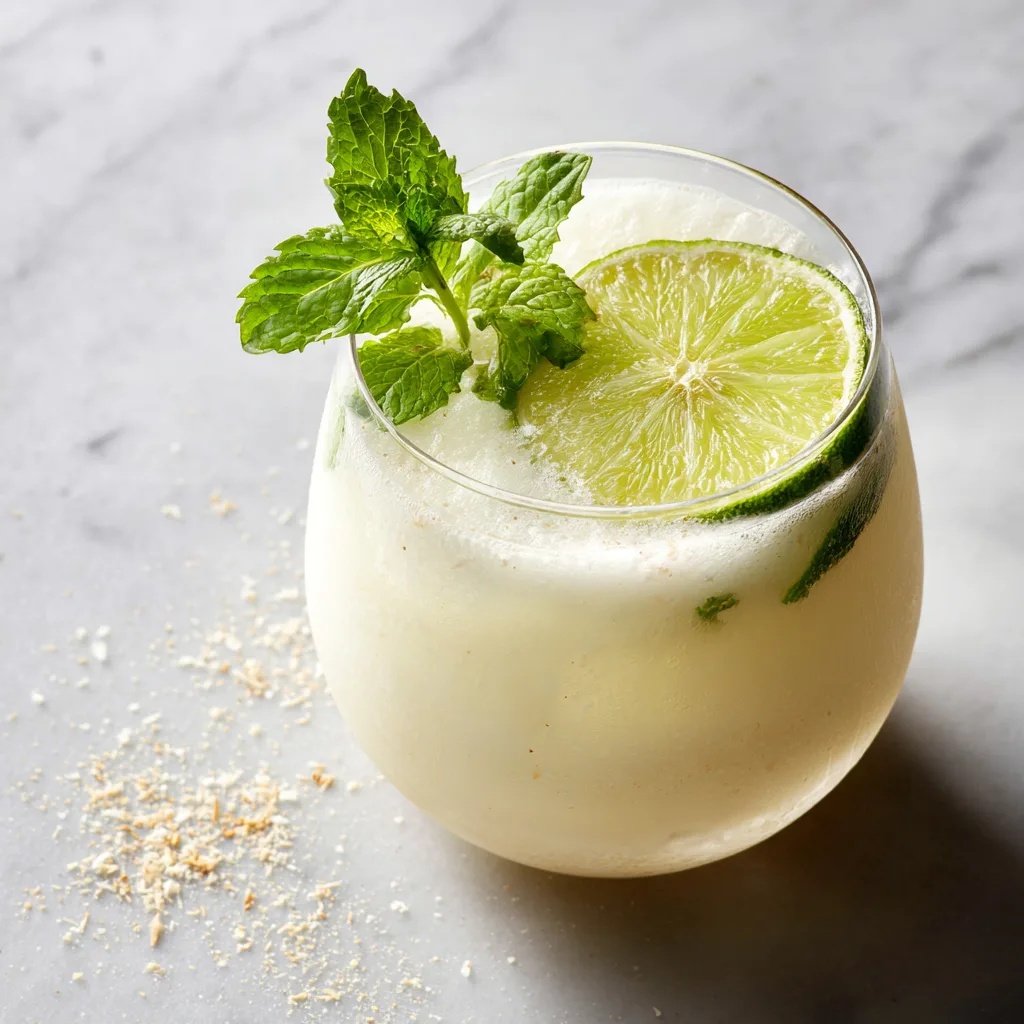
- Serve Immediately: Pour the frothy Limonada de Coco into chilled glasses. Garnish with a fresh sprig of mint and a slice of lime on the rim. Serve immediately with a glass straw and enjoy!
Expert Tips for the Perfect Frothy Texture
While the recipe is straightforward, the chemistry of mixing highly acidic citrus juice with fat (coconut milk) requires a little finesse. Here are some expert tips to ensure your drink is perfect every time:
Serve it Fast: Because lime juice is highly acidic, if the drink sits for too long, the acid will begin to break down the proteins and fats in the coconut and condensed milk, causing the drink to separate or curdle slightly. This does not mean it has gone bad, but it ruins the visual appeal and texture. Always blend this drink right before you intend to serve it.
Chill Your Ingredients: To keep the drink frosty and prevent the ice from melting into a watery mess, keep your cans of coconut milk in the refrigerator before using them. Use ice-cold water as well.
The Salt Trick: It might sound counterintuitive, but adding a tiny, microscopic pinch of kosher salt to the blender enhances the sweetness of the condensed milk and brightens the lime flavor, balancing the entire flavor profile.
Exciting Variations and Customizations
Once you have mastered the classic Limonada de Coco, feel free to experiment with these fun twists:
1. The Vegan / Dairy-Free Version: To make this completely plant-based, simply swap the traditional sweetened condensed milk for sweetened condensed coconut milk (widely available in baking aisles or online). Alternatively, use 1/4 cup of simple syrup or agave nectar. It will be just as delicious and 100% dairy-free.
2. Limonada de Coco con Menta (Mint Coconut Limeade): Mint and lime are a match made in heaven (think Mojitos!). Toss a handful of fresh mint leaves into the blender with the rest of your ingredients. The blender will pulverize the mint, turning the drink a beautiful pale green and adding a refreshing, cooling herbal note.
3. The Adult Version (Boozy Limonada): If you are hosting a summer party, this limeade serves as a spectacular base for a tropical cocktail. Add 2 to 3 ounces of white rum (like a Colombian Aguardiente or a smooth Caribbean rum) or a high-quality blanco tequila to the blender. It transforms into an upscale, creamy frozen margarita or daiquiri.
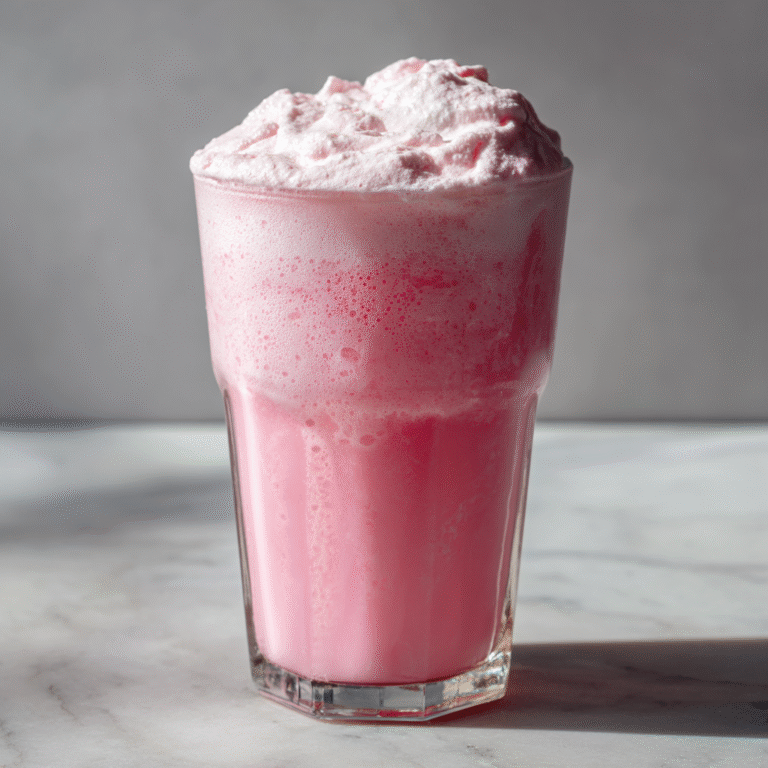
4. Cherry or Strawberry Twist: For a fruity variation, add half a cup of frozen strawberries or pitted cherries to the blender. This will give the drink a gorgeous pink hue and a sweeter, berry-forward flavor that kids absolutely love.
Serving and Pairing Suggestions
Limonada de Coco is a fantastic standalone treat, but it truly shines when paired with the right foods. Because the drink is rich, creamy, and tart, it pairs beautifully with salty, savory, and spicy dishes.
If you want to host a Colombian-themed dinner, serve this limeade alongside traditional Arepas con Queso (corn cakes stuffed with cheese), savory beef or chicken Empanadas, or Patacones (fried green plantains) served with Hogao (a savory tomato and onion sauce).
It is also a magnificent companion to spicy foods. The fat in the coconut milk helps to coat the palate and neutralize the heat from spicy peppers. Try serving Limonada de Coco with spicy shrimp tacos, jerk chicken, or a fiery bowl of ceviche.
Storage and Make-Ahead Tips
As mentioned earlier, Limonada de Coco is best enjoyed immediately after blending. However, if you want to prep ahead for a party, here is the best way to do it:
Do Not Blend Ahead: Do not mix the lime juice and the milks ahead of time. Instead, you can juice your limes and store the fresh juice in an airtight jar in the fridge for up to 2 days. You can also pre-measure your coconut milk and condensed milk into another container.
Freezing Leftovers: If you happen to have blended leftovers, do not put them in the fridge, as they will separate. Instead, pour the leftover mixture into popsicle molds! Limonada de Coco makes incredible, creamy, tart ice pops that are perfect for hot afternoons.
Frequently Asked Questions (FAQs)
Can I use light coconut milk?
You can, but the result will be much thinner and less creamy. Full-fat canned coconut milk is highly recommended for the authentic, luxurious texture of a true Colombian limeade.
Can I use lemons instead of limes?
While you *could* use lemons, it will completely change the flavor profile. Limes have a distinct floral bitterness that pairs uniquely with coconut. Lemons will result in a drink that tastes more like a lemon meringue pie—delicious, but not quite Limonada de Coco.
Why did my drink separate?
Separation happens because the acid in the lime juice reacts with the fats in the milks over time. This is a natural chemical reaction. Simply give the drink a good stir with your straw, or ideally, blend it and drink it immediately to avoid this issue entirely.
Conclusion
Bringing the taste of the Colombian coast into your kitchen has never been easier. With just five simple ingredients and a few minutes of your time, you can create a batch of authentic, frosty, and refreshing Limonada de Coco. Whether you follow the traditional recipe with sweetened condensed milk, opt for a vegan variation, or spike it with a splash of rum for a weekend gathering, this creamy coconut lemonade is guaranteed to impress.
Gather your fresh limes, chill your coconut milk, and fire up the blender. One sip of this perfectly balanced, sweet, tart, and creamy concoction, and you will feel the warm breezes of Cartagena right in your own backyard. Enjoy!
Colombian Coconut Limeade (Limonada de Coco)
Ingredients
Equipment
Method
- Wash limes thoroughly. Cut in half and use a citrus juicer to extract 1/2 cup of fresh lime juice. Discard seeds.
- In a high-speed blender, combine the fresh lime juice, the full can of coconut milk, sweetened condensed milk (or sugar), and cold water.
- Add the 2 cups of ice to the blender.
- Blend on high for 30 to 45 seconds until the ice is completely crushed and the mixture is highly frothy and smooth.
- Taste the limeade. Adjust sweetness by adding a bit more condensed milk if it is too tart, or add a squeeze of lime if it needs more acid.
- Pour immediately into chilled glasses. Garnish with lime wheels and fresh mint. Serve right away to prevent separation.